


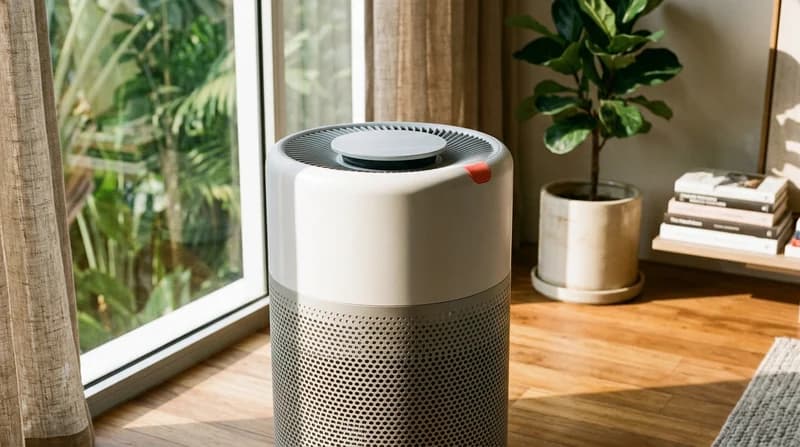


Cleaner air starts with the room you actually live in
Air purifiers are easy to compare badly. A small unit can look sleek on the screen, yet feel almost invisible once it sits in a real bedroom, pet corner, or living room. That is why this collection focuses on daily home air situations first, not vague numbers alone.
In many Singapore homes, indoor air can feel warm, still, dusty, and heavy. Cooking smells can linger. Pet fur can float through sunlight. Haze days can make the air feel thicker. The right model helps the room feel lighter and calmer, as airflow, filter quality, and room fit work together.
If you want a fresher smart home overall, you can also explore smart home essentials, plus nearby comfort categories like humidifiers and fans. But if cleaner indoor air is the real goal, this category is where the difference begins. Which room in your home needs that difference first?
How to choose the right air purifier by room and routine
Bedroom air purifiers
The best AliExpress air purifier for bedroom use is usually one that balances quiet sound, soft lighting, and enough coverage for the full room. You want a low hum that fades into the background, not a harsh mechanical note that pulls you awake at night.
Look for sleep modes, dimmable displays, and a filter system that handles fine particles, as bedtime comfort depends on both clean air and calm sound. A quiet air purifier from AliExpress can feel far more useful than a stronger unit that ends up switched off after midnight.
Small rooms and desk areas
A portable air purifier for small room setups works well in study corners, compact flats, and office desks, as it takes up less space and can move with your day. Desktop models are especially helpful when you want cleaner air close to your face while working.
A desktop air purifier for office room use can make the space feel less stale and more focused, as the air around your screen and chair feels fresher during long hours. If you are building a more comfortable work setup, you may also like desk lamps and webcams.
Living rooms and shared family spaces
For larger spaces, a stronger purifier with wider airflow makes more sense, as open layouts need more than a compact personal unit. This matters when family members share the room for meals, television, play time, or evening rest.
Choose a model with clear room coverage guidance and layered filtration, as larger spaces collect more mixed air from doors, windows, fabrics, and daily movement. That is often where a smart home air purifier with filter reminders becomes more practical.
Pet zones and odour control
An air purifier for pet hair and odour should include a pre filter for visible fluff and a more serious particle filter behind it, as fur, dander, and smells behave differently. A washable front layer can make upkeep feel easier week after week.
If your home also needs regular floor support, pair cleaner air with robot vacuums or handheld vacuums. Less dust on surfaces often helps the whole room feel fresher to the eye and to the lungs.
What filter types really mean for daily comfort
Filter language can sound technical, yet the real question is simple. What will the air feel like after the purifier has been running for a few hours?
An AliExpress HEPA air purifier Singapore shoppers consider often aims to trap finer airborne particles, as smaller particles are the ones you cannot easily see drifting through the light. A pre filter catches larger bits like hair and lint first, which helps the main filter work more smoothly.
Some models also include carbon style filtration for odours, as smell control matters in kitchens, pet homes, and shared flats. If cooking aromas hang in the air long after dinner, this layer can make the room feel cleaner faster.
Smart features can help, but they should support performance, not distract from it. App control, timer settings, and filter alerts are useful, as they make upkeep easier. Yet the real heart of the machine is still airflow plus filtration. So what happens when shoppers focus on the wrong thing?
Costly mistakes to avoid when choosing air purifiers
Choosing by low price alone
This is one of the most common mistakes. A tiny purifier may look attractive, as it saves space and appears simple, but it may not clean the actual room volume well enough to change how the air feels.
Ignoring filter replacement access
A purifier is only as practical as its long term upkeep. If replacement filters are hard to find, the machine can become decoration, as performance drops once old filters clog with dust and odours.
Overlooking bedroom noise
Many people forget to check sound levels for sleep. That matters, as a purifier that buzzes, whirs, or hums too loudly often gets turned off right when you need it most.
Assuming smart means effective
A modern control panel can look impressive. Yet app features do not clean the air on their own, as airflow strength and filter coverage still decide whether the room feels fresher by morning.
How to compare models from the marketplace with more confidence
When browsing the Chinese marketplace, start with your room size, then move to filter type, then noise, then portability. This order helps you avoid pretty but underpowered options, as real comfort comes from fit, not from appearance alone.
- Choose compact units for desks and very small rooms, as close range airflow can feel more noticeable there.
- Choose bedroom models with sleep settings, as softer sound supports more settled nights.
- Choose larger units for shared spaces, as open rooms need stronger circulation.
- Choose pet focused designs with pre filters, as visible fur can clog finer filters faster.
- Choose odour support when cooking smells linger, as particle control and smell control are not always the same thing.
Across AliExpress Singapore listings, the best option is often the one that matches your daily pattern, not the one with the flashiest headline. If your home comfort plan also includes cleaner surfaces and calmer air flow, look at smart sensors, security cameras, and smart bulbs for a more complete home setup.
The platform offers many shapes, sizes, and smart features. The key is knowing what your room is asking for before you start comparing. Once you do that, the search becomes clearer, faster, and far less noisy.