

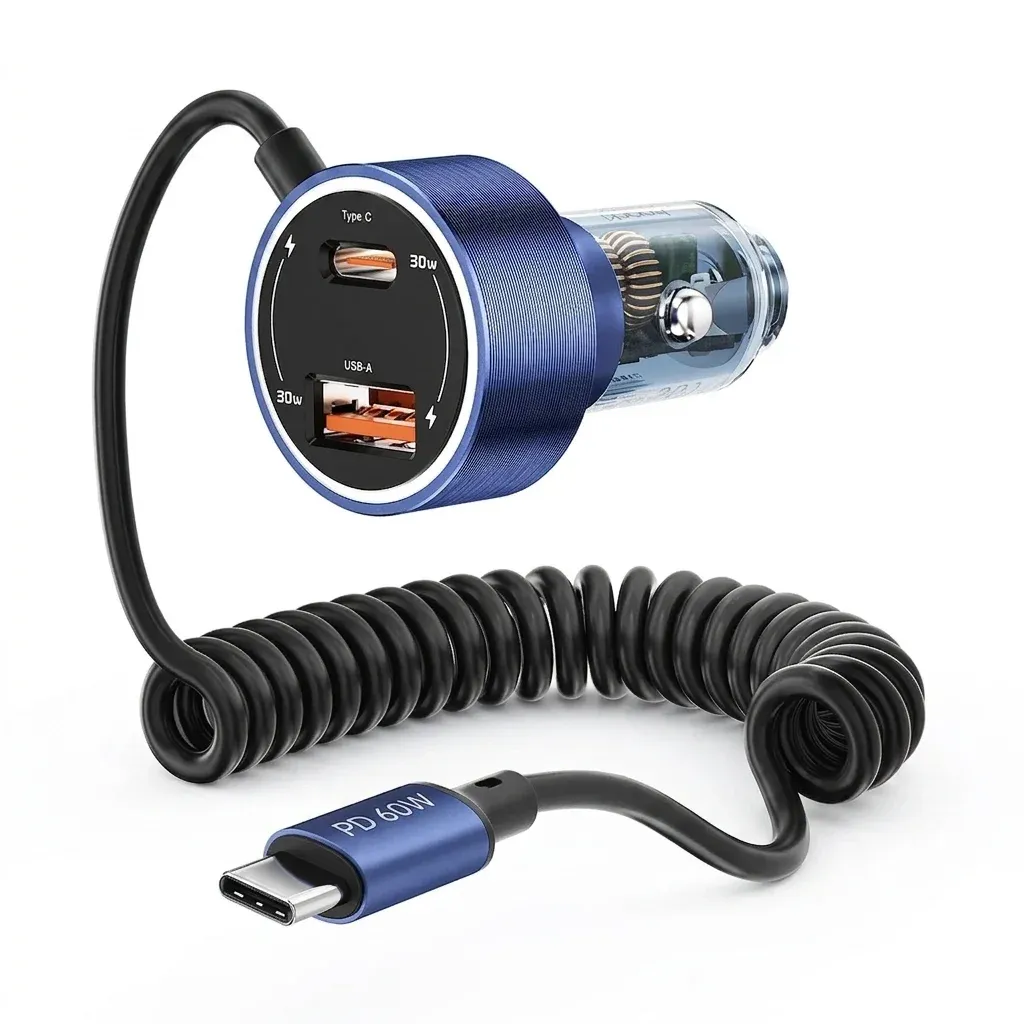
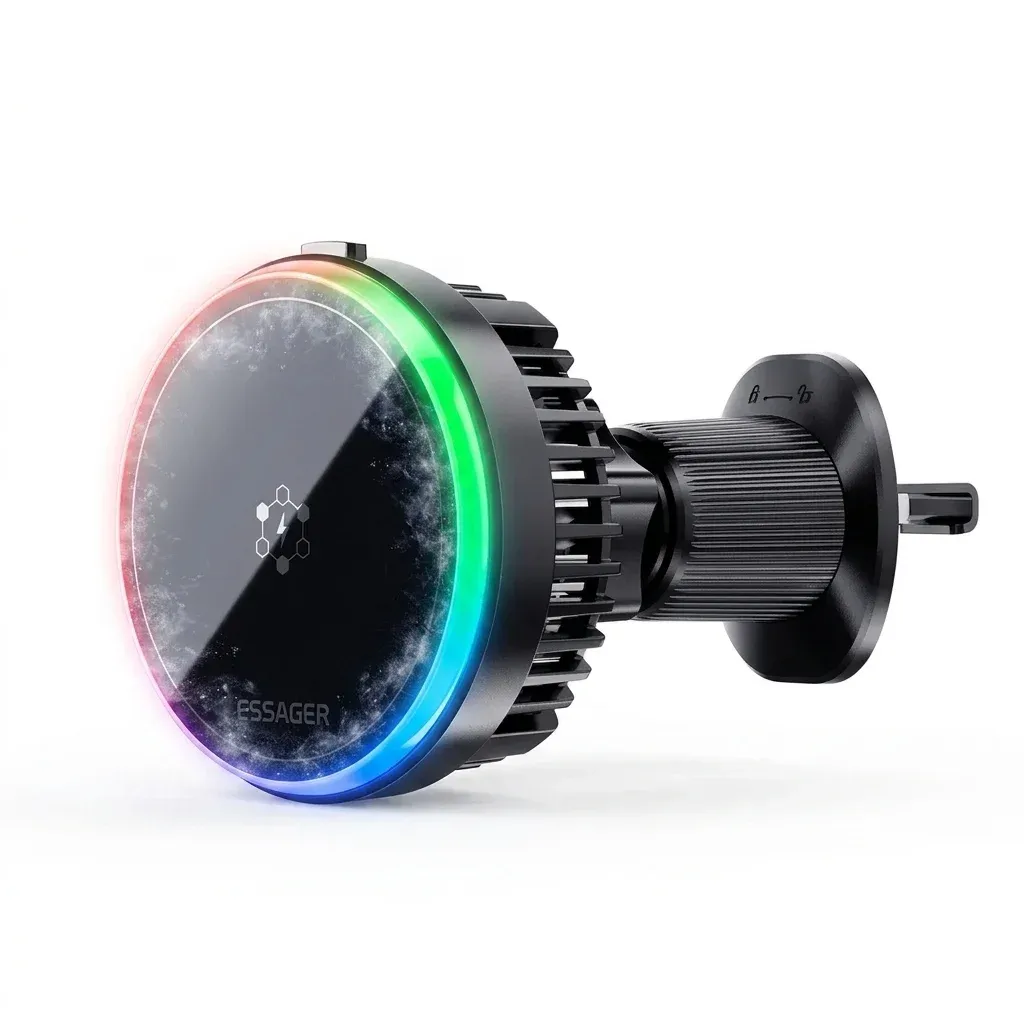
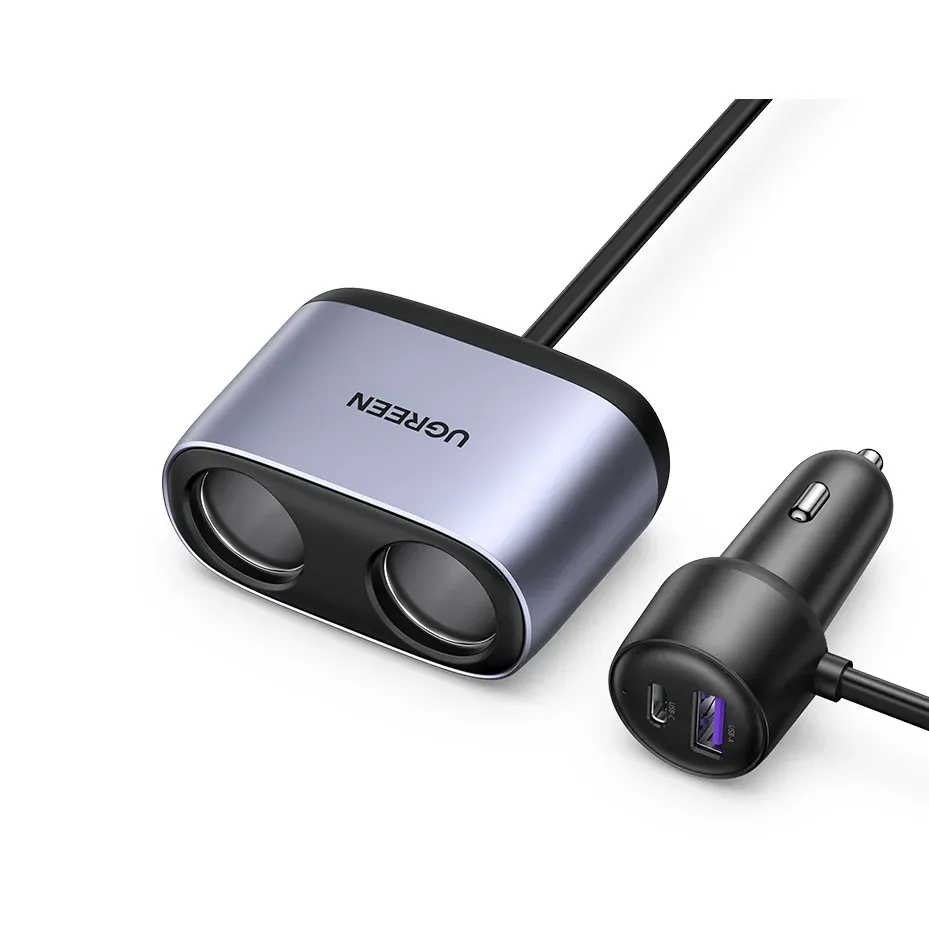
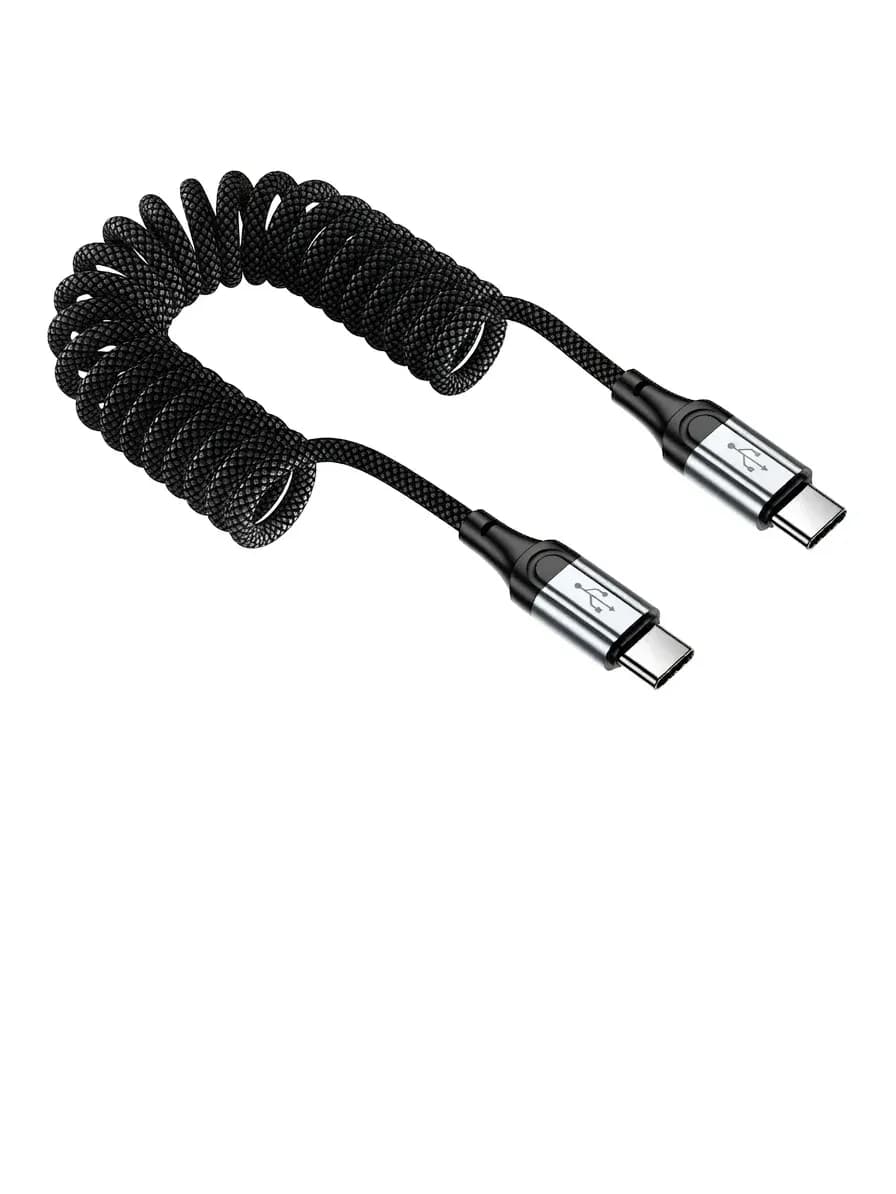
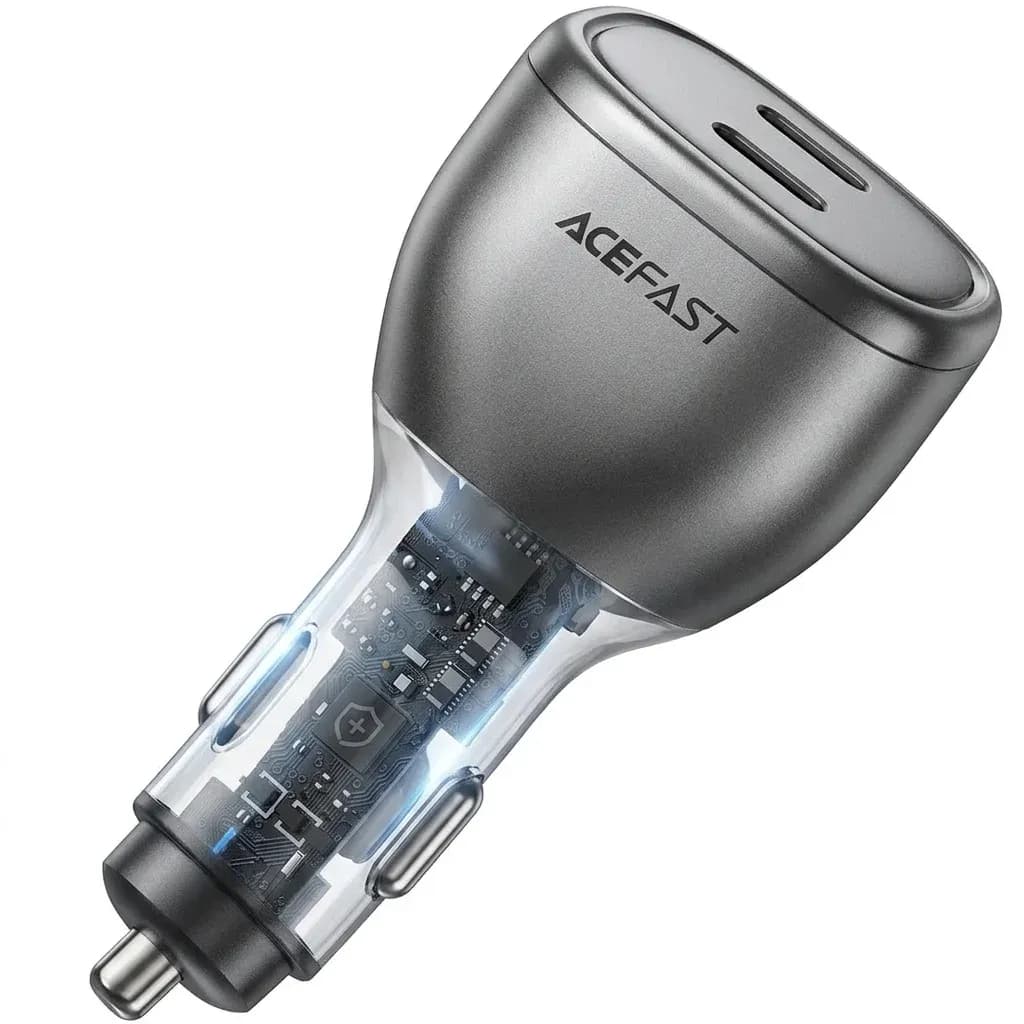

Keep every drive powered and easy to manage
A car charger sounds simple until your battery drops while maps, music, and calls all run at once. That is when the right model changes the whole feel of the cabin. The screen stays bright, the route stays visible, and your hands feel more in control of the journey.
This category focuses on real driving use. On the global marketplace, you can compare compact plugs for daily commuting, stronger fast charge options for newer phones, and dual port designs for shared rides. The goal is not only more power. The goal is smoother, calmer trips.
If you are also refining your setup, pair your charger choice with car phone holders, browse wider car accessories, or add support items from charging cables. But first, which charger style actually fits your routine best?
How to choose the right charger for your driving routine
For daily commuting
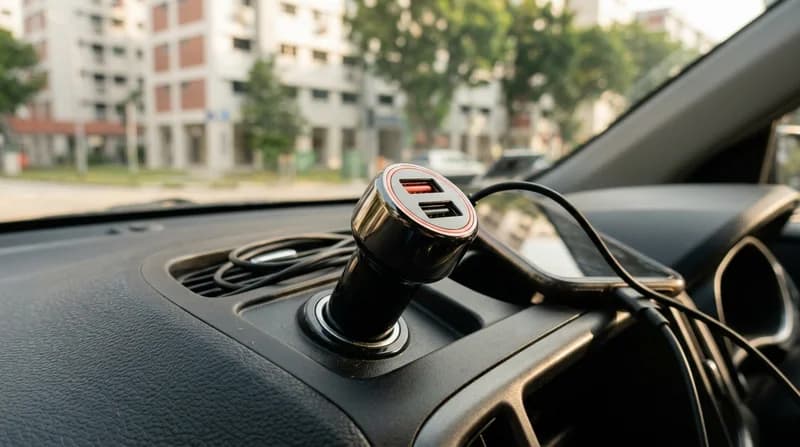
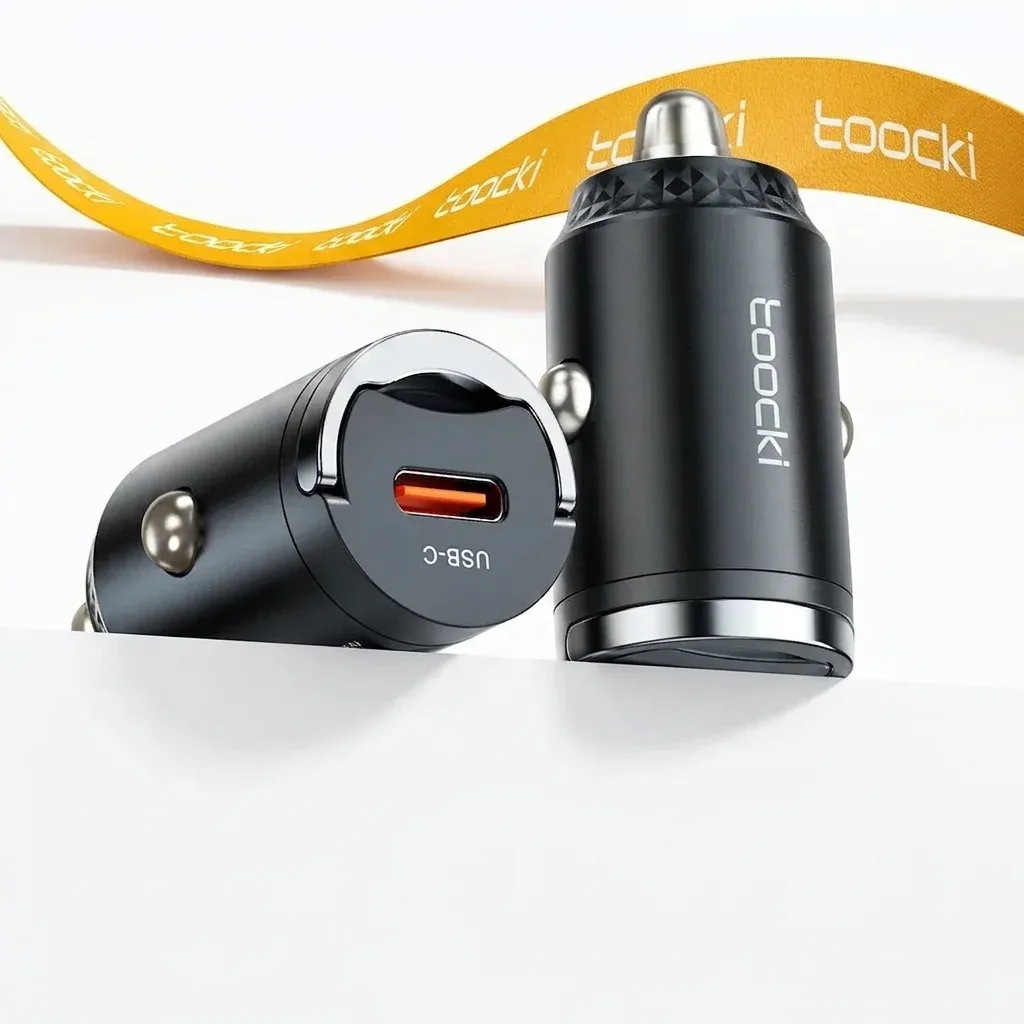
A compact car charger for daily driving works well if you mainly need one phone topped up between home, work, and errands. Choose a low profile body that sits neatly in the socket, as a tidy fit makes the cabin look cleaner and reduces accidental bumps.
This type suits drivers who want simple, quick charging without visual clutter. It feels easier to reach, easier to leave in place, and easier to live with every morning.
For navigation heavy use
A fast charging car charger for phone navigation is a smarter match if your screen stays on for long stretches. Maps, brightness, streaming, and calls all pull power at the same time, as modern phones can drain faster than weak chargers can refill.
Look for stronger output and stable charging support. You will notice the difference on the screen and in your mood. The battery percentage rises instead of slipping away at every red light.
For newer cables and newer phones
A USB C car charger for car socket is often the cleanest choice for recent devices, as many newer phones and accessories now rely on USB C for quicker, steadier charging. The connection feels more current, more flexible, and more ready for future upgrades.
If your setup includes extra gear, it can help to explore phone accessories or compare wireless chargers for home and desk use.
For shared rides and family trips
A dual port car charger for multiple devices makes more sense if one phone is not the whole story. Passengers may need power. A work phone may travel with a personal phone. A dash related device may also compete for the same outlet.
Choose dual or multi port designs, as they reduce cable swapping and keep the cabin more peaceful. One small plug can remove a surprising amount of friction from longer drives. And if you travel often, what else should you watch before choosing?
Costly mistakes to avoid when choosing car chargers
The cheapest option can look tempting on the Chinese marketplace. Yet low price alone often leads to slow charging, loose fit, or poor compatibility. That means wasted time, repeated unplugging, and a battery that still looks worryingly low.
Mistake one: ignoring real power needs
If you use navigation daily, a weak charger may only slow battery loss instead of building charge, as screen brightness, mobile data, and audio apps all work together. A higher watt car charger for fast phone charging is often the better fit for busy road use.
Mistake two: choosing the wrong port mix
Some drivers pick a charger first and think about cables later. That creates frustration if your phone needs USB C, your passenger uses another cable, or your device supports a faster standard the charger cannot deliver. Always match the port layout to the devices you actually carry.
Mistake three: overlooking socket fit
A charger that wiggles in the outlet can interrupt charging on rough roads, as movement weakens contact. A solid, snug fit feels more secure in the hand and more dependable during turns, bumps, and sudden stops.
Mistake four: forgetting future use
One port may feel enough today. Then a passenger hops in, a second phone joins the trip, or you add gear from dash cams or GPS trackers. A little extra flexibility now can save you from replacing the charger too soon.
What different charger types are best for
Single port chargers
Best for solo drivers with one main phone, as they keep the cabin minimal and straightforward. They are easy to plug in, easy to forget about, and ideal for clean dashboards.
Dual port chargers
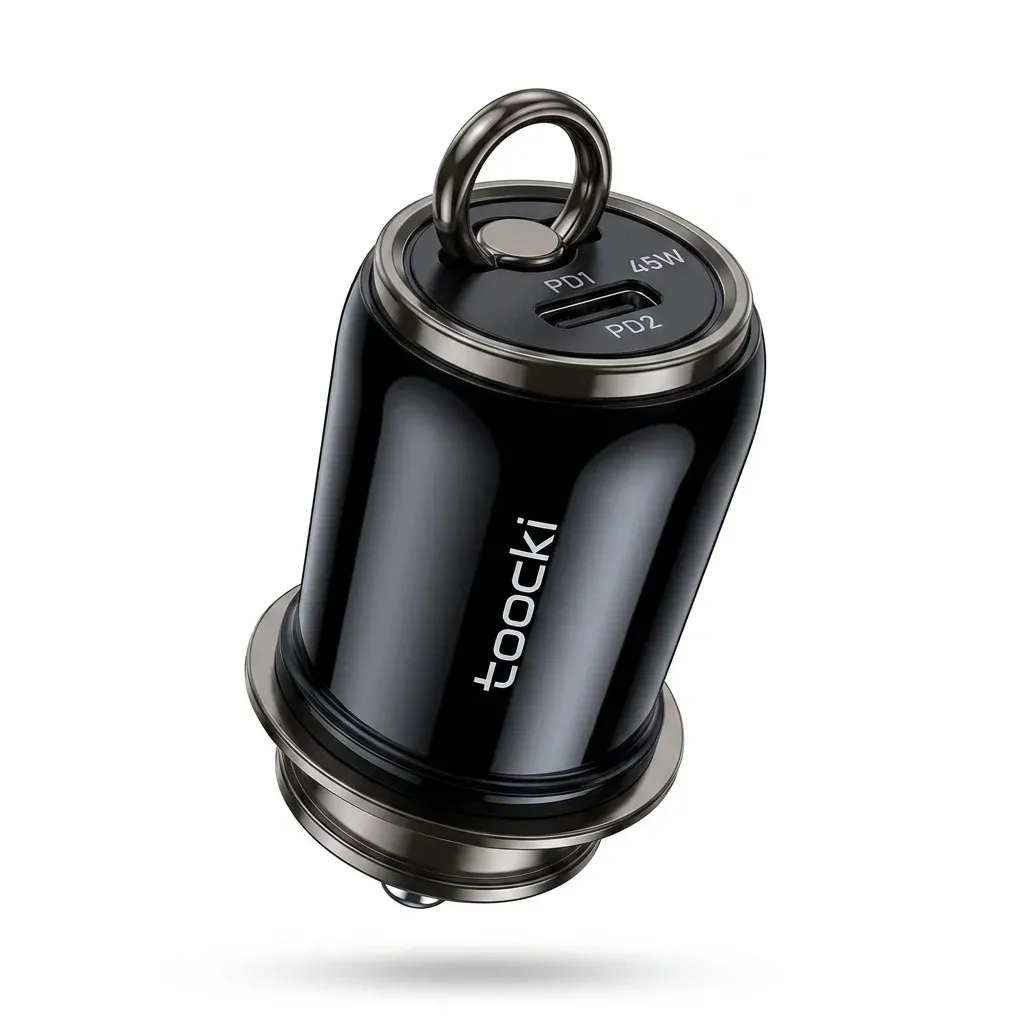
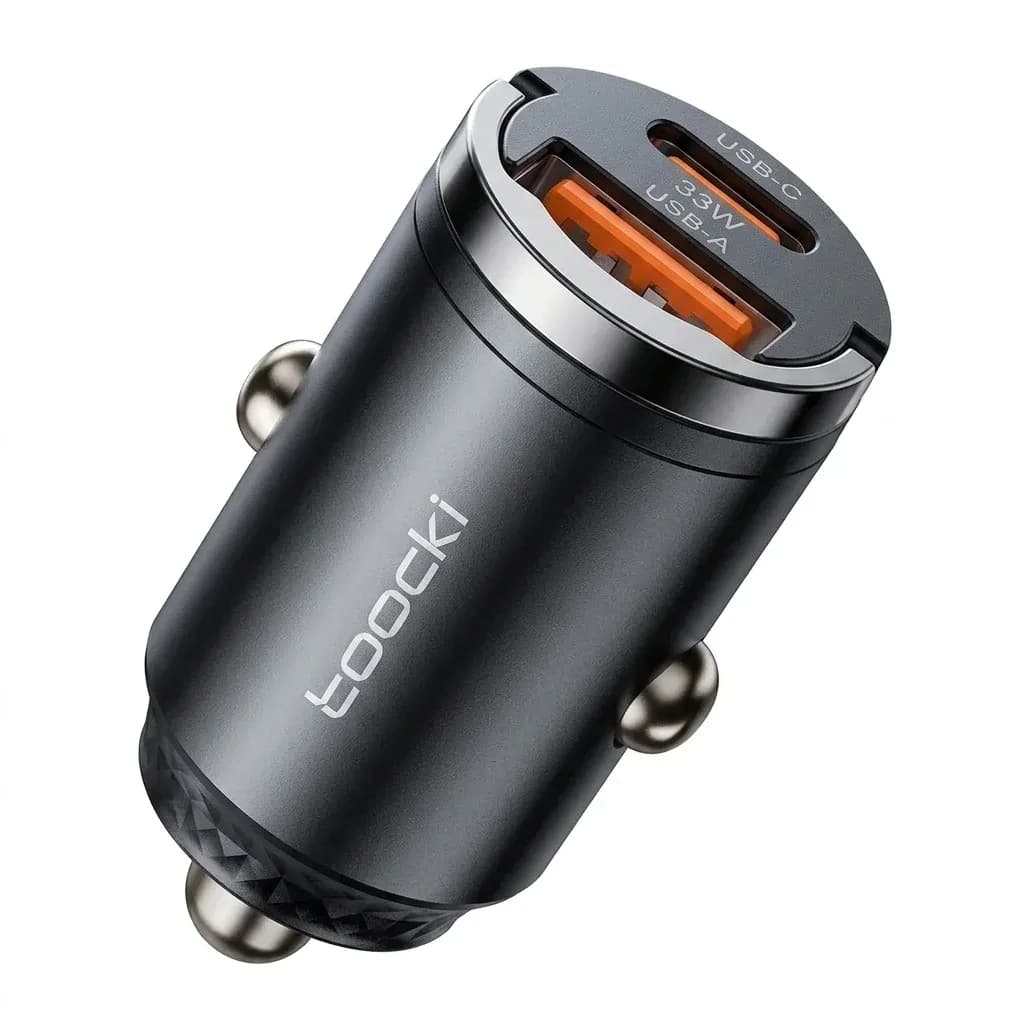
Best for couples, families, and ride sharing, as they let two devices charge together without negotiation. The result feels calmer and more organised, especially on longer routes.
Fast charging models
Best for drivers who depend on maps and frequent calls, as they help recover battery faster during short trips. Even a quick run across town can add useful power instead of barely keeping up.
USB C focused chargers
Best for newer phones and modern cable setups, as they align with current charging habits and reduce compatibility headaches. They also pair naturally with many current accessories from the wider platform.
To round out your car setup, you may also like reversing cameras, car lights, car organisers, or power banks for charging beyond the vehicle.
Why this category is useful for Singapore drivers
Short urban trips can still drain a phone quickly when traffic, navigation, messaging, and music all stay active. That is why AliExpress car chargers for fast charging in Singapore matter in practical, everyday ways. The right charger helps every trip feel more prepared, even when the day changes suddenly.
On AliExpress Singapore, you can compare options by port type, charging style, size, and convenience instead of guessing from watt numbers alone. That makes it easier to choose a car charger for iPhone and Android use, a safe car charger for long road trips, or a neat plug for everyday commuting.
A better charger does more than add battery. It lowers distraction, reduces cable chaos, and helps the cabin feel ready the moment you start the engine. Once you know your routine, the right choice becomes much clearer.