









Fast charging that keeps pace with modern phones
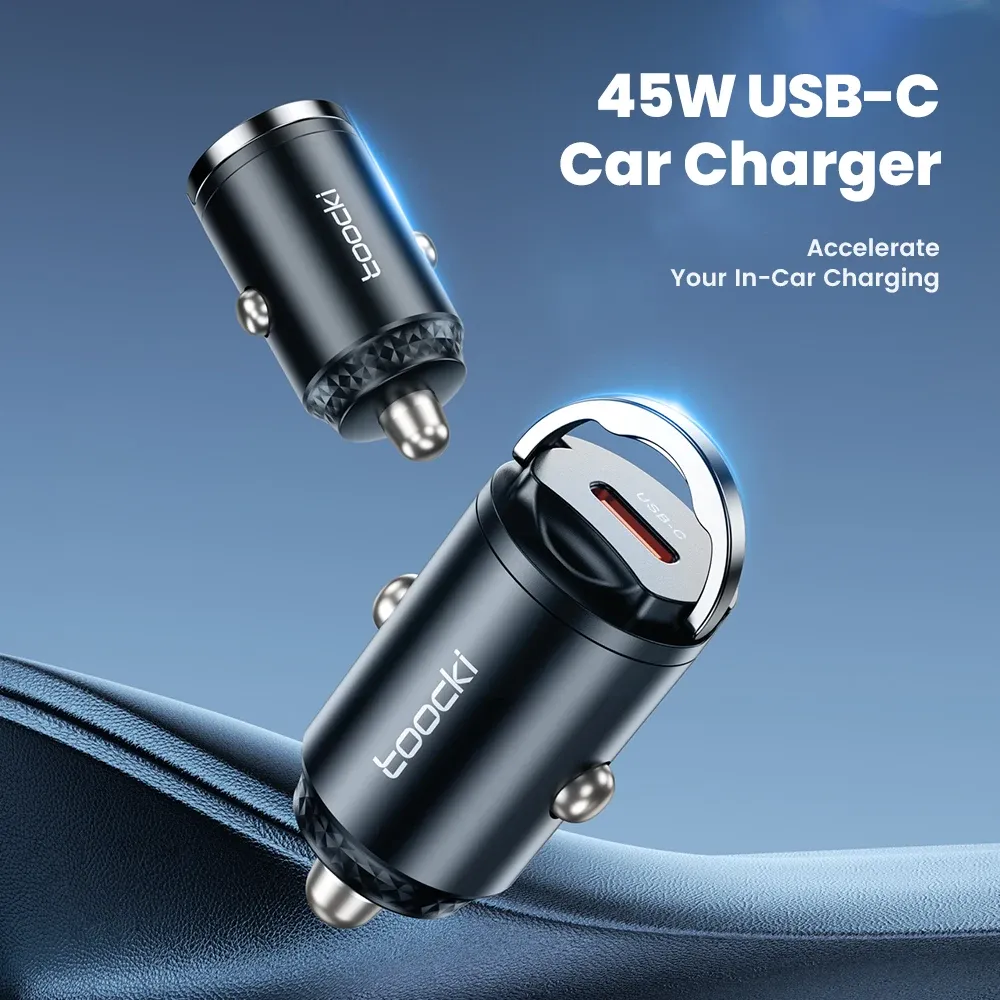
The main problem this charger solves is simple: your phone drops fast on navigation, music, and hotspot use, and a weak car port cannot recover the battery quickly enough. With 45W output and USB PD support, this Toocki unit is designed to restore charge during short drives instead of only slowing battery loss.
That matters most for newer iPhone and Galaxy models, where higher-wattage charging can make a visible difference in the first 20 to 30 minutes on the road. According to users, the appeal is less about flashy extras and more about getting a dependable top-up every time the engine starts.
Why the dual output layout feels more useful than it looks
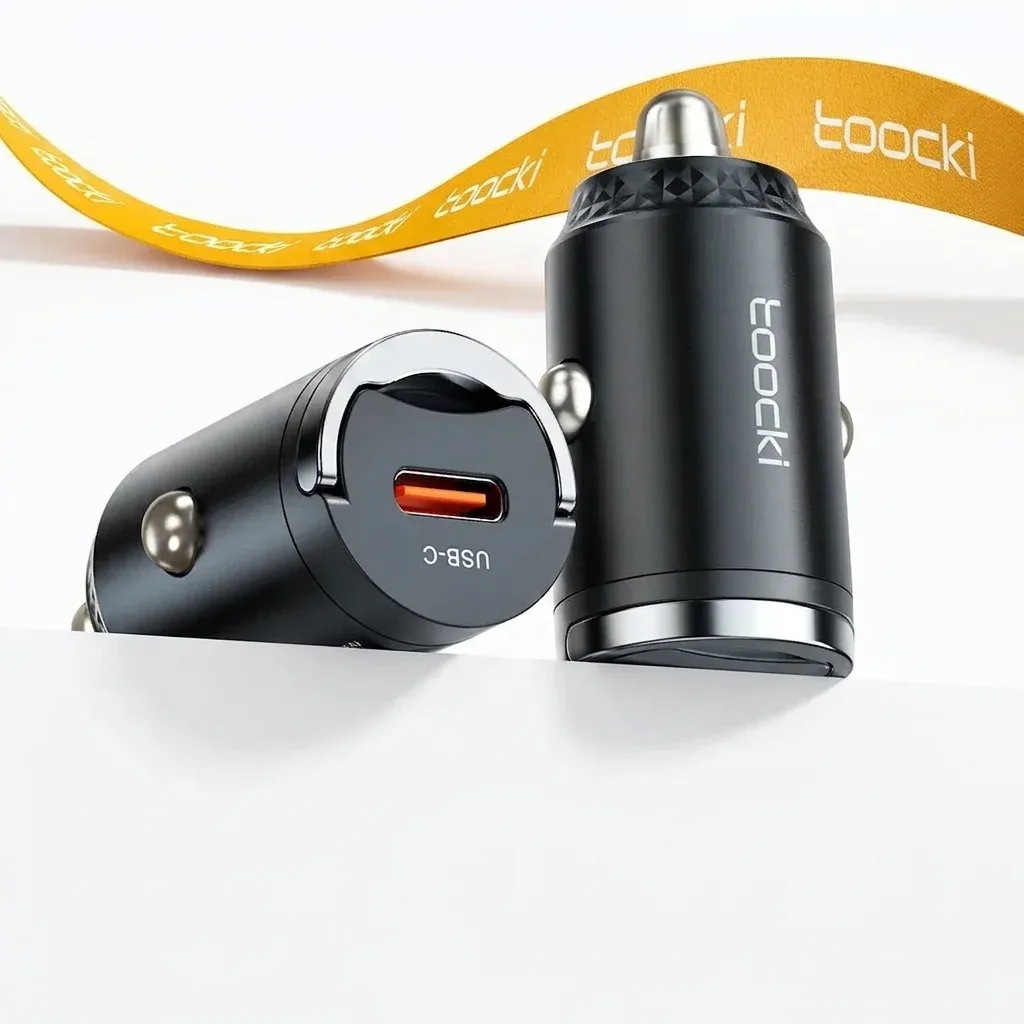
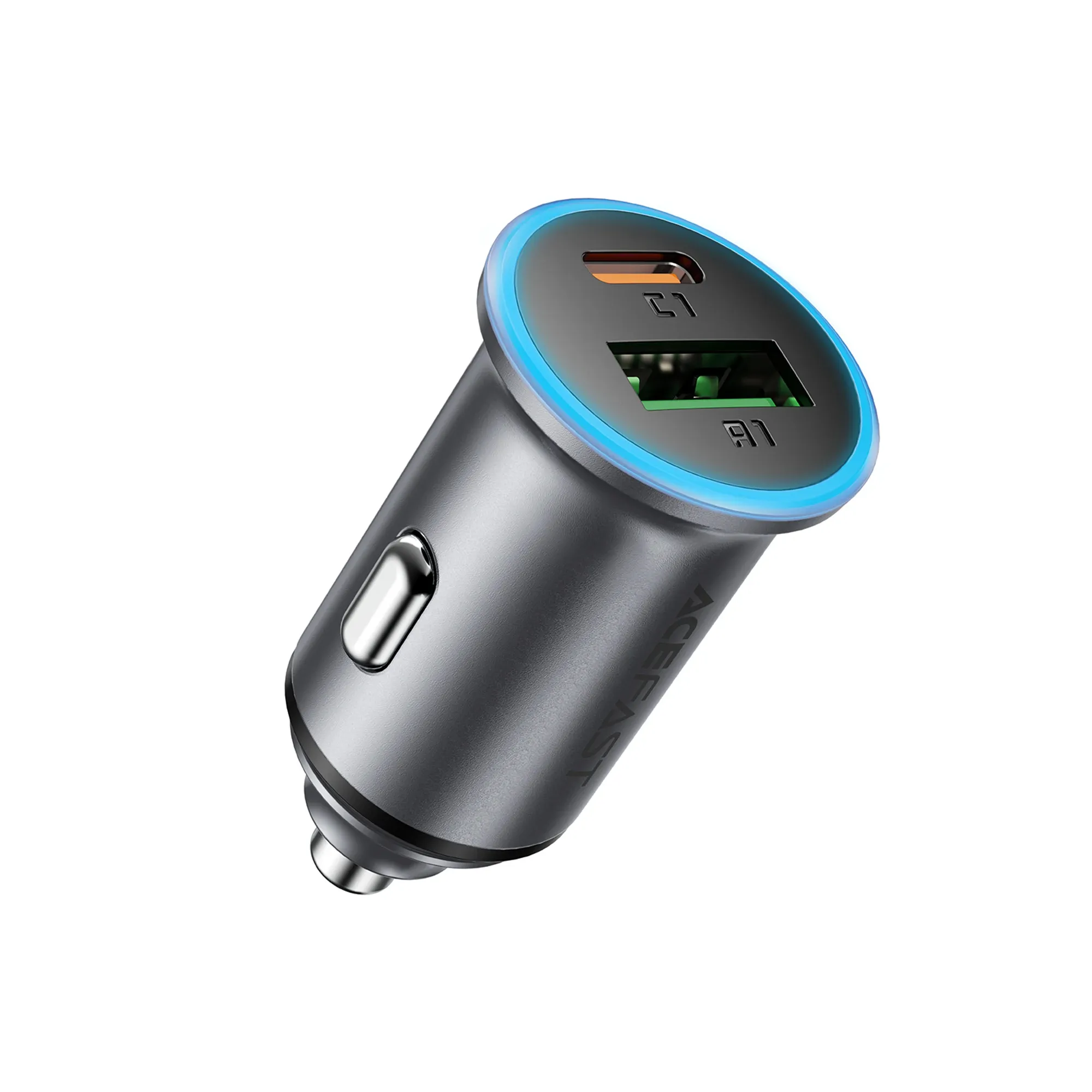
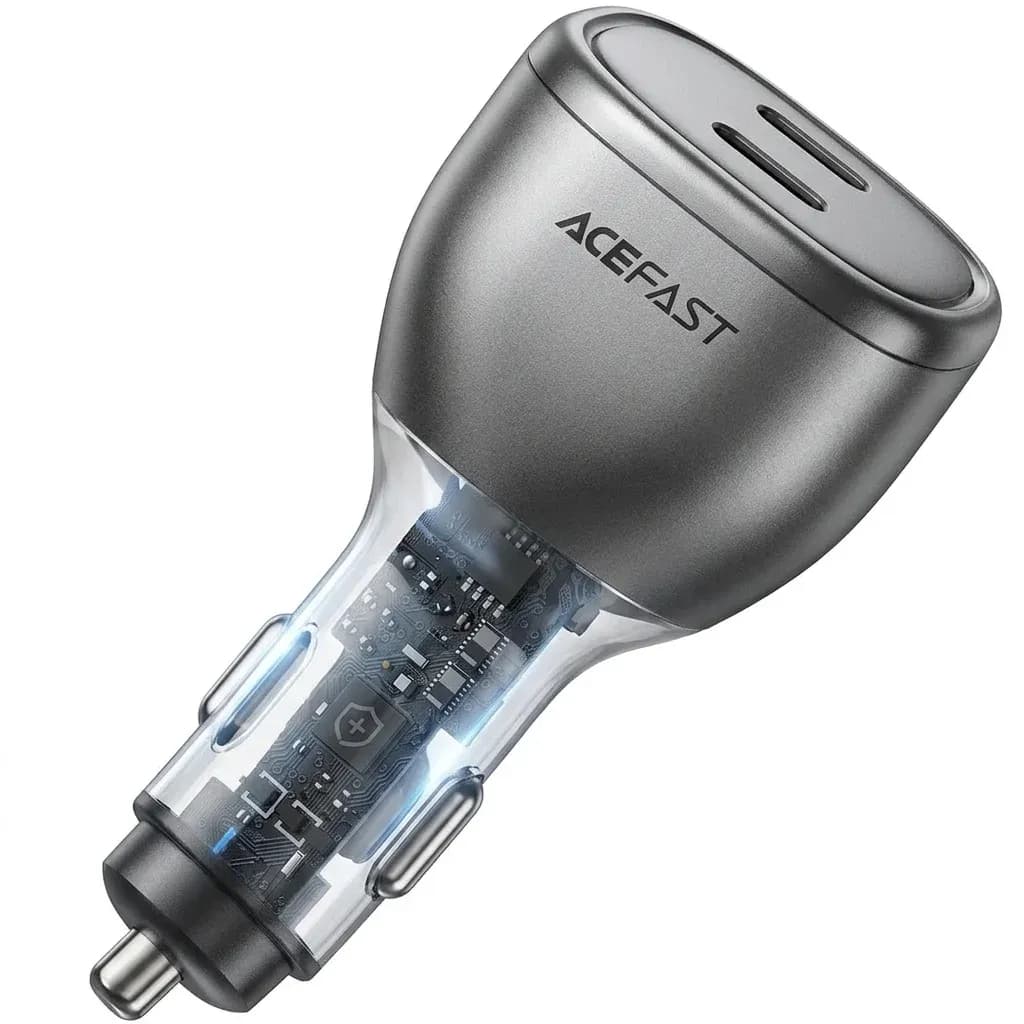
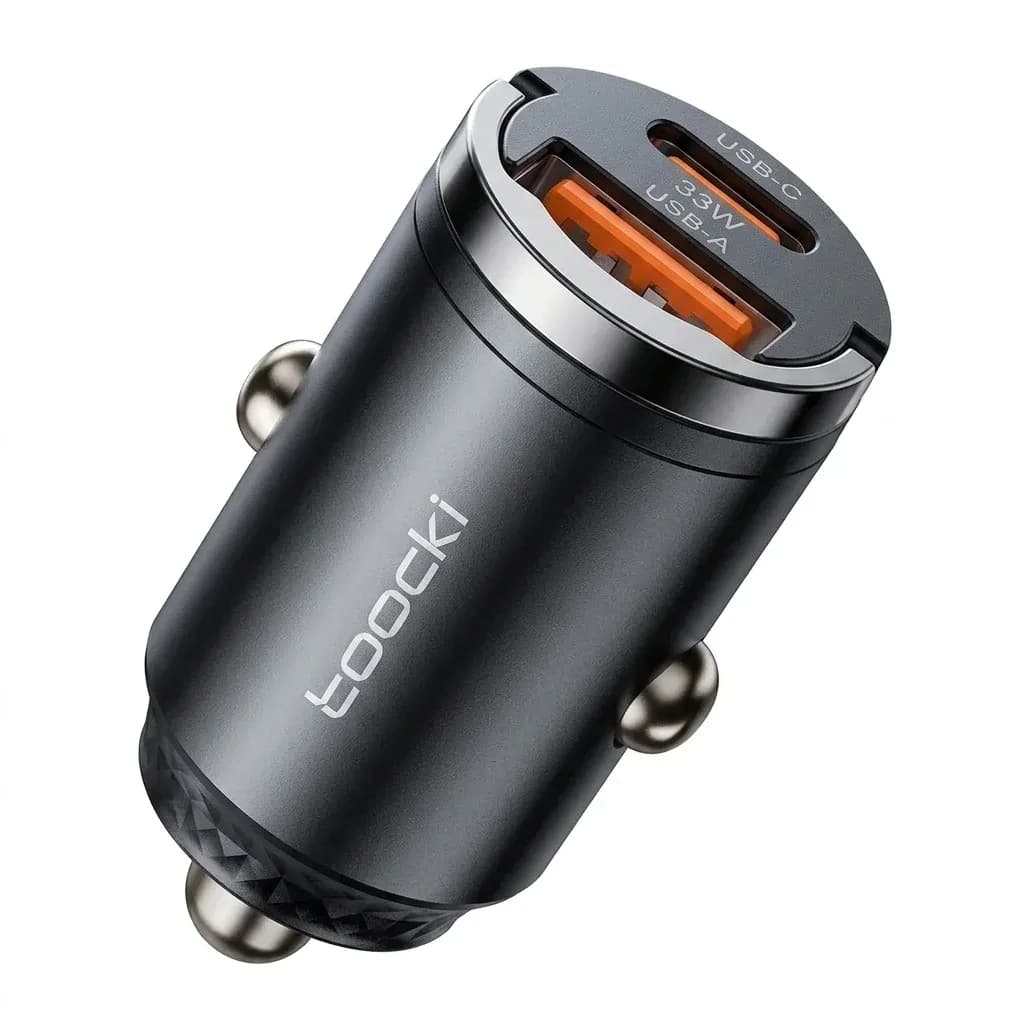
The charger combines USB and Type-C output in a body that weighs just 20g, so it stays unobtrusive in the lighter socket. ABS+PC construction should help it handle heat better than very soft plastic alternatives, which is important in parked cars that can get warm quickly.
In practice, the compact shape is useful when the car already has limited dashboard space or when you want to leave a cable connected without the adapter sticking out too far. That small footprint also reduces the chance of accidental knocks, which becomes relevant once you start using it every day.
Protocol support makes the charger more flexible than a basic 12V adapter
Support for Samsung Adaptive Fast Charge, USB PD, BC1.2, and Qualcomm Quick Charge gives this model broader device coverage than single-protocol car chargers. That means it can work as a sensible shared charger for mixed households where one person carries an iPhone and another uses a Samsung or Xiaomi device.
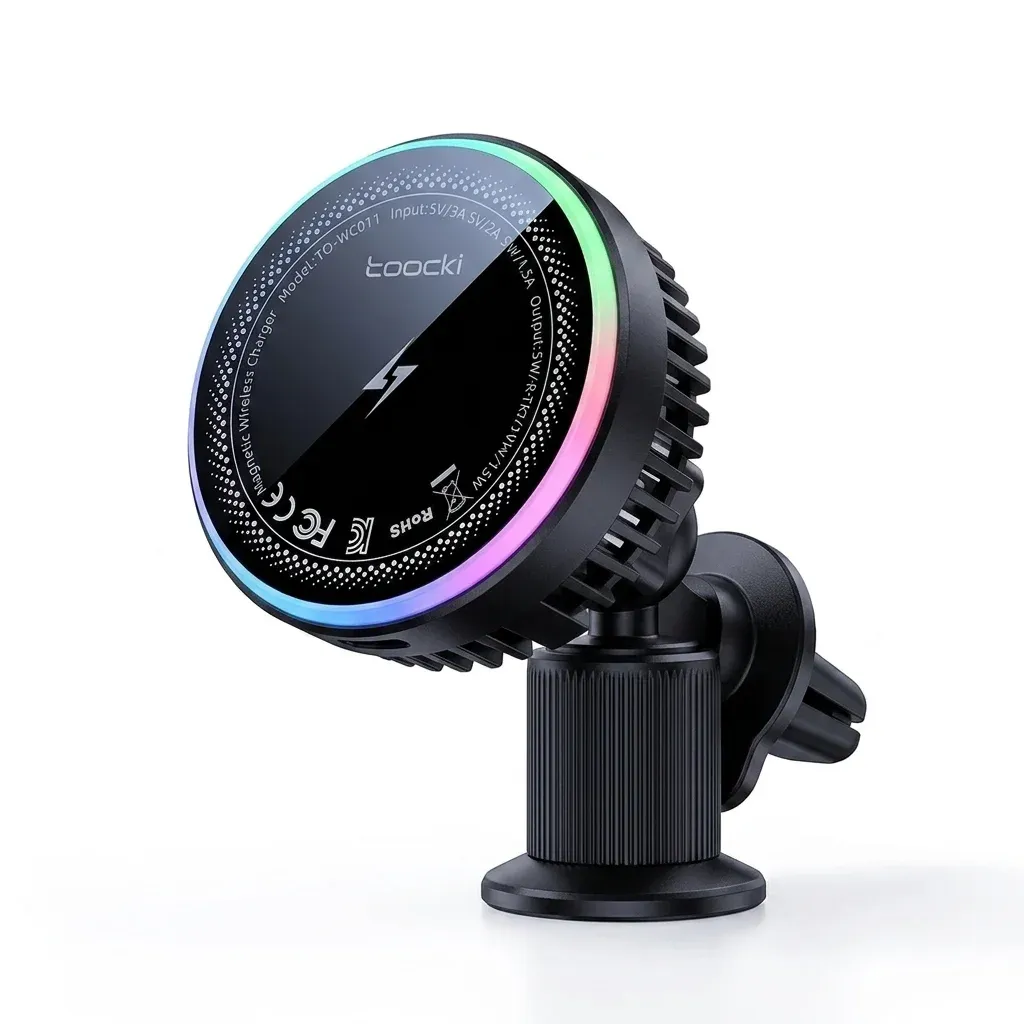
The practical benefit is not just compatibility, but better odds of reaching each device’s fastest safe charging mode. If you want one adapter for multiple phones, this is the kind of spec sheet that matters more than a decorative LED ring, and it explains why the model gets attention in AliExpress Singapore searches.
What the 45W ceiling means in real driving use
Forty-five watts is enough headroom for fast top-ups, but it is not the same as a desktop GaN charger plugged into mains power. In a car, the real value is stable output during commutes, errands, and ride-share shifts, where even a short stop can add useful battery percentage.
For larger batteries such as recent Android flagships, the charger should feel more efficient than older 18W or 20W adapters, especially when the screen stays on for maps. If your routine involves long GPS sessions, the next question is whether the build and socket fit are equally practical.
Build quality and fit for everyday cabin use
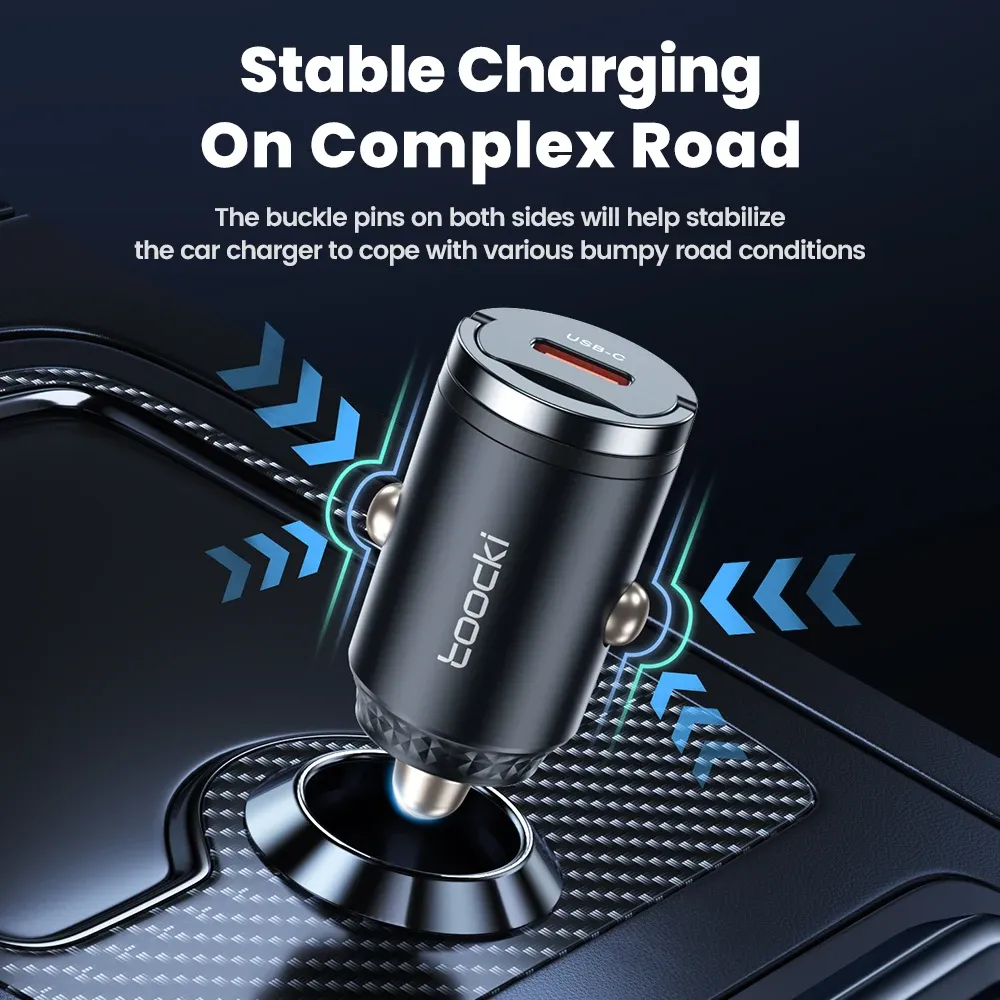
The ABS+PC shell and 20g weight suggest a design focused on durability without adding bulk. The lighter-slot format is still the key detail, because a loose or oversized charger can rattle over bumps and become annoying long before the charging speed becomes a concern.
This model is best suited to drivers who want a neat, low-profile accessory rather than a feature-heavy display unit. If your car has a tight console layout, that restrained design may be the difference between a charger you keep installed and one you stop using.
Who will get the most value from it
Drivers with modern phones, mixed-device households, and commuters who rely on in-car navigation are the clearest fit. The single real review is positive, which supports the impression that the charger does the basics well, though the review pool is still too small for broad statistical confidence.
- Best for quick battery recovery on short drives
- Useful for iPhone, Samsung, and Xiaomi users
- Compact enough for cluttered center consoles
- More practical than decorative car chargers