





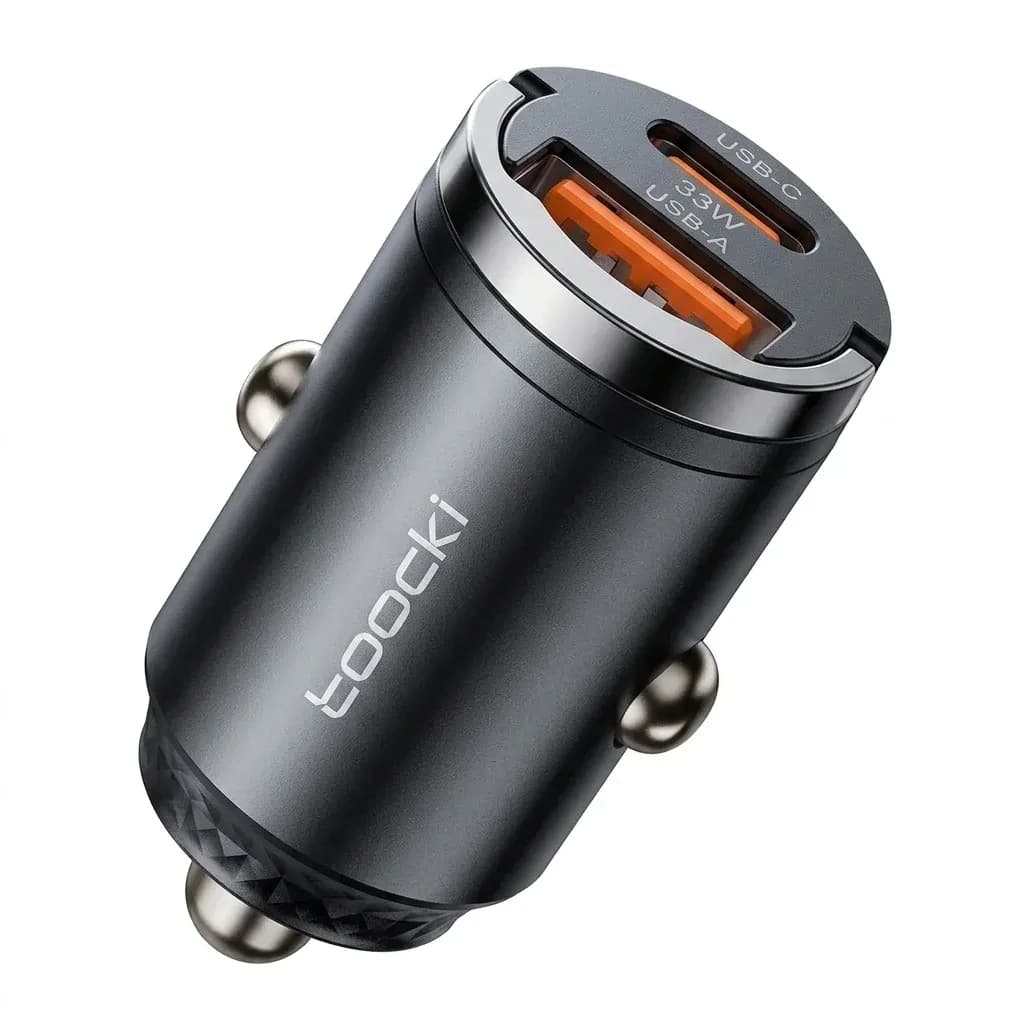

A compact charger that solves slow in-car charging
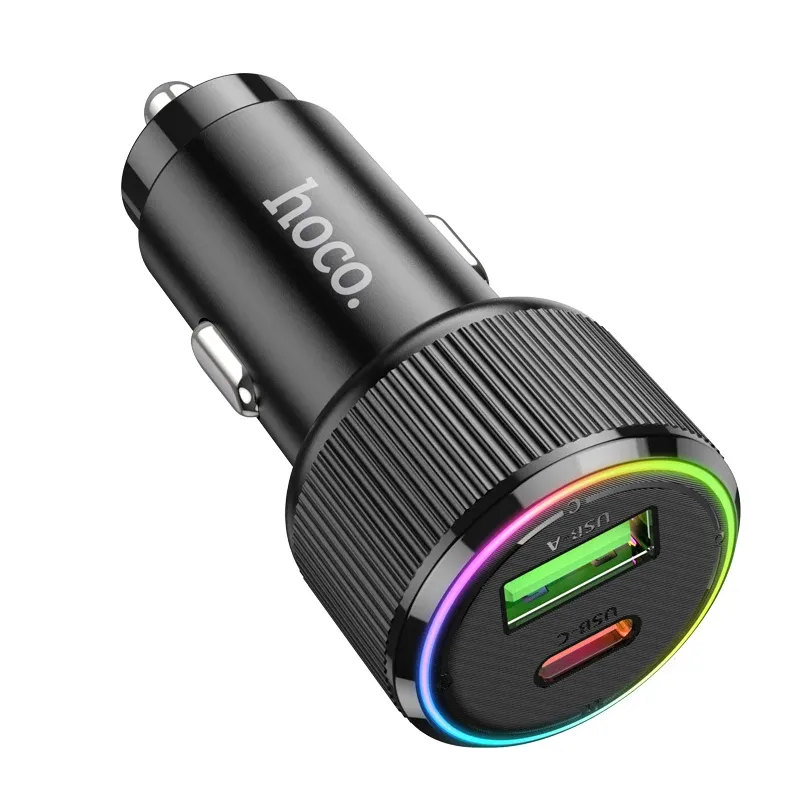
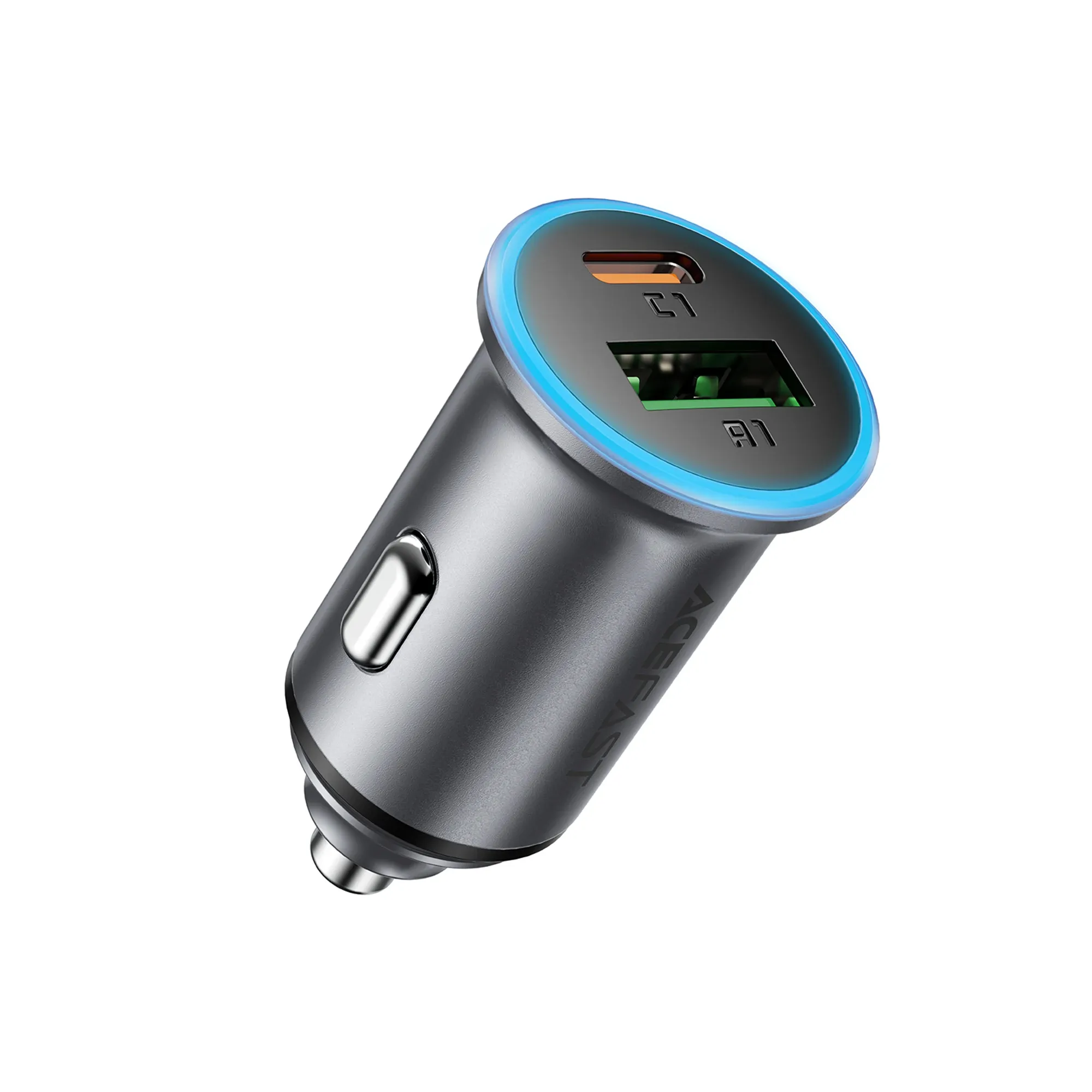
The HOCO NZ14A is aimed at drivers who are tired of waiting for a phone to recover a few percent during short trips. Its dual-port layout gives you a practical mix of USB-A and USB-C, so one adapter can cover older cables and newer fast-charge leads.
HOCO has built a solid reputation in the AliExpress Singapore niche for making accessories that feel more refined than the average budget listing. The brand usually focuses on simple hardware, clean industrial design, and usable charging specs rather than flashy extras, which is exactly what this model tries to deliver.
20W USB-C and 18W USB-A: what you actually get
The headline spec is the USB-C port, which supports up to 20W through PD, QC, FCP, and AFC protocols. In practice, that is enough for a meaningful top-up on an iPhone 12 through 15 series handset during a commute, instead of the sluggish trickle many low-end car chargers produce.
The USB-A port is rated at 18W and also supports QC, FCP, and AFC, which makes it useful for Samsung and Huawei devices that still rely on USB-A cables. If you plug in both ports at once, the combined output reaches 38W, so the charger is better suited to mixed-device households than single-port alternatives.
Small body, easier cable management
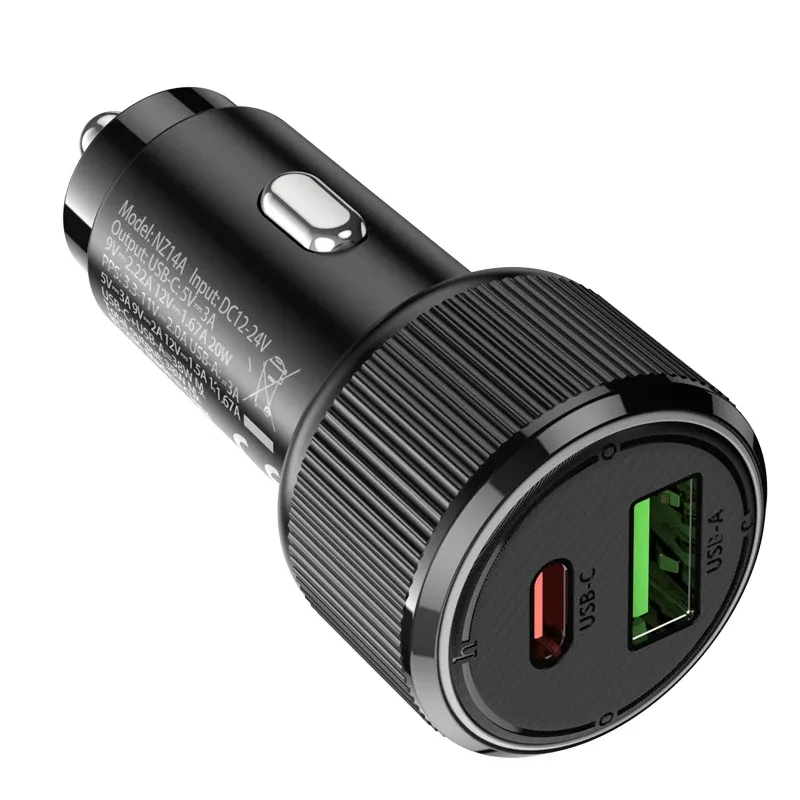
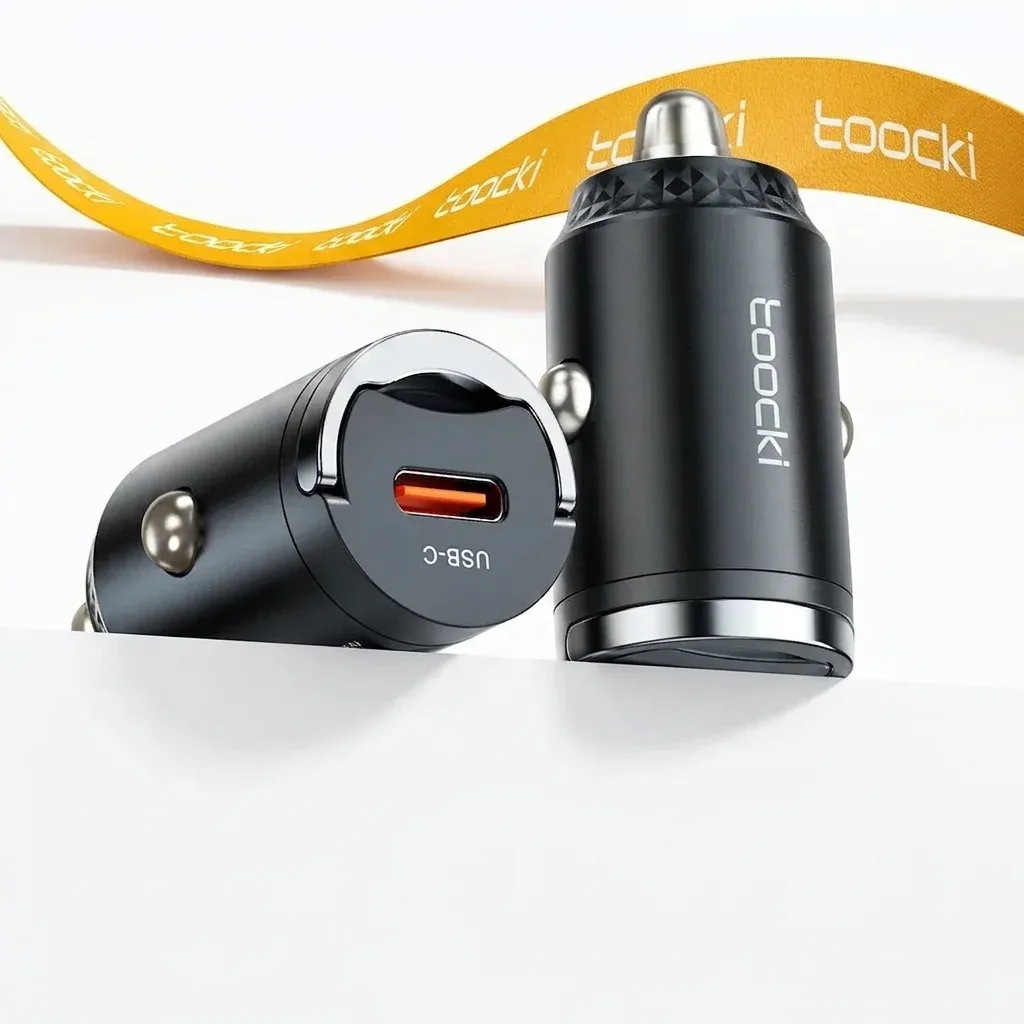
At 64 x 31 mm and about 25 g, the NZ14A stays visually discreet in the lighter socket and does not add much bulk around the console. The aluminum alloy and flame-retardant PC shell should also feel more substantial than soft plastic chargers, with a cooler, firmer finish when you handle it.
That compact shape matters in cars where the charging area sits close to gear selectors, cup holders, or storage trays. It is the kind of detail you notice after a week of use, especially if you leave the charger installed full-time and want the cabin to stay uncluttered.
Safety and certification for everyday driving
RoHS and CE certification give the NZ14A a more credible baseline than unbranded car chargers with vague claims. The absence of any high-concern chemical listing is also reassuring for a product that sits in a hot car environment for long periods.
Users who left feedback were uniformly positive, with a 5/5 average across 17 reviews, and the comments repeatedly point to solid build quality. That does not replace long-term testing, but it does suggest the charger is meeting expectations where it matters most: stable output and straightforward operation.
Best use cases for this model
- Daily commuting when you need a quick phone top-up before reaching the office.
- Family cars where one passenger uses USB-C and another still uses USB-A.
- Older vehicles that need a compact charger without a bulky charging tower.
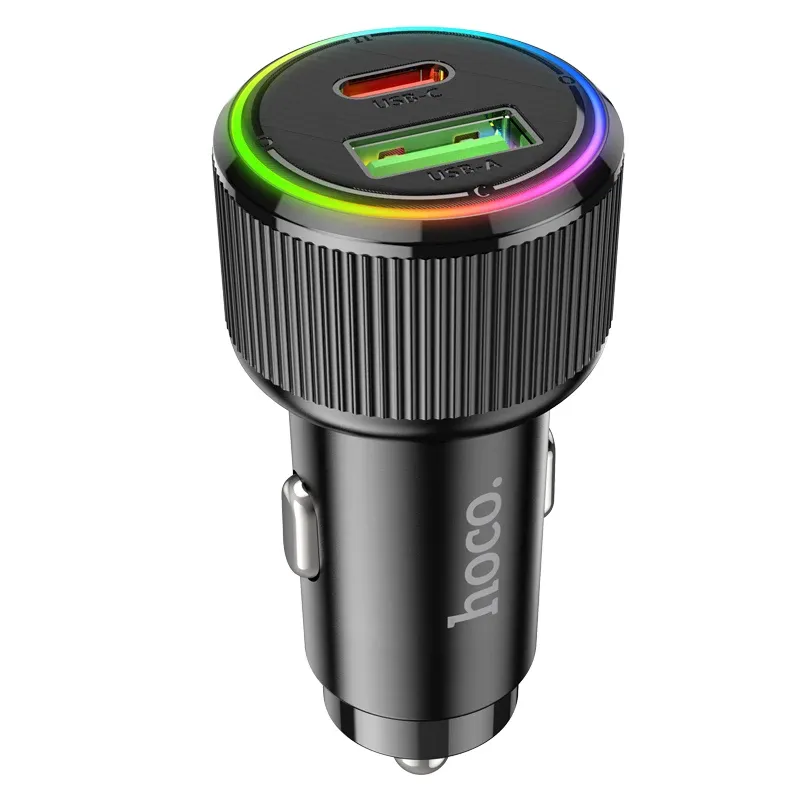
- Drivers who want a neat, low-profile accessory rather than a bright display model.
If you want a car charger that feels sensible rather than overdesigned, this HOCO unit lands in the right place. The interesting part is how much utility it packs into such a small body, and that makes the next question worth asking: where does it fall short?
Where it makes the most sense, and where it does not
The NZ14A is strongest when you need dependable fast charging for one or two phones, not when you are trying to power tablets, laptops, or multiple high-draw accessories. It is also not a GaN charger, so anyone expecting the smallest possible thermal footprint should look at newer premium car adapters.
For the money, though, it covers the core job very well: a compact, certified, dual-port charger with enough speed for modern phones. That combination is why it stands out among low-cost AliExpress car chargers, especially for drivers who want a practical upgrade without extra complexity.