



Choose laser levels by the job, not only the numbers
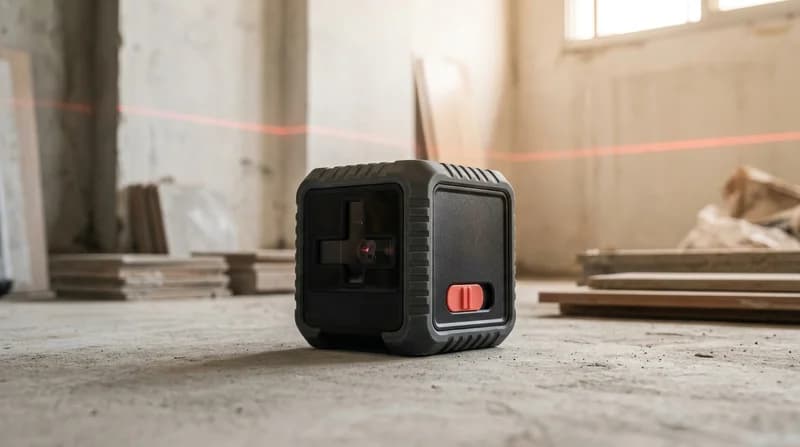
A laser level changes the way a project feels. Instead of squinting at pencil marks and rechecking every corner, you see a bright guide stretch across the wall or floor. That instant visual reference feels calmer and more controlled, as alignment becomes easier to trust.
This category is built for real tasks. Shelves, picture frames, tile runs, cabinet lines, skirting, wall panels, and room layout all ask for different beam patterns. The right unit saves time, as the projected line shows where everything should sit before drilling, fixing, or tiling begins.
If you are comparing other tool types first, it may help to browse Hand Tools, Screwdriver Sets, and Electric Screwdrivers. Yet laser levels do a different job. They guide position and layout before the fastening starts. Which beam pattern actually fits your project best?
Which type suits your project
Cross line models for shelves, frames, and simple wall work
A cross line laser level for shelves and frames is often the easiest starting point. You get one horizontal line and one vertical line, as this makes it simple to center artwork, line up brackets, or keep a row of shelves visually clean.
These models suit smaller rooms and quick indoor tasks. They feel light in the hand, fast to place, and easy to understand at a glance. For everyday DIY alignment work, a compact laser level for DIY alignment work often feels less intimidating and more practical.
360 line models for floors, tiles, and full room layout
A 360 laser level for tile and floor layout creates a continuous reference around the room. That matters for tile courses, floor leveling checks, and cabinet runs, as you can follow one consistent line rather than shifting the tool again and again.
This style often feels more professional during renovation tasks. You can walk the room, look across multiple surfaces, and keep the whole layout visually connected. The result is a smoother workflow and fewer awkward corrections later.
Multi line units for cabinets and more complex fitting
A multi line laser level for cabinet installation helps when one surface is not enough. Extra vertical and horizontal lines make it easier to transfer alignment from wall to corner to ceiling, as the layout stays readable from more angles.
For kitchens, storage walls, and renovation work with several fixing points, this added guidance can feel like a quiet second pair of hands. You move with more confidence, and the room starts to look properly planned even before the final pieces are fitted.
What matters most when comparing models
Brightness and indoor visibility
A bright laser level for renovation tasks is worth serious attention. A faint beam can disappear against pale paint, glossy tile, or sunlit rooms, as indoor visibility changes more than many shoppers expect.
A green laser level for indoor wall mounting is often easier to notice with the eye. The line appears sharper and quicker to follow across walls, which can reduce hesitation during setup and help you place fittings with steadier hands.
Self leveling behavior
A self leveling laser level AliExpress Singapore shoppers choose should settle quickly and clearly. This matters, as a tool that levels itself within a useful range cuts down on fiddly adjustments and repeated checking.
When the unit warns you that the surface is too far off level, that is helpful rather than annoying. It protects the final result, as it stops you from trusting a line that should not be trusted.
Mounting flexibility and included support
A laser level with tripod for home projects can make setup much easier. Tripods, magnetic mounts, wall brackets, and threaded bases matter, as the best beam in the world still needs to sit at the right height and angle.
If you expect to work across rooms, floors, and different wall heights, mounting options shape the whole experience. You may also want to explore Power Tool Accessories and Tactical Flashlights for project support gear that helps in dim corners and detailed fitting work.
Costly mistakes to avoid when choosing laser levels
The first mistake is choosing by low price alone. That can look smart at first, yet a weak beam often feels frustrating indoors, as the line becomes hard to see across larger rooms or brighter walls.
The second mistake is picking the wrong line pattern. A basic cross line model may be perfect for frames, yet it can feel limiting for floor layout or full wall tiling, as those jobs often need 360 coverage.
The third mistake is ignoring self leveling range and mount options. A laser level that takes too long to position or cannot sit where you need it slows the whole project, as every adjustment breaks your rhythm.
The fourth mistake is overlooking batteries, durability, and included accessories. Frequent renovation work asks more from the tool, as repeated setup, transport, and long sessions can expose weak design choices very quickly.
How to match the right laser level to your room
For wall mounting and decor
If your goal is shelves, mirrors, curtain rails, or picture walls, start with a green laser level for indoor wall mounting or a cross line model. These options keep the visual guide clean and direct, as you usually need fast horizontal and vertical reference rather than full room coverage.
For tiling and flooring
For bathrooms, kitchens, and larger floor areas, a 360 laser level for tile and floor layout usually makes more sense. You can scan the room with your eyes and keep every run consistent, as one continuous line is easier to trust than several separate checks.
For renovation and fitted units
For cabinets, partition work, and more involved layout tasks, a bright laser level for renovation tasks or a multi line laser level for cabinet installation is often the stronger choice. These models support more complex positioning, as the projected lines help you carry alignment from one surface to another.
Planning a broader setup around the work area? You can also explore Heat Guns, Multimeters, Soldering Kits, and Lighting for renovation support. One smart question remains: do you need a simple guide for one wall, or a full visual grid for the whole room?
Why these tools feel different from ordinary measuring tools
Tape measures and rulers give point to point readings. Laser levels project a live reference you can actually see across the working surface, as the line stays in view while you move, step back, and judge the placement from different angles.
That visual feedback changes the project mood. You hear fewer stops and restarts, feel less uncertainty in your hands, and see cleaner alignment before making permanent holes or cuts. On the Chinese marketplace, that task based approach helps narrow the options far faster than chasing specifications alone.
Whether you are browsing on the platform for a compact starter unit or a more advanced room layout tool, focus on the job first. The best choice is the one that makes your next shelf, tile run, or cabinet line look straight with less effort, as that is what turns a home project into a finish you feel proud to show.