



Choose a multimeter by the job you actually want to solve
A multimeter is not just another tool in the drawer. It is the tool that tells you what is happening before you loosen a screw, replace a fuse, or open a device. That matters, as clear readings can save time, avoid wrong parts, and help you move with more confidence.
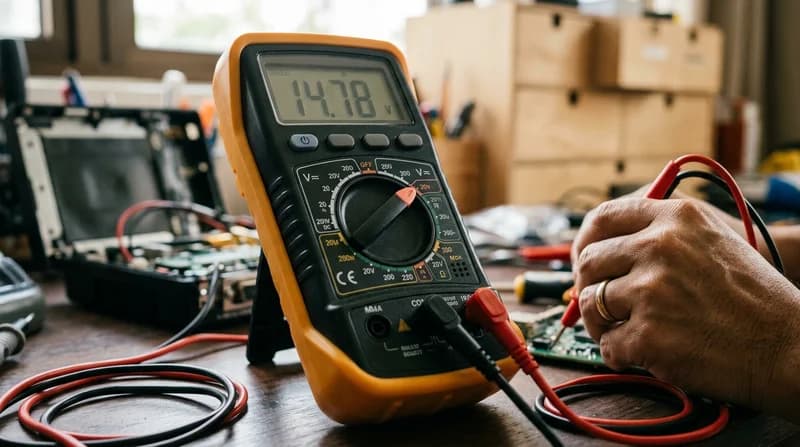
In this section from AliExpress Singapore, the focus is simple. Match the meter to the real task. If you mostly check outlets, switches, and household wiring, look for a safe multimeter for outlet and wire checks with a bright display and clear dial markings. If you work on vehicles, a multimeter for car battery and fuse testing makes more sense, as fast voltage checks and continuity alerts help you find faults sooner.
For small devices and bench work, a portable digital multimeter for electronics repair can feel easier in the hand and easier on the eyes. The right choice depends less on impressive sounding extras and more on what you need to test next. So which features truly matter first?
What to look for when readings need to feel clear and trustworthy
Display clarity
A sharp screen changes everything, as electrical testing often happens in dim corners, under dashboards, or beside crowded workbenches. A backlit display helps numbers stand out quickly. Larger digits reduce second guessing when you glance down mid task.
Range type
An auto ranging multimeter for beginners feels less intimidating, as it selects the measurement range for you. That means fewer dial mistakes and smoother checks when you move from batteries to outlets to continuity tests. Manual range models can still suit experienced users who want tighter control.
Probe quality
Good probes should feel firm, insulated, and easy to place. That tactile confidence matters, as loose or flimsy leads can make a simple reading feel uncertain. When the probe tips sit steadily on a contact point, the result feels calmer and faster.
Core functions
Most shoppers do best with practical basics first.
- Voltage testing for outlets, batteries, and power sources
- Resistance checks for components and wiring paths
- Audible continuity for quick circuit tracing
- Current measurement if you truly plan to use it
- Hold function for awkward angles and tight spaces
A digital multimeter for household repairs should make common checks easier, as everyday convenience often matters more than advanced laboratory style functions.
Best multimeter types for home, car, and bench work
For household electrical checks
If your main jobs involve sockets, light fittings, switches, and extension leads, choose a model built for home electrical testing, as safety markings, readable voltage display, and continuity alerts support quicker decisions. You want the screen to look clean, the dial to click clearly, and the casing to feel solid in the palm.
For car battery and fuse testing
Vehicle faults often start with simple questions. Is the battery weak. Is a fuse blown. Is power reaching the right point. A multimeter for car battery and fuse testing helps answer those quickly, as direct voltage checks and continuity testing reveal hidden issues without guesswork.
If you also keep other garage essentials nearby, it can help to explore car accessories, car lights, and GPS trackers for a more complete setup.
For electronics repair and hobby work
Smaller circuits need precision and control. A portable digital multimeter for electronics repair suits desks and workbenches well, as compact size and stable probes make it easier to test boards, connectors, and low voltage components. If repair is part of your routine, you may also want soldering kits, screwdriver sets, or USB hubs for bench organisation.
The Chinese marketplace brings all these use cases together in one place. But there is one area many shoppers overlook, and it can shape the whole experience.
Costly mistakes to avoid when choosing AliExpress Multimeters
The wrong multimeter does not just feel disappointing. It can slow the job, blur the reading, and make testing feel more stressful than it should.
- Choosing by price alone. A low cost meter can still be poor value, as missing continuity, current, or battery testing may leave you unable to finish the job.
- Ignoring safety rating and build quality. This is a serious mistake for mains checks, as weak casing and poor probes can make high voltage work feel risky.
- Picking a cluttered screen or awkward dial. Fast reading matters, as electrical faults rarely appear in perfect lighting or comfortable positions.
- Overpaying for advanced functions you will never touch. Practical features like backlight, hold, and audible continuity often matter more for daily use.
The platform offers many options, which is helpful. It also means a little filtering goes a long way, as the best meter is the one that fits your real tasks, not the longest specification sheet.
How the right multimeter changes the repair experience
When a meter suits the job, the whole process feels different. You see the numbers clearly. You hear the continuity beep without hesitation. You hold the probes with a steadier hand. That mix of visual clarity, audible feedback, and physical control creates a stronger sense of self reliance.
An electrical tester meter for diy use should reduce doubt, as the goal is not only measurement. The goal is calm action. You test a wire and know whether it is live. You check a battery and know whether it is drained. You trace a fuse and know whether the circuit is broken.
That is why this category stands apart from general hand tools or even electric screwdrivers. Those help you open, fasten, or assemble. A multimeter helps you understand first. And once you understand, the next step gets easier.
If your projects stretch into workshop tasks, you might also browse laser levels, heat guns, or power tool accessories. Yet for diagnosis, the meter is often the smartest first choice.
Find the meter that matches your confidence level
If you are just starting, choose an auto ranging multimeter for beginners, as it removes extra setup friction and helps you focus on the result. If you already know your way around circuits, you may prefer a model with broader measurement options and a layout tuned to faster workflow.
Either way, the best picks from the global marketplace are the ones that make testing feel simpler, clearer, and safer for the jobs you actually do. Start with your most common task. Home outlet checks. Car battery testing. Small electronics repair. Then let the right functions support that task naturally.
Once you know what you need to measure, the choice becomes much easier. And that raises the final question. Which type fits your next repair best?