







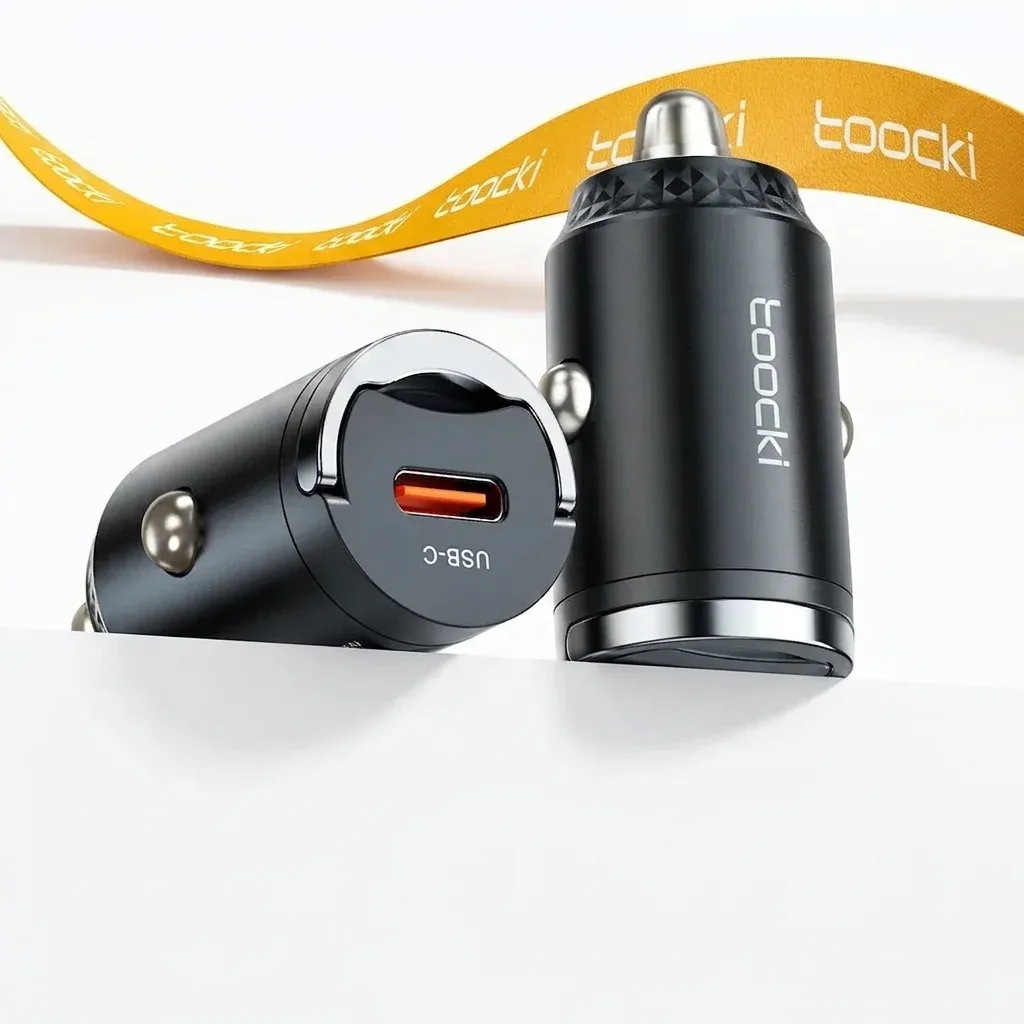


Fast charging without clutter in the cabin
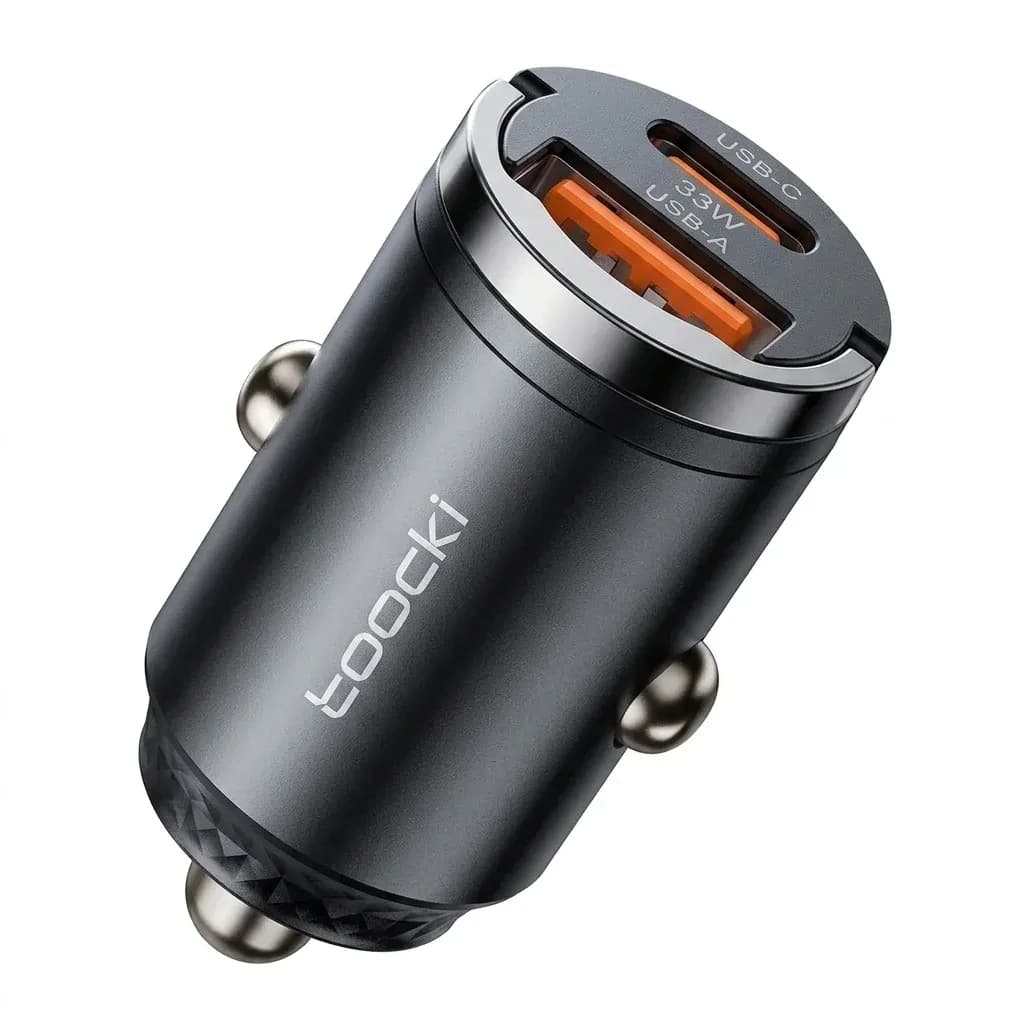
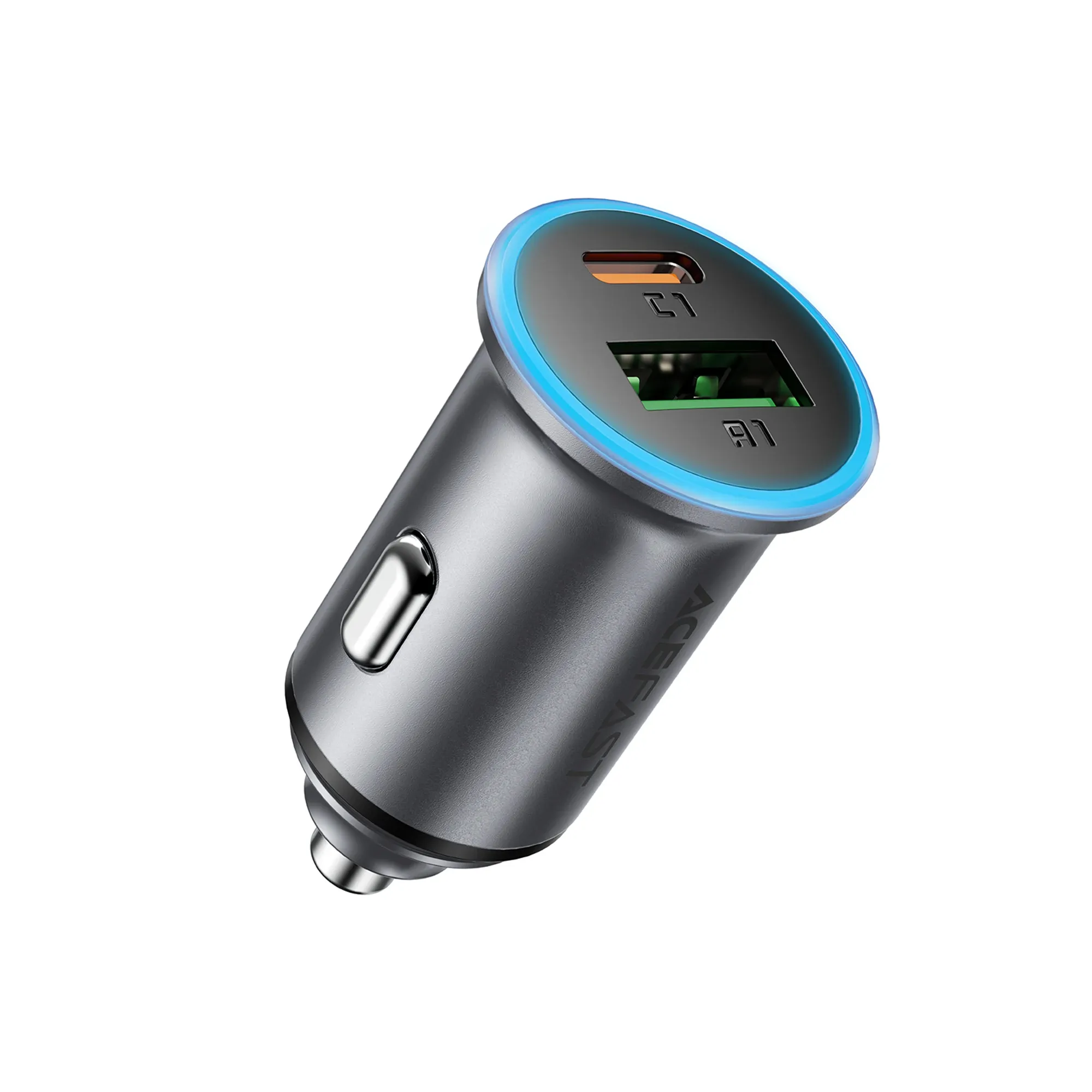
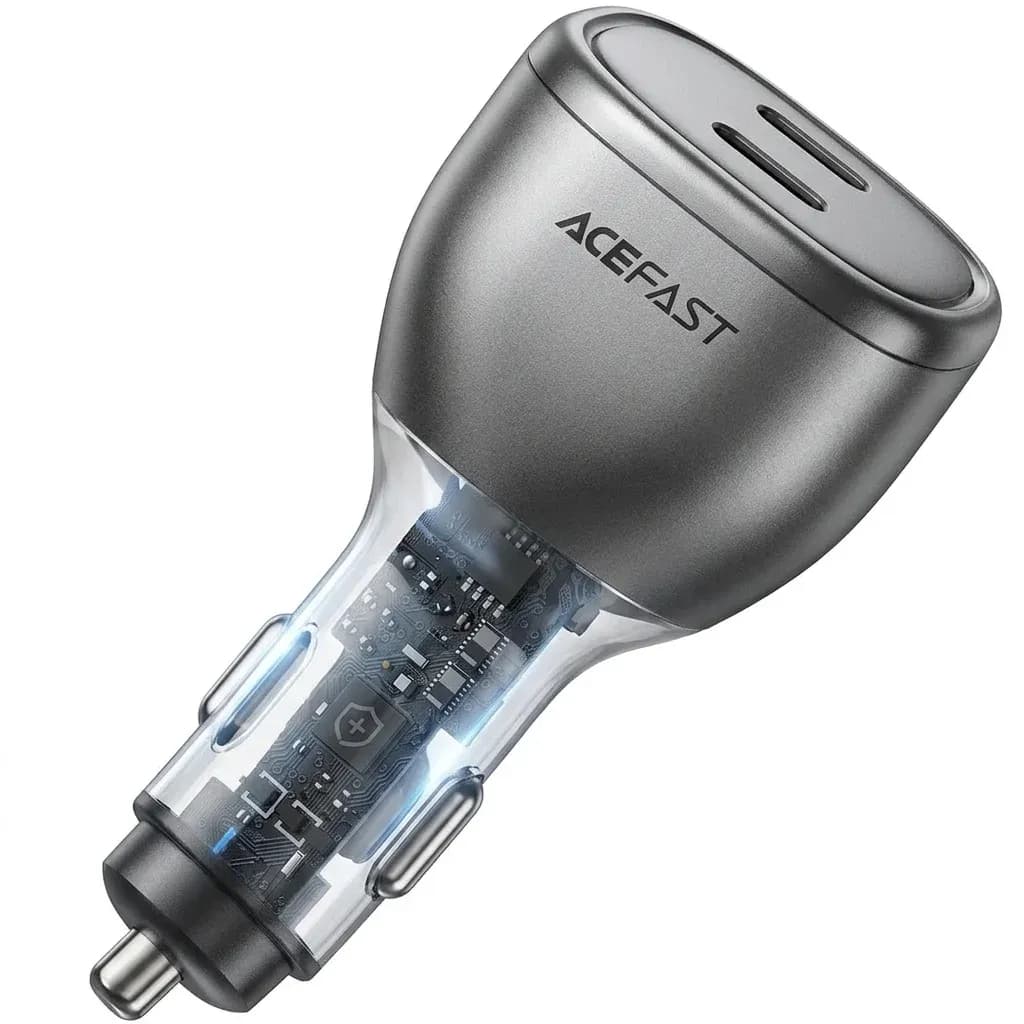
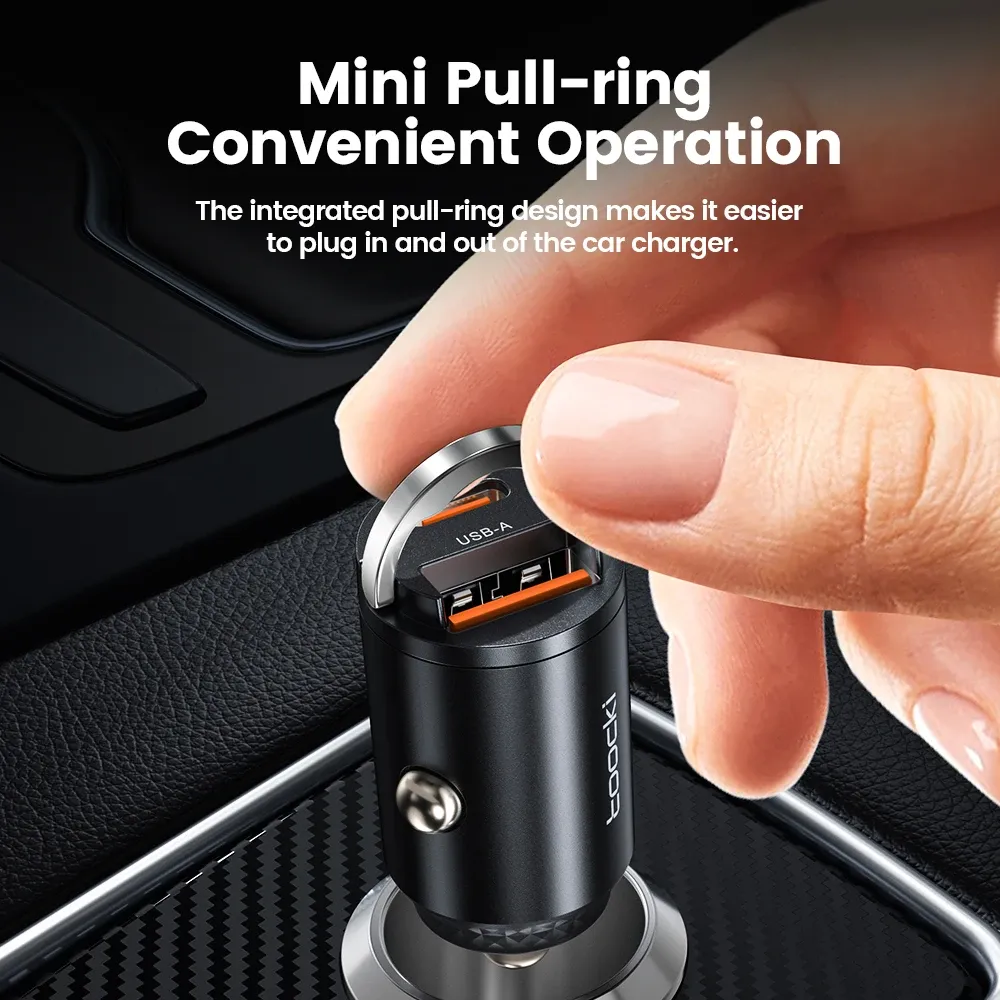
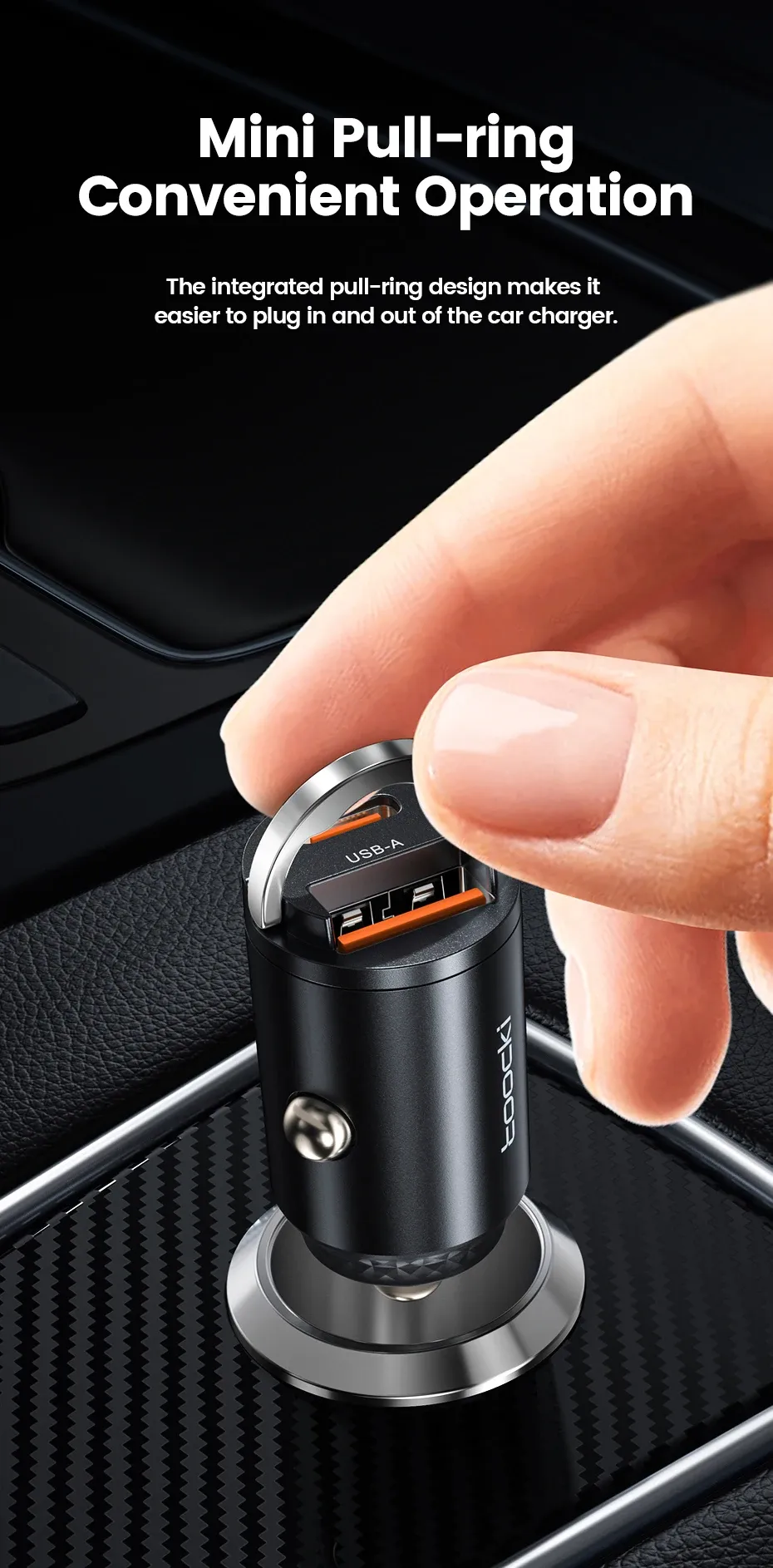
This charger solves a familiar problem: keeping a phone powered during short drives without adding bulky hardware to the dashboard. Toocki’s compact format and pull-ring design make it easier to remove from the socket, which matters when you switch cars often or use a tight centre console.
As a brand, Toocki has built a solid reputation in the AliExpress ecosystem for practical power accessories that focus on compatibility and clean industrial design. It is not a flashy label, but it is known for offering sensible charging gear with CE, FCC, and RoHS markings, which helps explain why this model attracts attention at entry-level pricing.
33W output in real driving conditions
The headline 33W rating is most useful for fast top-ups rather than full-speed laptop-style charging. In practice, that means a compatible phone can gain a meaningful amount of battery during a commute, especially on devices that support PD or QC protocols.
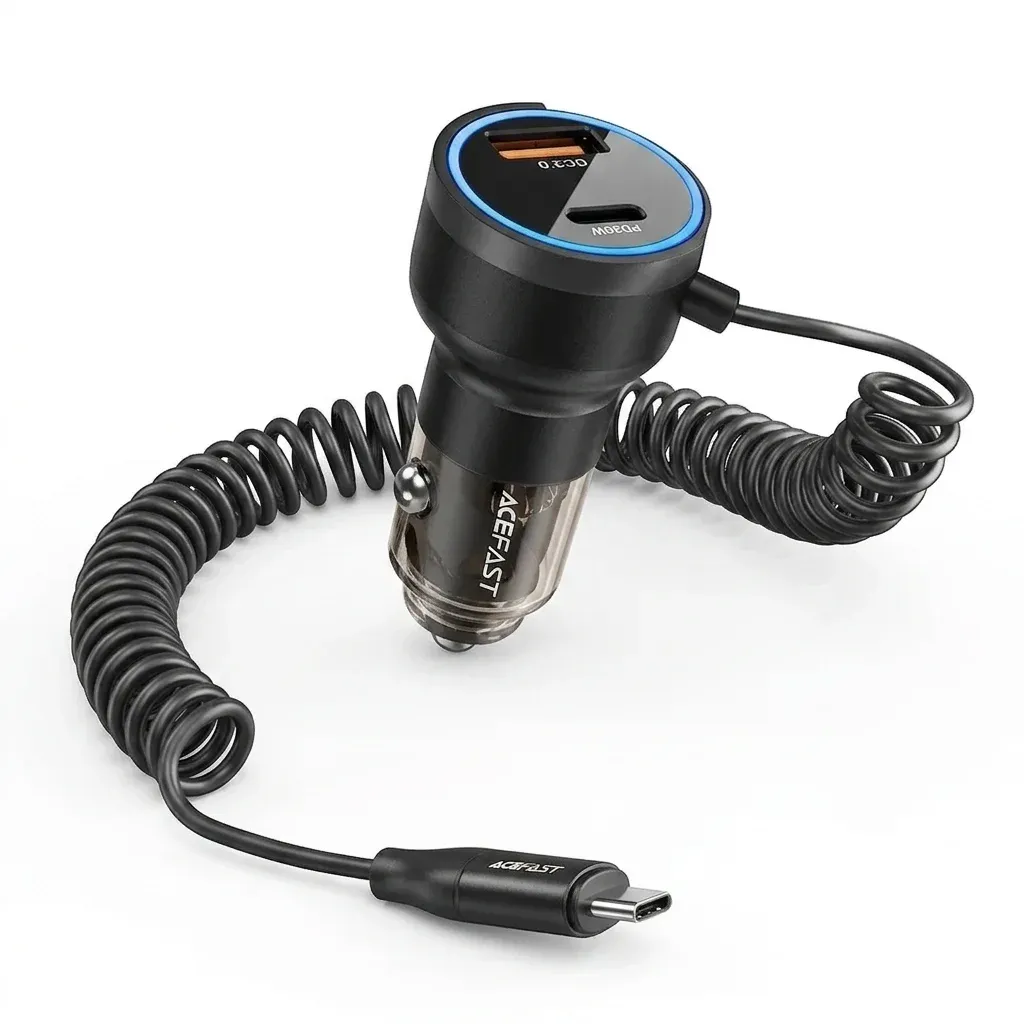
The product description also points to a PD 30W path, so the best results come from pairing it with a capable USB-C cable and a phone that can negotiate fast-charge protocols properly. If your route is usually 15 to 30 minutes, this kind of charger is more useful than a basic 10W adapter, and that difference becomes obvious on the battery icon.
Dual-port flexibility for two-device households
With USB-C and USB-A output, the charger is suited to mixed-device setups where one passenger uses a newer phone and another still relies on a standard cable. That is a practical advantage over single-port models, because it reduces the need to keep multiple adapters in the glove box.
The listing suggests support for a wide range of phones and tablets, including iPhone series, Samsung Galaxy S and Note models, Xiaomi, Huawei, Redmi, and iPad family devices. Users should still remember that the fastest result depends on the cable and the device’s own charging protocol, so compatibility is broad, but speed is not identical across every device.
Stability over bumps and road vibration
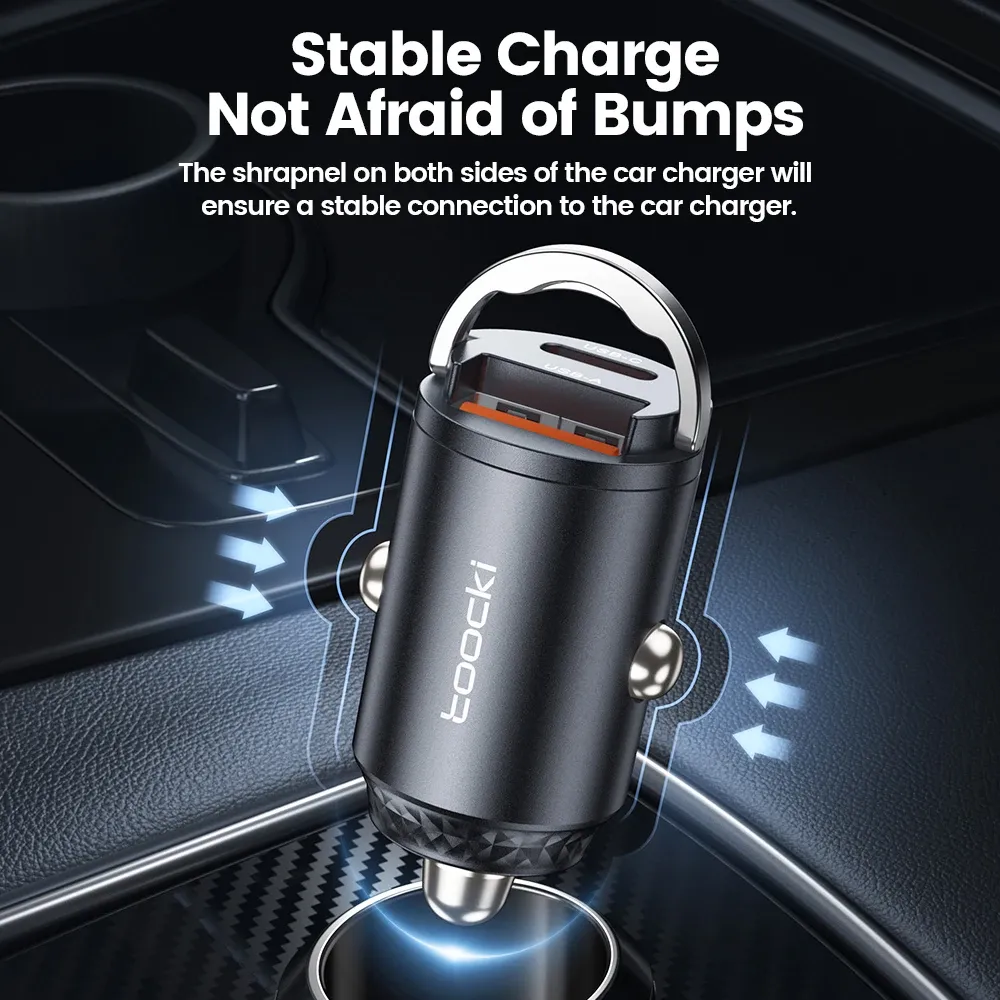
One of the more useful claims here is stable charging under bumps, which is not a minor detail for a car accessory. A loose charger can interrupt power delivery on uneven roads, so a firmer fit and the pull-ring body design help this model feel more secure in daily use.
That matters most for ride-hailing drivers, commuters on rough streets, and anyone who keeps navigation running while the screen stays bright. According to the small batch of real reviews, users found it acceptable overall, though one order issue was reported, so the product itself looks capable while the buying experience may vary.
Who gets the most value from it?
This charger makes the most sense for drivers who want a cheap, no-fuss power solution for phones and tablets rather than a premium in-car hub. It is also a sensible backup accessory because the price is low enough to keep one in a secondary vehicle without much hesitation.
If you want a built-in display, cable management, or multi-device power monitoring, you will need a higher-tier model. If your goal is simply to keep a handset alive during errands, school runs, or navigation-heavy trips, this one covers the essentials without overcomplicating the cabin, so what should you check before getting it?
- Use a PD or QC-capable cable to unlock faster charging.
- Choose the USB-C port for newer phones when possible.
- Expect the best performance on short drives and commuter routes.
- Check socket depth if your car has a tight 12V port.