







Compact power for phones, tablets, and travel kits
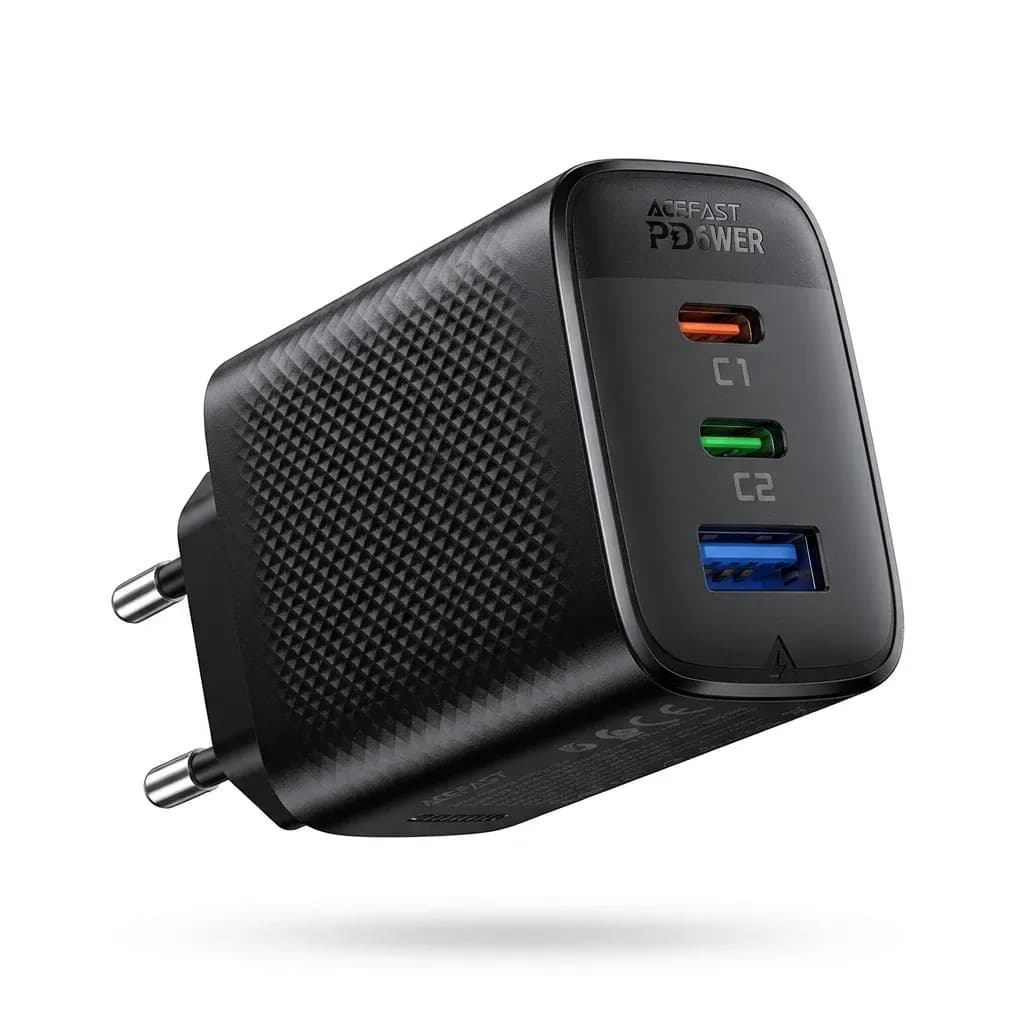
The problem this charger solves is simple: too many devices, too few wall sockets, and too much waiting. ACEFAST answers that with a 67W GaN design that fits into a small EU-plug body, so you can keep a phone, tablet, or even a light notebook moving without carrying a bulky brick.
ACEFAST has built a solid reputation in the AliExpress Singapore niche for making chargers that feel more refined than the average marketplace accessory. The brand’s appeal comes from clear power ratings, multi-protocol support, and compact hardware that usually looks and feels more premium than its asking level suggests, so how does the A108 use that advantage?
67W on USB-C, with real flexibility across three ports
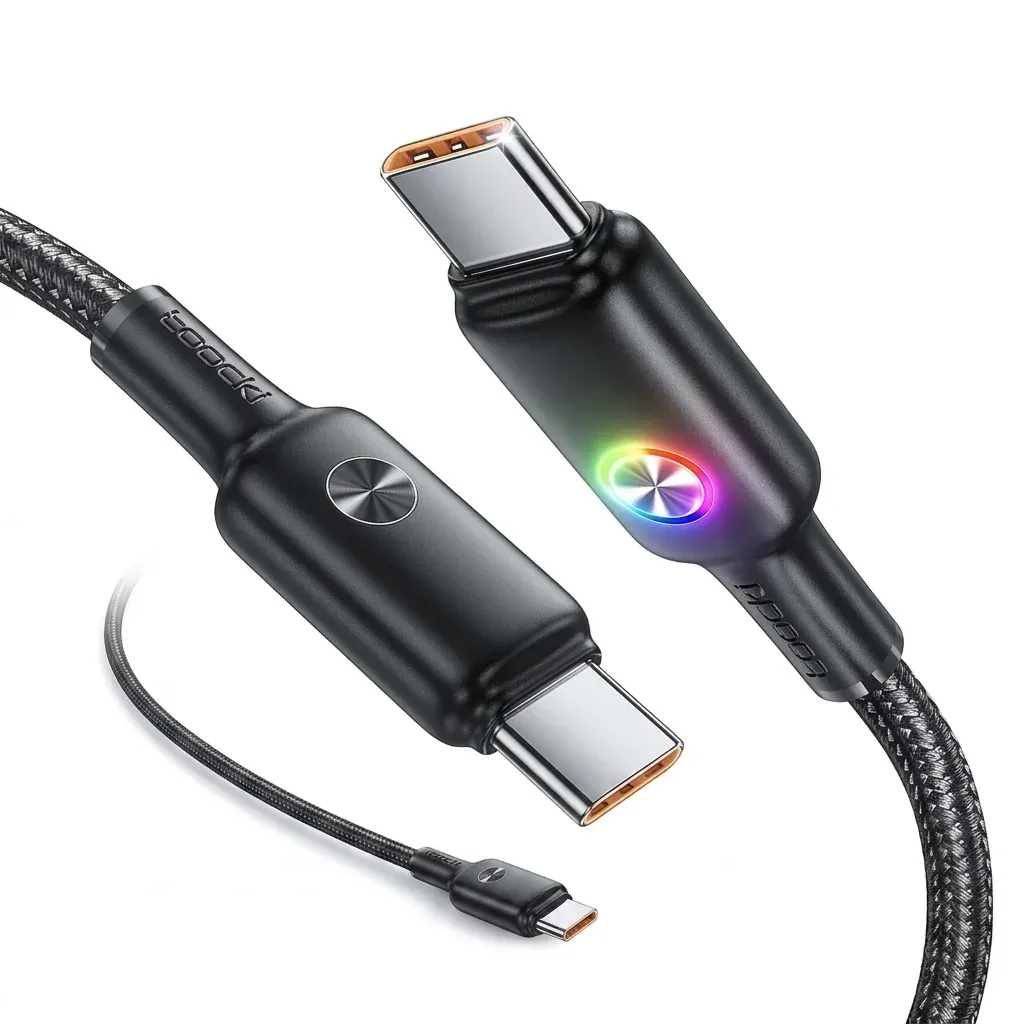
The headline feature is the pair of USB-C ports, each rated up to 67W when used alone. In practice, that means a phone can charge quickly while a tablet or USB-C laptop accessory gets enough power to stay useful, and the charger does not force you into a single-device routine.
The port layout is where the A108 becomes more interesting than a basic fast charger. With USB-C1 + USB-C2 at 45W + 20W, or USB-C1 + USB-A at 45W + 18W, it can split power in a way that suits mixed-device desks, hotel rooms, and airport lounges, which setup would fit your routine best?
Why GaN matters in a pocketable EU plug charger
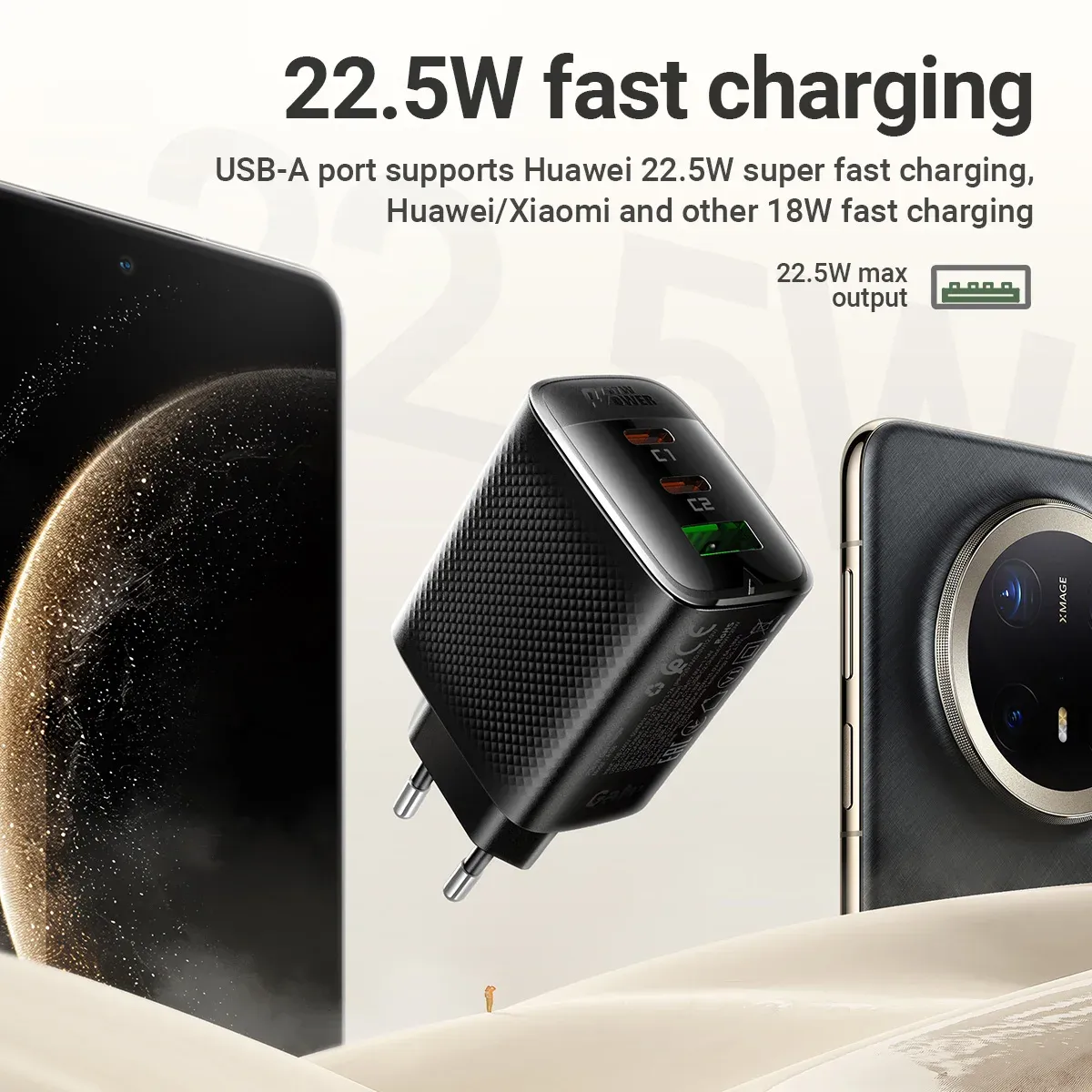
GaN technology is not just a spec badge here; it is what keeps the charger relatively small at 88.8 x 45 x 31 mm and 135 g. That size makes a difference in a travel pouch, where a dense but compact charger is easier to pack than a traditional high-wattage adapter.
Users also tend to notice the thermal behavior, and the available feedback points in the right direction: customers describe it as compact, heavy enough to feel solid, and only mildly warm during use. That combination suggests a charger designed for practical daily handling rather than a flashy shell, so what about compatibility?
Broad protocol support for mixed-brand charging
The A108 supports USB PD, Qualcomm Quick Charge, Samsung Adaptive Fast Charge, Huawei FCP, and related protocols, which is useful if your household runs on different phone ecosystems. That kind of compatibility reduces the chance of getting a fast charger that works well with one device and disappoints on the next.
The original listing also highlights support for iPhone 16-series 15V/3A charging, which is a useful clue for buyers who want a charger that keeps newer Apple devices in their fast-charge window. For Android users, the 22.5W USB-A port adds a second lane for legacy cables and accessories, so it is not a one-trick wall plug.
Safety and daily handling: what the build suggests
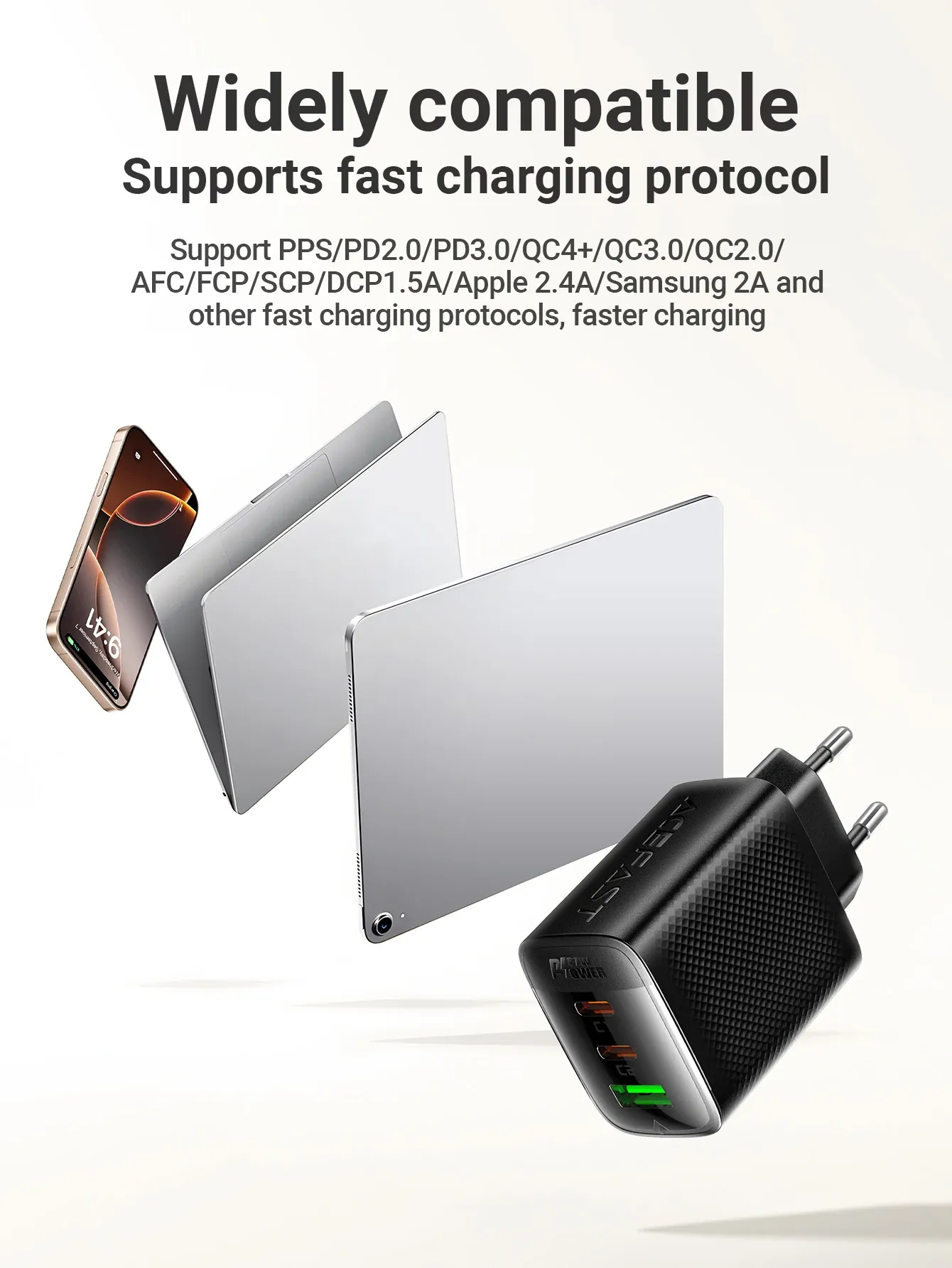
Flame-retardant PC housing, CE and RoHS certification, and a smart protection chip point to a charger aimed at everyday reliability. That matters because a fast charger should do more than deliver watts; it should stay predictable when multiple devices are connected and the load changes.
Real customer feedback is encouraging, with users repeatedly noting quick charging, good build feel, and low heat output. One useful detail from the reviews is that performance can vary by device, which is normal for protocol-based charging, so the strongest results come when the cable and device both support the same fast-charge standard.
Who will get the most from the A108
This model makes the most sense for people who want a single EU charger for a phone-first setup, a tablet, and a second accessory such as earbuds or a power bank. It is also a strong fit for travel bags because the compact body reduces bulk without giving up the convenience of three ports.
If you already use multiple USB-C devices, the dual-C layout is the real advantage, not the USB-A port. If your setup is mostly older cables, the A108 still works, but the value is clearest when you can take advantage of the 67W USB-C output and the split-charging modes, which device would you plug in first?