





Cold-weather traction without the bulky feel
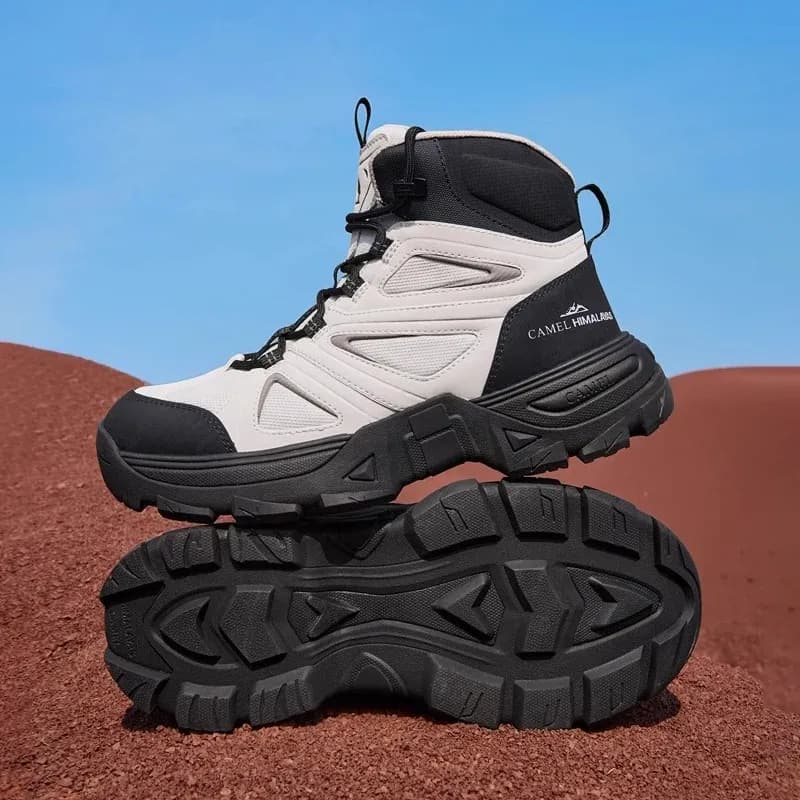
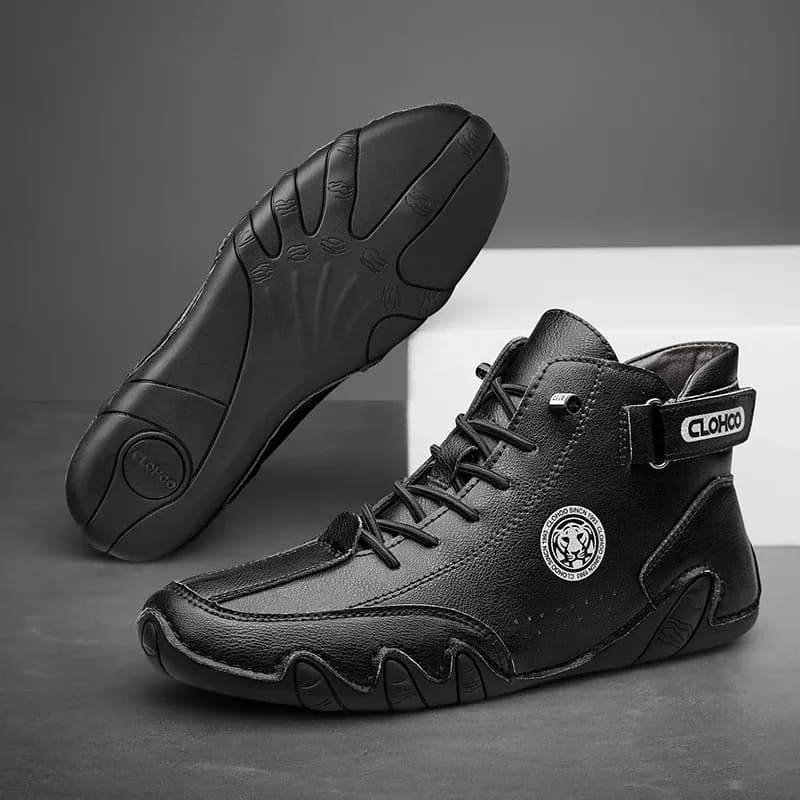
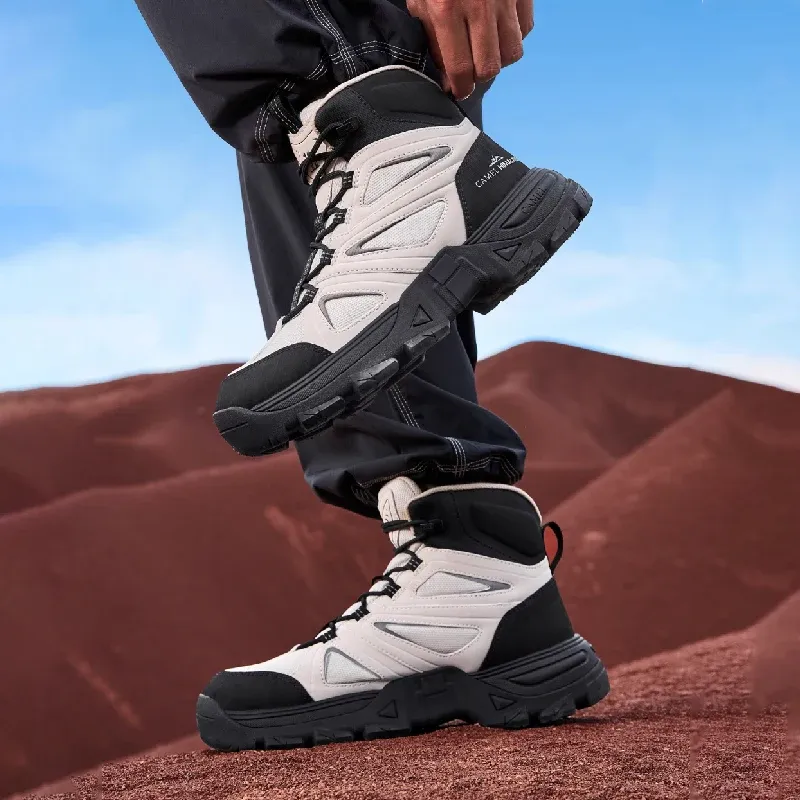
This Camel hiking boot is aimed at one clear problem: keeping winter footing stable when trails, pavements, or campsite paths turn slick. The thick rubber outsole and lace-up build give it the kind of planted feel that matters more than flashy styling.
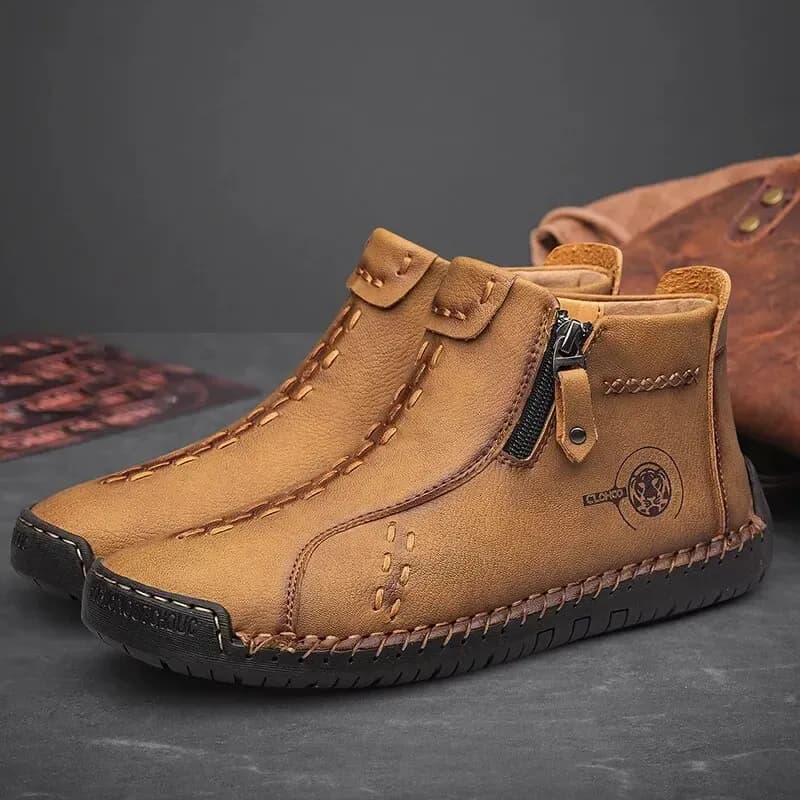
It sits above the ankle, so it offers more coverage than a low-cut trail shoe without feeling as restrictive as a full alpine boot. That middle-ground design is useful for hikers who want support on uneven ground, and it raises an interesting question: how much protection does it really deliver in wet or freezing conditions?
What the rubber sole changes on rough ground
The outsole material is rubber, which is the right call for a boot meant to handle loose dirt, gravel, and winter paths. Rubber usually gives better bite than foam-heavy casual soles, so the shoe should feel more secure when stepping down on wet stone or compacted soil.
There is no metal toe cap, so this is not a worksite safety boot, and that matters if you were expecting industrial impact protection. The design is better understood as a trail-first outdoor boot with anti-slip intent rather than a certified protective boot, which makes the next detail more relevant than it first appears.
Comfort comes from the inside, not just the shell
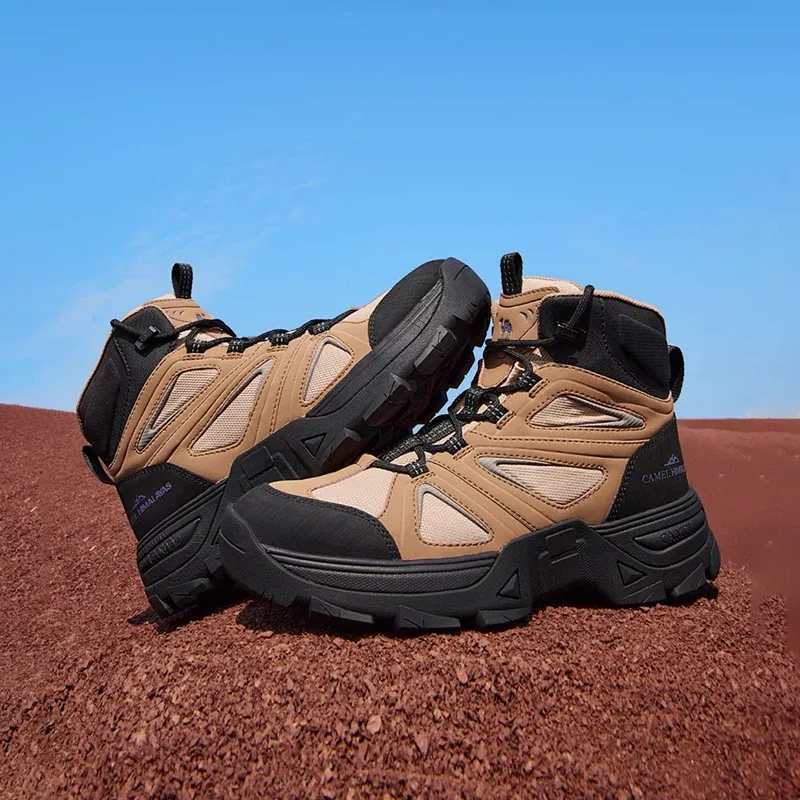
The latex foam insole and cotton lining suggest a softer ride than many stiff mountaineering boots in this segment. According to users, the fit runs true to size, and one reviewer noted a roomy feel that worked well with thicker socks in very cold weather.
That roomy-but-not-loose balance is important for winter hiking, because a boot that pinches the toes can feel colder than the temperature outside. The synthetic upper and polyester construction should also dry faster than heavy leather, though the product is not listed as waterproof, so the next point is worth weighing carefully.
Breathable, but not a rain boot
The listing highlights breathability and height-increasing construction, which points to a boot that tries to balance outdoor function with a slightly lifted stance. Breathable materials can help reduce that trapped, overheated feeling that often builds up during long walks, especially on milder winter days.
At the same time, the boot is explicitly not waterproof, so it is better suited to dry cold, light frost, and winter urban trekking than slushy crossings or steady rain. For shoppers comparing it with waterproof leather hikers, this is the trade-off that defines the model, and it shapes who will get the most from it.
Where this boot fits in an AliExpress hiking setup
For AliExpress Singapore readers, this is the kind of mid-price outdoor boot that makes sense when you want one pair for trail use, city wear, and colder weekend trips. The professional practice level and above-ankle cut make it more serious than a fashion desert boot, yet it avoids the weight and stiffness that can slow down casual hikers.
Real reviews are limited, but the available feedback is strong, with a 5/5 average and comments about warmth, comfort, and fast delivery. That small sample is encouraging, though the lack of waterproofing means the final choice still depends on how wet your routes usually get, doesn’t it?
Best use cases
- Cold, dry hikes on mixed terrain
- Weekend trekking with thicker socks
- Winter city walking with added ankle coverage
- Light outdoor use where grip matters more than full waterproofing