







Wired audio on USB-C phones without the clutter
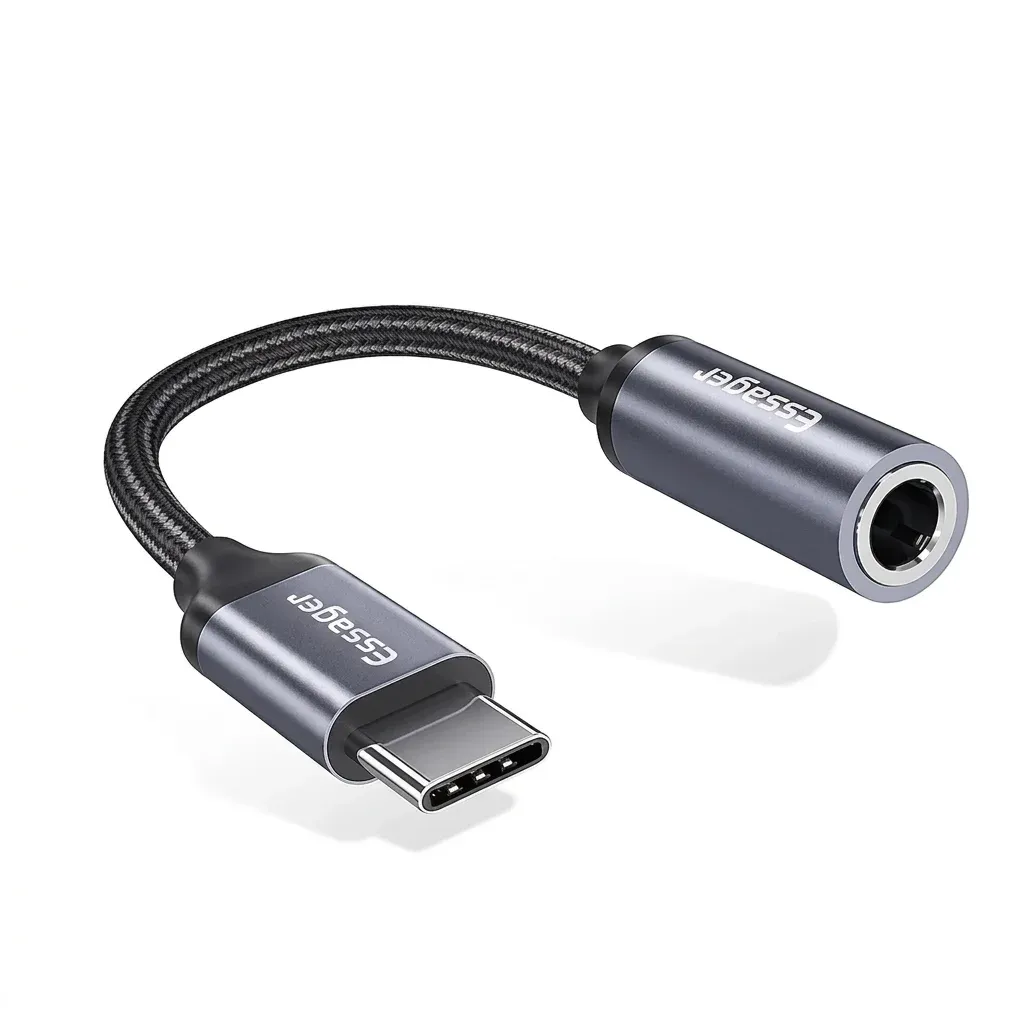
This adapter solves a simple problem: newer phones often drop the 3.5mm jack, but many users still prefer wired headphones for stable sound and zero pairing hassle. Essager keeps the solution minimal, turning a USB-C port into a familiar AUX connection in a format that is easy to carry and easy to forget in a pocket.
That small body is the real advantage here, especially for commuters, students, and anyone who wants a backup audio link in a bag or laptop sleeve. In the AliExpress Singapore niche, this is the kind of low-cost accessory that earns attention when it works cleanly and consistently, so what does the connection actually feel like in use?
What the Type-C to 3.5mm link does in daily use
The adapter is built for transfer sound, which means it is aimed at straightforward headphone and AUX output rather than extra controls or fancy features. With a Type-C connector on one side and a 3.5 mm jack on the other, it gives older headphones, car AUX inputs, and portable speakers a new role on USB-C devices.
Users often judge this type of accessory by whether the plug sits firmly and whether audio stays clear, and the review data points in a useful direction: the product holds a 4.7/5 average from 960 reviews, with most customers describing stable fit and clear sound. A few users mention minor fuzziness or reduced quality, which is the main trade-off to keep in mind when comparing it with a phone that has a built-in analog jack.
Why the CE mark and brand name matter here
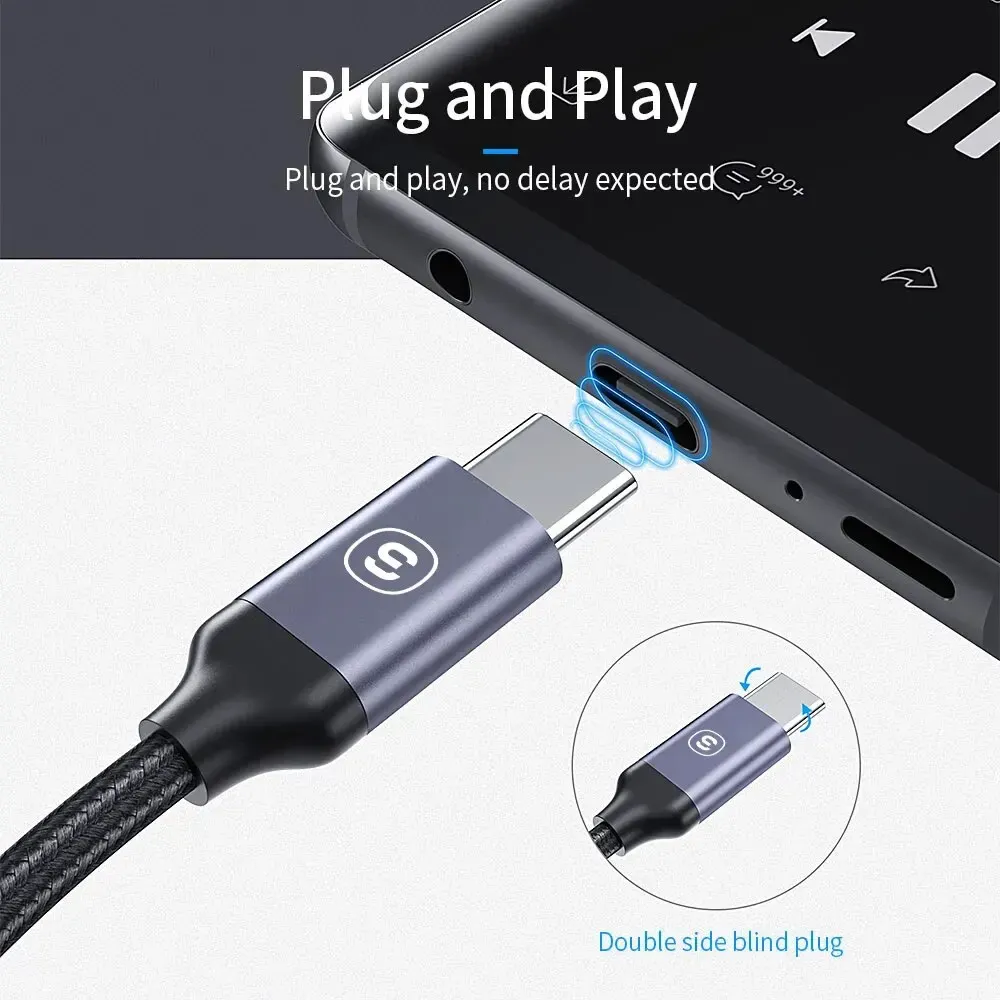
Essager has built a solid reputation in the AliExpress ecosystem for practical, no-frills mobile accessories that focus on compatibility and everyday reliability. That matters in a category crowded with generic adapters, because a recognizable brand usually gives buyers a better starting point for fit, finish, and consistency.
The CE certification also adds a layer of confidence for basic safety expectations, even if it does not change sound character by itself. For a low-ticket audio adapter, that combination is more useful than flashy claims, and it makes the product easier to trust before you even plug it in.
Best use cases: phones, cars, and backup listening
This adapter makes the most sense for Huawei P30, Xiaomi Mi 10, and similar USB-C phones that still need a wired audio path. It is also handy for car AUX systems, where a direct cable often feels more stable than Bluetooth and avoids the delay that can show up during navigation prompts or calls.
If you already own good wired earbuds, this is a cheaper way to keep using them instead of switching to a new wireless set. That is where the value becomes clear: one small cable can extend the life of a favorite headset, but are there any limits worth knowing before you get it?
What to expect from a budget adapter
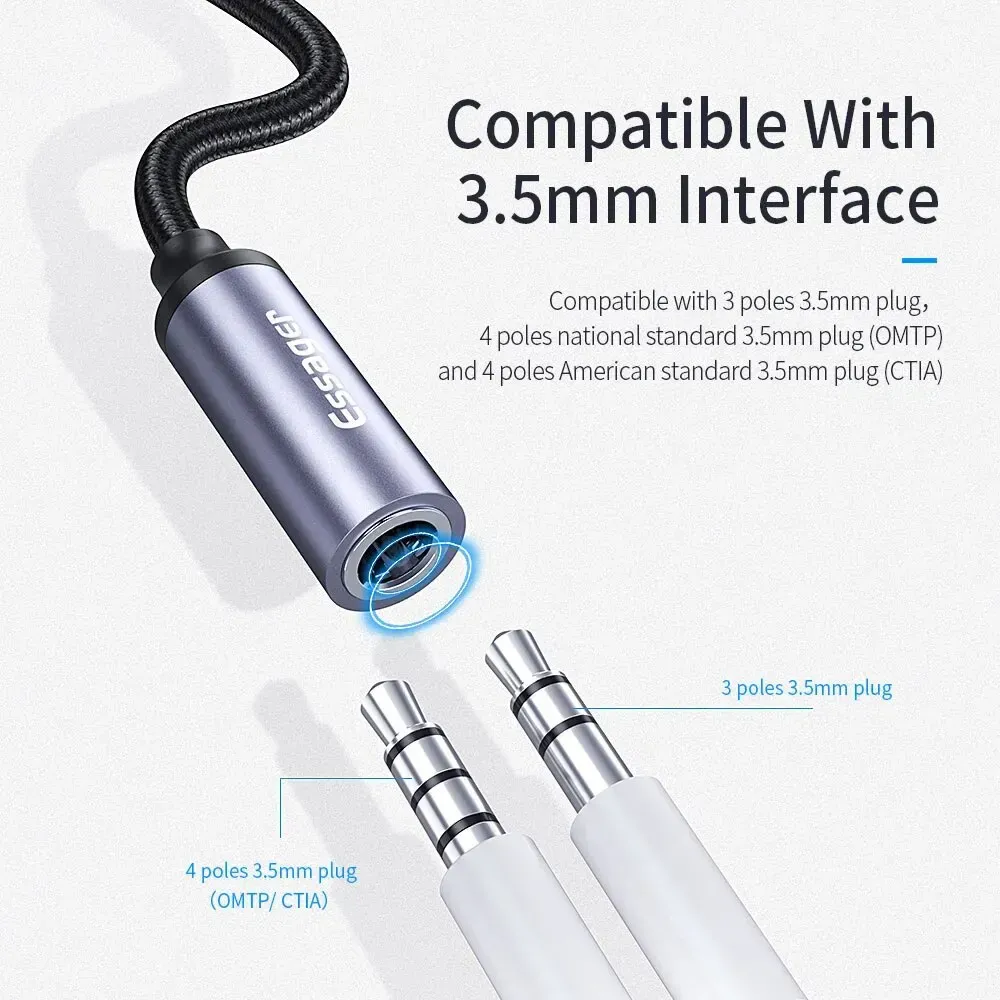
At this level, the product is best understood as a utility accessory rather than an audio upgrade. Some customer feedback notes that volume-button functions on headset remotes may not work as expected, so buyers who rely on inline controls should treat that as the main compatibility question.
The sound path itself is generally described as clear and loud, and that matches what most people want from a simple adapter: reliable playback, a secure connection, and no setup delay. If your priority is everyday listening rather than studio monitoring, this is the right lane for the product.
Small accessory, real convenience
Because it is compact and inexpensive, the adapter works well as a spare for a desk drawer, office bag, or travel kit. It is the kind of item that becomes useful the moment your main audio path changes, which is why many users keep one as a backup instead of relying on wireless audio alone.
For buyers who want a straightforward USB-C to AUX bridge without unnecessary extras, Essager keeps the formula focused. The next question is whether the practical strengths outweigh the few compromises, and the answer depends on how much control you expect from the cable.