





Built for runners who want speed without extra bulk
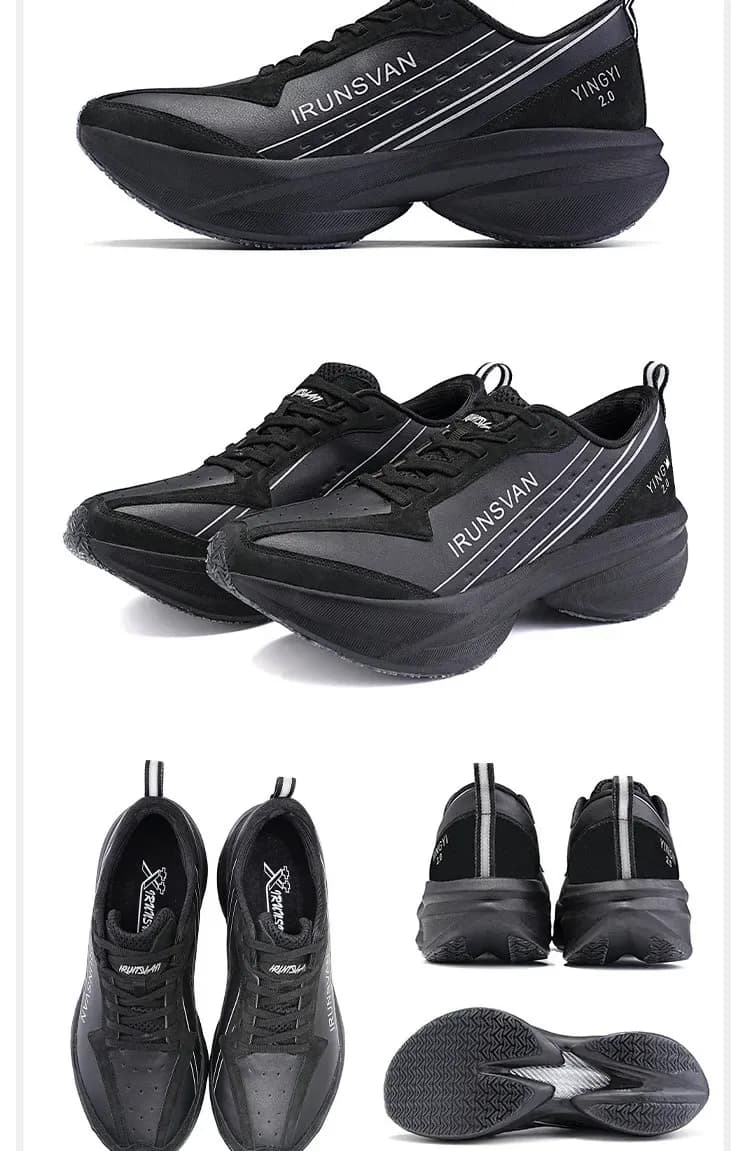
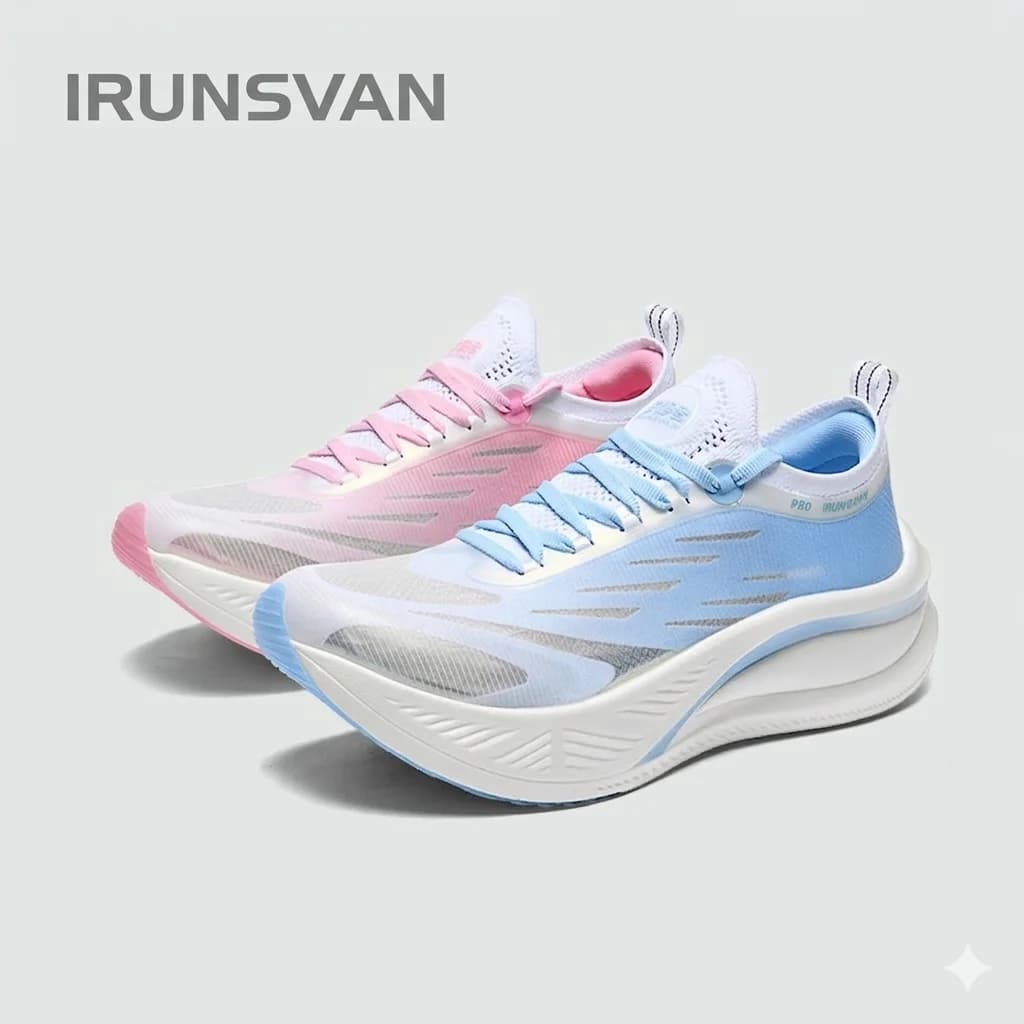
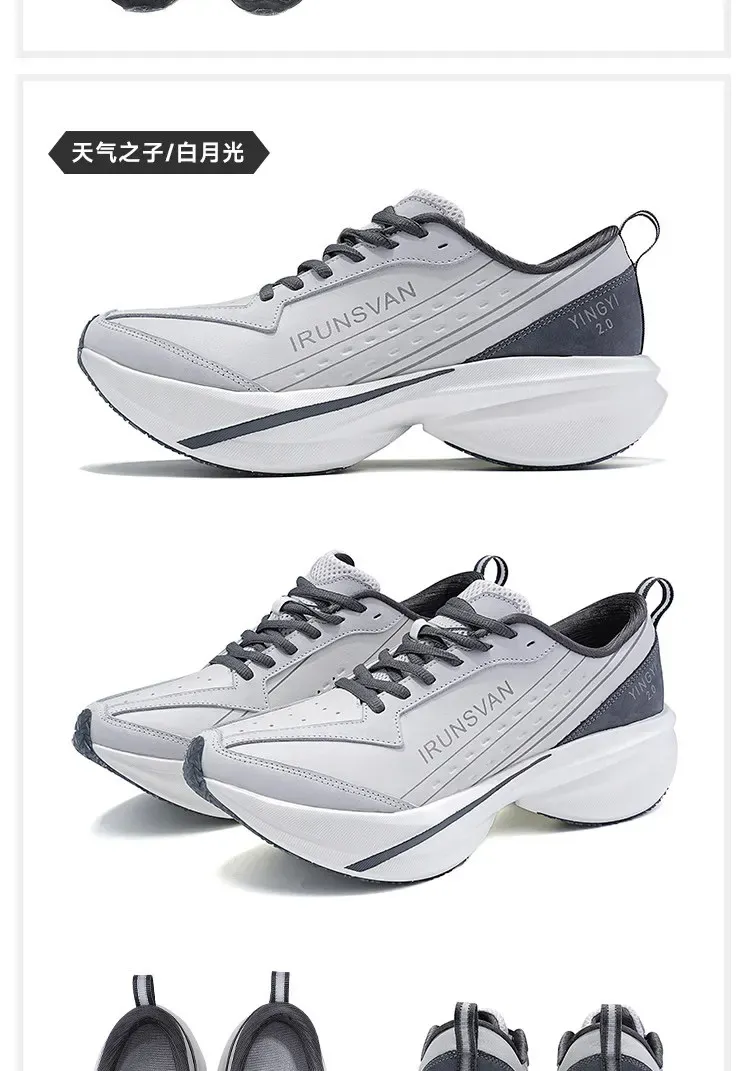
These IRUNSVAN racing shoes are aimed at runners who want a lighter, snappier feel on tempo days and race day. The low-cut profile, mesh upper, and rubber outsole point to a shoe that prioritises fast turnover and easy airflow rather than all-day casual comfort.
IRUNSVAN has built a reputation in the AliExpress Singapore niche for making performance-focused gear with a clear feature set and no clutter. That usually matters most when you want a shoe that feels purposeful from the first step, so what does that translate to in actual running use?
Mesh upper and microfiber build: what you feel on the run
The upper combines mesh with microfiber, which should help the shoe feel airy while still holding shape through the midfoot. In practice, that means less heat build-up during long efforts and a more secure wrap than a purely soft knit upper.
The lace-up closure and true-to-size fit make the shoe easier to dial in for narrow or medium-width feet. Users who dislike sloppy race-day movement will likely appreciate the medium width and the stable, low upper height, but how much support does it really give when pace starts to rise?
Carbon plate performance: where the speed advantage shows up
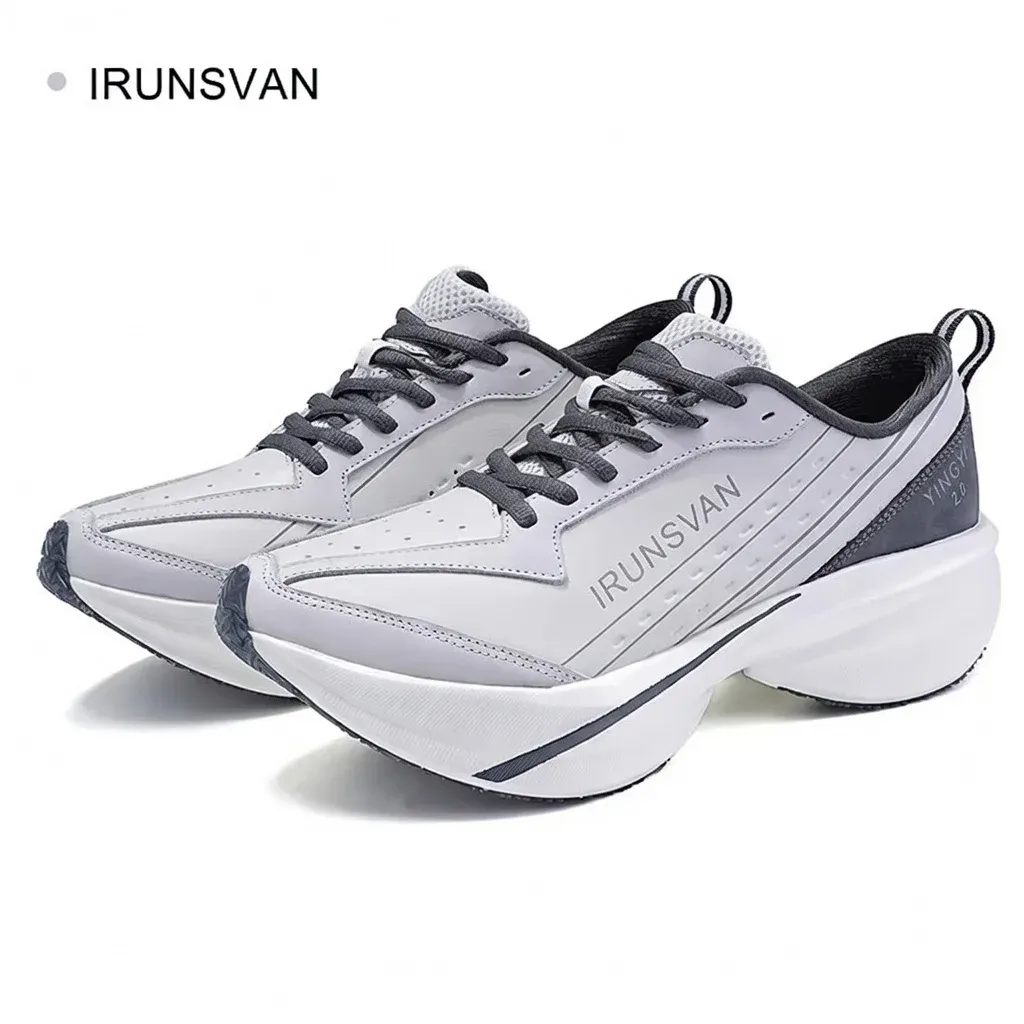
The headline feature is the carbon plate racing concept, which is designed to improve forward roll and make toe-off feel more efficient. That kind of setup is most useful in marathon racing, interval sessions, and fast 10K efforts, where a more rigid platform can reduce the sensation of energy loss.
This is not the same experience as a soft daily trainer, and that is the point. If you prefer a smoother, more controlled ride over plush cushioning, the firmer racing geometry may feel more direct underfoot, especially when you are pushing pace on road surfaces.
Rubber outsole traction on road and track
The rubber outsole should give the shoe a dependable grip on dry pavement and standard track surfaces. Compared with ultra-light race shoes that use minimal rubber coverage, this design is likely to feel a little more durable and less nervous in quick cornering or wet-start conditions.
Because the shoe is not waterproof and has no metal toe cap, it is clearly built for running performance rather than mixed weather or protection work. That makes it a cleaner fit for race kits and training blocks, and it also explains why the outsole choice matters so much for confidence at speed.
Who gets the most from this model?
Runners who already have an easy-day trainer and want a dedicated speed shoe are the clearest match here. According to users of similar carbon-plate models, the biggest gains come when the shoe is reserved for workouts and races instead of being worn for every session.
If you are looking for a softer, more forgiving shoe for recovery miles, this is probably not the first pick. If you want a sharper ride for marathon pace or fast intervals, the design language suggests a focused tool rather than a general-purpose sneaker, which leads to the real question: how should you use it to get the most from it?
Practical buying notes before you commit
The fit is listed as true to size, so most runners should start with their regular running-shoe size unless they prefer extra toe room for long races. Breathability is a strong point here, but the open mesh also means the shoe is better suited to dry conditions than heavy rain or rough off-road use.
With no official selling points or highlights provided, the value comes from the core spec mix: carbon-plate-style propulsion, breathable upper, and a road-ready rubber outsole. That combination makes sense for runners who want a single-purpose speed shoe instead of a do-everything trainer, and the details matter even more once the pace drops at the start line.