





Built for runners who want speed without a harsh landing
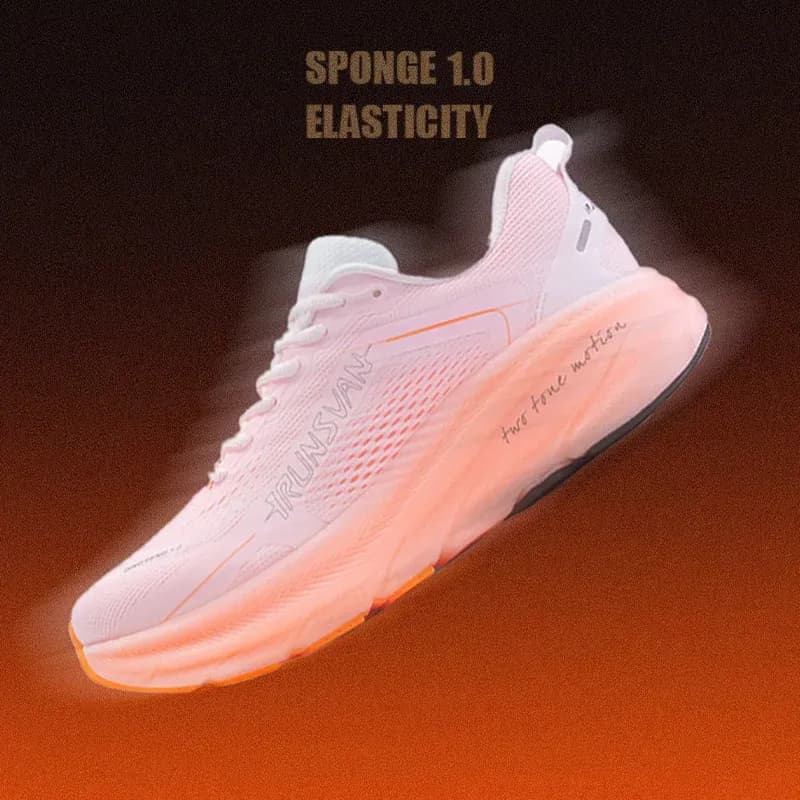
The core problem these shoes solve is simple: long-distance running can feel efficient on the forefoot but punishing on tired legs. IRUNSVAN approaches that balance with a carbon-plate-style setup, a responsive ForMotion platform, and a cushioned EVA insole that aims to soften impact without turning the shoe sluggish.
In the AliExpress Singapore running category, that matters because many budget racing shoes lean too soft or too stiff. This pair is trying to sit in the middle, where marathon runners usually want a bit of rebound, a secure hold, and enough protection to keep the stride stable late in the run.
Mesh upper and low-cut profile: what the fit feels like
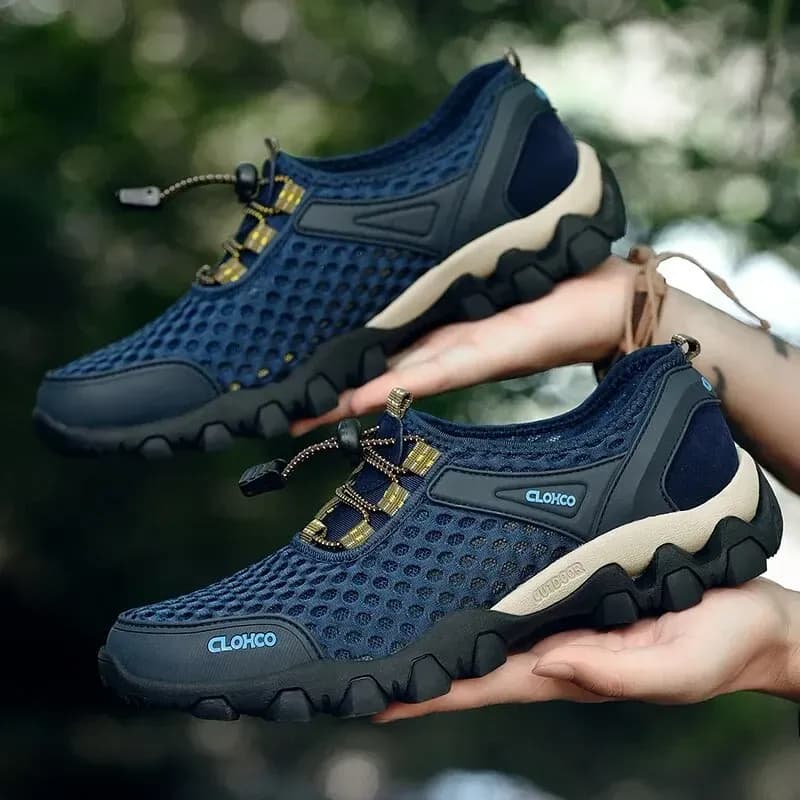
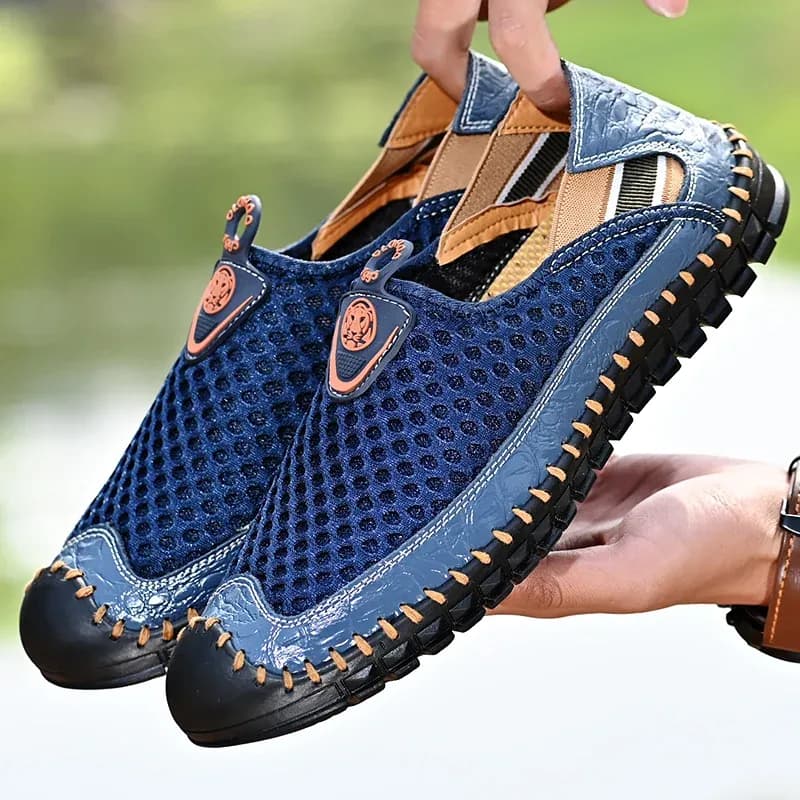
The mesh upper should be the first thing users notice, because it usually means more airflow and less heat build-up on hard efforts. On a long session, that can make the shoe feel lighter on the foot, with a dry, airy sensation instead of a trapped one.
The low upper height and lace-up closure point to a race-oriented fit rather than a bulky training build. Since the shoe is listed as true to size and medium width, it should suit runners who want a close, controlled hold rather than extra room for swelling.
Carbon plate effect and cushioning: where the energy return matters
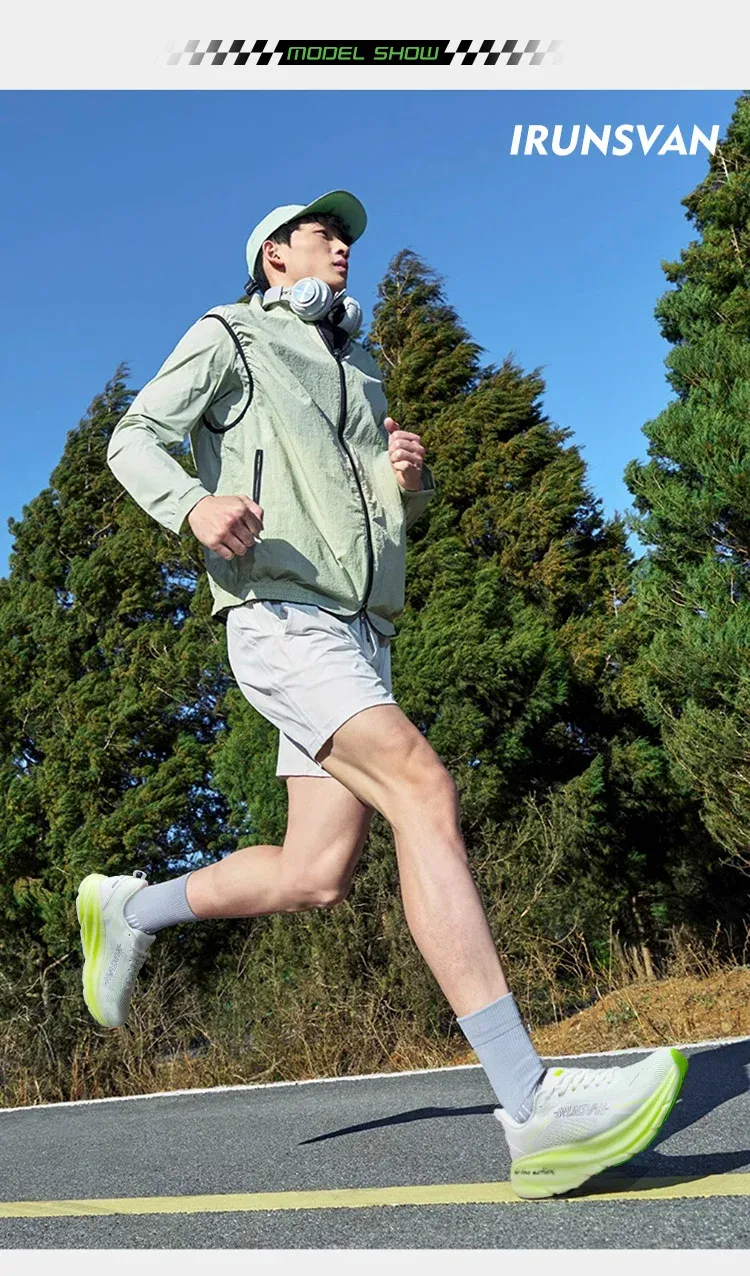
The carbon plate element is most useful when pace increases, because it can help the shoe feel more propulsive during toe-off. That does not replace leg strength, but it can reduce the sense of drag that appears in the later kilometres of a marathon.
Shock absorption is just as important here, and the rubber outsole with EVA insole suggests a setup aimed at protecting hard-court contact. Compared with flat lifestyle sneakers, this kind of construction should feel more structured under pressure, which is exactly what runners need when cadence stays high.
Hard-court grip and rubber outsole: practical use, not just specs
The outsole is designed for hard court use, so the shoe makes the most sense on road surfaces, track sessions, and firm training paths. Rubber underfoot usually brings a more confident landing sound and better abrasion resistance than foam-heavy outsoles, which is useful when mileage climbs.
Because the shoe is not waterproof and has no metal toe cap, it is clearly built for performance running rather than mixed-weather utility. That makes it a more focused choice for dry sessions, and it also explains why the design stays visually clean and race-like.
Who will get the most from this model?
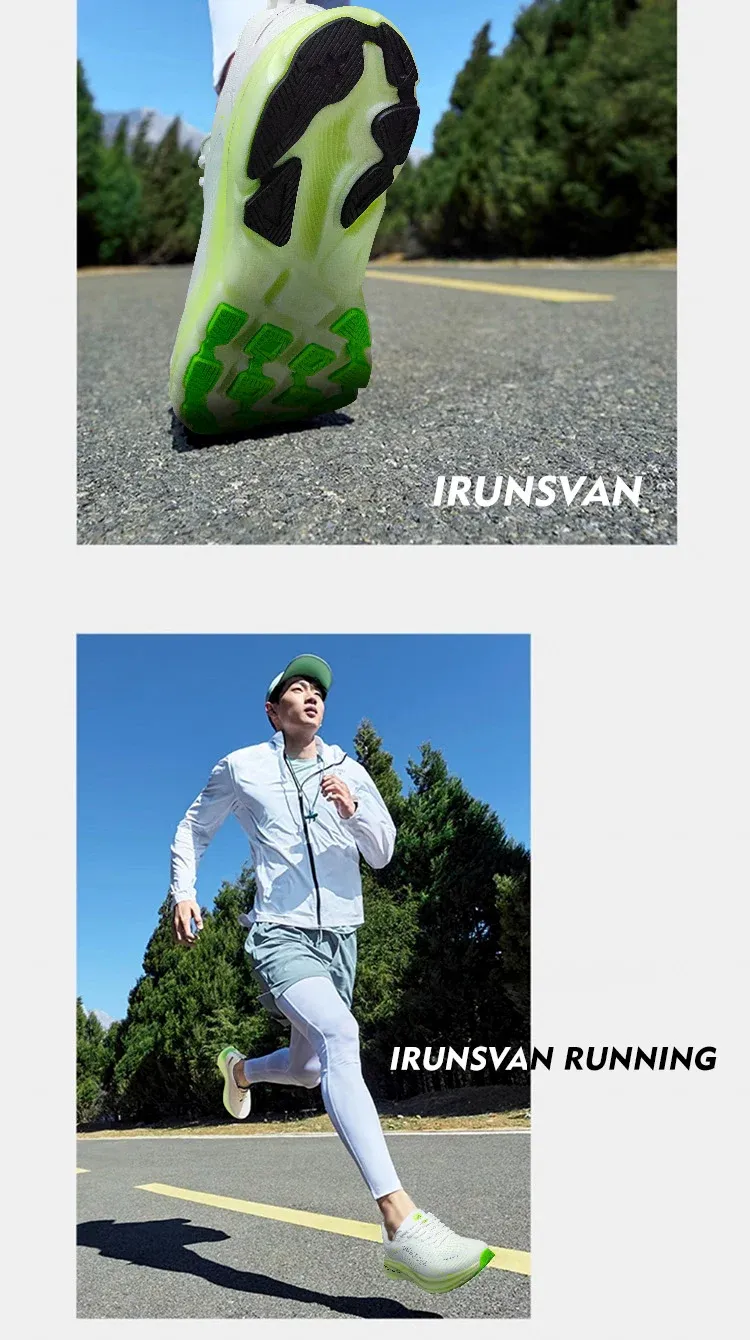
This is best suited to runners who already know their size and want a lightweight option for marathon preparation, tempo work, or race-day use. According to the single customer review, delivery was very fast and the shoes were described as excellent, which supports the impression of a product that arrives ready to use.
Runners who prefer maximum plushness or a very wide platform may want a different setup, but those seeking a lighter, more responsive ride should find the concept appealing. The real question is whether the plate-and-cushion balance matches your stride style, and that depends on how you run at pace.
What stands out after comparing it with ordinary running shoes?
Compared with standard mesh trainers, this model is more specialized and less casual in feel. The benefit is clear: you get a shoe that is built to encourage faster turnover, rather than one that simply feels soft in the hand.
For marathon runners, that specialization can be worth more than extra padding alone, because efficiency matters once fatigue sets in. If your training already includes long runs and tempo work, this shoe looks like a logical next step rather than an experimental one.