





Built for runners who want speed without losing stability
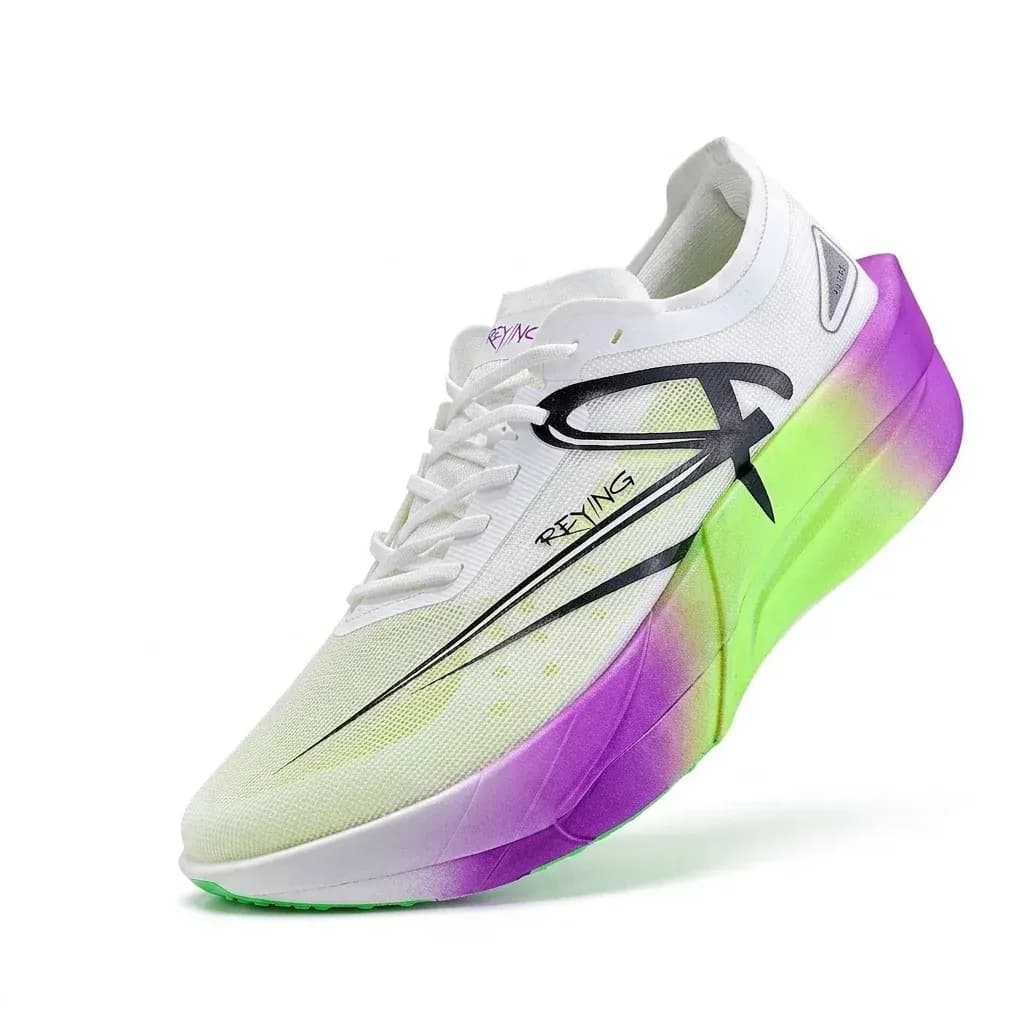
IRUNSVAN has earned a solid reputation in the AliExpress running niche by focusing on race-inspired geometry, responsive midsoles, and practical build quality rather than flashy marketing. This pair follows that formula closely, with a nylon plate setup that aims to give you a snappy toe-off while keeping the ride controlled enough for regular training.
The brand’s appeal is consistency: users often come back for a second or third pair because the fit, rebound, and finish tend to stay predictable across models. That matters when you are choosing a trainer for half-marathon work, so how does this one feel on the road?
Nylon plate response that feels lively, not harsh
The headline feature here is the nylon carbon plate-style structure, which gives the shoe a firmer, more propulsive transition than a standard daily trainer. In practice, that means less energy loss at toe-off and a more obvious forward roll when you pick up the pace.
Compared with softer foam-only trainers, this setup is better suited to tempo runs, progression sessions, and marathon blocks where you want some assistance without the aggressive snap of a pure racer. Real users repeatedly describe the shoe as responsive and stable, though one common note is that it works best when the pace is purposeful rather than easy and slow.
Double-density cushioning for long sessions on hard court
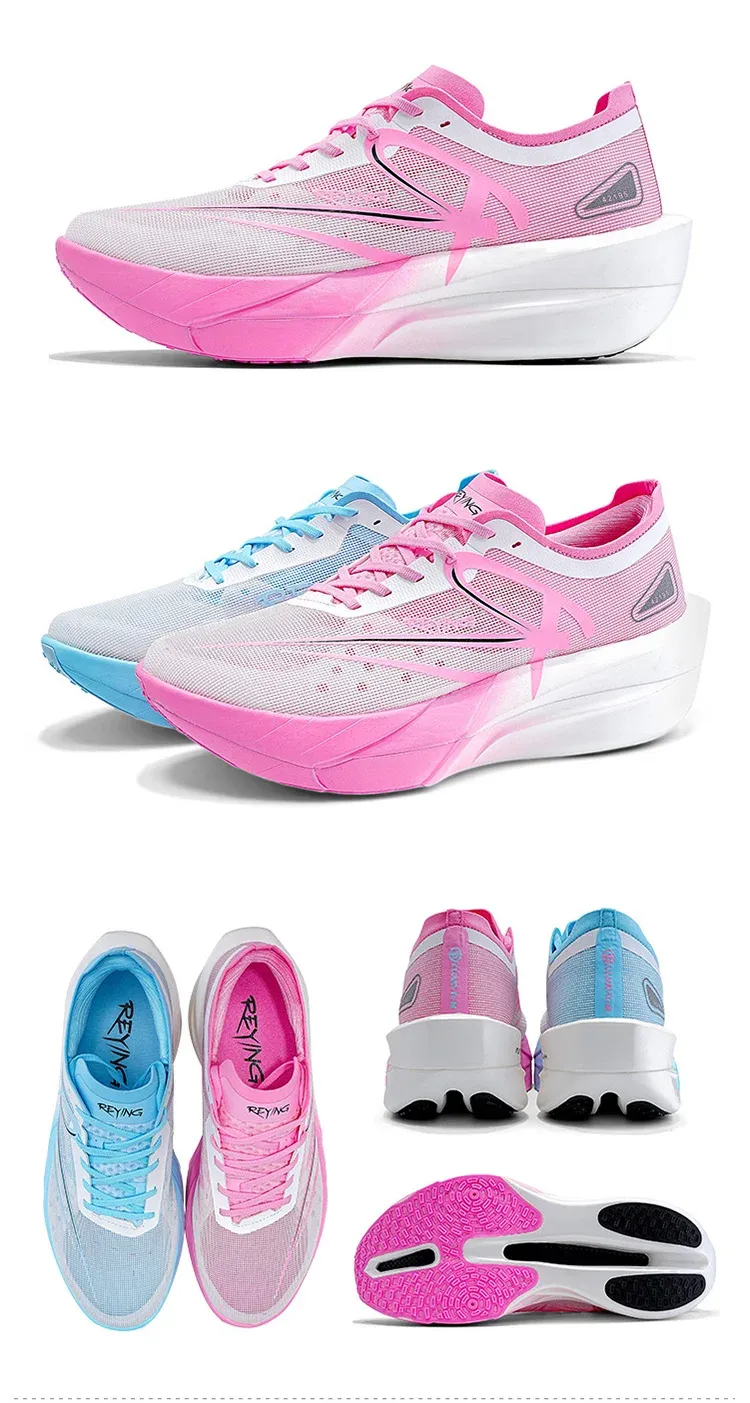
The double-layer, double-density midsole is the part that keeps this shoe from feeling too race-specific. On hard surfaces, the cushioning helps reduce the sharpness underfoot, so the shoe can handle longer sessions without turning every landing into a hard strike.
That said, this is not a marshmallow-soft cruiser. It is a training shoe with structure, which is why it makes more sense for half-marathon preparation and faster aerobic work than for relaxed recovery jogs or all-day walking.
Breathable mesh upper and low-cut fit
The air mesh upper should help heat escape more easily, especially in humid conditions where a dense upper can trap warmth. The low-cut profile and medium width give the shoe a familiar running-shoe feel, while the lace-up closure lets you fine-tune lockdown across the midfoot.
Customers also tend to mention that the fit runs true to size, which is useful because plated trainers can feel awkward when the toe box is off by even a few millimetres. If you want a practical tip, match your usual running size first and only size up if you prefer extra forefoot space for longer efforts.
What the weight and ride suggest in real training
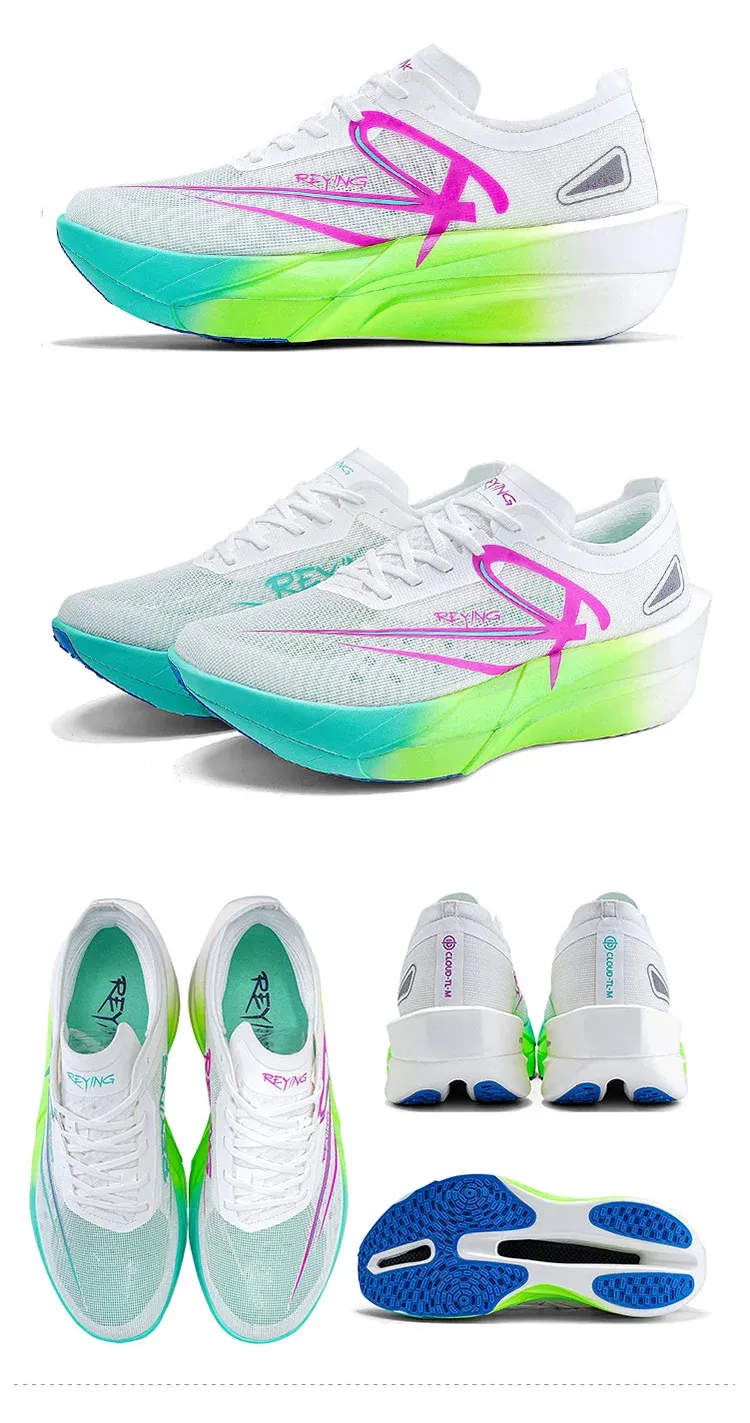
At around 280 grams in a reported men’s size 44, this is not an ultra-light racer, and that is actually part of its appeal. The extra grams help explain why users describe it as stable and durable enough for repeat sessions, even if it does not disappear on the foot the way featherweight competition shoes do.
That balance makes it a better fit for runners who want one shoe to cover intervals, tempo runs, and long runs at moderate pace. If your goal is a sharp 5K PB, a lighter racing model may feel quicker, but for marathon training the steadier platform here is easier to trust, so what should you watch for before choosing?
Who will get the most from it
This model suits advanced runners who already know their pace ranges and want a plated trainer that can handle structured work on hard surfaces. It is also a good match for runners who like a responsive forefoot but still want enough underfoot support to stay comfortable over 10 to 21 kilometres.
Based on user feedback, the strongest impressions are stability, rebound, and value for the level of performance offered. The few criticisms are also useful: the shoe can feel a bit heavy for a pure speed day, and the plate-driven ride is less enjoyable when you are cruising slowly.