


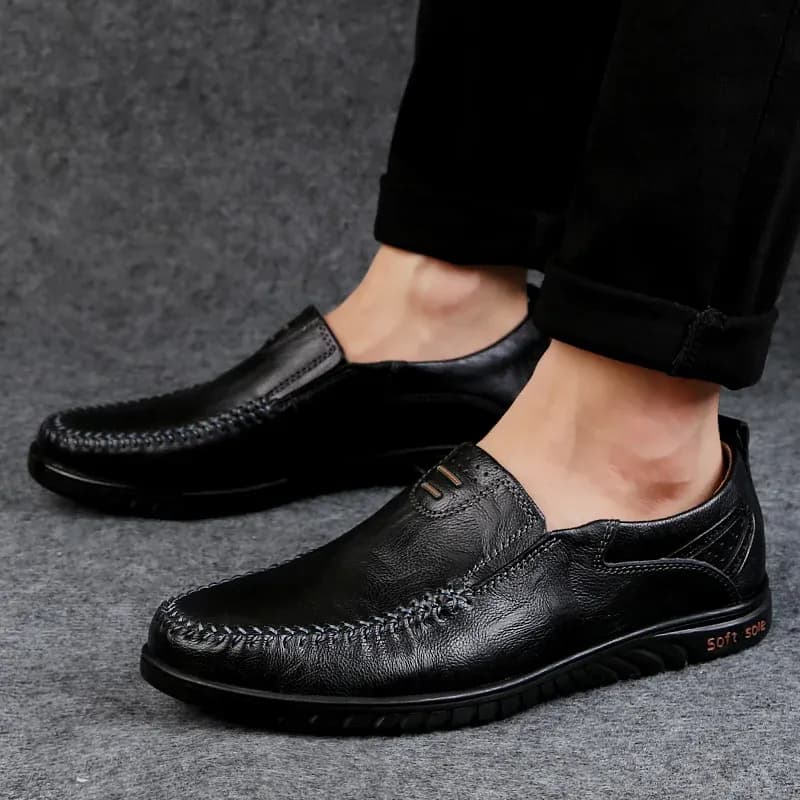
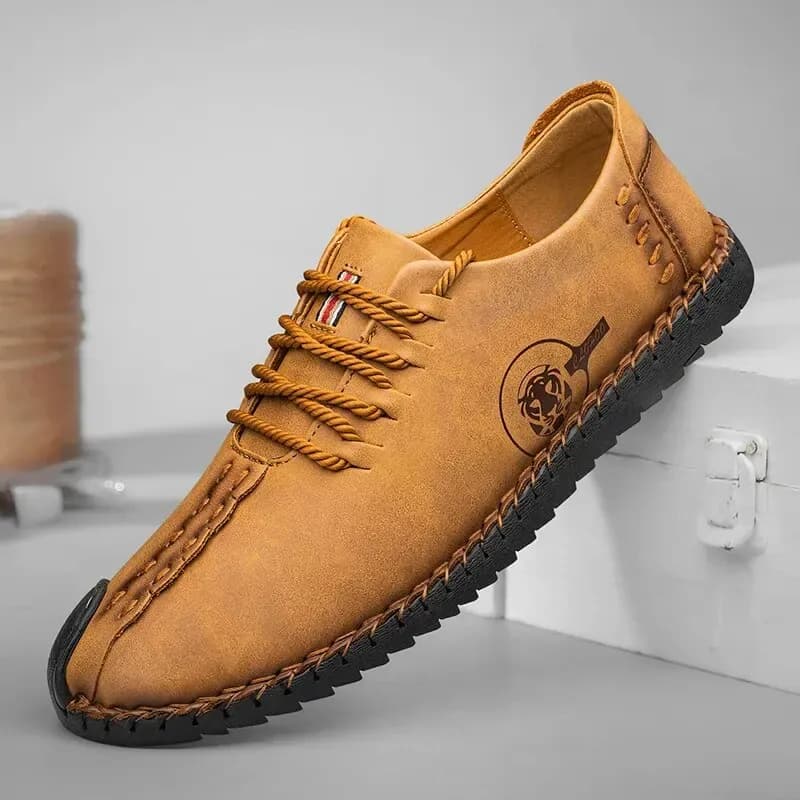

Built for long runs that punish ordinary trainers
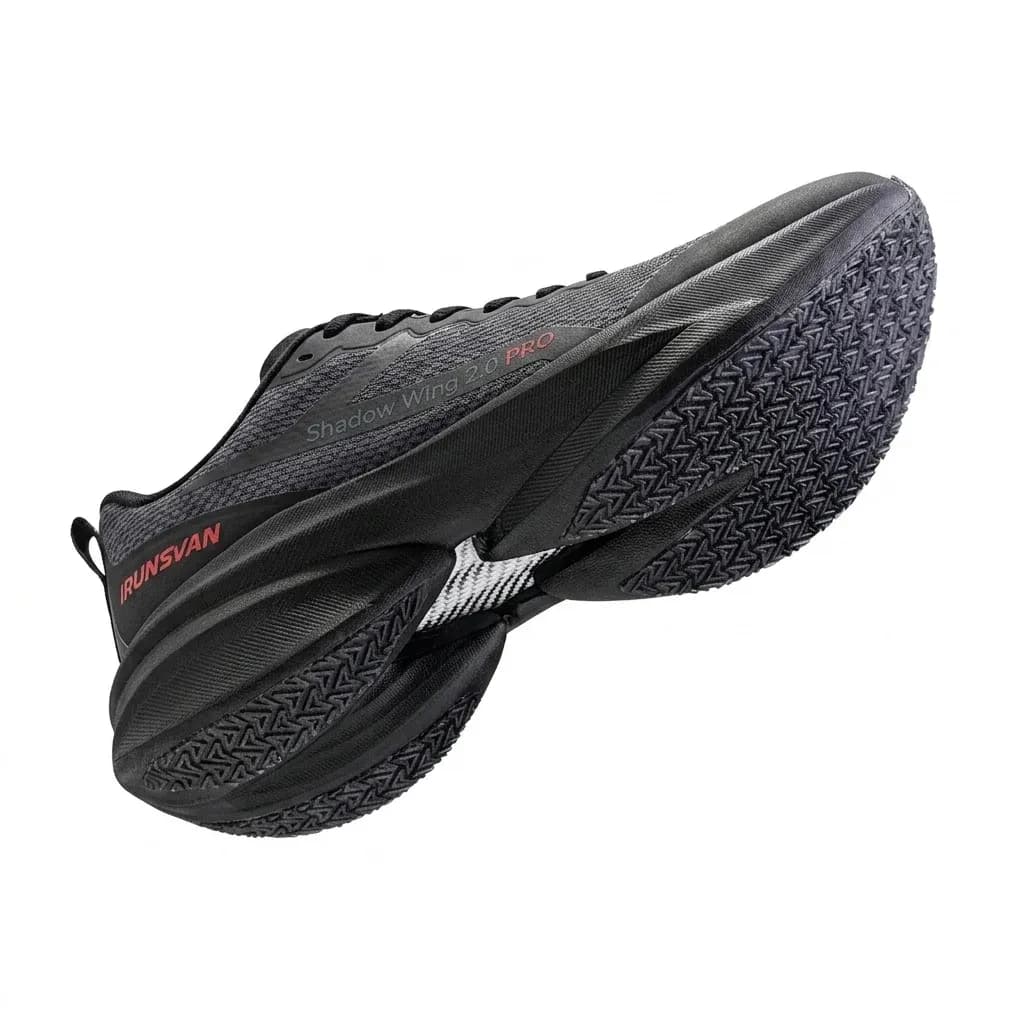
The Shadow Wing 2.0 PRO is aimed at runners who want a more efficient ride over marathon distances without moving into an ultra-soft, unstable shoe. Its carbon plate, nylon structure, and cushioning-focused build suggest a setup designed to keep the foot rolling forward with less wasted effort.
AliExpress Singapore shoppers looking at performance footwear will notice that this model sits closer to a race-day trainer than a casual sneaker, which matters if you want one pair for tempo work, long runs, and structured sessions. The question is whether the materials work together under fatigue, and that is where the details become interesting.
Carbon plate and nylon: why the ride feels different
The carbon plate is the headline feature, but the nylon layer is what should make the shoe feel less harsh than a pure racing flat. In practice, that usually means a snappier toe-off with a touch more forgiveness when your cadence drops late in a run.
For marathon training, that balance matters more than raw stiffness alone. A shoe that is too rigid can feel fast for 5 km and tiring at 30 km, while this type of construction is meant to stay usable when your legs are no longer fresh.
Air mesh upper and medium fit for warm-weather mileage
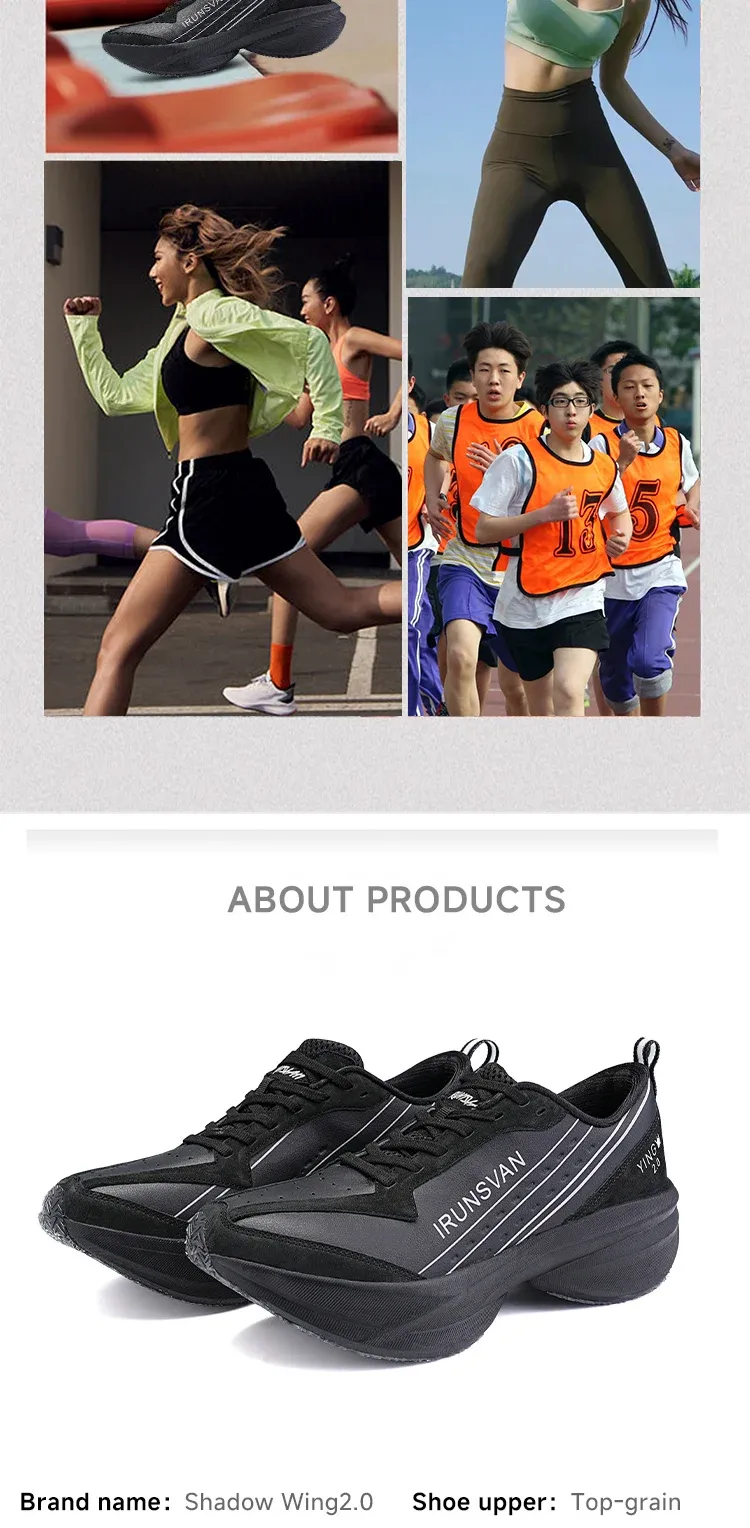
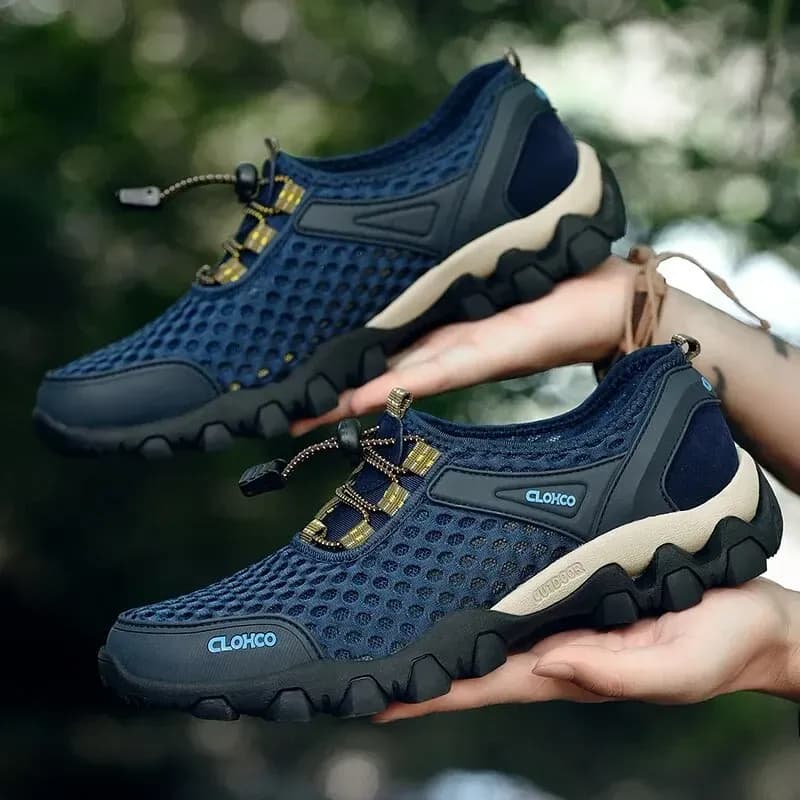
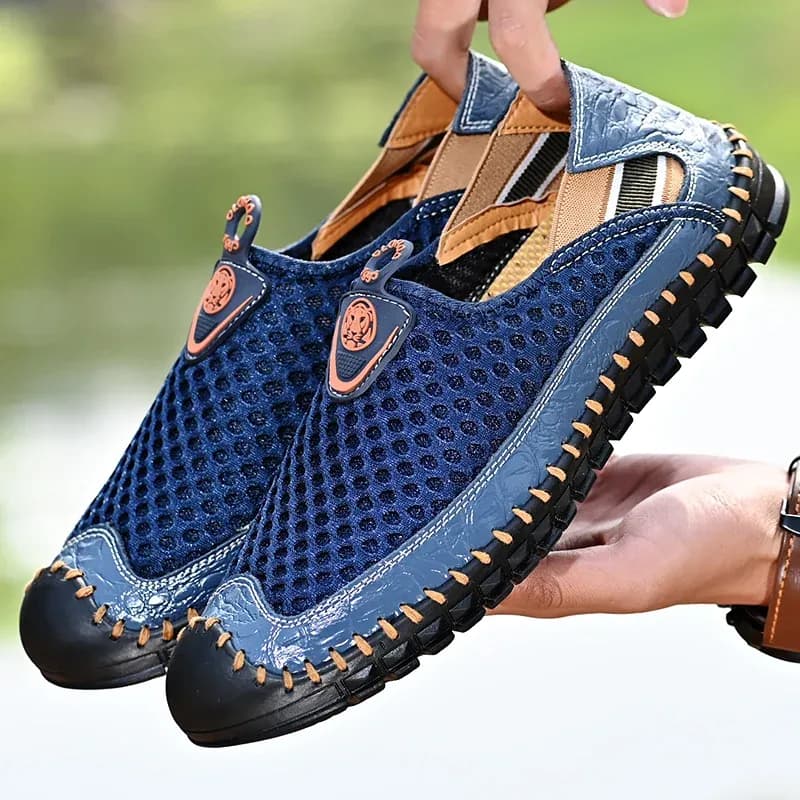
The air mesh upper should help heat escape faster than dense synthetic overlays, which is useful in humid conditions and on longer sessions. The low-cut profile and true-to-size fit point to a straightforward on-foot experience, with less break-in drama than many plated models.
The shoe width is listed as medium, so runners with standard feet are the best match. If you usually need extra forefoot room, this is the one spec worth checking before you commit, because plated shoes tend to feel less forgiving when the fit is off.
Cushioning on hard courts and city routes
The rubber outsole and EVA insole suggest a practical comfort layer underfoot, while the shock-absorbent claim should translate into a smoother strike on concrete, asphalt, and hard court surfaces. That kind of underfoot protection is especially useful for runners who stack weekly mileage and want less pounding through the heel and forefoot.
The trade-off is that a cushioning-first plated shoe usually feels best in straight-line running rather than sharp lateral movement. If your routine includes gym work or cross-training, the shoe should still handle it, but it is clearly tuned for forward motion first.
For marathon pace, not casual strolling
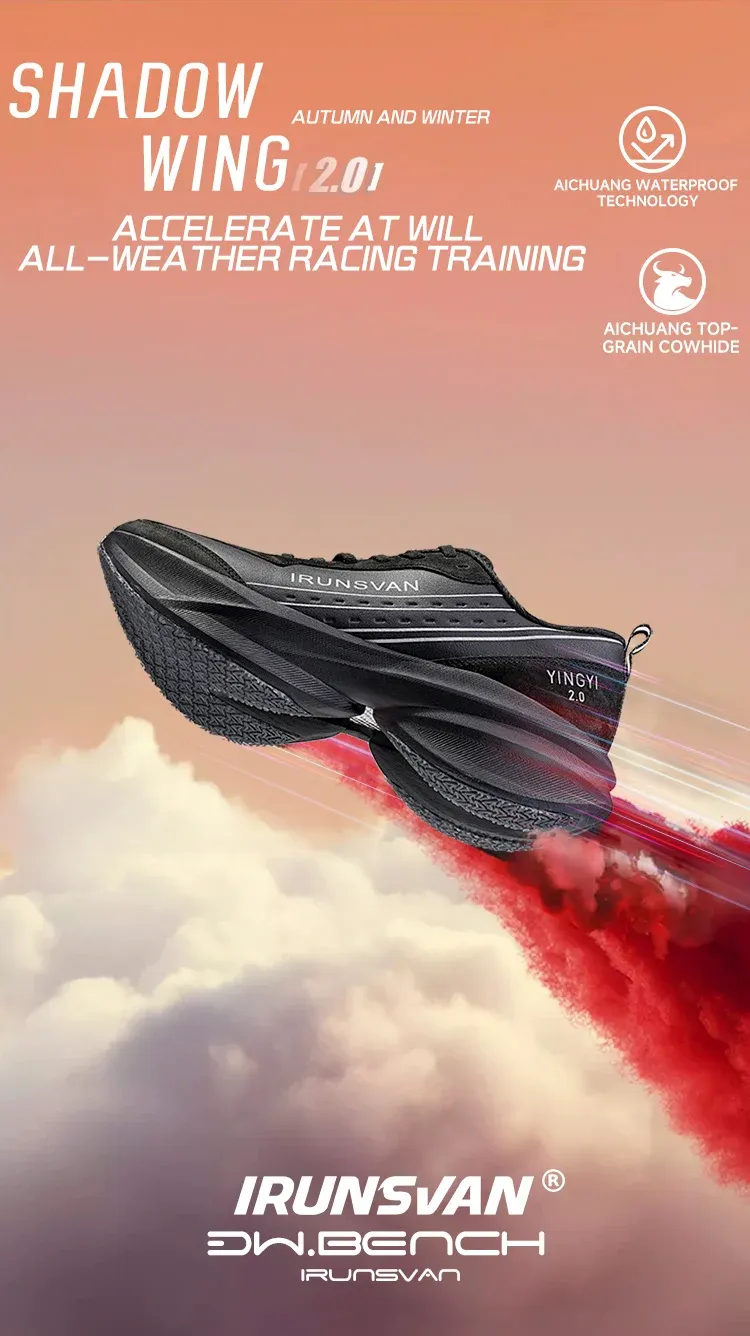
This model makes the most sense when used with a purpose: long runs, progression runs, and marathon-pace efforts where rhythm matters. The ForMotion technology name suggests a geometry built to encourage smoother transitions, which is the kind of detail runners notice after the first few kilometers.
Users who want a softer everyday trainer may find the plate more aggressive than expected, while runners chasing efficiency should appreciate the firmer, more propulsive feel. That tension between comfort and speed is exactly what separates this shoe from standard lifestyle runners, so the final fit question matters.
Who should consider it
- Marathon trainees who want a plated shoe for long-distance sessions.
- Runners on hard surfaces who need cushioning without losing responsiveness.
- Standard-width feet that usually fit true to size in performance running shoes.
- Buyers who prefer breathable uppers over waterproof protection.
The strongest case for this shoe is its focused performance setup rather than a long feature list. If your training plan needs a plated runner with a breathable upper and a more controlled landing, the spec sheet points in the right direction, and the next question is how it stacks up on value.