





Built for long runs that punish weaker shoes
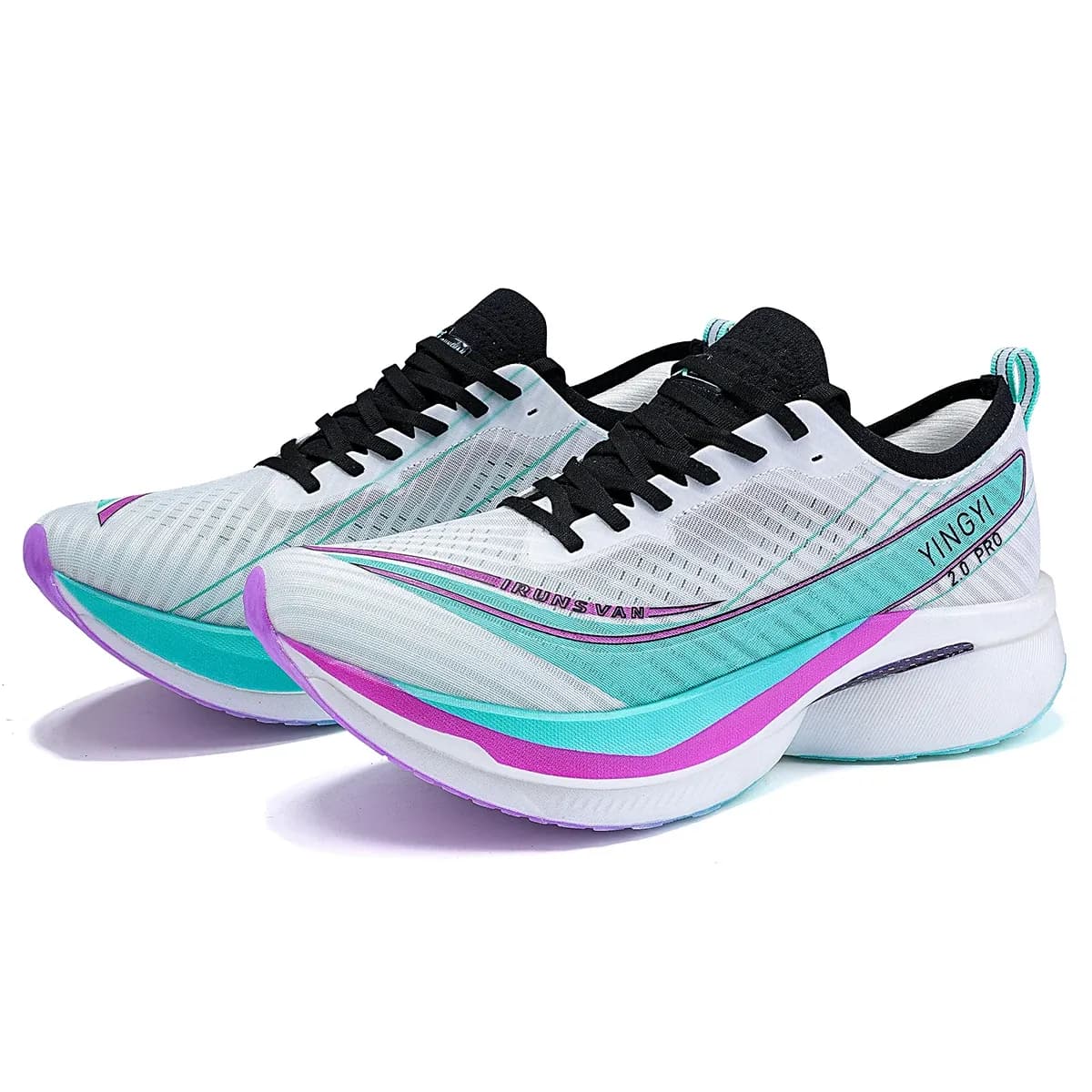
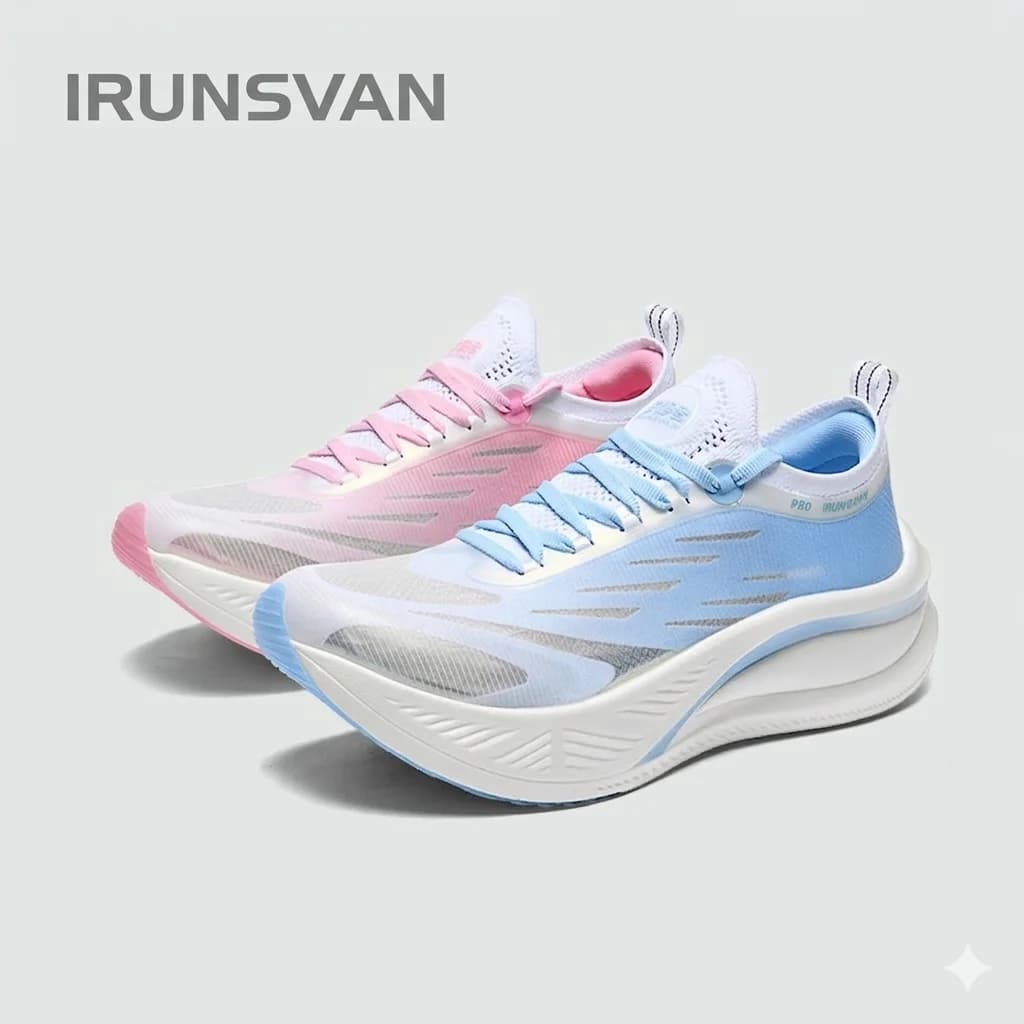
The Shadow Wing 2.0 Pro is aimed at runners who need a shoe that stays composed over marathon-distance sessions, not just short jogs. IRUNSVAN has built a reputation in the AliExpress Singapore niche for using practical materials and performance-led construction rather than cosmetic styling alone.
This pair follows that approach with a breathable mesh upper, EVA insole, and a rubber outsole designed for concrete. The result is a road shoe that tries to balance airflow, grip, and long-run comfort, which is exactly where many budget racing models fall apart.
Mesh upper and microfiber structure: why the fit feels more controlled
The upper combines air mesh with microfiber, so the shoe should feel lighter and cooler than dense synthetic trainers. That matters on longer sessions because heat buildup can make the forefoot feel tight, especially when pace increases and foot swelling starts.
The stitching-based upper fixing method also suggests a more structured hold than fully soft knit uppers. Users often describe this kind of build as more secure through the tongue and midfoot, which matches the feedback that the shoe creates strong forward momentum without feeling unstable.
ForMotion cushioning on concrete: what it changes underfoot
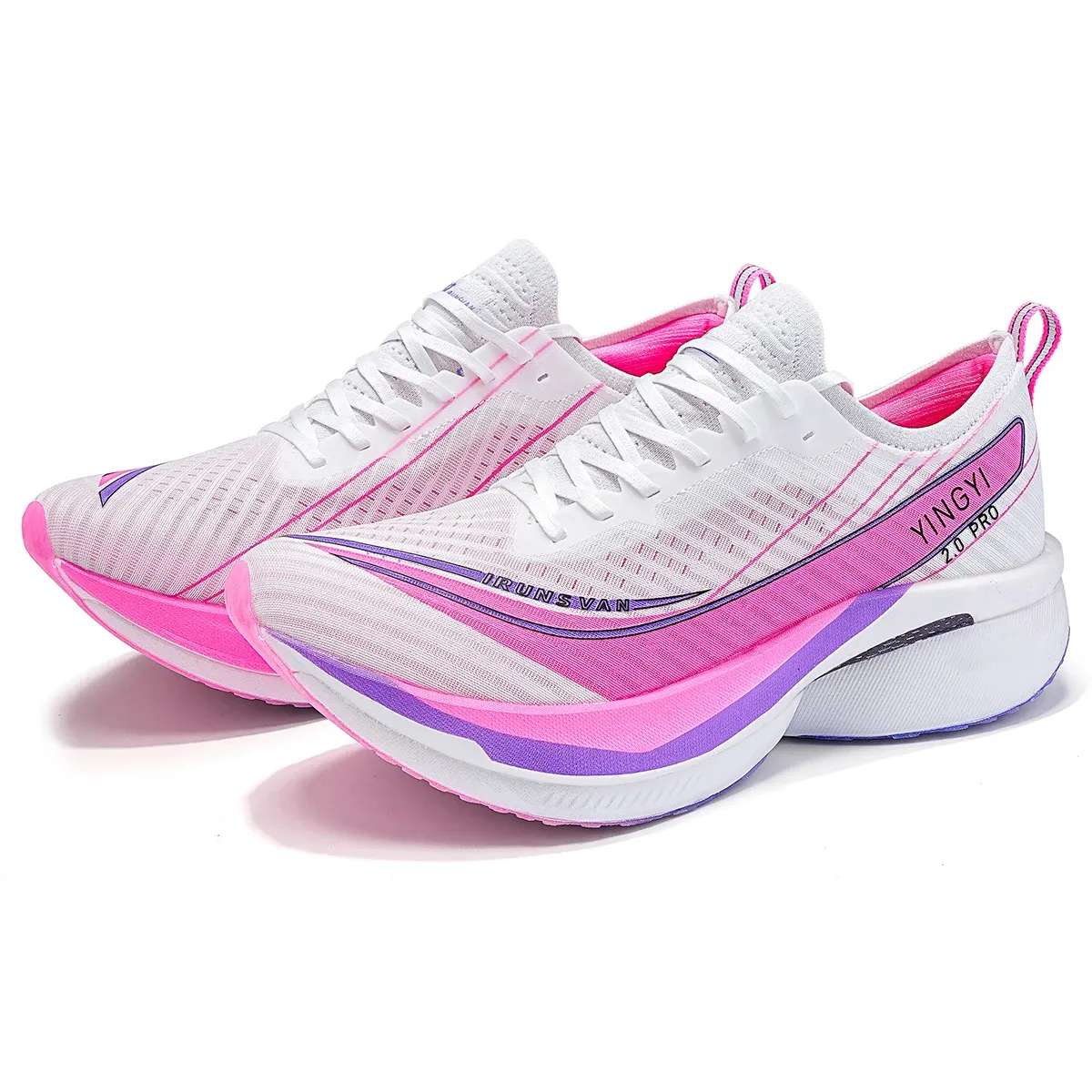
The ForMotion technology is paired with an EVA insole and a rubber outsole, so the ride is aimed at controlled cushioning rather than plush softness. On concrete, that usually means less harsh impact than a flat trainer, while still keeping enough ground feel for pace changes.
The real advantage here is stability over marathon distances. One user noted that the plate and midsole work together to keep the foot from rolling, which is useful if you run long sessions on straight roads or track-adjacent paths where efficiency matters more than softness.
Grip and stability when the pace turns aggressive
The rubber outsole is the part that should matter most if you train on smooth urban surfaces, wet pavements, or polished concrete. A non-slip tread pattern is especially useful in a shoe with a height-increasing profile, because added stack can sometimes make cheaper models feel wobbly.
These shoes seem to avoid that problem better than expected, according to customer feedback. That is a practical point for runners who want a more responsive, plate-assisted feel without the side-to-side looseness that can show up in similar marathon shoes.
Fit, sizing, and who should consider them
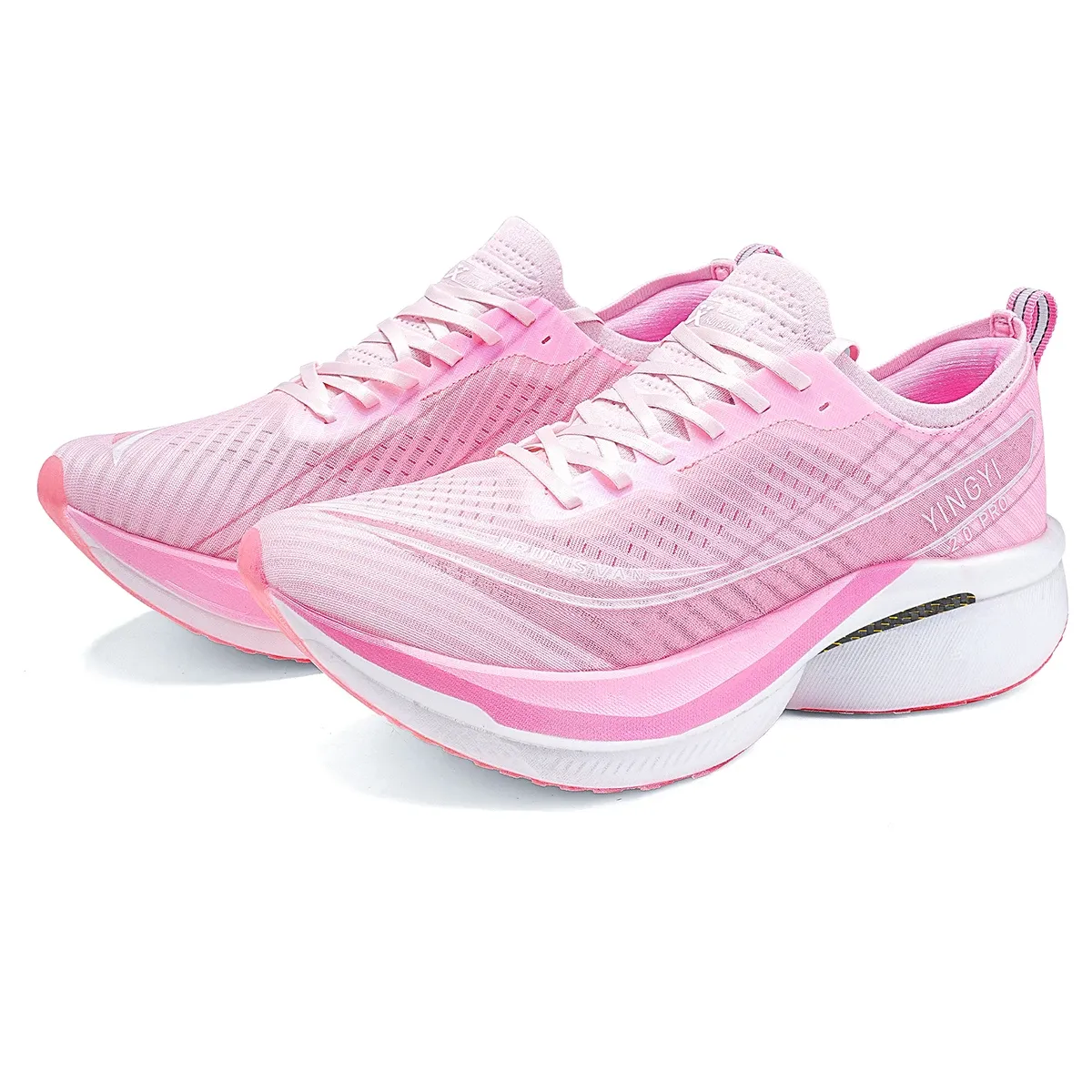
The fit is listed as true to size, with a medium width that should suit most runners who do not need a wide platform. Size coverage runs from EU 37 to 46, so the range is broad enough for both smaller and larger feet, which helps if you are matching an exact training fit.
Because the shoe is low-cut and not waterproof, it is better suited to dry road runs than mixed-weather use. If your routine is mostly concrete intervals, long weekend mileage, or race-day practice, this model makes more sense than a trail shoe or a heavily padded daily trainer.
What stands out after looking at the first user reactions?
Early customer feedback is strongly positive, with comments pointing to strong propulsion, a well-finished upper, and a tongue that locks the foot in place. That combination suggests the shoe is doing its job where it counts: keeping the stride efficient while staying comfortable enough for long-distance work.
For runners who want a technical feel without moving into the most expensive carbon-race segment, this is a credible middle ground. The next question is whether the design details match the performance claims in everyday training.