




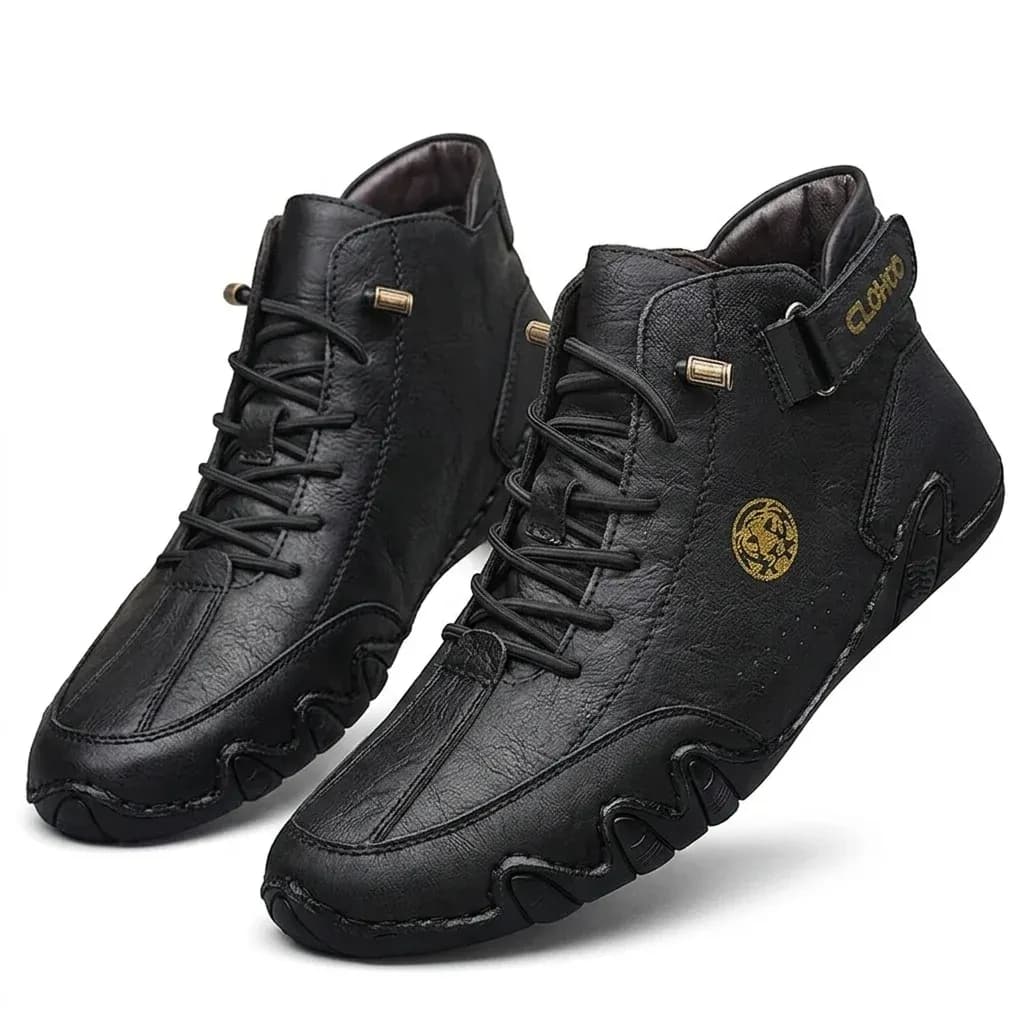
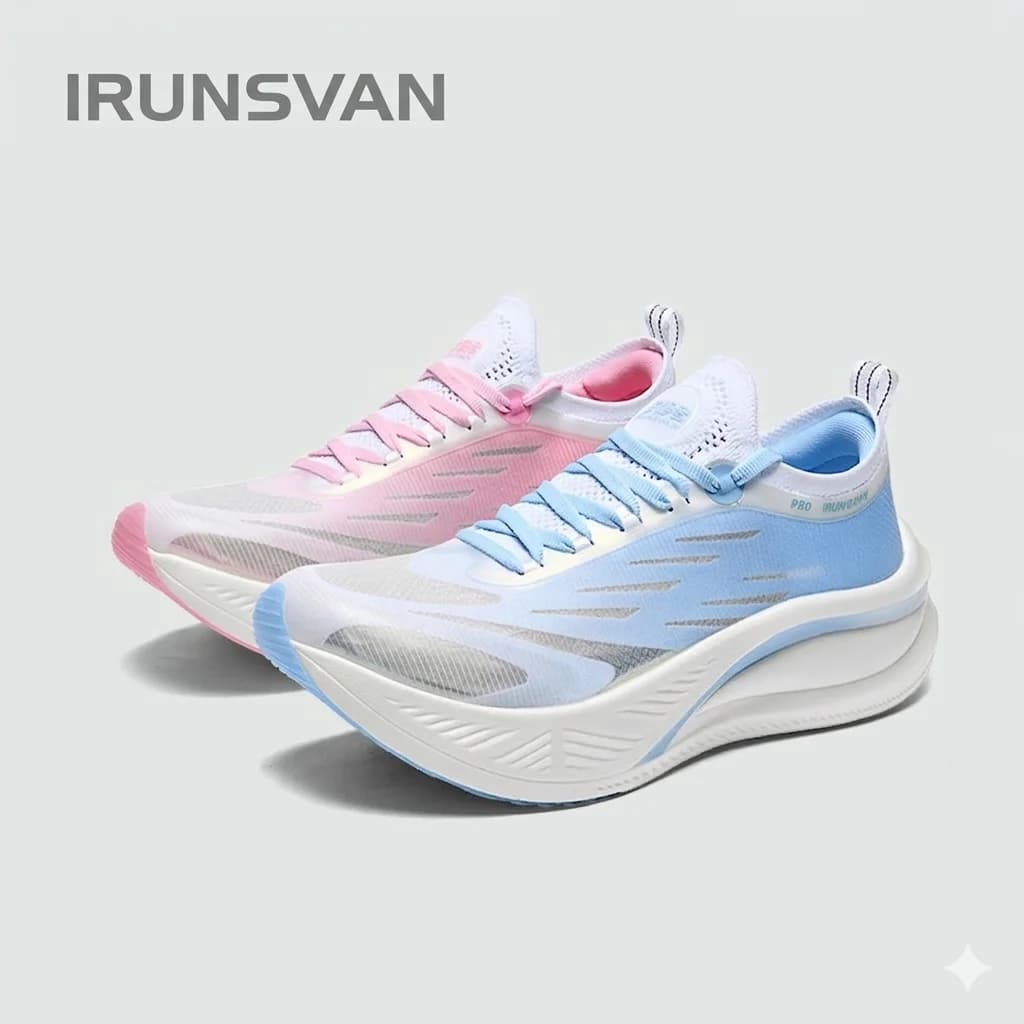
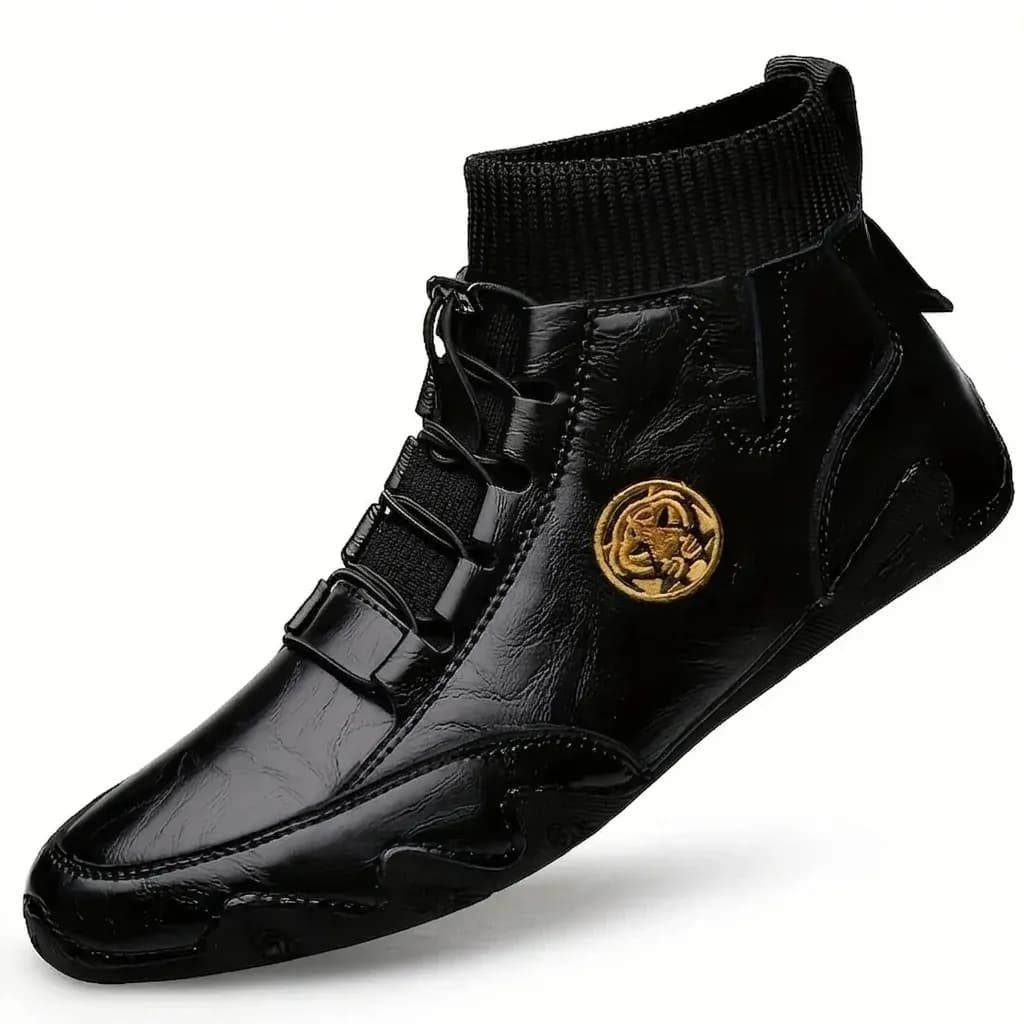
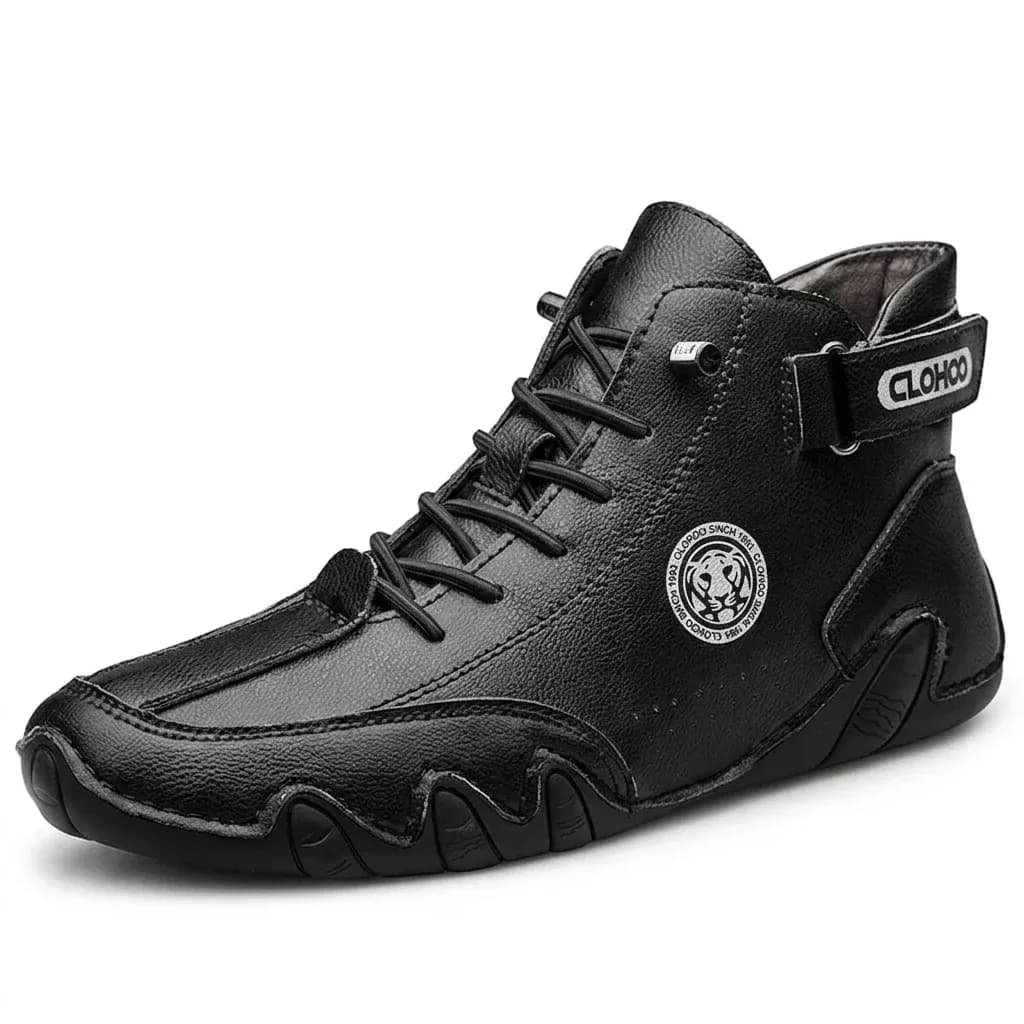

Built for wet terrain, not just dry-path hiking
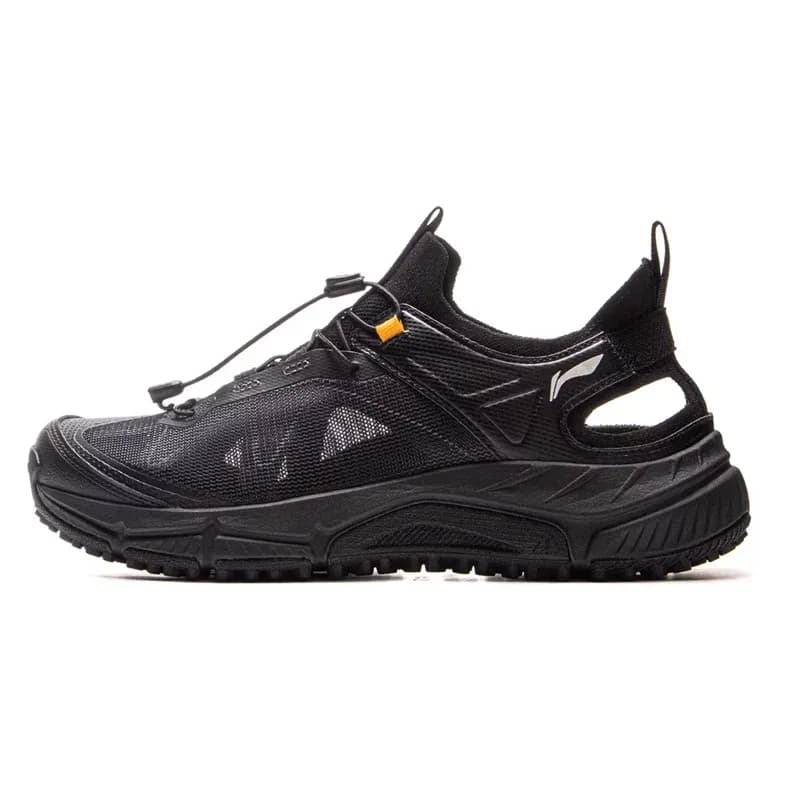
This shoe solves a simple problem: ordinary trail shoes lose grip and feel heavy once water, mud, or slick rock enter the picture. The Lite1.0 is designed for river tracing and wading use, so the focus is on traction, quick movement, and a lower profile that feels less clumsy near water.
That low-cut shape matters in practice because it gives the ankle more freedom when stepping across uneven stones or moving through shallow streams. For users who split time between hiking paths and wet terrain, that flexibility can feel more natural than a stiff boot, so what does the outsole bring to the table?
Anti-slip grip that should matter most on wet stone
The main promise here is traction, and that is the feature to scrutinise first in any river shoe. A water-wading outsole should bite into slick surfaces without feeling overly rigid, and the Lite1.0 appears aimed at exactly that balance.
Compared with a standard running shoe, a purpose-built wading model usually gives better confidence on algae-covered rock and damp concrete because the tread is shaped for contact in irregular conditions. According to the single real customer review, the product arrived on time and the quality was excellent, which supports a positive first impression, but how does that translate to comfort over longer outings?
Low-cut construction for faster movement and easier packing
Low-cut outdoor shoes are often chosen because they feel lighter on the foot and easier to stash in a daypack. That makes this model attractive for anglers, coastal walkers, and hikers who want one pair that can handle wet access points without the bulk of a boot.
The trade-off is clear: you get more mobility, but less ankle coverage than a mid-cut hiking shoe. If your route includes sharp scree, deep mud, or heavy loads, a higher collar may still be the safer choice, so who benefits most from this format?
Where this shoe fits in a mixed outdoor kit
This is best viewed as a crossover shoe for water entry, short hikes, and travel days where conditions change quickly. It should suit people who want one pair for boardwalks, riverbanks, and wet trail segments rather than a dedicated mountain boot.
In that role, the value comes from versatility: you can move from dry ground to shallow water without changing footwear, which saves time and keeps your kit simpler. For readers browsing AliExpress Singapore, that kind of practical, task-specific design is often what separates a niche outdoor shoe from a generic sneaker, and the details matter most in the finish.
What the current feedback suggests
There is only one real review so far, but it is encouraging: the customer reported on-time delivery and excellent quality. That is not enough to judge long-term durability, yet it does suggest the first impression matches the listing’s outdoor positioning.
- Good fit for wet-ground movement and river access
- Lower profile than a hiking boot, so it should feel less bulky
- Designed for traction where smooth surfaces become slippery
- More specialised than a casual sneaker, which is the point