





Built for trail mileage, not showroom shelf appeal
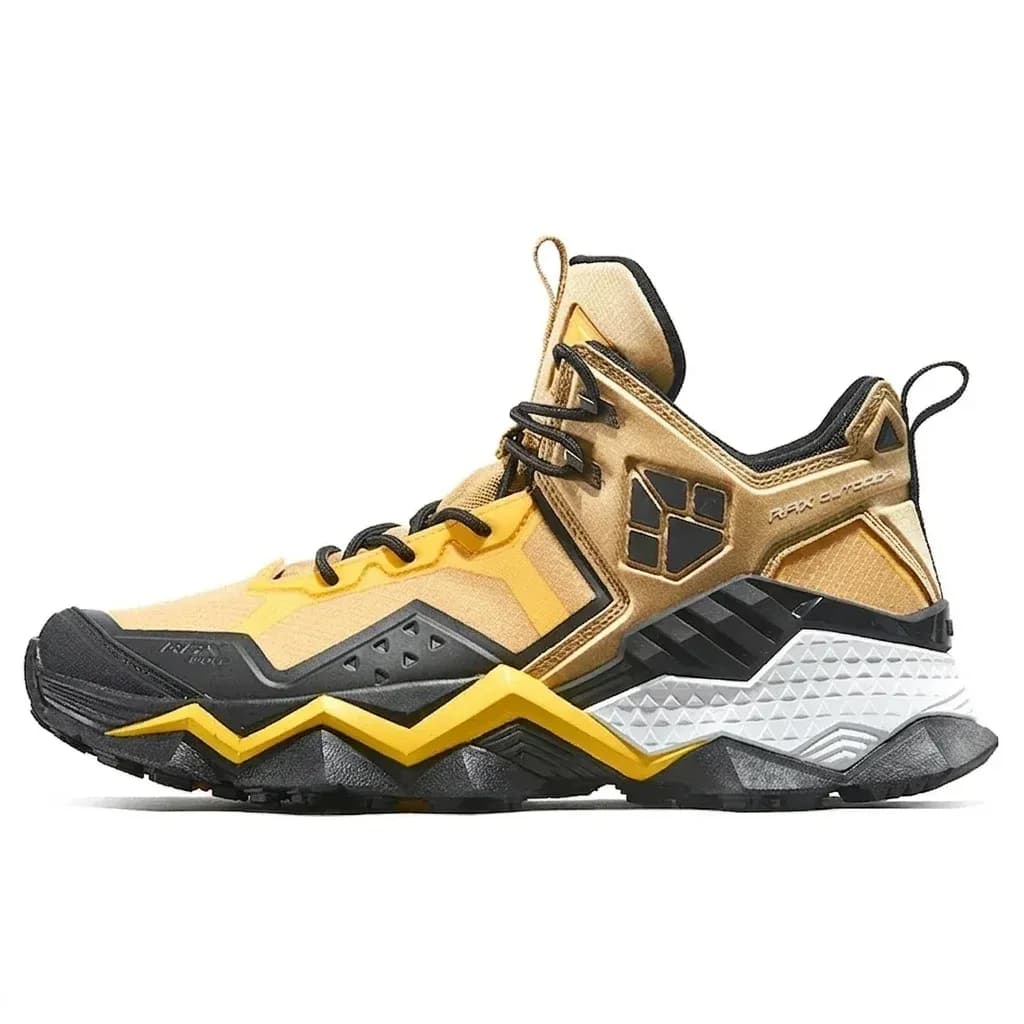
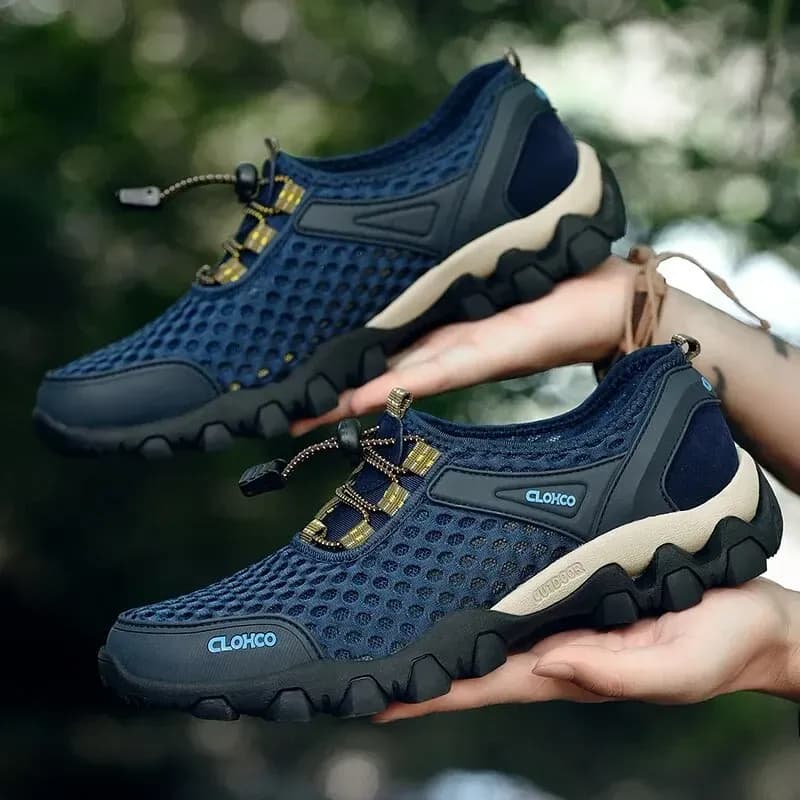
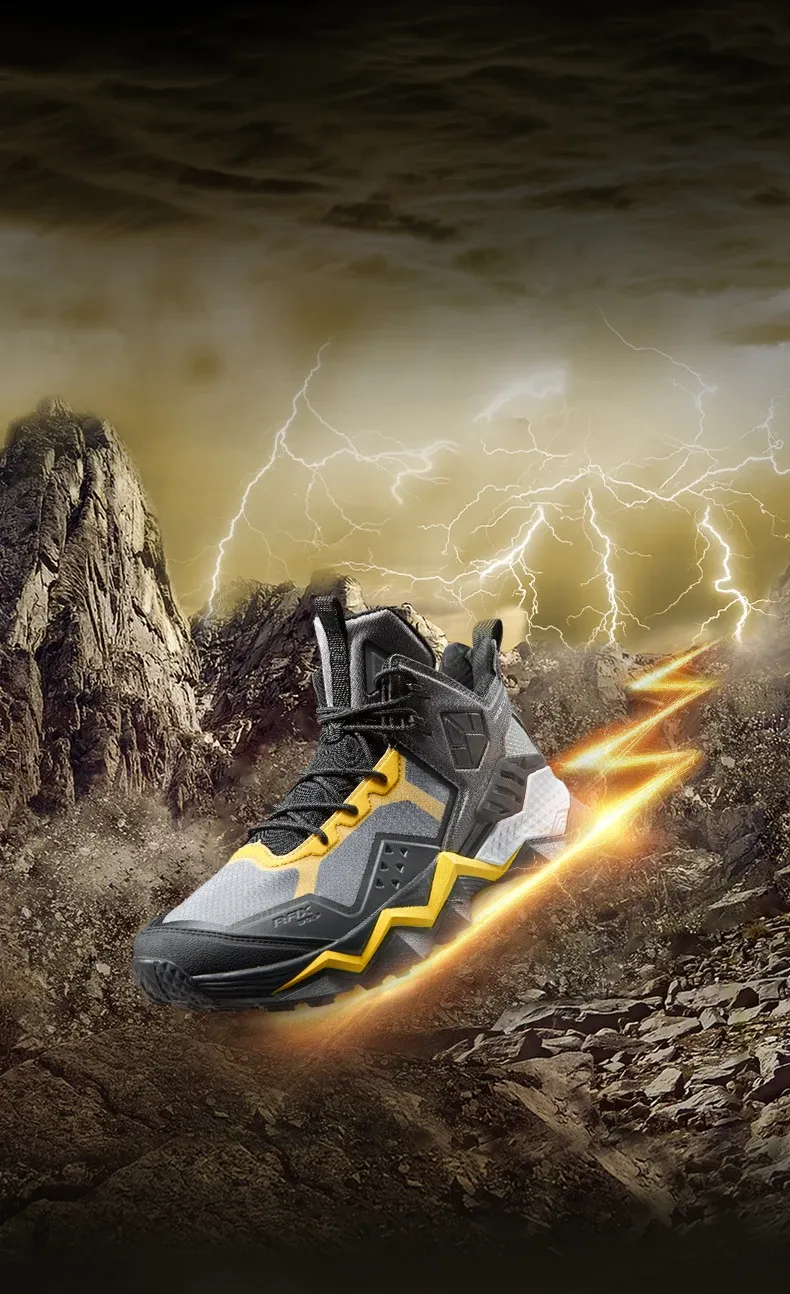
RAX has earned a steady reputation in the AliExpress outdoor niche by focusing on functional construction rather than flashy styling. This pair follows that formula with a nylon upper, rubber outsole, and a fit that users repeatedly describe as comfortable from the first wear.
It is a shoe that makes sense for hikers who want dependable day-to-day traction and a lighter feel than a heavy boot, so the real question is how that balance plays out on rough ground?
What the nylon upper changes on the trail
The upper is nylon with a sticking-fixation build, which usually means a more flexible ride and less break-in time. In practice, that matters when you are walking across mixed surfaces and want the shoe to bend with your foot instead of fighting it.
The trade-off is that the upper can feel less armored than a full leather hiking boot, so it suits trekking paths, park trails, and urban outdoor use better than aggressive alpine abuse. That makes the shoe more versatile than it first looks, but where does the sole pick up the slack?
Rubber outsole and thick underfoot feel
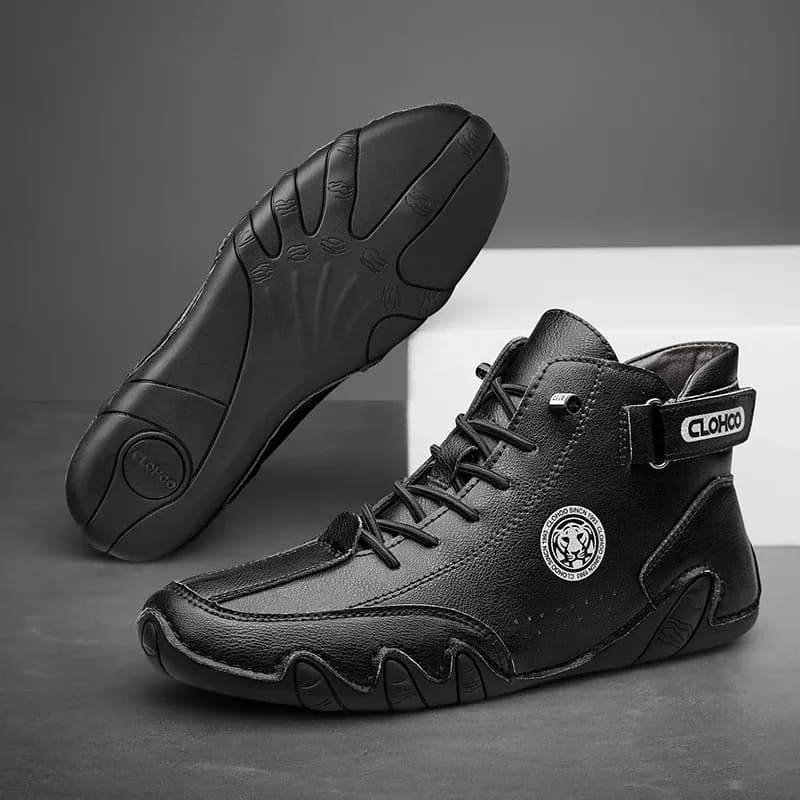
The rubber outsole is the most convincing part of the package because it gives the shoe a planted, grounded feel on stone and compact dirt. Users mention that the sole feels thick enough to take the sting out of uneven ground, which is a practical advantage on long walks.
The latex foam insole and LYCRA lining add a softer step and help the shoe feel less rigid than many tactical-style options. According to customers, the comfort is strong enough for extended wear, though the cushioning is better described as supportive rather than plush, which leads to sizing and fit.
Fit and sizing: why one small mistake matters
The fit is listed as true to size, and several users confirm that their usual size worked well, especially for standard-width feet. Wide-footed buyers sometimes chose one size up to gain a little toe room, which is useful if you plan to wear thicker socks or orthotic inserts.
The shoe width is medium, so it should suit most everyday feet without feeling loose. If you are between sizes, the reviews suggest checking the insole length carefully, because the right fit here is what separates a secure trekking shoe from one that feels merely acceptable.
Water resistance expectations should stay realistic
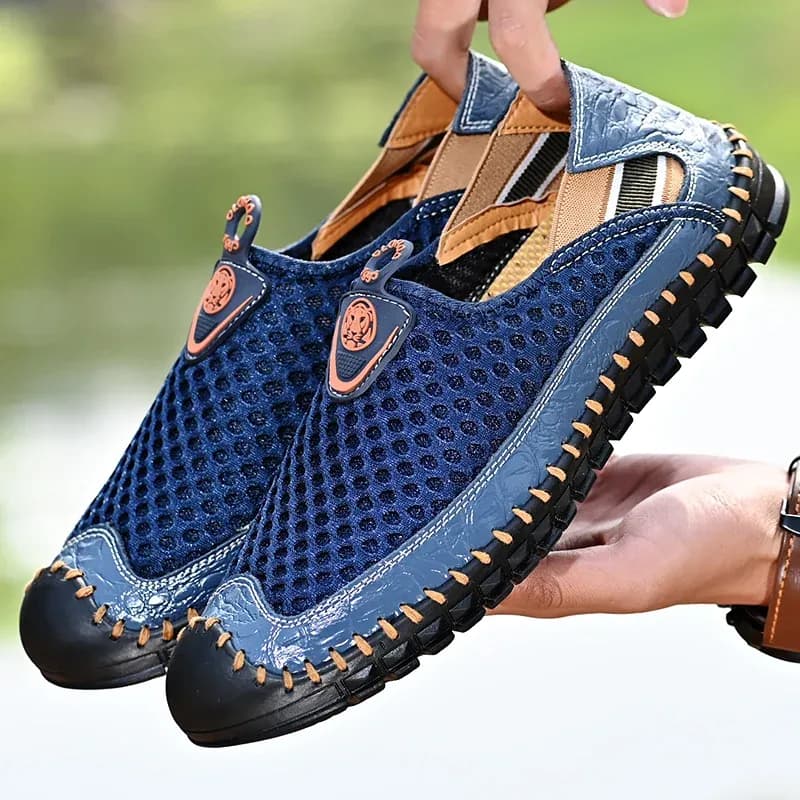
The listing does not claim waterproof construction, and that is important because the marketing language can sound more water-ready than the specs support. In real use, this is better treated as a breathable outdoor shoe than a sealed rain boot.
That said, users still report decent performance in light wet conditions, with some saying their feet stayed comfortable after walking through rain or damp ground. If your routes include puddles, stream edges, or wet grass, you will want to compare this model with a fully waterproof alternative before choosing, so what kind of terrain is it actually best for?
Best use cases for this RAX model
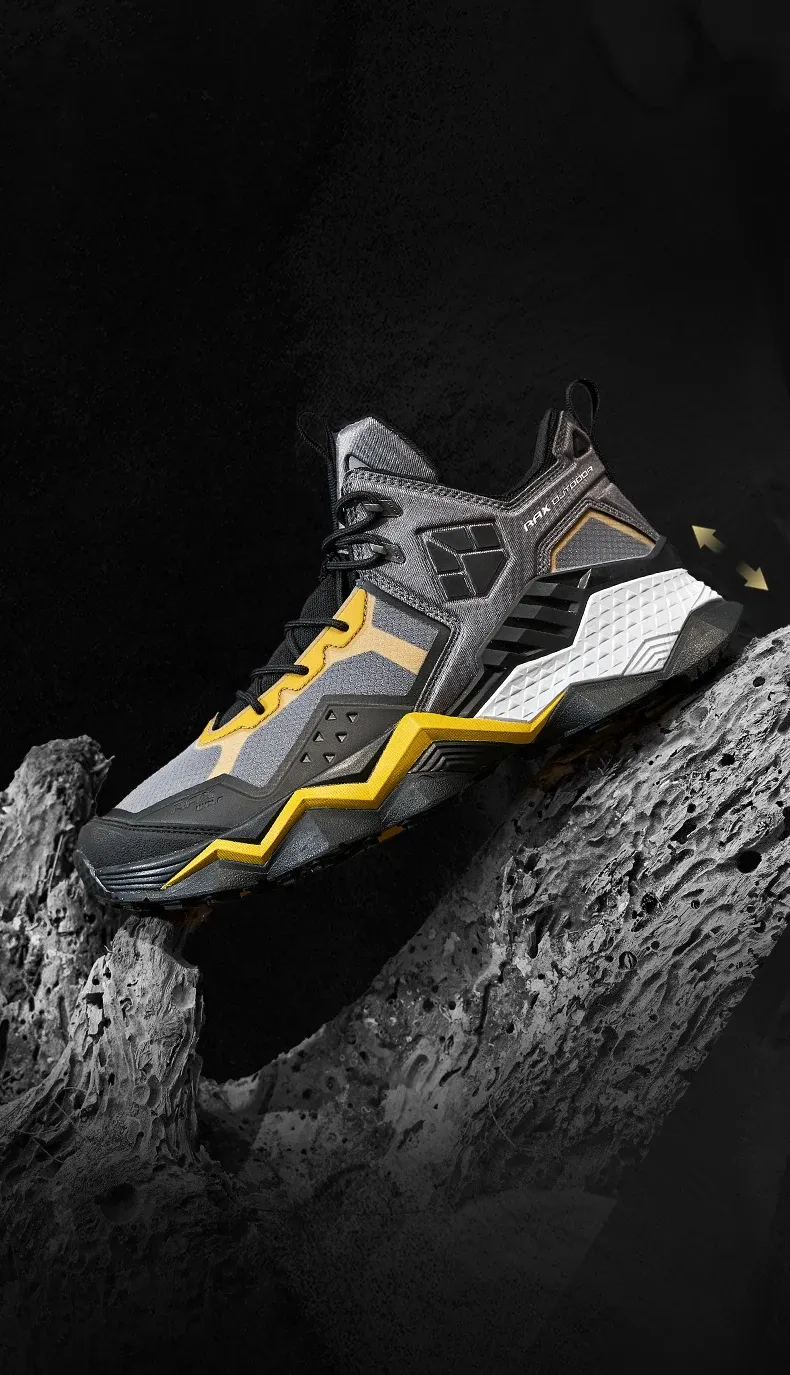
This shoe fits hikers who split time between trail paths, travel, and casual outdoor wear, where low weight and stable footing matter more than maximum protection. It also works as a practical everyday outdoor sneaker for people who want one pair that can handle more than pavement.
For serious mountain climbing or deep-mud trekking, a higher-cut boot with stronger weather sealing would be the safer choice. For most buyers, though, the appeal is that this pair offers a credible outdoor feel without the bulk that makes some hiking boots tiring in warm weather.
What customers are really saying
Customer feedback is strong, with a 4.7/5 average across 74 reviews and a 93% positive rate, which is a useful signal in this category. The recurring themes are comfort, solid sole feel, and practical durability, while the main caution is that the upper is not as protective as a heavier boot.
That combination makes the shoe easy to recommend for controlled outdoor use, especially if you value comfort first and technical protection second. The remaining question is whether its lighter build is a feature or a compromise for your own routes?