





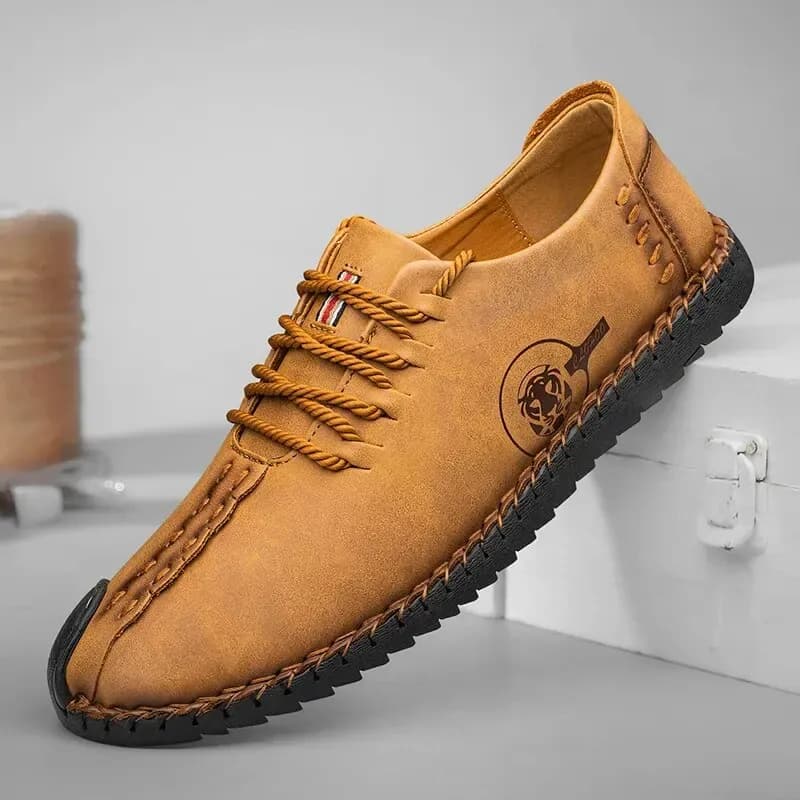
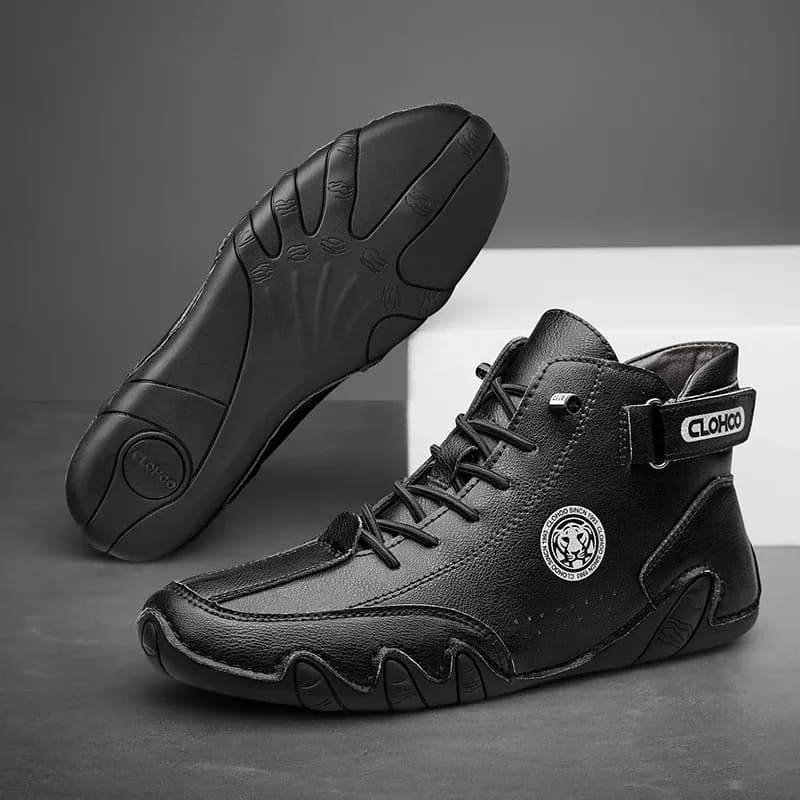
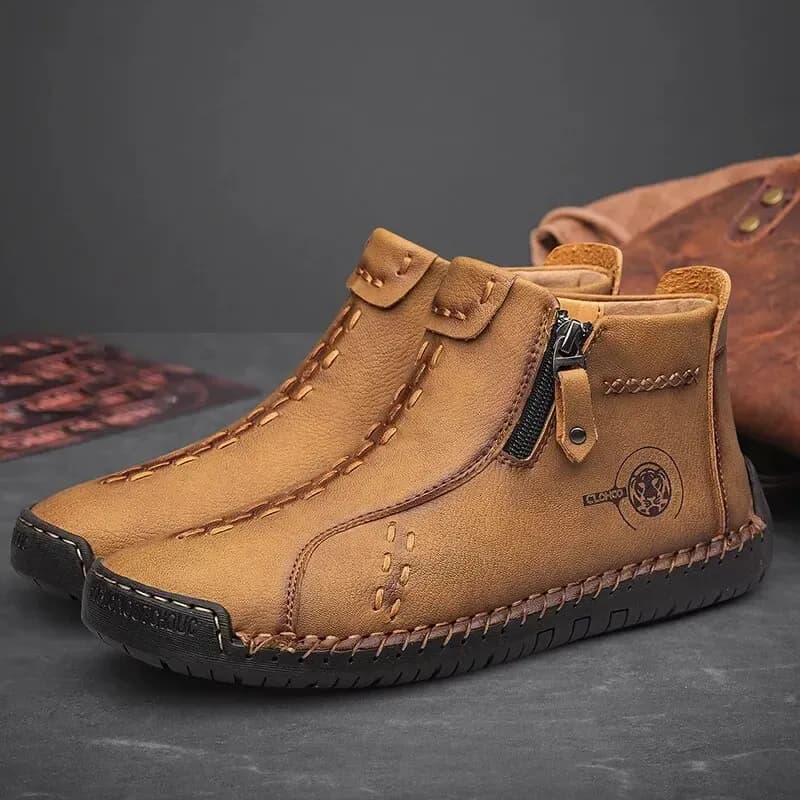
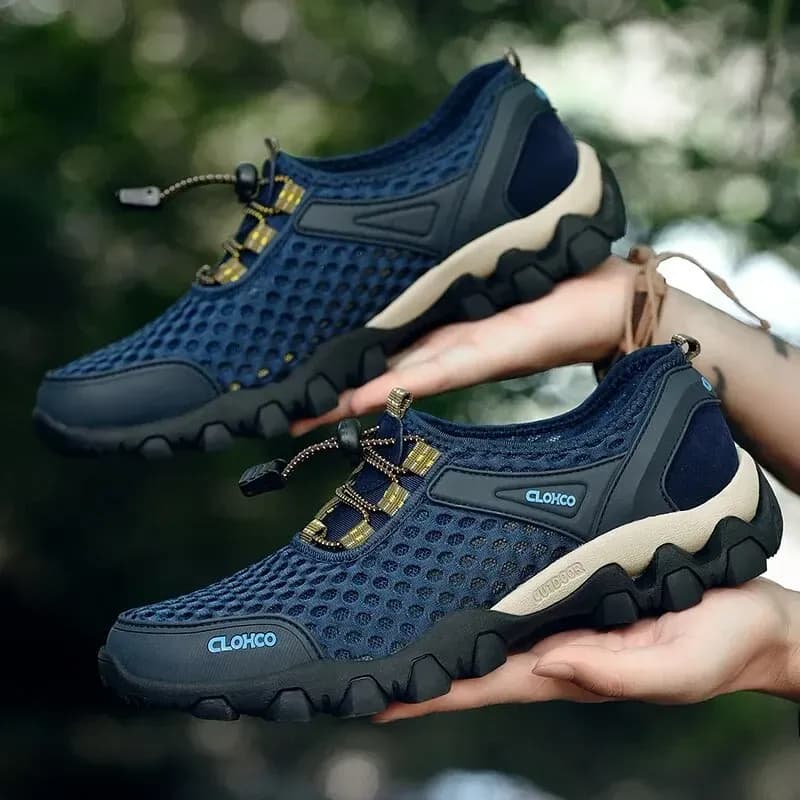
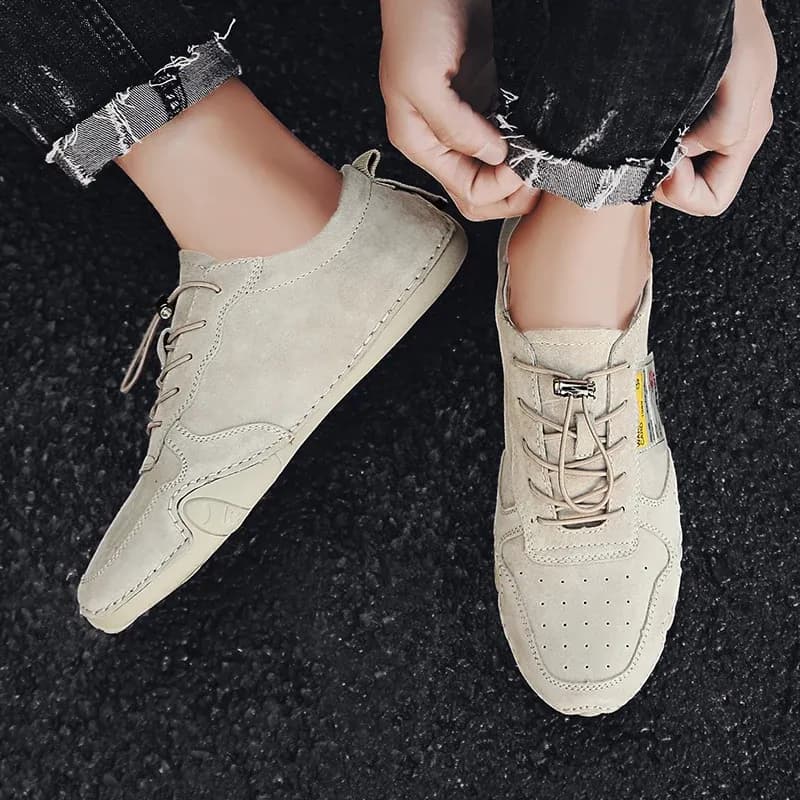
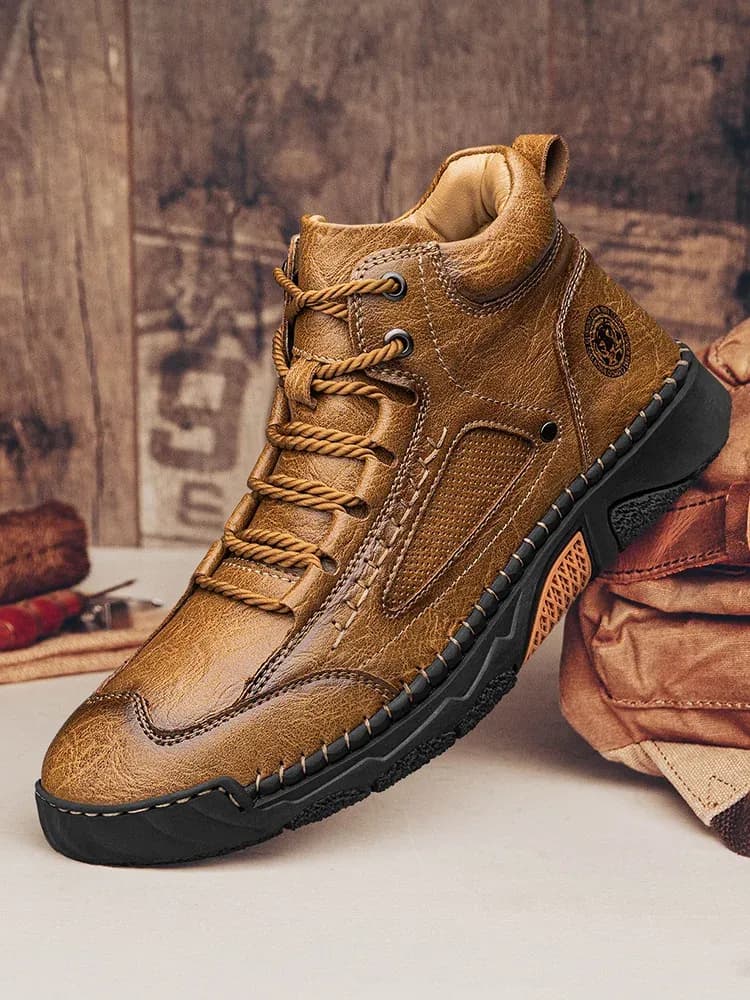
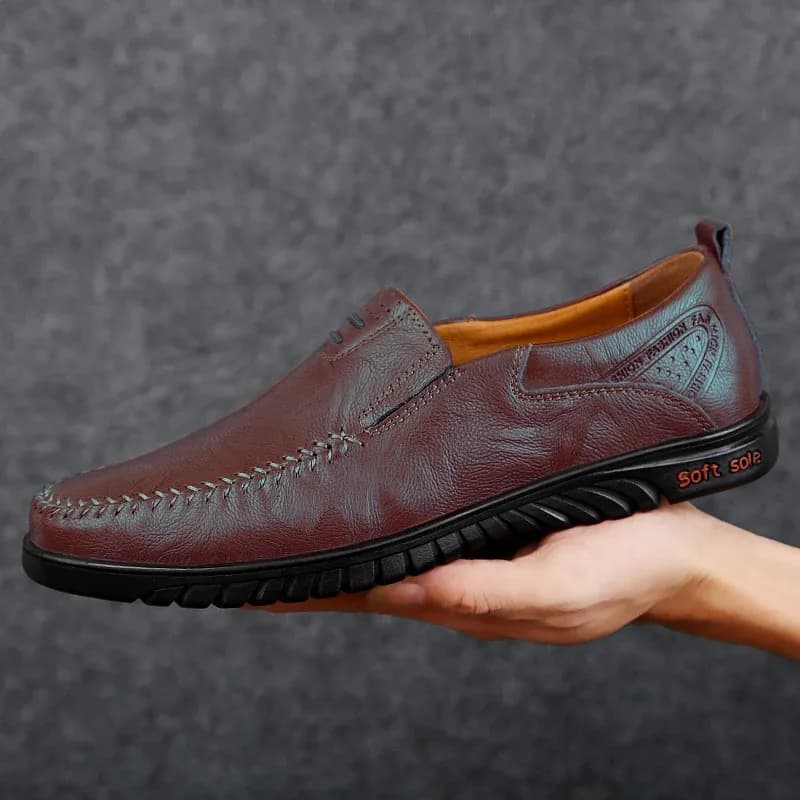

Cold, wet ground is where these boots are meant to earn their keep
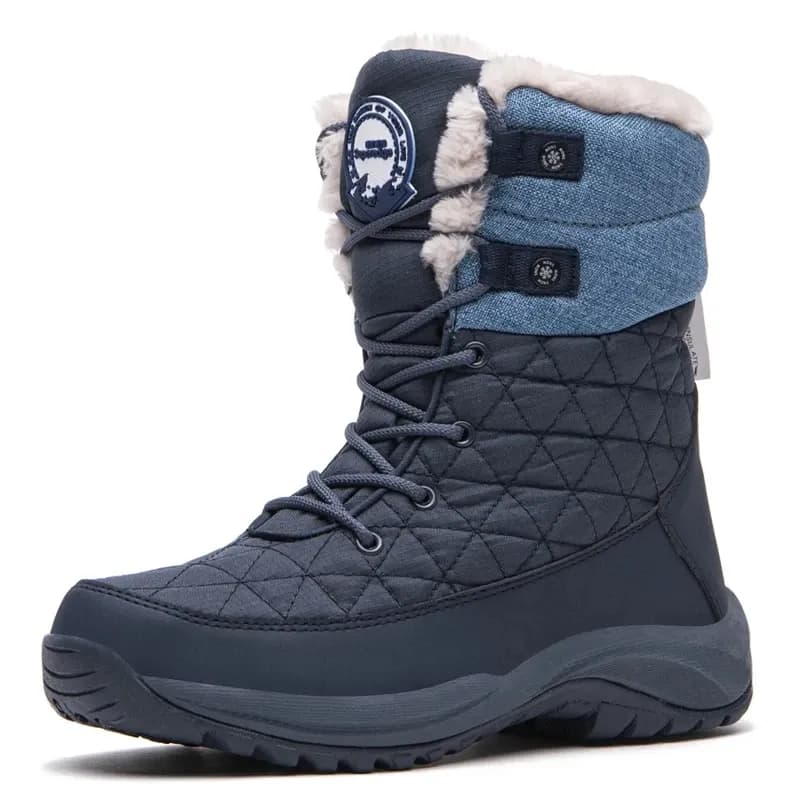
The TNTN winter boot is aimed at users who need warmth and grip without moving into heavy mountaineering footwear. Its waterproof upper, plush lining, and rubber outsole create a straightforward outdoor package for snow, slush, and damp trails.
At S$70.84, it sits in the accessible end of the AliExpress Singapore winter footwear range, which makes the material mix and comfort features the real story rather than premium branding. The question is whether those features translate into day-to-day use, and the spec sheet gives a few clear clues.
Waterproof upper and plush lining: what you actually feel
The upper is synthetic polyester-based material, which usually means easier cleaning and better resistance to wet conditions than untreated fabric. In practice, that should help keep splashes and packed snow from soaking through too quickly, while the plush lining adds the soft, insulated feel people want the moment temperatures drop.
The lining is where this boot should feel most different from a standard trail shoe. Instead of a thin interior that leaves the foot exposed to cold air, the fleece-like finish should hold warmth around the toes and instep, making early-morning walks and winter commutes more manageable.
Rubber outsole and medium width: built for stable winter steps
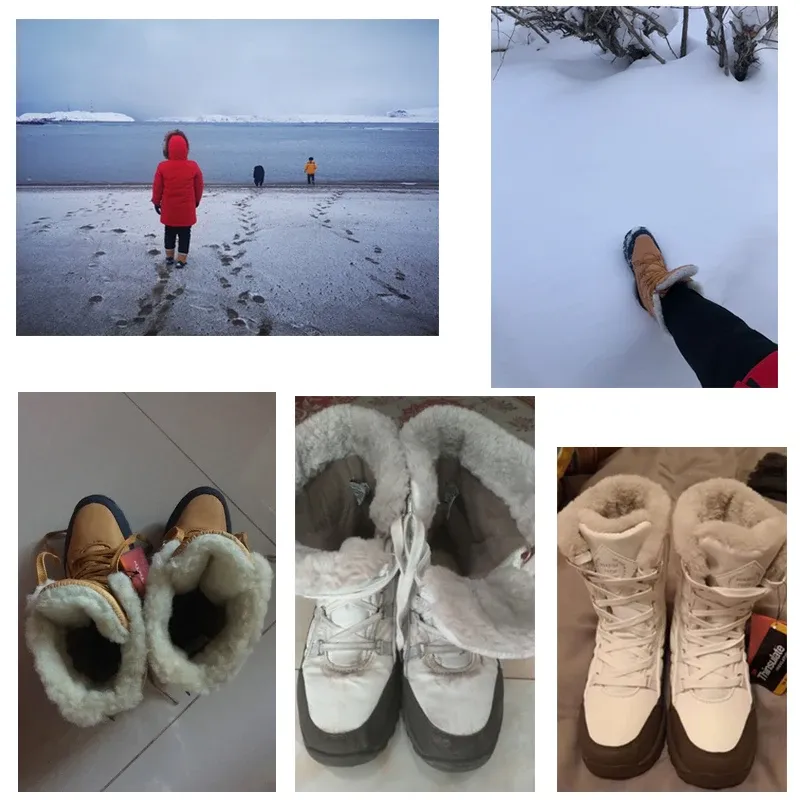
The rubber outsole is the most important practical feature here, because winter footwear lives or dies by traction. On wet pavement, frozen patches, and uneven paths, a grippy sole matters more than a bulky silhouette, and this model appears to focus on that everyday control.
The fit is marked true to size with a medium width, which suggests a familiar, non-restrictive shape for most adult feet. That matters in winter, since thick socks can change the feel of a boot quickly, and a predictable fit is easier to manage than a narrow performance last.
Comfort details that make long walks easier
The EVA insole and MD-style cushioning midsole point to a softer step than many budget snow boots offer. That kind of setup usually reduces the flat, stiff sensation common in entry-level winter footwear, so the boot should be more comfortable on paved streets and light hiking routes.
There is also a height-increasing element in the design, which may appeal to users who want a slightly taller stance without switching to a fashion boot. It is a subtle bonus, but in a winter shoe it can also help keep the foot a little higher above puddles and surface slush.
Where this boot fits better than a heavy snow boot
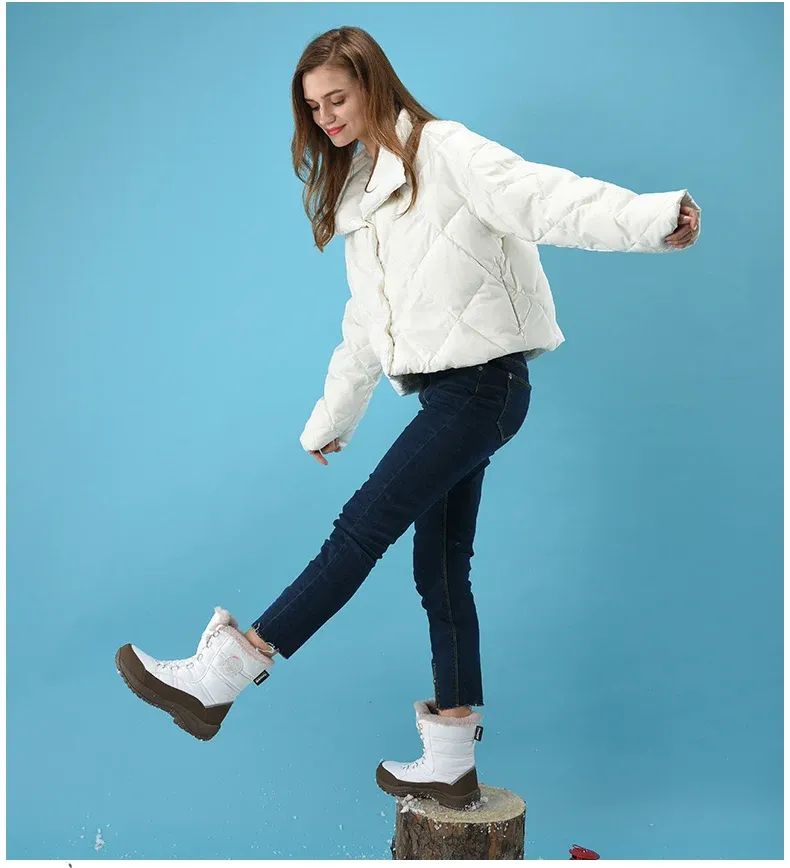
This is not the kind of boot built for deep alpine snow or technical mountaineering. It makes more sense for city winter use, casual trekking, park trails, and travel days where waterproofing, warmth, and walkability matter more than extreme terrain protection.
Compared with a full expedition boot, it should feel lighter and easier to wear for longer periods, while still offering more insulation than a regular hiking shoe. That balance is what makes it useful for mixed winter routines, especially when conditions change between indoors, sidewalks, and outdoor paths.
What users are likely to notice first
Real customer feedback is limited, but the available rating is perfect at 5/5 from one review, which is too small for a broad verdict yet still a positive early signal. Based on the specification set, the strongest first impressions should be warmth, straightforward grip, and a fit that does not require a long break-in period.
For buyers comparing winter sneakers, this model stands out less for fashion and more for practical protection. If you want a boot that looks like a hiking shoe but behaves more like cold-weather gear, the feature mix makes that positioning clear.