







RAX builds outdoor gear with a practical, field-ready mindset
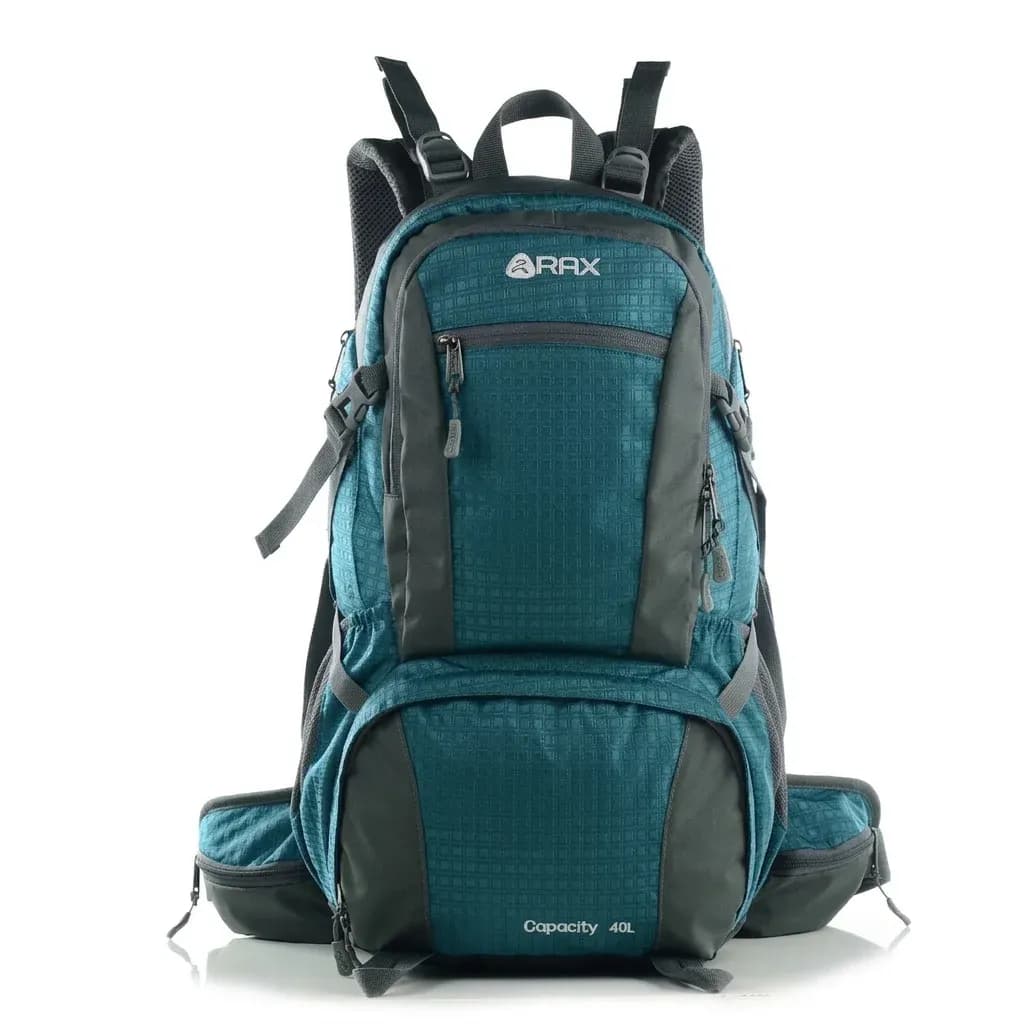
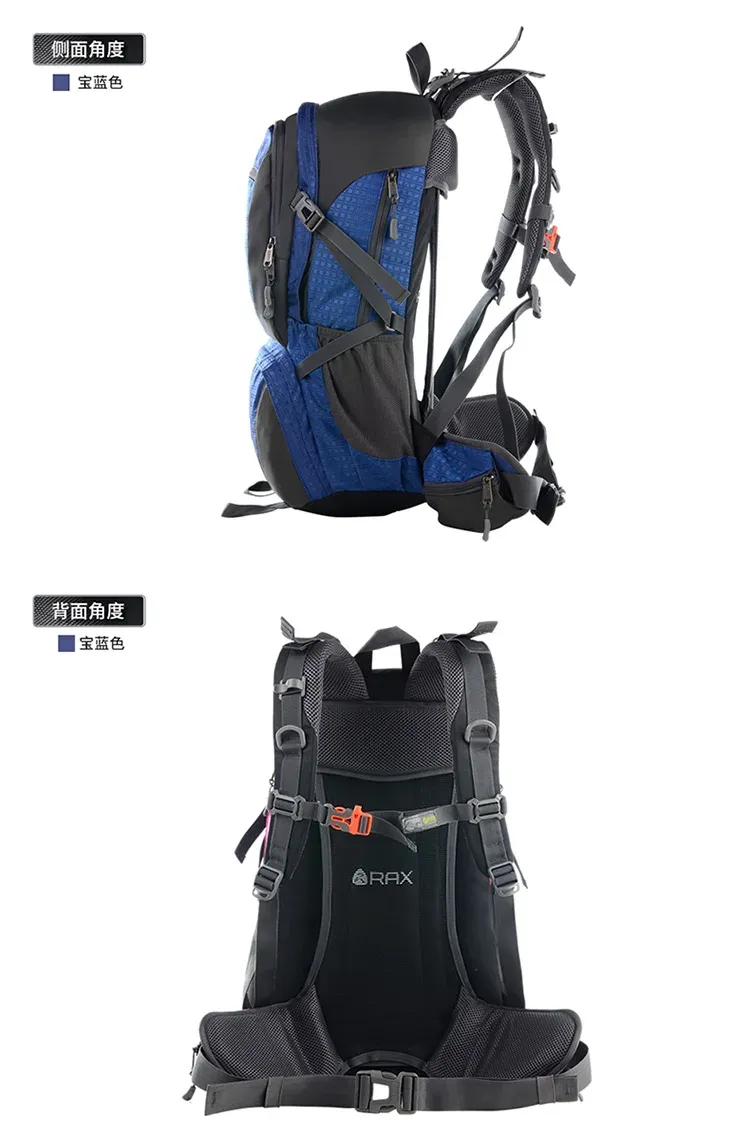
RAX has earned a solid reputation in the AliExpress Singapore outdoor niche by focusing on functional construction rather than flashy styling. This backpack follows that approach with an internal frame, nylon body, and a rain cover, which are the details that matter when a trail turns wet or a load starts to shift.
That kind of design language usually appeals to users who want dependable basics for hiking, climbing, and travel without paying for unnecessary extras. The interesting part is how the layout seems tuned for real use rather than showroom appeal, so the storage logic becomes the main story.
Why the internal frame matters on longer carries
An internal-frame backpack helps keep weight closer to the back, which can make a noticeable difference once the bag is packed with water, layers, and trail essentials. Instead of sagging like a soft daypack, it should hold shape better and feel more controlled on uneven ground.
That matters most on stairs, steep paths, and crowded transit, where a stable pack is easier to manage than a loose travel bag. Users also note that the metal frame can be removed, which gives the pack a lighter feel when you do not need full support, and that flexibility is worth paying attention to.
Nylon shell and rain cover: useful, not decorative
The nylon build gives the backpack a sensible balance of abrasion resistance and lightness, so it should cope better with brush, luggage handling, and repeated packing than a thin casual bag. The included rain cover adds a second layer of weather protection, which is the feature that really matters when forecasts are uncertain.
In practice, that means you can move through light rain with more confidence, especially if you are carrying electronics, spare clothing, or documents. It is not a dry-bag replacement, but for a trekking pack in this segment, the weather setup is more complete than many similarly priced options.
Storage layout looks better suited to organised packing
Customer feedback points to a backpack with many pockets and a top-and-bottom access arrangement, which suggests a more structured packing experience than a single large cavity. That can be useful when you want to separate snacks, tools, clothing, and quick-grab items without unpacking everything.
One detail worth noting is the divider system mentioned by users, which may feel less intuitive if you prefer a completely open main compartment. For travellers who like order, though, the split access can be a real advantage, and the layout raises a practical question: do you value organisation or maximum simplicity?
Comfort on the move, not just at rest
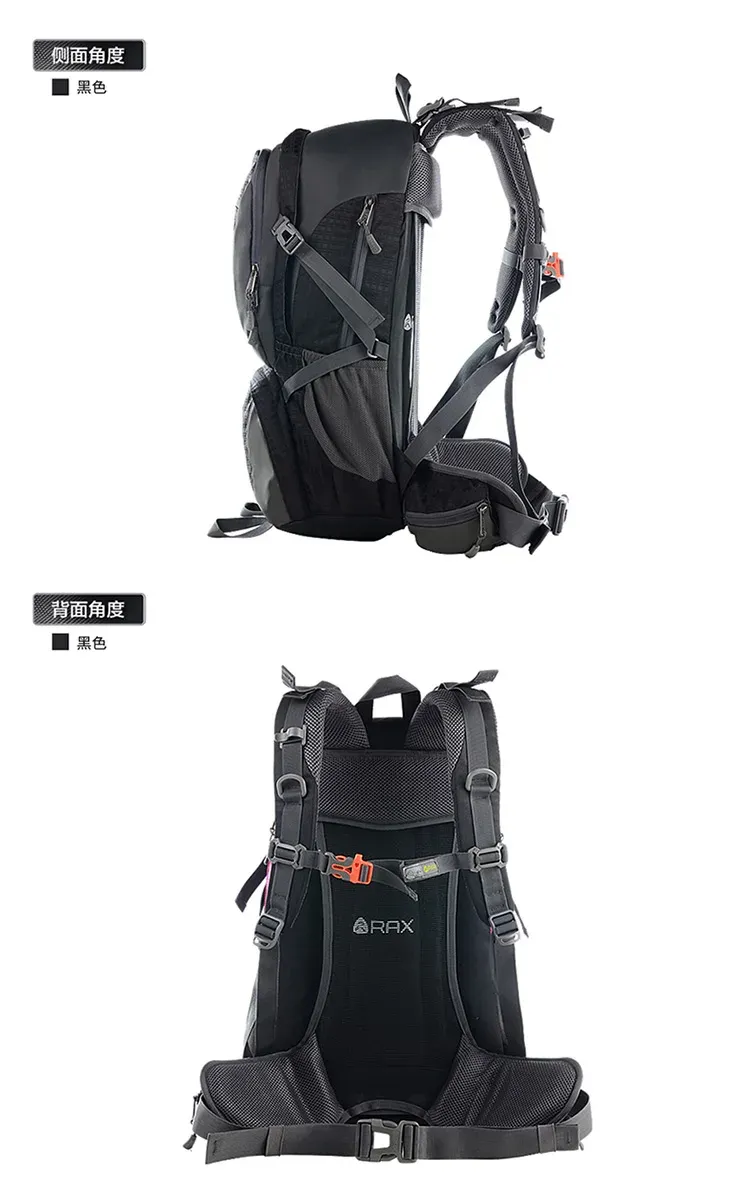
The breathable back design reported by users is an important clue for warm-weather hiking and urban travel, where sweat build-up can become tiring fast. A pack that sits more comfortably against the back tends to stay wearable for longer, especially when you are moving between transport, trails, and checkpoints.
Because this is a unisex model, the fit should be judged by torso length and load distribution rather than by gendered styling. For weekend hikers and mountaineers carrying moderate gear, the comfort profile sounds more convincing than the price alone might suggest.
What real customer feedback says about the build
Real customer reviews are strongly positive, with repeated praise for stitching, zippers, and the overall finish. A few users did mention that the capacity feels closer to about 30 litres than a huge expedition pack, which is useful to know before you plan a multi-day loadout.
That puts the bag in a sweet spot for short hiking trips, travel carry, and outdoor sports where compact organisation matters more than sheer volume. If you were expecting a cavernous mountaineering pack, the size may surprise you, but for many users that smaller footprint is exactly what keeps it manageable.
Best fit for trail days, travel, and mixed-use packing
This backpack makes the most sense for people who move between outdoor and urban settings, because it combines weather protection, frame support, and luggage-friendly structure. It is less about technical expedition performance and more about dependable everyday trekking with enough organisation to stay useful on the road.
If you want a pack that can handle a hike in the morning and a station transfer in the afternoon, the RAX format fits that role well. The remaining question is whether you need maximum capacity or a more compact, better-controlled carry system?