






Health tracking without the smartwatch bulk
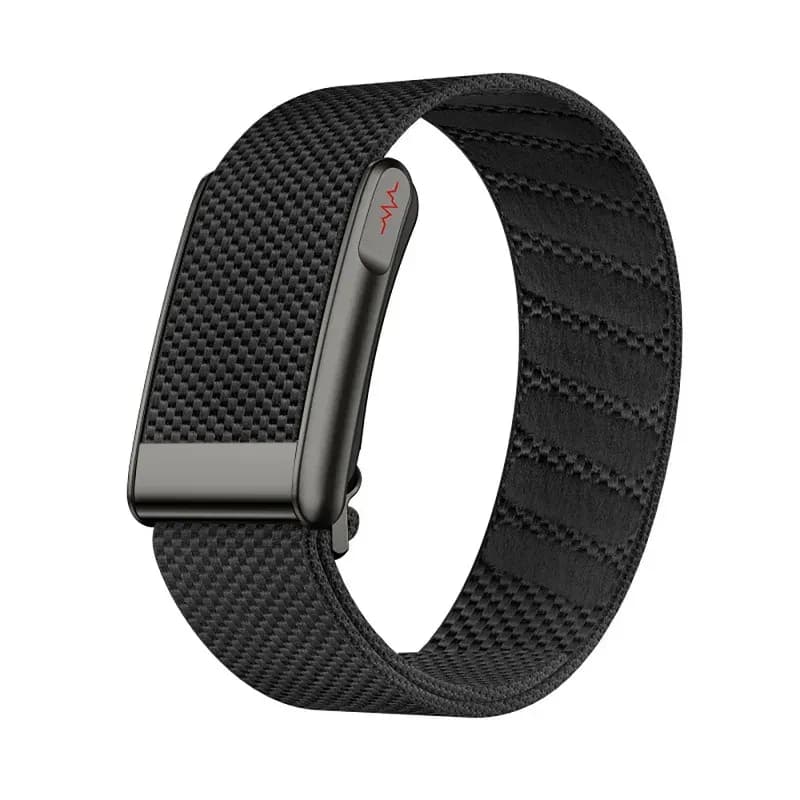
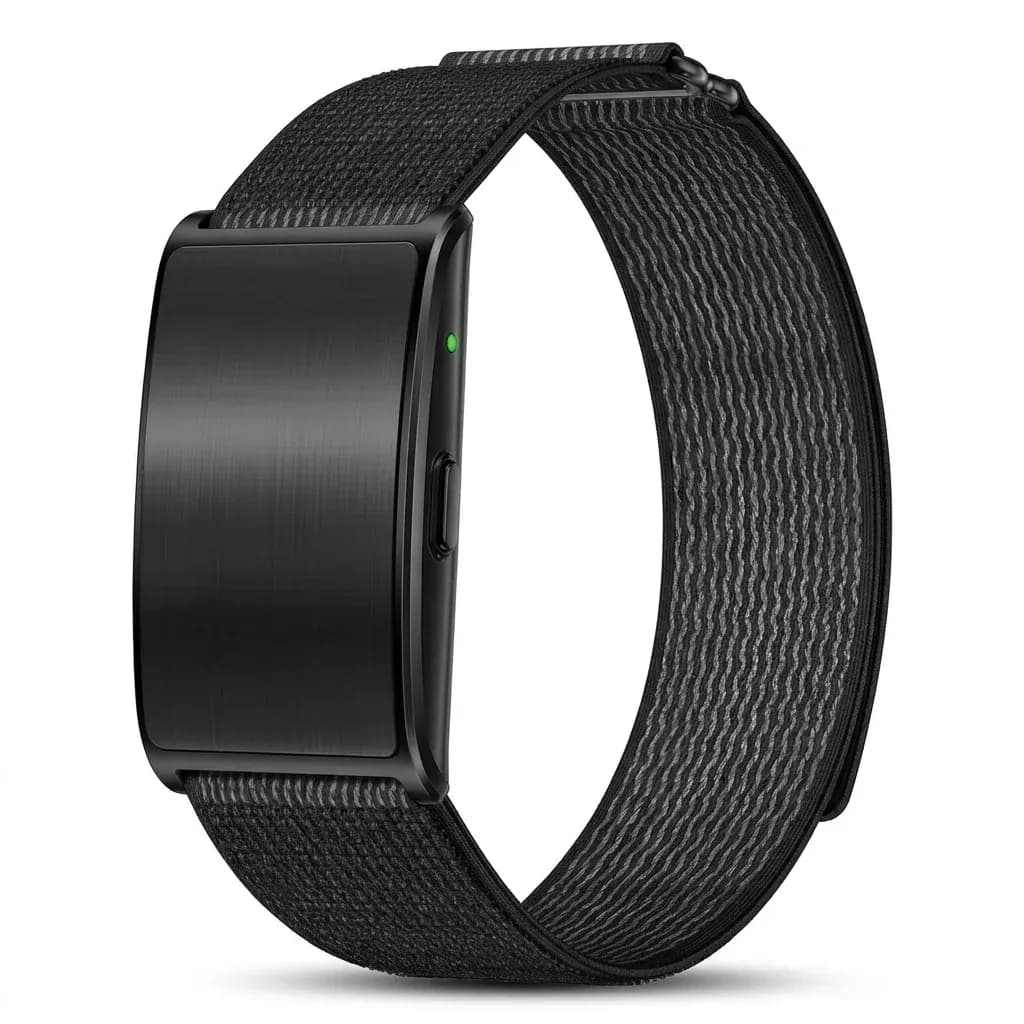
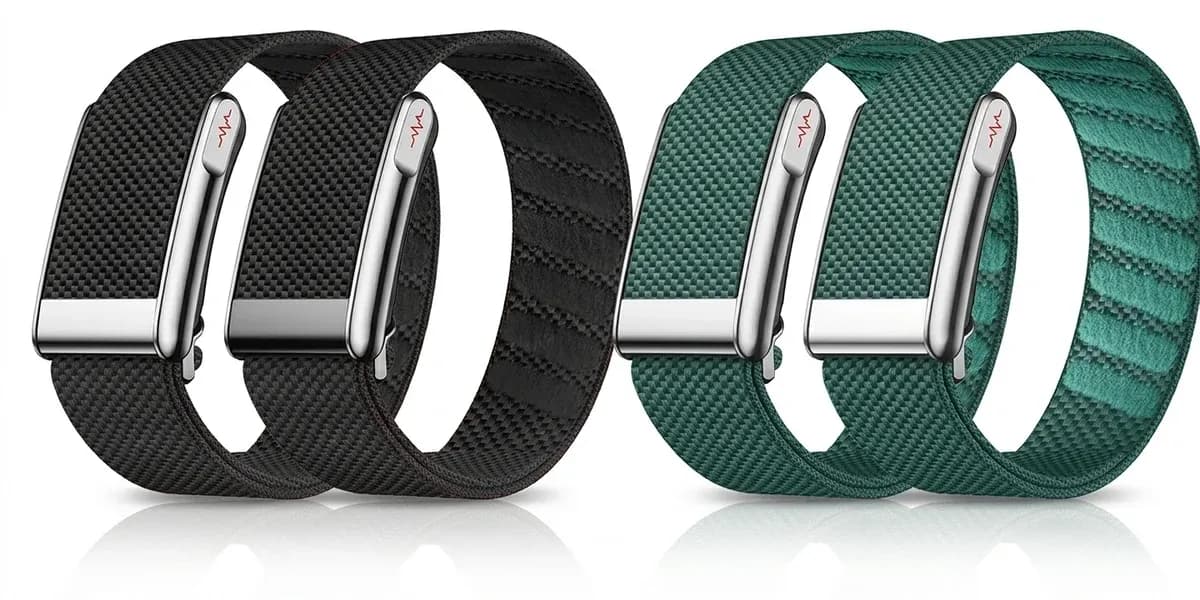
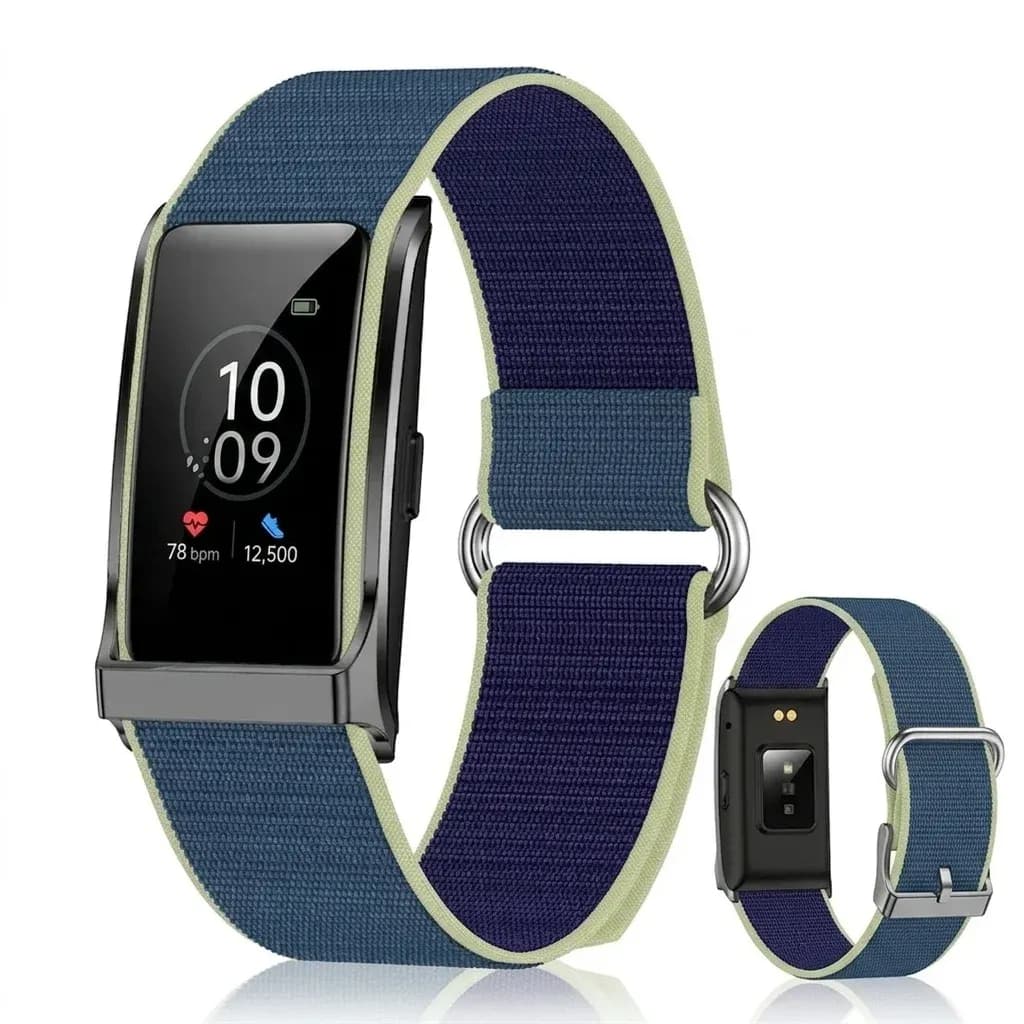
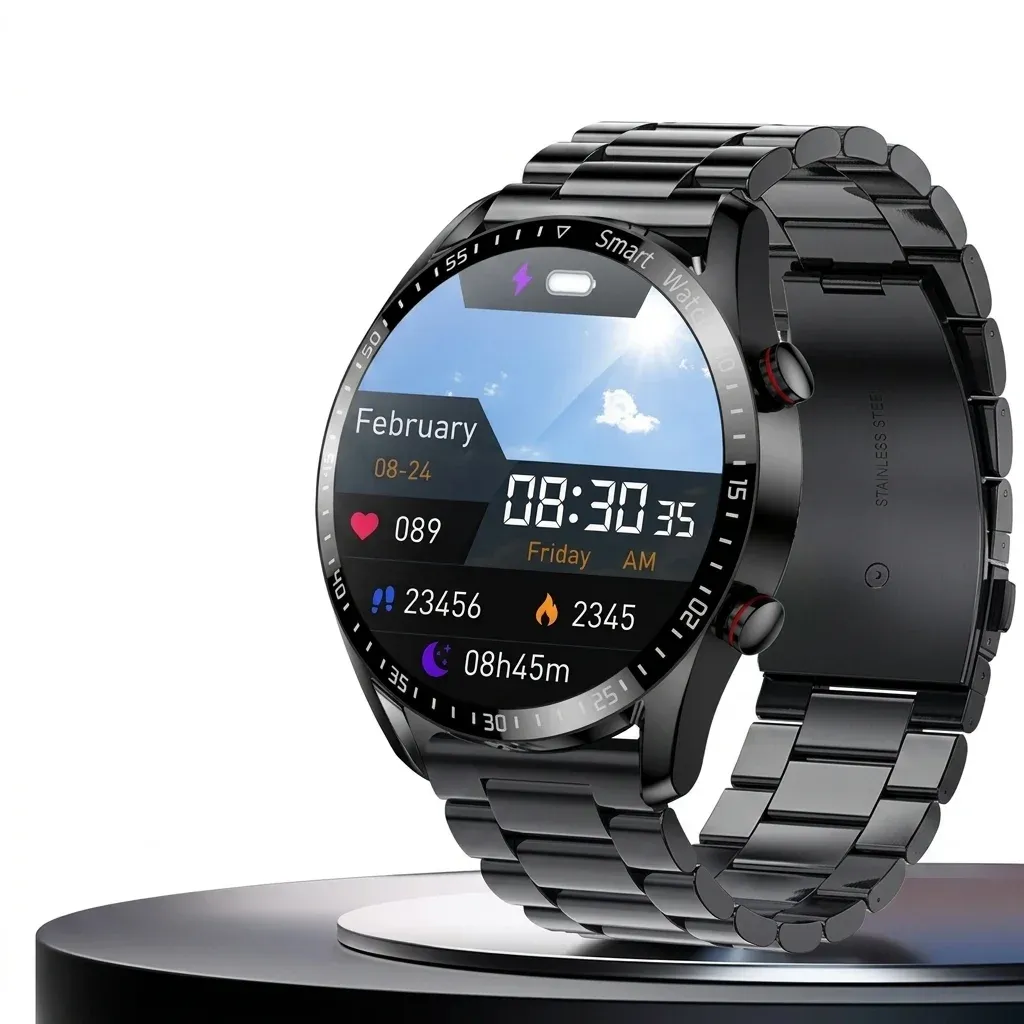
This bracelet is aimed at users who want more than step counts and heart-rate graphs. Its appeal is the mix of wellness metrics and a slim form factor, which makes it easier to wear all day than many screen-heavy smartwatches.
For AliExpress Singapore readers, that matters because compact wearables often trade comfort for features, while this model tries to balance both. The result is a device that looks closer to a fitness band, yet reaches into health-monitoring territory that is usually reserved for larger watches.
ECG and PPG: why the sensor pairing matters
The ECG+PPG combination is the headline feature, and it is the one that separates this bracelet from basic fitness bands. In practice, that means the device is designed to capture both electrical and optical signals, which can give a richer picture of heart-related trends than a single sensor alone.
This should be treated as a monitoring tool, not a medical diagnosis machine, but the extra data can still be useful for spotting changes during rest, exercise, or stressful days. If you already use a standard tracker and want a more detailed health snapshot, this is the part that will catch your attention.
SpO2, temperature, and metabolic markers in one wrist device
SpO2 tracking helps users watch oxygen saturation trends, while body temperature monitoring adds another layer for everyday wellness checks. The unusual part is the inclusion of blood lipid and uric acid tracking, which suggests a more ambitious health profile than most bands in this segment.
Because these readings are highly sensitive to fit, motion, and skin contact, they are best used for trend awareness rather than single-number certainty. That makes the bracelet most useful for people who want to notice patterns over time, especially if they like checking multiple health indicators from one screen.
Waterproof wear for workouts and daily routines
The waterproof build makes the bracelet easier to keep on through training, commuting, and sudden rain. That is useful because wearables often lose value when users take them off too often, and continuous wear improves the usefulness of health data.
For gym sessions, walks, and casual wear, the lighter band-style design should feel less intrusive than a full smartwatch case. If you prefer a device that disappears on the wrist until you need the numbers, this format is likely the stronger fit.
What the price suggests about the positioning
At S$48.32, this product sits in an interesting middle zone: more advanced than entry-level step counters, but still far below premium medical-grade wearables. That makes the value proposition depend on how much you care about multi-metric tracking rather than polished app ecosystems.
According to users, the device appears to be well received at first glance, with early feedback pointing to decent build quality and authenticity. With only two real reviews so far, the signal is positive but still early, so the bracelet looks promising rather than fully proven.
Who will get the most from it?
This is a better match for data-curious users than for people who mainly want notifications, contactless payments, or app-heavy smartwatch features. It is also a practical choice for anyone who prefers a lighter wrist feel while still wanting health metrics that go beyond the basics.
If your priority is continuous wellness tracking with a focus on heart, oxygen, temperature, and broader health trends, this bracelet offers a distinctive mix. The remaining question is how well the readings stay consistent in daily use, and that is where long-term wear matters most.