





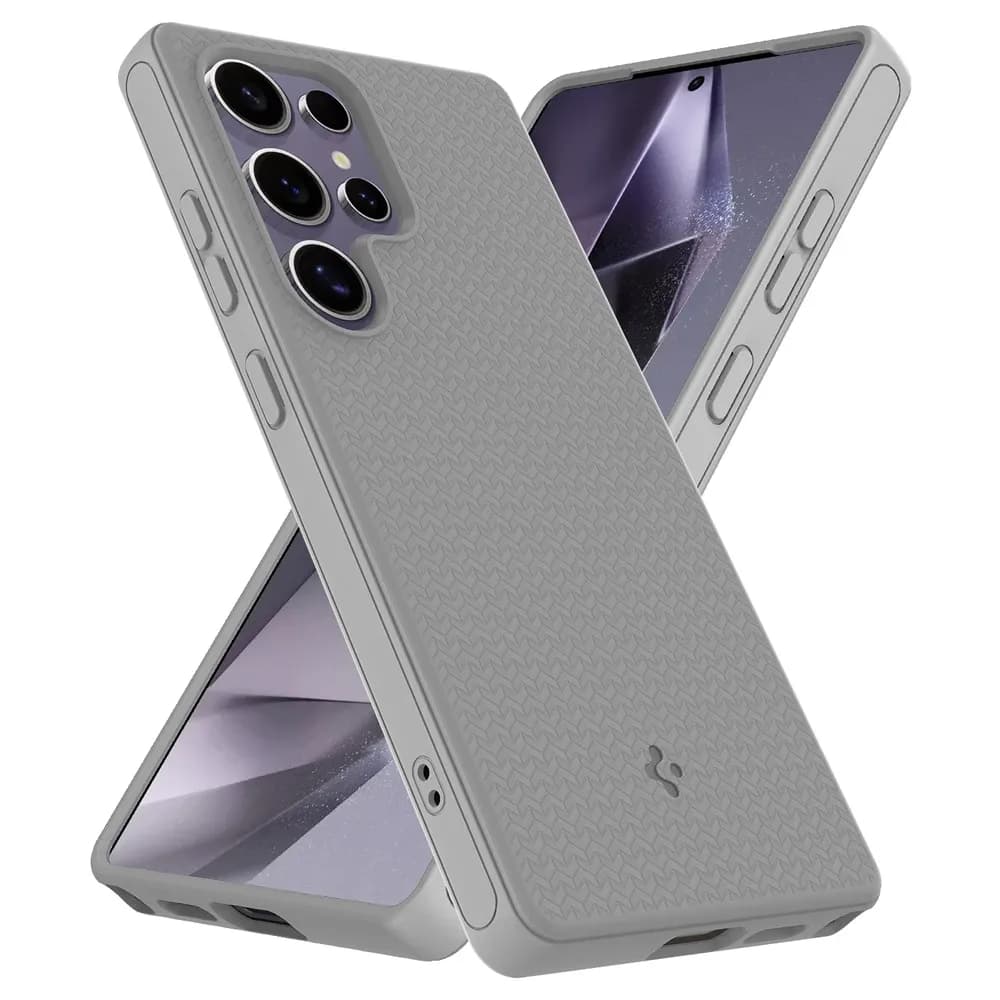

Brand trust matters more than a flashy back print
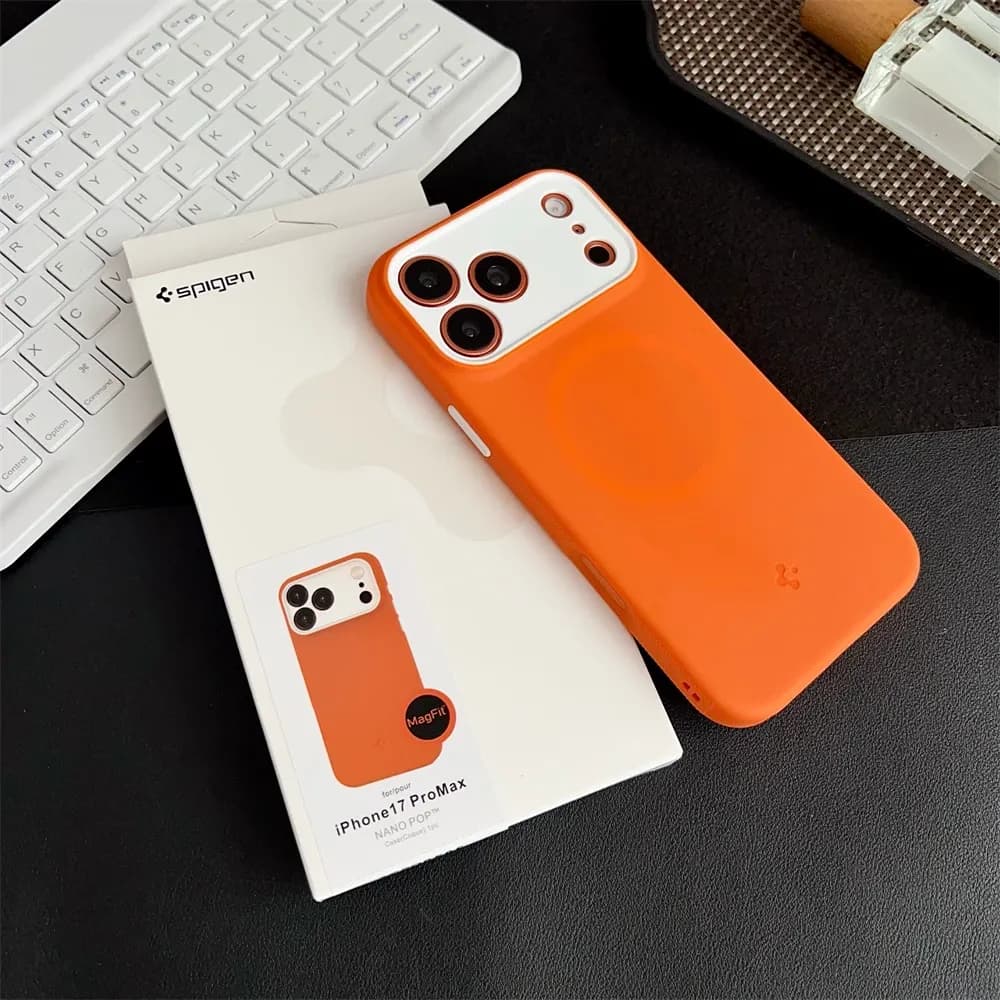
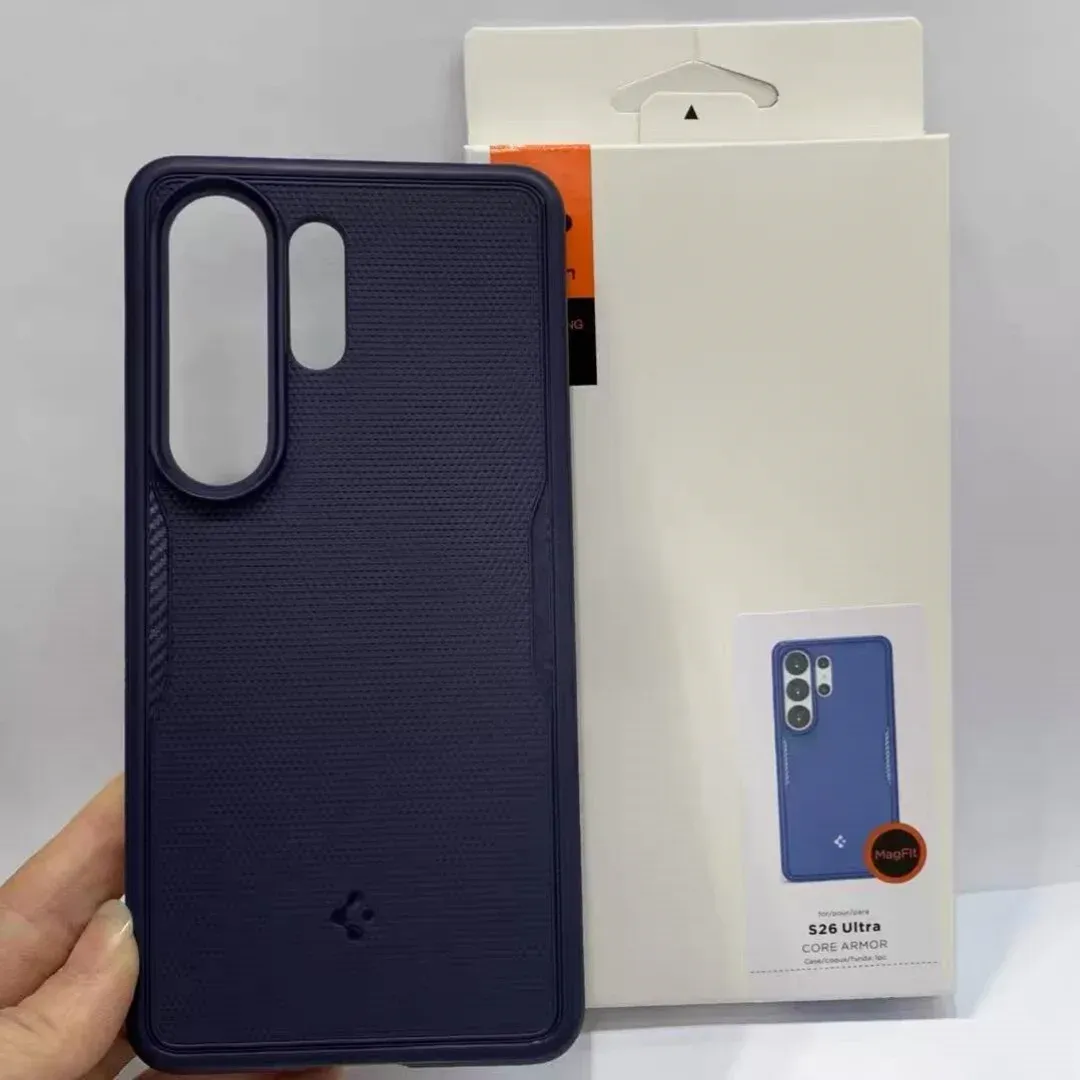
Spigen has built its reputation on cases that usually balance fit, protection, and clean finishing better than generic listings in the AliExpress Singapore marketplace. That matters here, because a magnetic case is only useful if the shell stays aligned, feels secure, and does not interfere with daily handling.
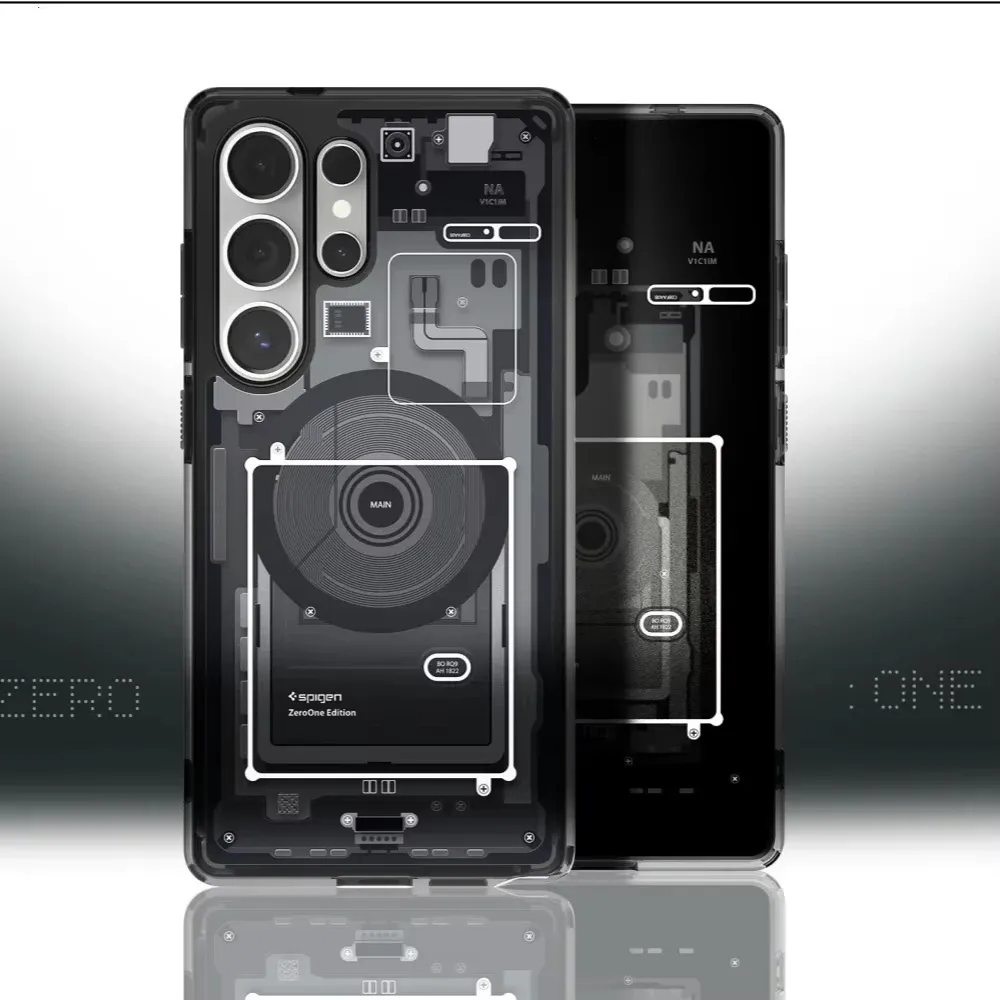
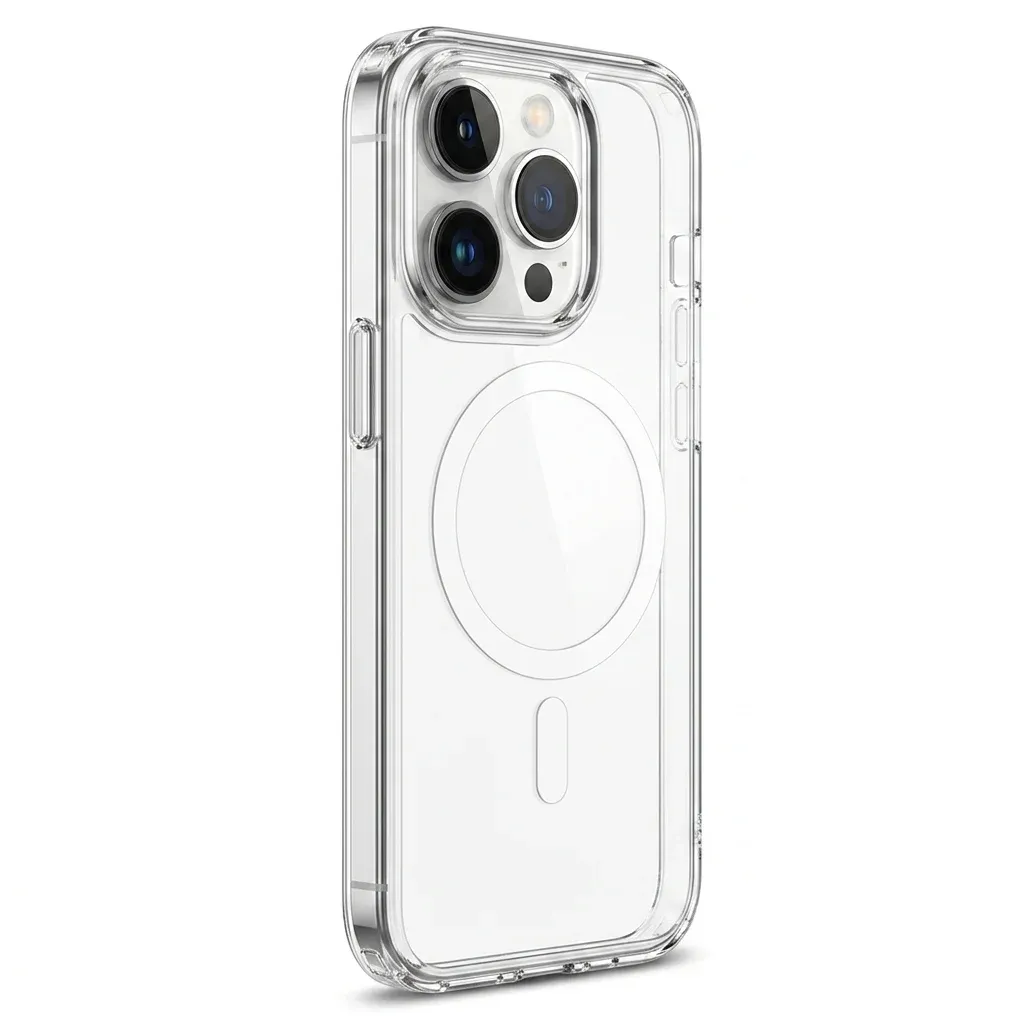
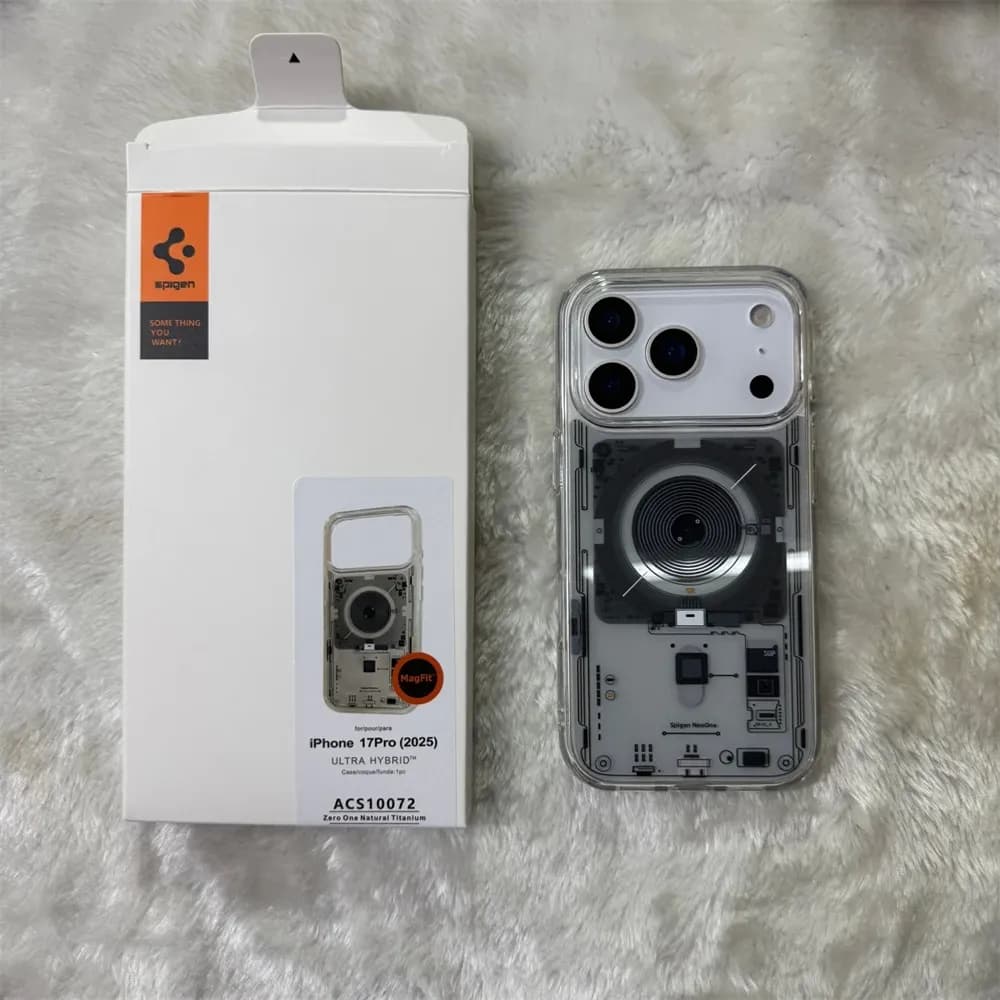
This model follows that familiar Spigen formula with a transparent TPU body and a graphic Zero One styling approach, so the phone keeps some of its original shape while gaining a more technical look. The real question is whether the magnetic layer and protection claims hold up in use, and that is where this case becomes interesting.
Zero One styling that looks sharper than a plain clear shell
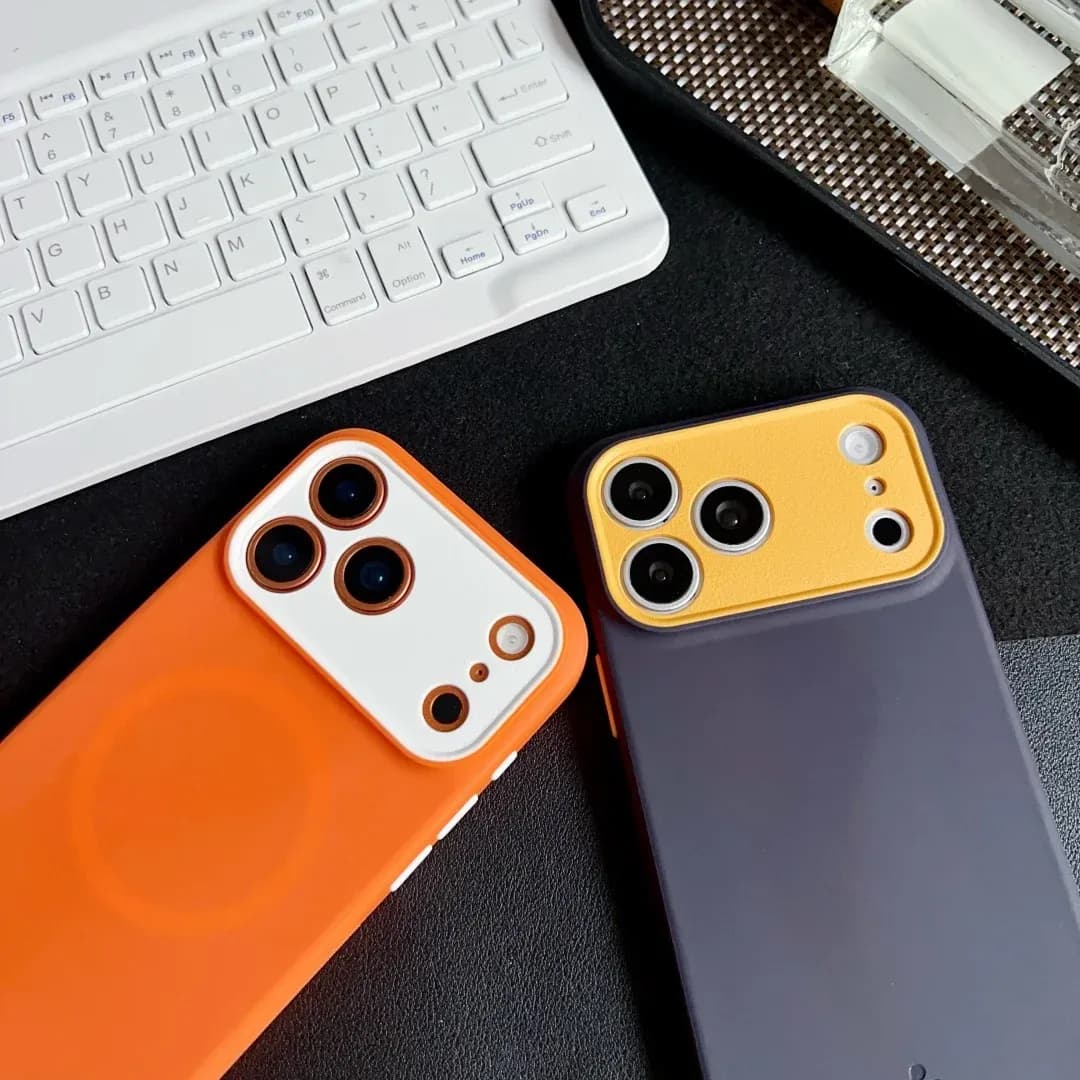
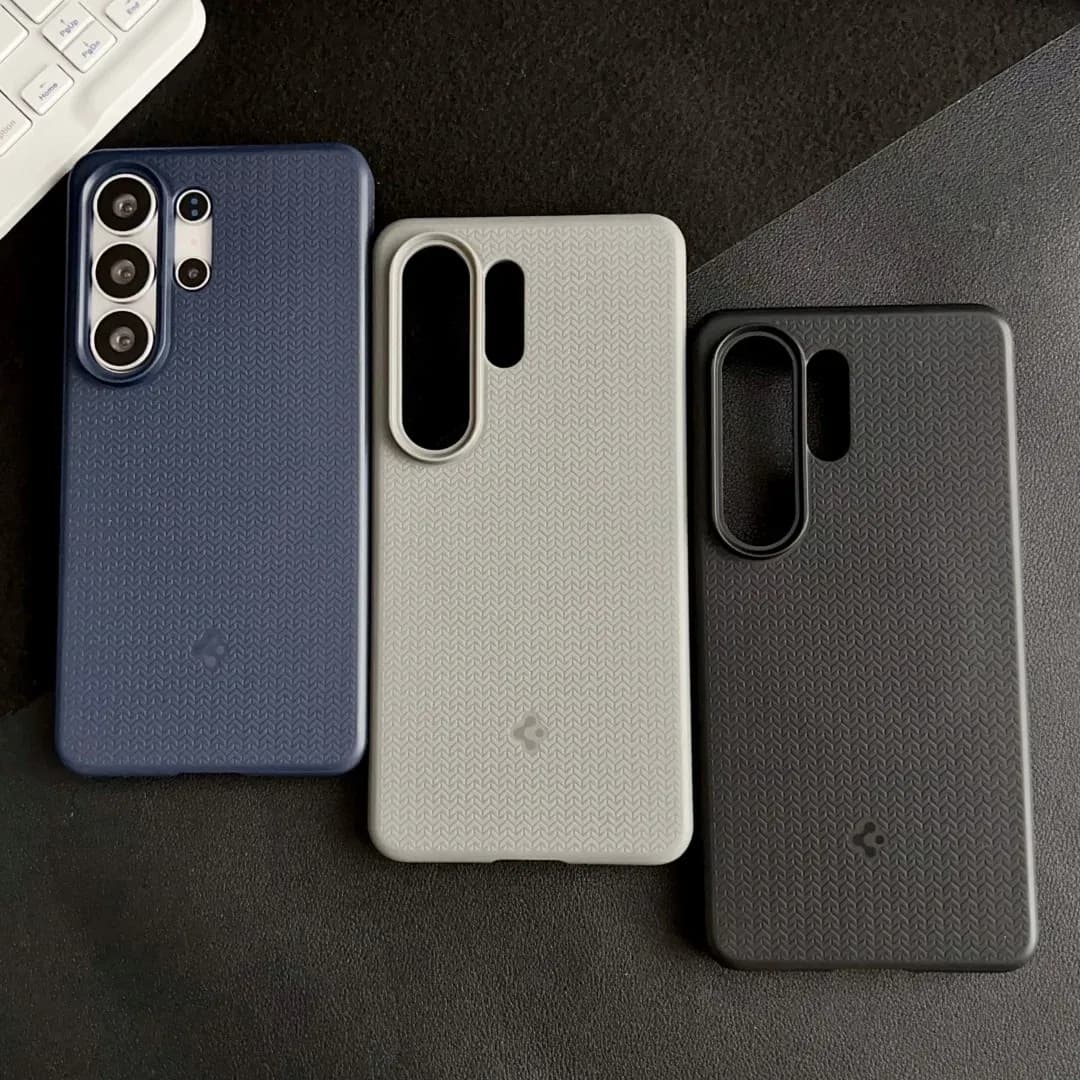
The design is the first thing users will notice, since the printed pattern gives the back a structured, almost industrial look instead of the usual empty clear finish. For Samsung Galaxy S22 Plus through S26 Ultra variants, that can make a large phone feel more deliberate and less like a slab of glass.
Unlike heavily textured rugged cases, this one stays slim enough to show the device profile and still slide into a pocket without much bulk. If you prefer a case that looks premium without turning the phone into a brick, this style sits in a useful middle ground, but how does the protection stack up?
TPU protection for daily knocks, not construction-site abuse
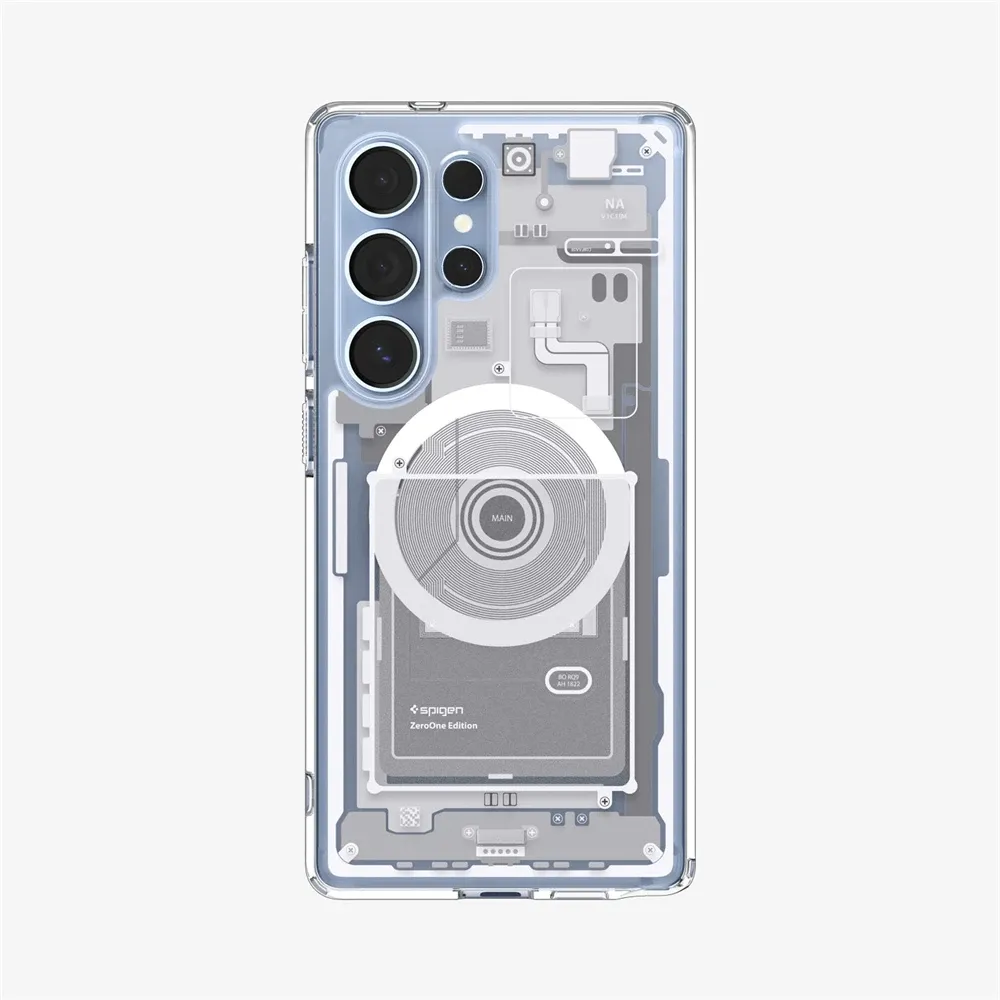
The main material is TPU, which usually gives a softer hand feel than hard polycarbonate and helps absorb small impacts from desk drops or bag friction. The anti-shock and shockproof claims point to everyday protection rather than extreme drop certification, so the case is best understood as a practical commuter shell.
Users also get dirt resistance, anti-scratch coverage, and an anti-fingerprint finish, which should keep the back looking cleaner over time than glossy alternatives. That said, the real strength of this type of case is usually in preventing wear and minor damage, so the next detail is the magnetic setup.
Magnetic ring support and the MagSafe-style question
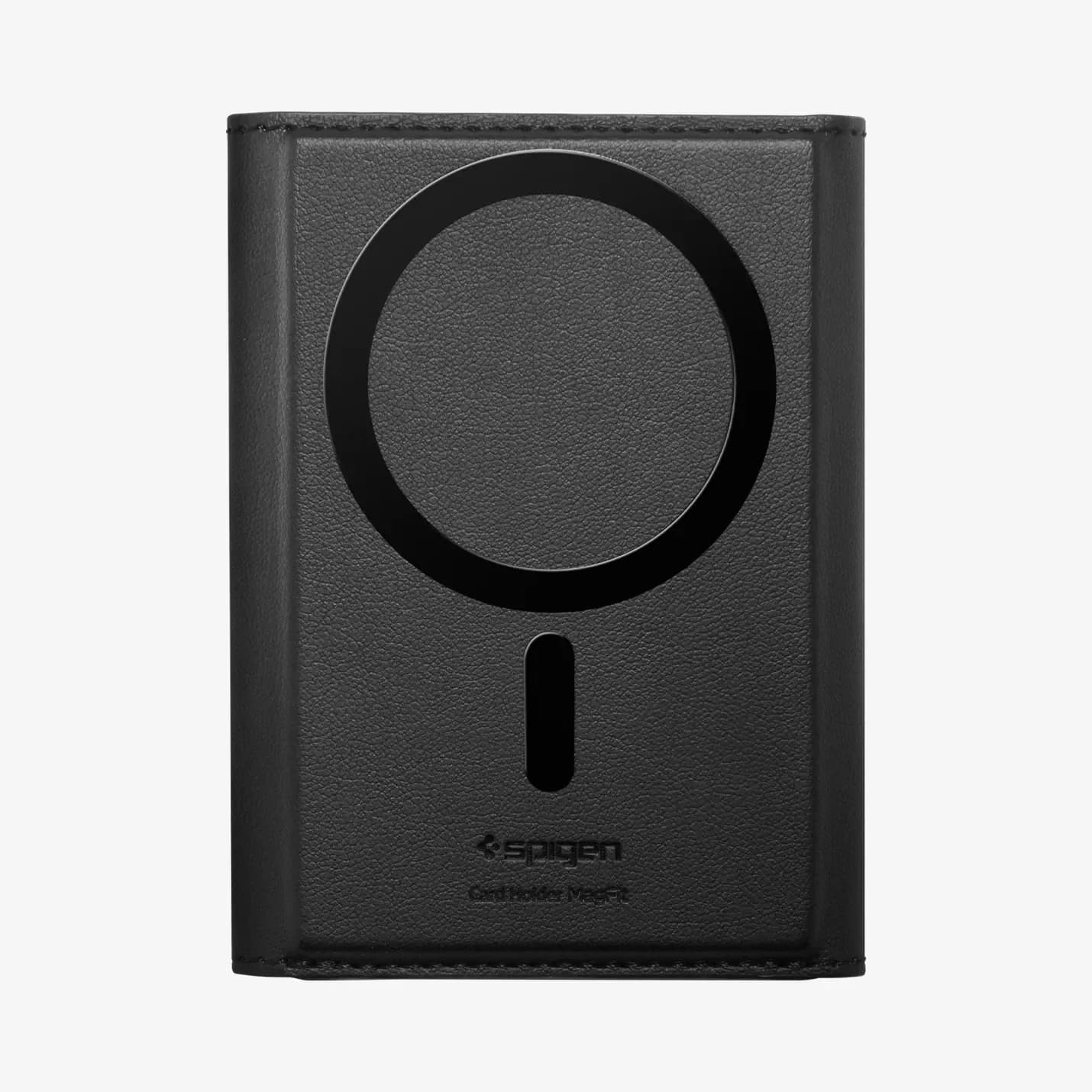
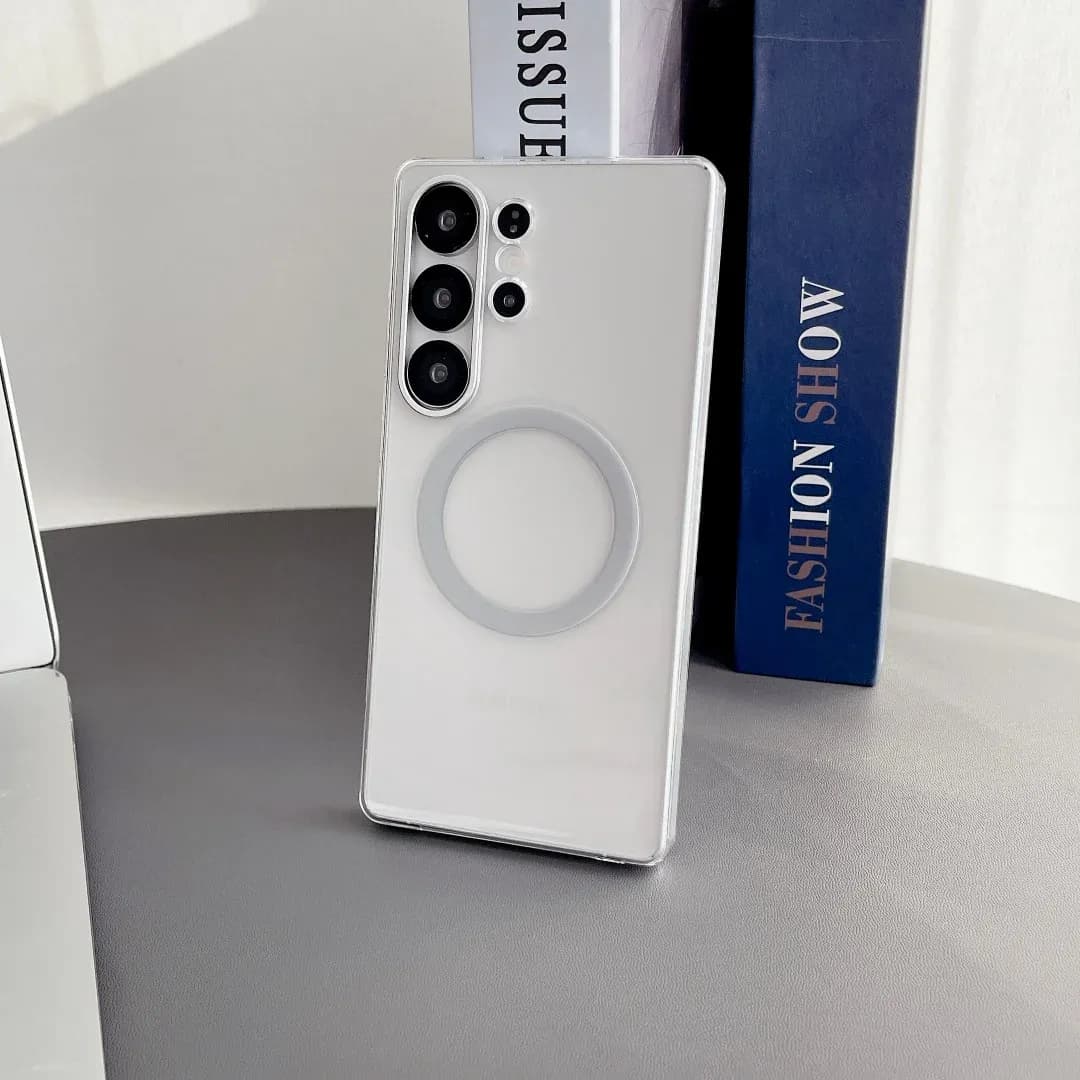
The magnetic feature is the key selling point, since it is meant to work with magnetic chargers, mounts, and wallet-style accessories. Real customer feedback is mixed, though, with one user noting that the magnetic section felt more like a metal plate than a strong magnet, while another said MagSafe-style performance was too weak for reliable use.
That suggests the case is better treated as a magnetic-compatible accessory than a guaranteed high-strength attachment system. If you plan to use it mainly for wireless charging or light magnetic mounting, it may be sufficient, but if you depend on a firm snap for car mounts, that is the detail to watch next.
Camera and screen edges that aim for practical coverage
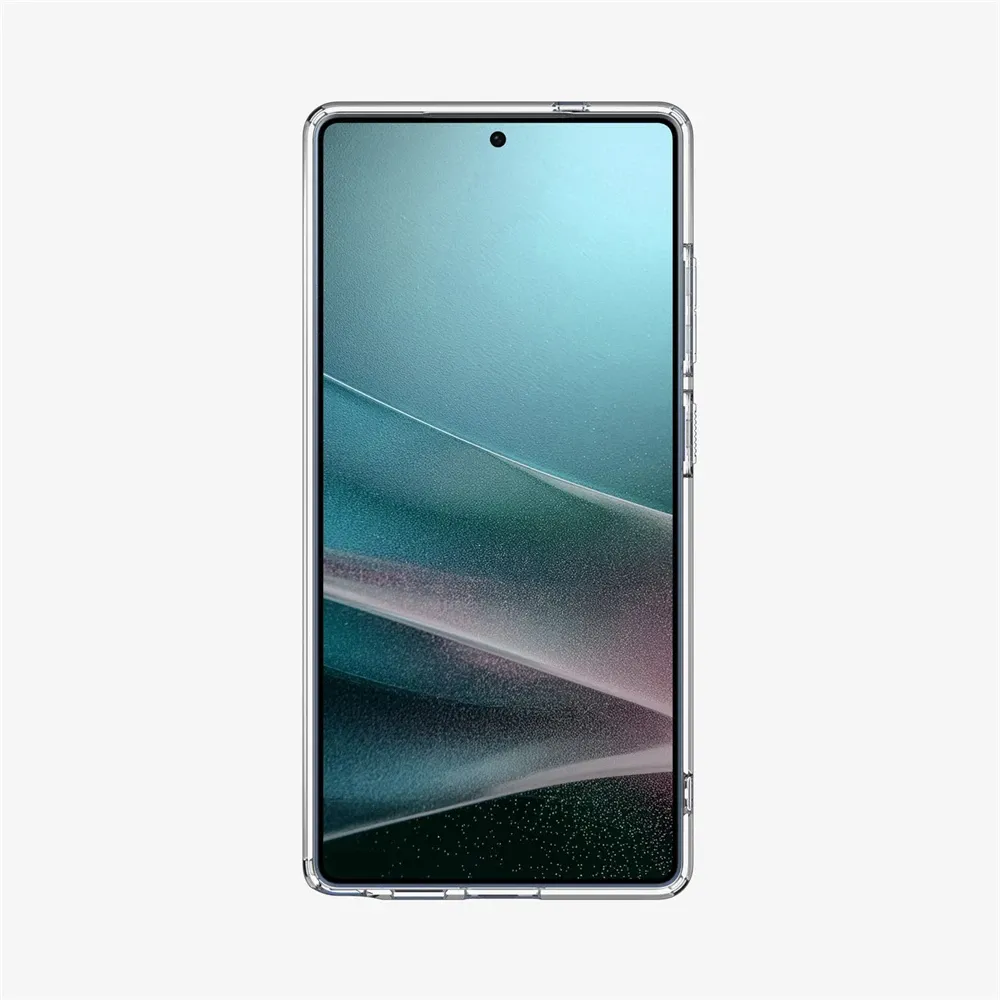
Spigen positions this case as camera-protective and screen-protective, which usually means raised lips around the vulnerable edges rather than full enclosure. That is the kind of protection most users actually need, because phones spend more time resting on tables than surviving dramatic drops.
For Samsung’s larger Ultra and Plus models, edge protection matters because the camera island and display glass are both exposed in daily use. The case is therefore most appealing to users who want a cleaner profile than a heavy-duty bumper but still want a buffer against scratches and small impacts, so what is the trade-off?
Where this case fits better than cheaper AliExpress alternatives
Compared with no-name magnetic cases, the advantage here is the Spigen brand consistency and the more polished industrial design language. The downside is that the magnetic performance appears less convincing than the visual design, so this is not the kind of accessory to choose purely for maximum accessory hold.
In short, it is a style-led protective case with sensible everyday shielding, not a rugged specialist shell. For users who want a neat Samsung case that looks more refined than a generic clear cover, that balance is the main reason to consider it.