





Clean planting holes without fighting compact soil
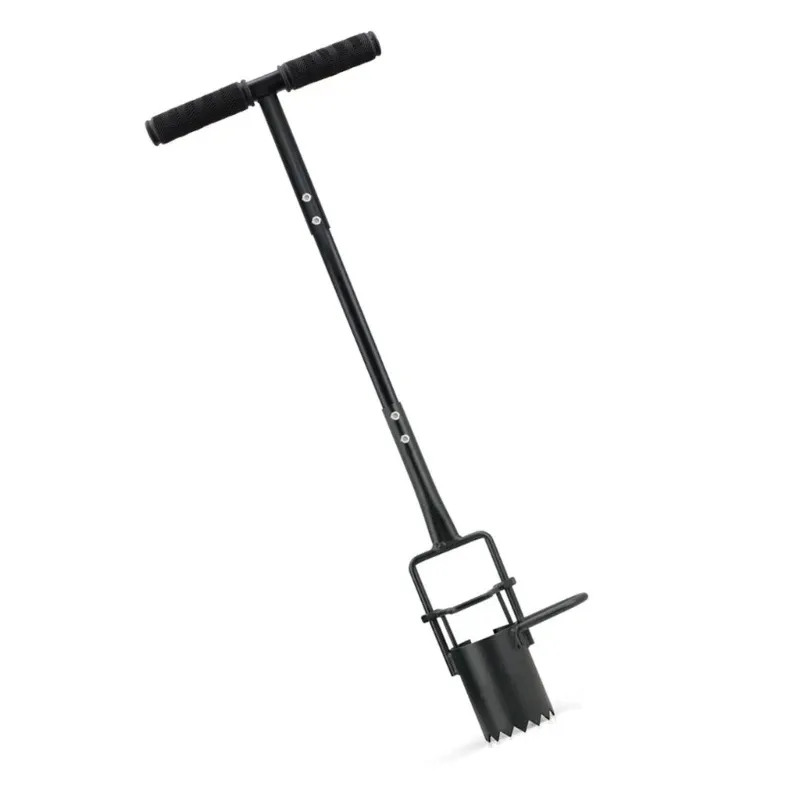
This tool solves a familiar gardening problem: making neat planting holes in ground that resists a trowel or hand dibber. Its pointed tip is designed to enter hard soil with less twisting, which can save time when you are planting in rows or working through dense backyard terrain.
Because the form is narrow and tall, it is better suited to precision planting than broad digging. That makes it useful for bulbs, starter plants, and small shrubs where hole depth and spacing matter, and the next question is how that shape affects real handling.
What the tall profile changes in daily use
A taller planting aid usually gives more leverage and a more upright working posture, which matters when you are covering a large area. Instead of crouching over with a short hand tool, users can keep a steadier rhythm and reduce wrist strain during repeated hole-making.
For professional nurseries, that consistency is useful because uniform holes help seedlings settle at the same depth. In a home garden, it is just as practical for keeping rows tidy, especially when you want a cleaner look across lawn edges, raised beds, or porch planters.
Material claims versus the listing details
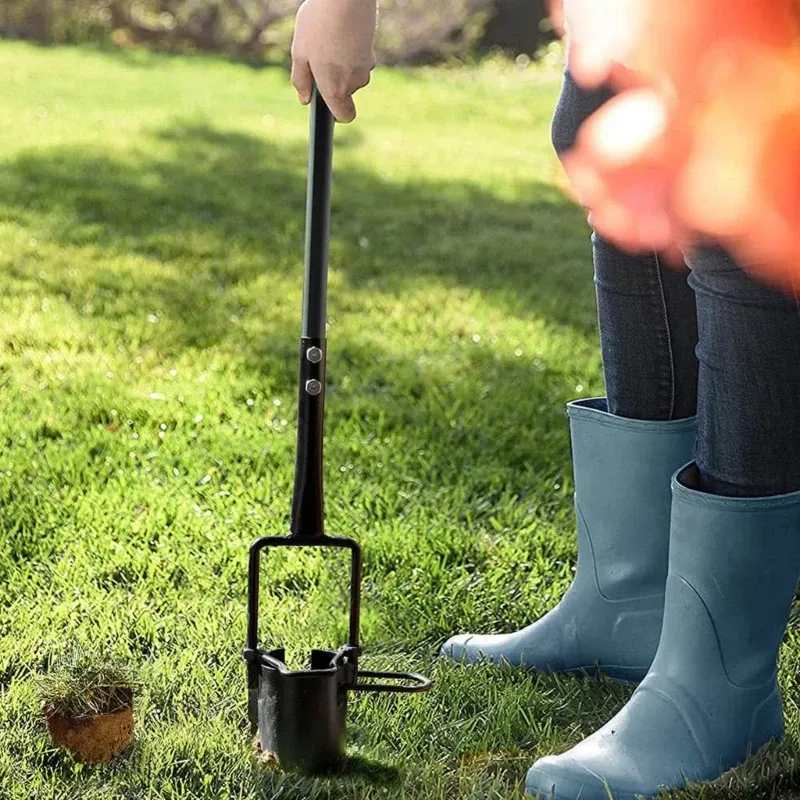
The product description points to an aluminium-alloy body with oxidation resistance, but the structured specs list wood as the main material, so buyers should read the listing carefully. That mismatch matters because aluminium would usually mean a lighter, more weather-tolerant tool, while wood would feel warmer in the hand but need more care in wet conditions.
What you can take from the listing is the intended use: a durable, reusable planting aid for repeated soil penetration rather than decorative gardening gear. If you are comparing it with a basic wooden dibber, this design aims for more rigidity and cleaner entry into packed soil, which is where the tool makes its case.
Precision planting for bulbs and small transplants
The pointed drill-style tip is the key feature for gardeners who want consistent hole diameter instead of rough scooping. That can help bulbs sit more evenly and reduce the chance of uneven depth, which is one reason planting tools like this are preferred in nursery work.
Users who reviewed similar tools often value the predictable hole shape more than raw digging power. If your routine includes setting out dozens of plants, that predictability can matter more than a multi-purpose spade, and it leads naturally to the question of comfort over longer sessions.
Comfort and portability in a small-format tool
The ergonomic handle is meant to keep the grip stable when soil gets stubborn, and a non-slip surface is useful when gloves are damp or dusty. That kind of handling detail does not sound dramatic, yet it is what keeps a planting session smooth when the work stretches beyond a few pots.
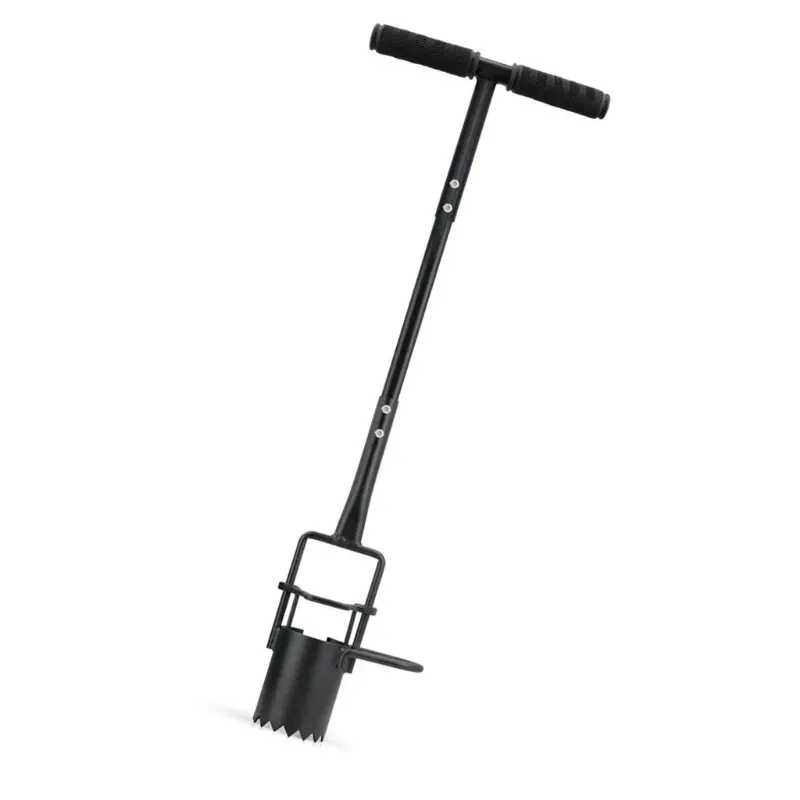
Its compact size also makes it easier to store in a shed, carry in a garden tote, or bring along for outdoor planting projects. For gardeners who move between beds, containers, and small terrain patches, that portability is a practical advantage rather than a marketing line.
Who will get the most value from it?
This tool fits best in settings where planting speed and hole consistency matter more than heavy excavation. It is a sensible match for nurseries, balcony gardeners, and home growers who want a cleaner planting workflow without switching to oversized digging tools.
AliExpress Singapore readers looking for a focused hand tool will find the appeal in its narrow job description: penetrate, shape, and repeat. That simplicity is also its limitation, which is worth considering before you add it to a mixed garden toolkit.
- Best for repeated planting in firm or compact soil
- Useful for bulbs, seedlings, and small shrubs
- More precise than a general-purpose trowel
- Compact enough for shed, tote, or balcony storage
- Comfort-oriented handle supports longer sessions