






Daily appliance care for retainers and dentures
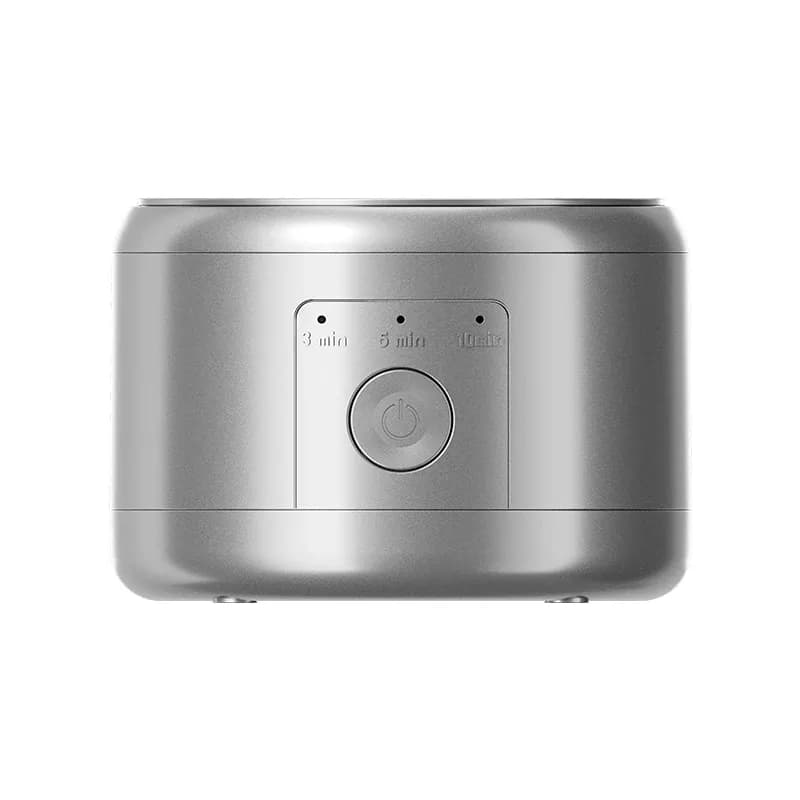
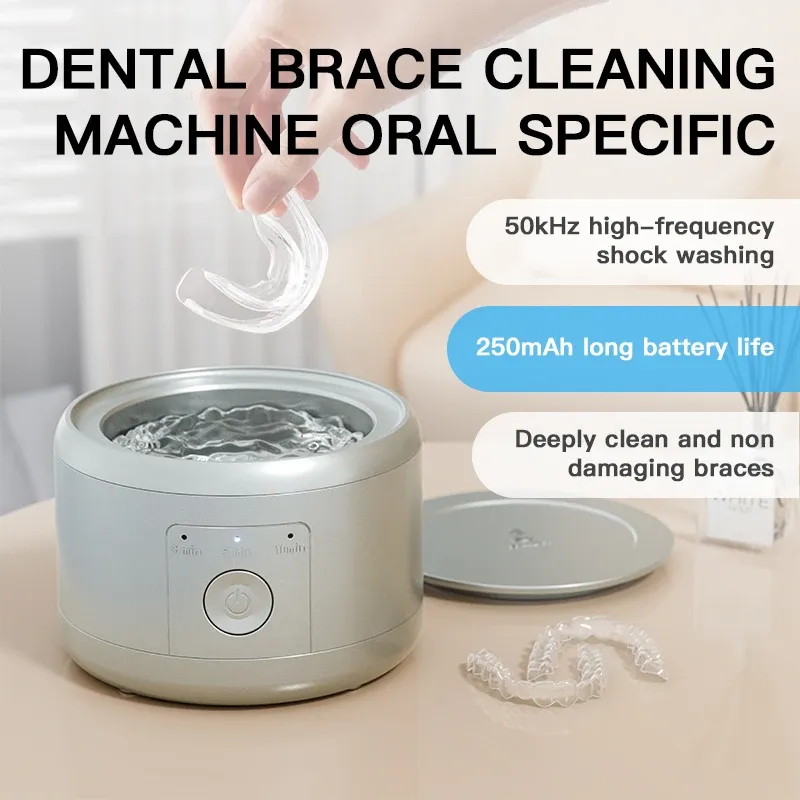
This cleaner solves a familiar problem: oral appliances collect film, odor, and residue faster than a toothbrush can handle. For retainers, mouth guards, aligners, and dentures, a dedicated cleaning bath is more practical than scrubbing by hand because it reaches surfaces that bristles often miss.
At S$6.1, it sits in the impulse-friendly range that makes sense for first-time users or as a backup unit. The low-voltage USB setup also keeps it simple for bedside or travel use, which is the kind of convenience AliExpress Singapore readers usually look for in compact health accessories.
What the 50KHz claim means in real use
The listing positions the unit as ultrasonic, but one user report notes it may behave more like a vibration bath than a true ultrasonic cleaner. That matters because true ultrasonic systems create microscopic cavitation, while simpler vibration-based units rely more on agitation and soaking to loosen buildup.
In practice, that means it is best treated as a maintenance cleaner rather than a deep restoration tool. If your retainer has light daily residue, the device should be useful; if the appliance has hardened deposits or heavy staining, you may still need manual brushing or professional cleaning.
USB charging and safety at a glance
The below-75V DC specification places it in the safety extra-low voltage category, which is reassuring for a small countertop appliance used around water. USB rechargeability also avoids disposable batteries, so the running cost stays low and the unit is easier to keep ready between uses.
The no-brand, Mainland China origin profile is typical of entry-level marketplace hardware, where the real value comes from basic function rather than premium finish. That makes build consistency more important than marketing language, especially when the product is expected to survive repeated lid opening, soaking cycles, and button presses.
Who gets the most value from it
Users with clear aligners, night guards, or removable retainers are the strongest fit because these items need frequent cleaning without scratching. Denture wearers can also benefit if they want a small electric helper for everyday maintenance instead of a larger countertop machine.
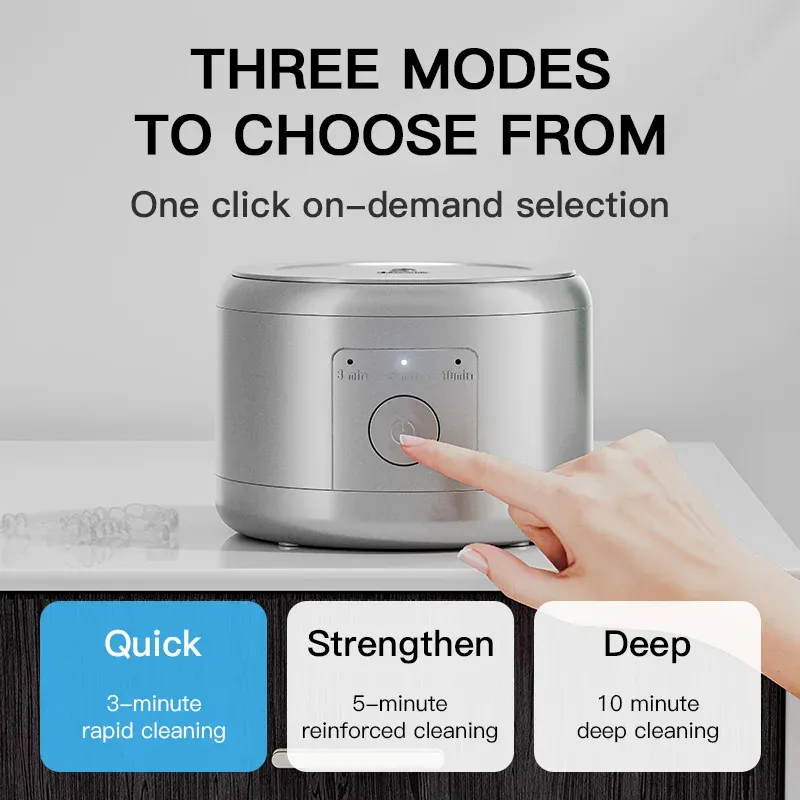
Customers’ feedback is mostly positive on cleaning results and ease of use, though a few reports mention durability issues such as a stuck button or reduced effectiveness over time. That pattern suggests this is a sensible low-cost accessory for light duty, but not the kind of appliance you should expect to handle years of heavy daily use without compromise.
Where it beats manual cleaning
Compared with rinsing alone, the machine gives you a more consistent soak-and-agitate routine that can lift soft deposits from grooves and edges. Compared with larger ultrasonic tanks, it is more portable and easier to store, though it likely trades away raw power and tank capacity.
If your routine is currently just toothpaste and a brush, this type of cleaner can save time and reduce the risk of micro-scratches on transparent aligners. The real question is whether you need a compact maintenance aid or a stronger bench-top cleaner, and that depends on how demanding your appliance care is.