








Built for outdoor sound when your phone battery and lighting are both limited
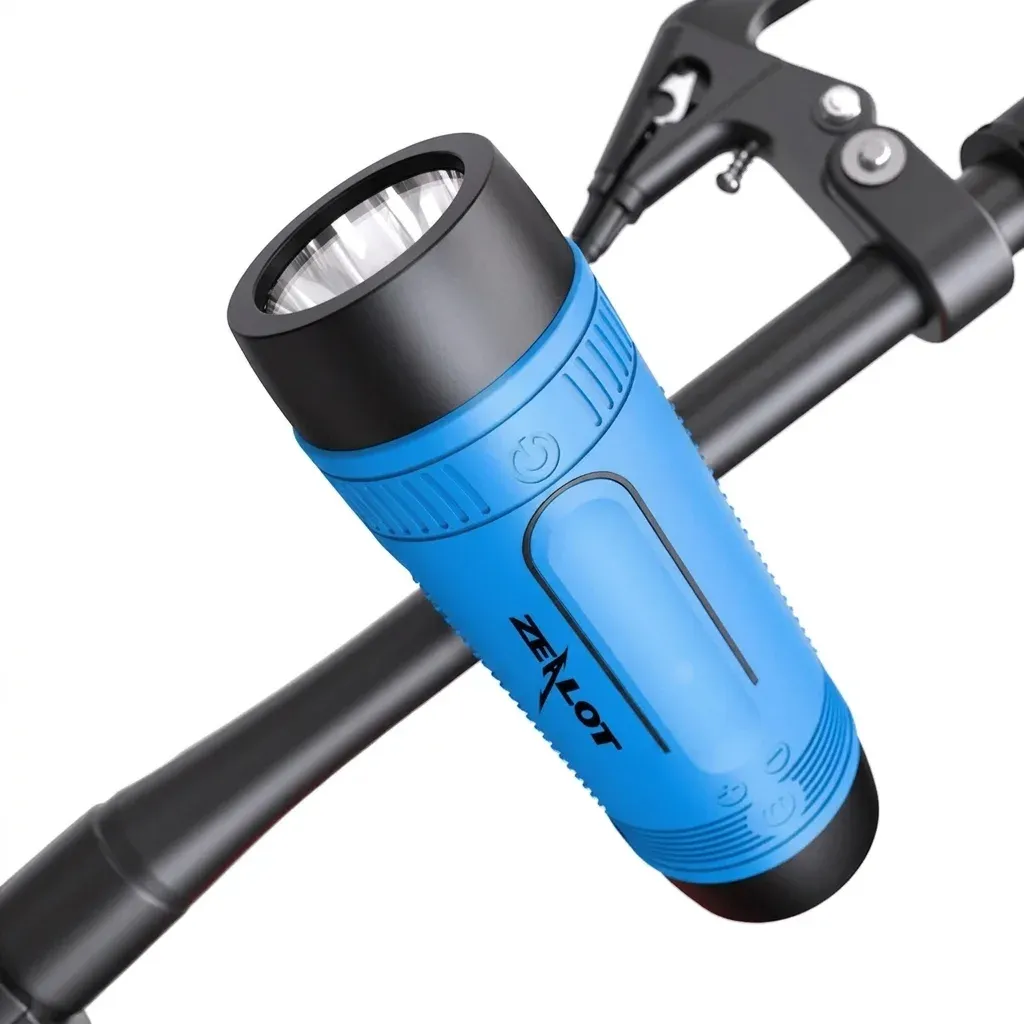
The ZEALOT S1 solves a very practical problem: one compact device that can play music, light a dark path, and give a small emergency charge. That makes it more useful than a basic mini speaker when you are camping, cycling, or packing light for a weekend trip.
ZEALOT has built a solid reputation in the AliExpress Bluetooth speaker niche by focusing on multi-function outdoor models rather than chasing flashy app features. That approach shows here, because the S1 is simple, portable, and aimed at real use rather than spec-sheet theatrics.
5W output and a 57mm driver: what you actually hear
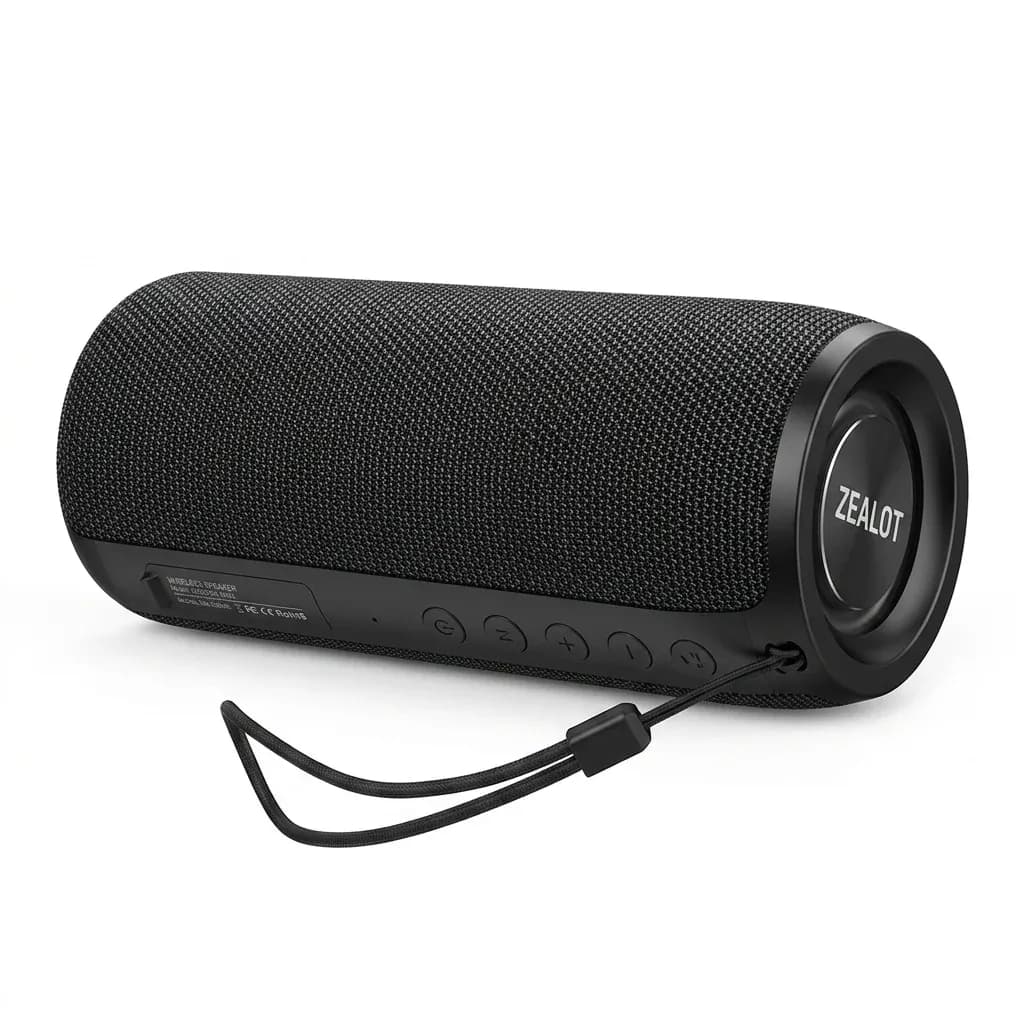
The speaker uses a 57mm full-range driver with 5W output, which is enough for close-range listening, a tent, a picnic table, or a bicycle stop. It will not replace a larger stereo speaker, yet the tuning is meant to keep vocals clear and bass present without sounding muddy at low volumes.
With a frequency response listed at 80Hz to 20KHz and distortion at or below 1%, the S1 is designed for controlled everyday playback rather than party-level volume. Users who want a compact speaker that sounds cleaner than a phone speaker usually value this kind of balance, and the 2.0 channel layout helps keep the presentation straightforward.
Bluetooth 5.0 and TF card playback make it more flexible than a phone-only speaker
Bluetooth 5.0 gives the S1 a claimed transmission distance of up to 10 metres, which is enough for a bag, a bike handlebar setup, or a campsite table. The TF card slot is the real convenience feature here, because it lets you enjoy music without keeping a phone connected the whole time.
That matters when you are outdoors and want to save phone battery for navigation or calls. It also explains why this model fits camping use better than many tiny speakers that depend entirely on constant Bluetooth streaming.
Flashlight and SOS modes add value beyond audio
The built-in LED flashlight is not just a novelty; it gives the S1 a second role as a small emergency tool. The three SOS light modes are useful for low-light walking, finding items in a tent, or creating a visible signal when you need attention.
Real customer feedback is mostly positive on portability and the flashlight function, while a few users noted that the light is more basic than expected. That is worth knowing, because the S1 is best treated as a practical utility light attached to a speaker, not a dedicated torch.
3000mAh battery: enough for a long evening, not a full weekend
ZEALOT lists up to 8 to 10 hours of music playback from the 3000mAh battery, with about 5 hours needed for charging. In practice, that is enough for an evening ride, a day trip, or several short sessions before you need a top-up.
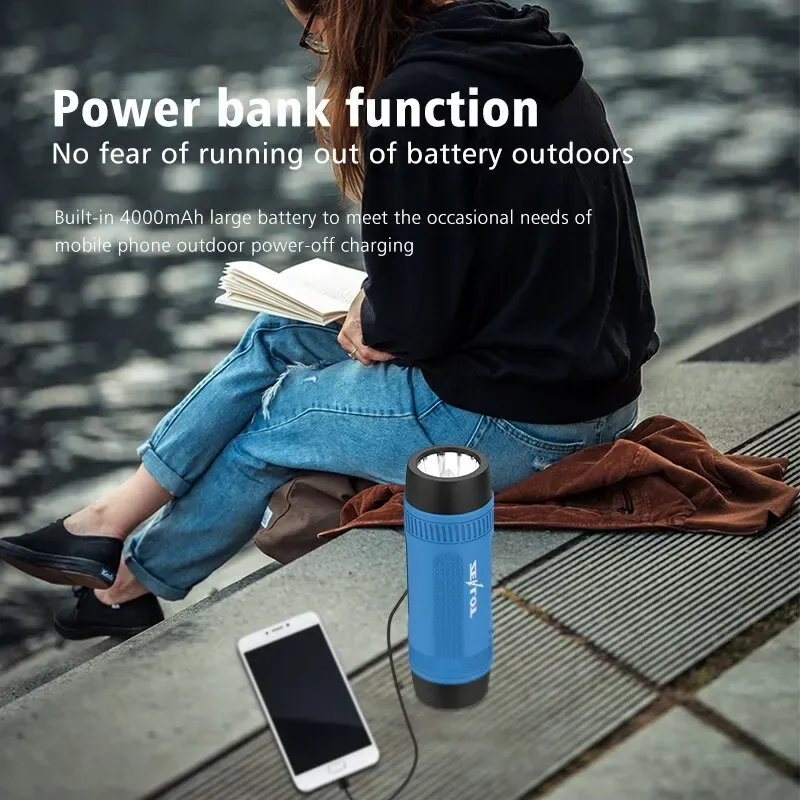
The power bank output is rated at 5V/1A, so it is useful as an emergency reserve rather than a fast charger. If your main goal is to keep earbuds or a phone alive for a short period, that feature adds real value; if you need serious charging speed, you should look higher up the range.
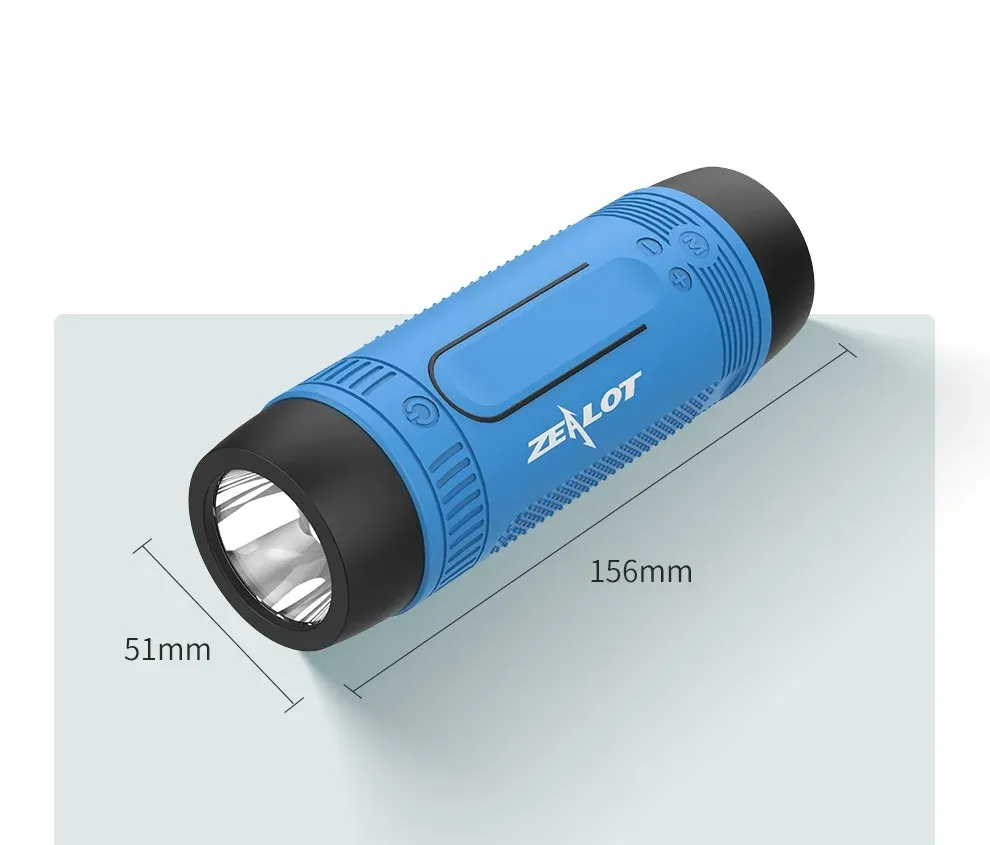
Small body, metal accents, and a carry-friendly 260g build
At 15.5 x 5 x 5 cm and about 260g, the S1 is easy to slip into a backpack side pocket or clip into a travel kit. The plastic cabinet keeps weight down, while the metal elements give it a sturdier feel than many ultra-cheap mini speakers.
That compact footprint is the main reason the S1 works well for bicycle use and casual outdoor carry. It is not trying to be a home speaker, so the design makes sense when the next stop might be a trail, a campsite, or a roadside break.
Who gets the most from it at this level
At S$15.53, the ZEALOT S1 sits in a value-focused bracket where multi-function utility matters more than premium sound staging. The strongest case for it is the combination of audio, flashlight, TF playback, and emergency power support in one small device.
For readers of AliExpress Singapore, that combination is what makes the S1 interesting: it is not a specialist speaker, but it is a useful travel companion that earns its place in a bag. The next question is whether its compromises are acceptable for your use case?