





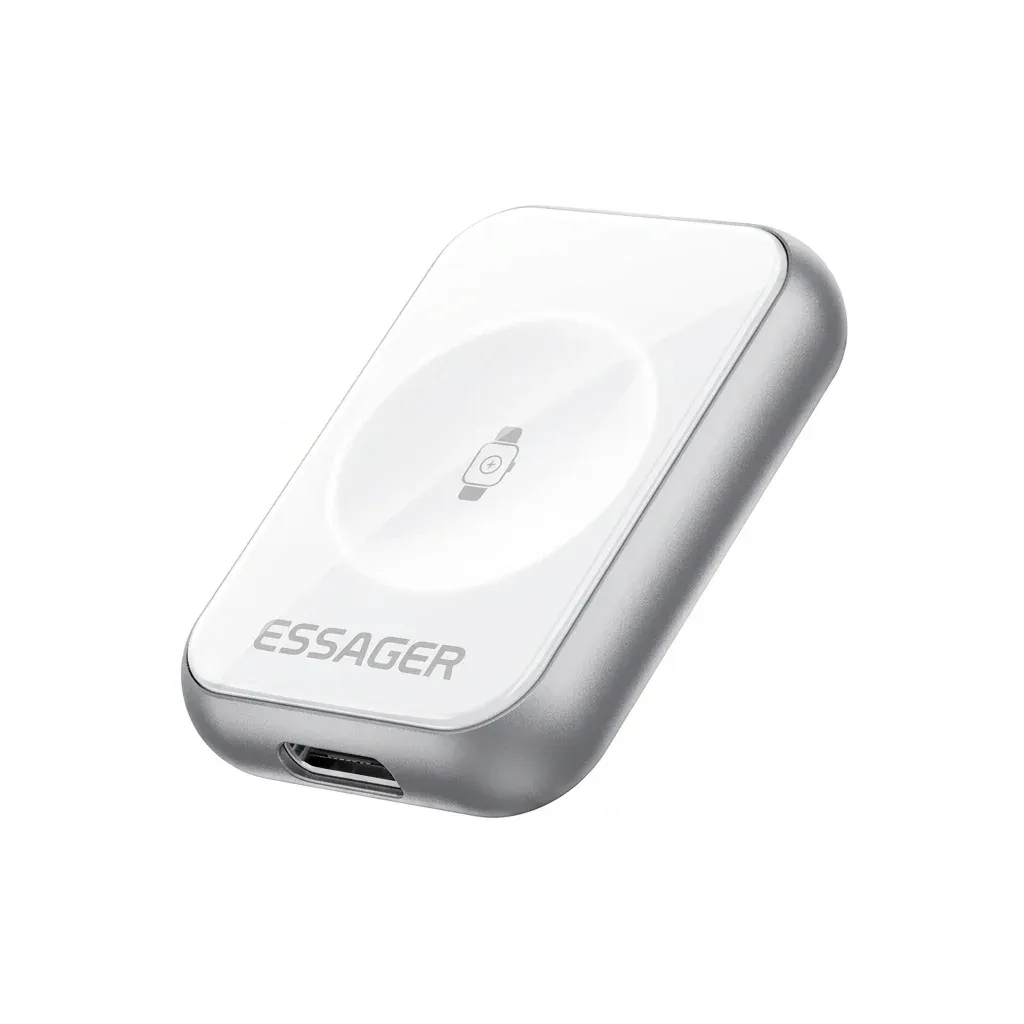

Essager’s practical edge in AliExpress wireless charging
Essager has built a solid reputation in the AliExpress Singapore niche for making accessories that feel more refined than the average budget listing. The brand usually focuses on clean industrial design, useful extras in the box, and specifications that are easy to compare, which makes this charger easier to trust than vague no-name alternatives.
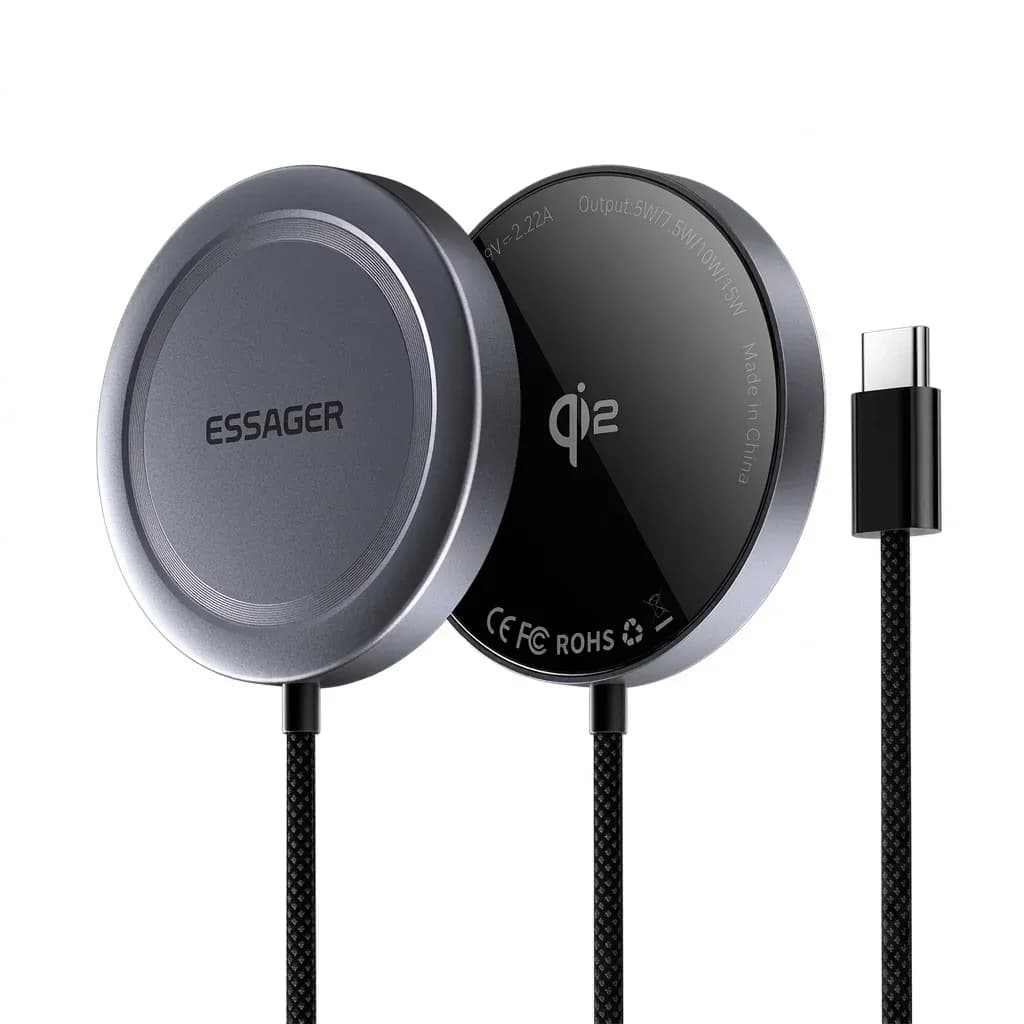
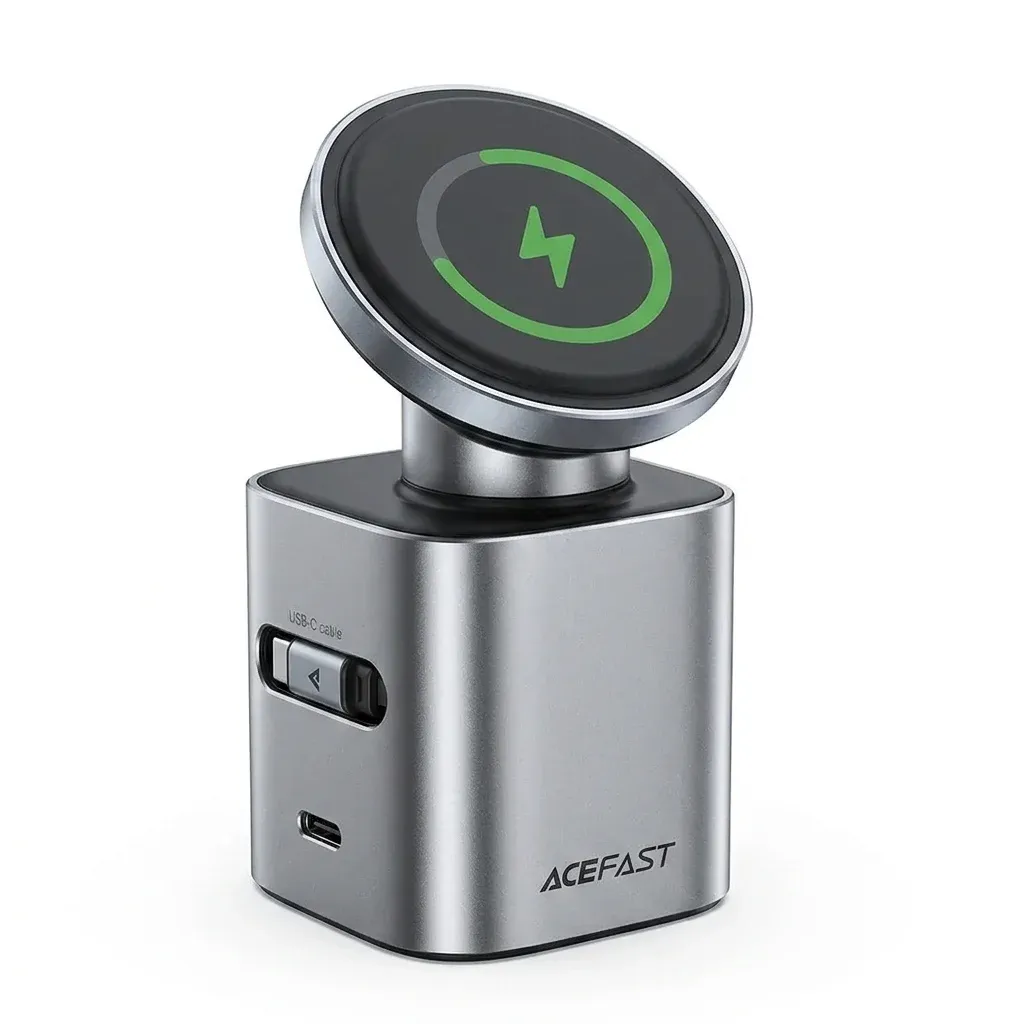
That matters here because magnetic wireless charging is only useful when the alignment is consistent and the stand feels stable on a desk. This model aims for that balance with an aluminum-and-PC build, a Type-C connection, and support for Qi-compliant devices, so the real question is how well those parts work together in daily use?
Magnetic alignment that reduces charging fuss
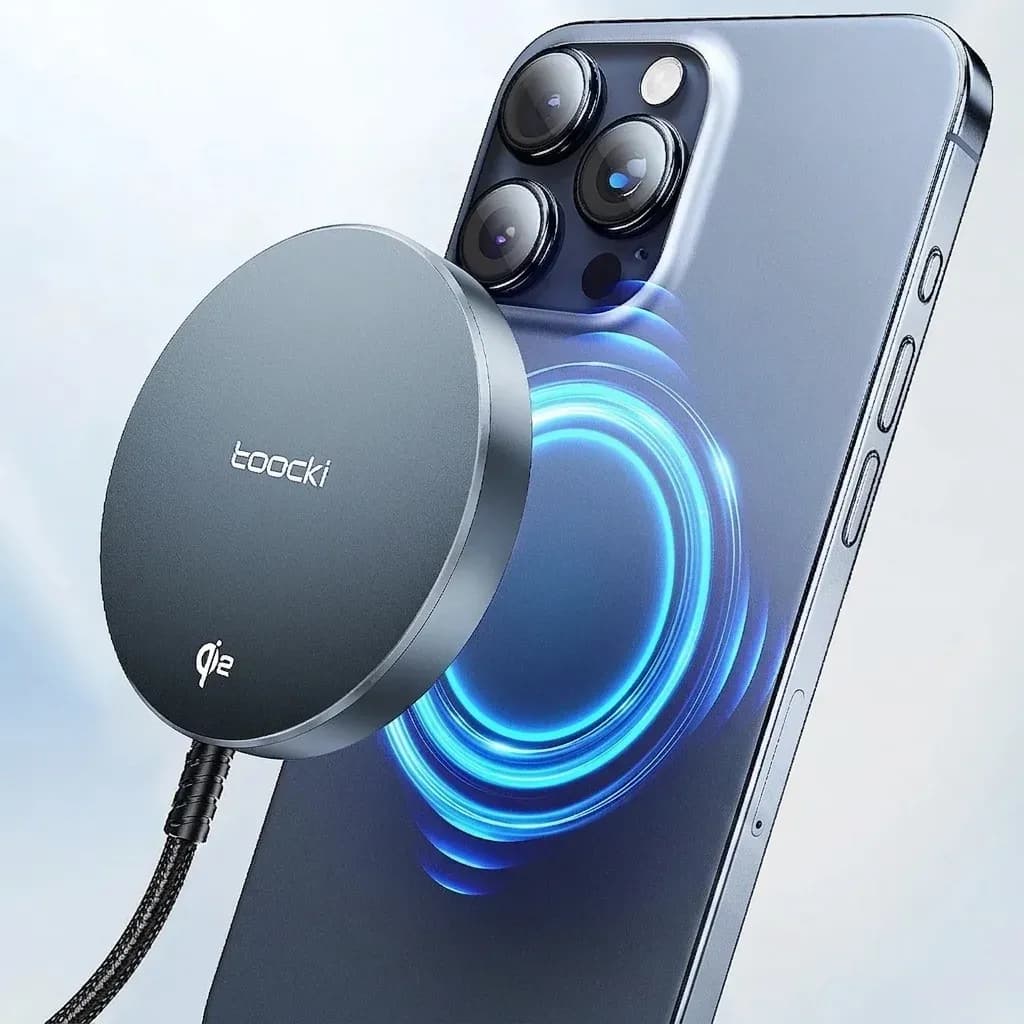
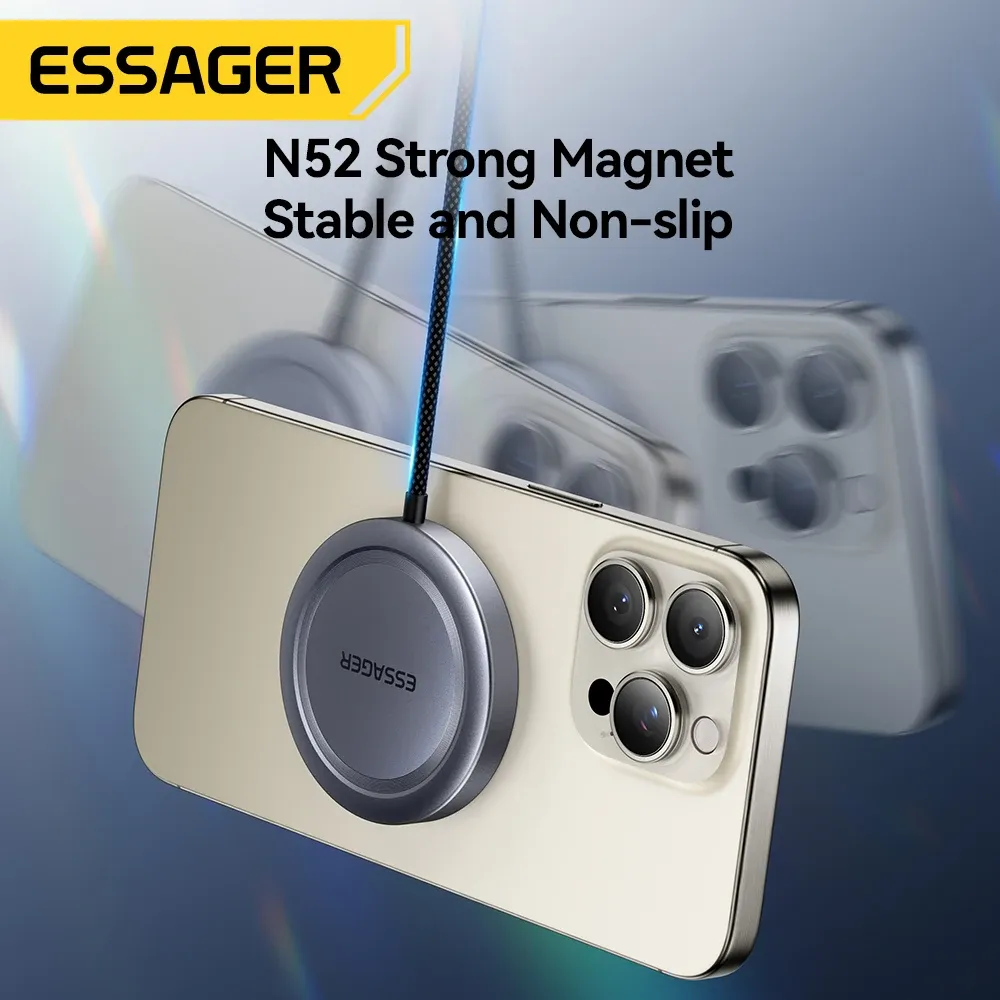
The main appeal is the magnetic hold, which helps the phone snap into the right position instead of sliding around on a flat pad. For iPhone users, that means less fiddling at night or during work hours, and the 15W ceiling gives it enough headroom for fast wireless top-ups when the handset supports it.
Users mention the magnet feels strong and the charger works as expected, which is a useful sign for a product in this price band. It is not trying to be a premium desktop dock with multiple moving parts; it is closer to a dependable charging stand that keeps the phone visible and properly aligned, and that simplicity is part of the appeal.
What 15W means on the desk
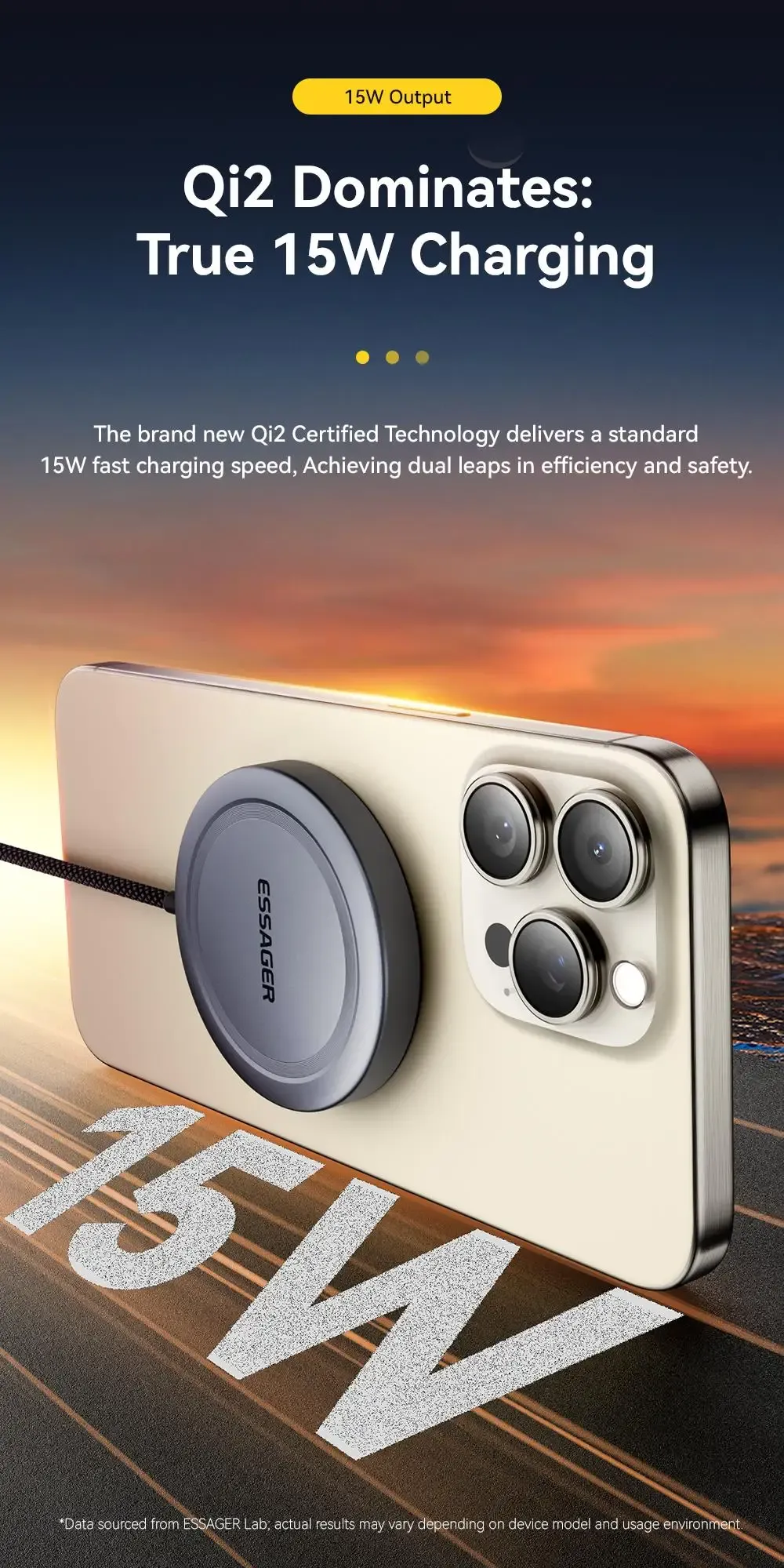
In practice, 15W wireless output is best understood as a convenience speed, not a replacement for a high-wattage wired adapter. It is well suited to office desks, bedside tables, and short charging intervals where you want to regain battery without plugging and unplugging a cable every time.
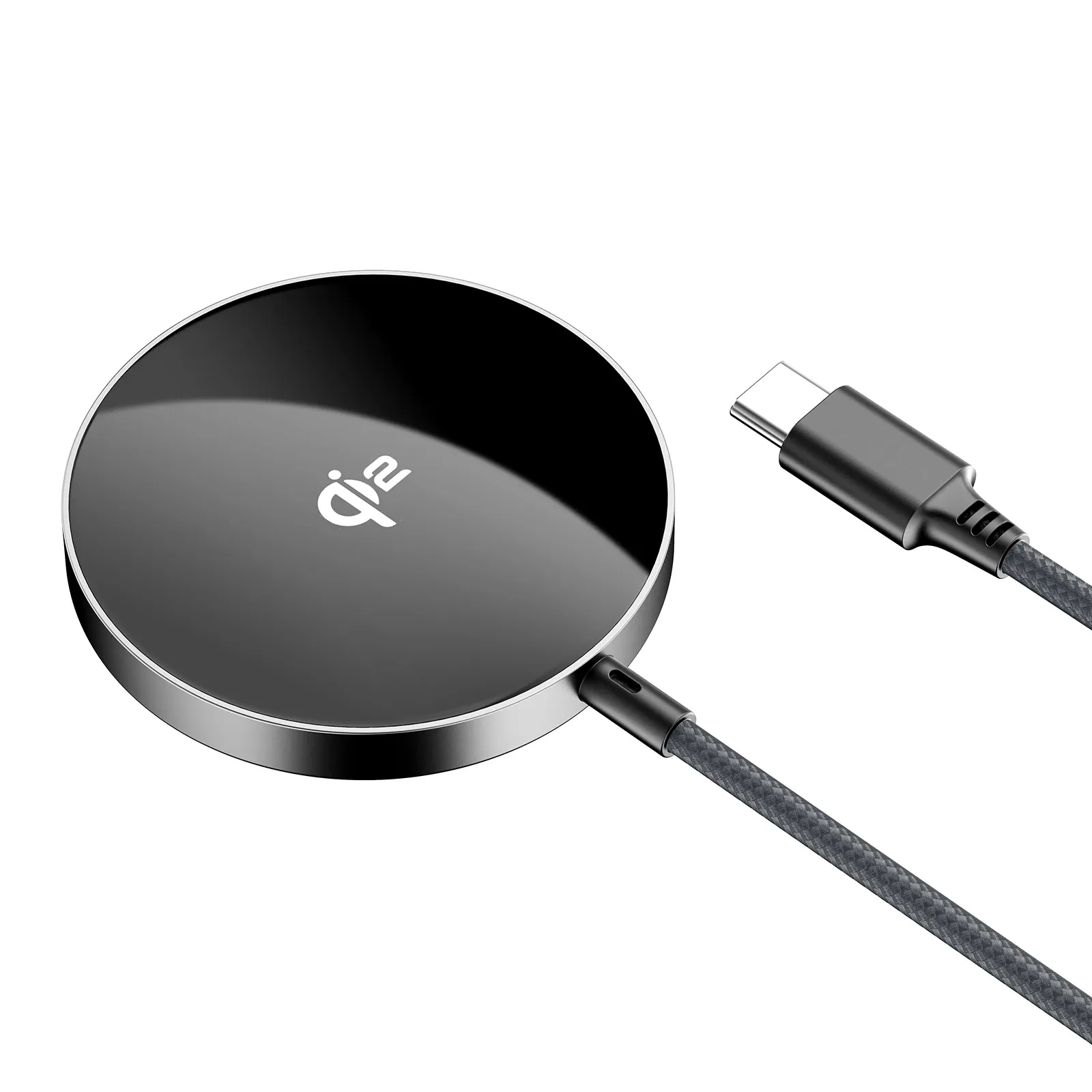
The included 1m Type-C cable is long enough for most laptop-side or wall-adapter setups, while the DC 5V/2A, 9V/2A, and 12V/2A input support gives the charger the flexibility it needs. If you already keep a USB-C power source nearby, the setup is straightforward, and that leads to the next practical point: compatibility.
Compatibility across phones, earbuds, and watches
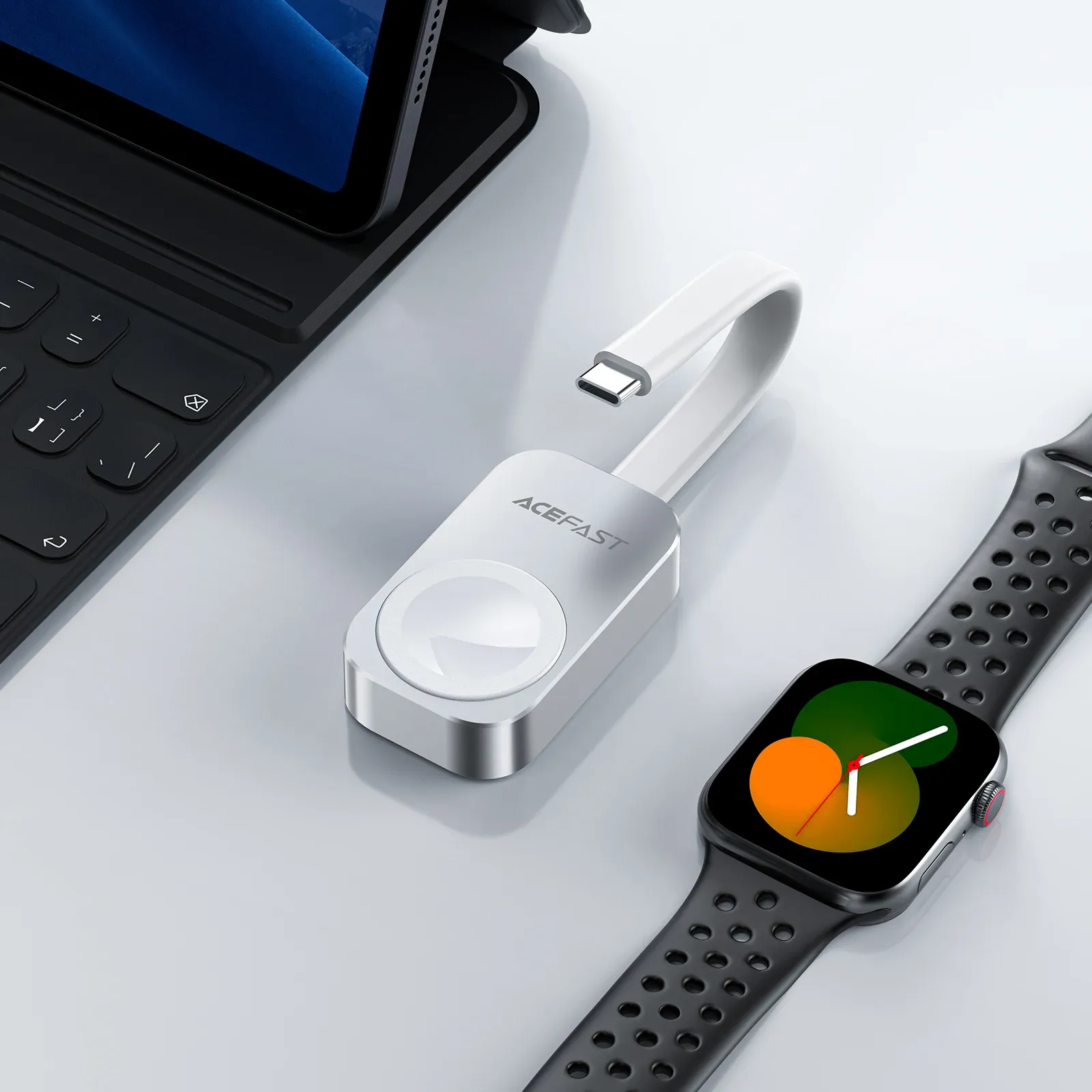
The listing covers iPhone 15 through older iPhone generations, Samsung Galaxy models, Huawei Mate series, Xiaomi Mi phones, plus earbuds and Apple Watch charging use cases. That broad support makes it more versatile than a single-device dock, although magnetic alignment is naturally most useful with iPhone models that can sit securely on the stand.
For non-magnetic Qi devices, it still works as a wireless charger, but you lose some of the “snap-on” convenience that defines the experience. If your desk carries multiple devices, the ability to handle a phone, headphones, and watch in one ecosystem is the feature that changes how often the charger gets used, not just how it looks.
Build quality that feels more desk-friendly than disposable
The aluminum and PC construction gives the charger a cleaner, cooler feel than fully plastic alternatives, and the gray-silver finish fits modern workspaces well. It looks more like a compact accessory you can leave out permanently than a temporary travel gadget, which is important for a product meant to live beside a monitor or lamp.
Certification from RoHS, CE, and FCC adds a layer of reassurance for buyers who care about compliance rather than just appearance. Combined with the 100% positive customer feedback shown in the current review set, the evidence points to a charger that is doing the basics well, though the strongest case for it still comes from the daily convenience of magnetic placement.
Best for users who want tidy charging, not clutter
This charger is most convincing for users who want a neat stand that keeps the phone visible while it charges, especially on a small desk or nightstand. It is less about dramatic speed claims and more about removing friction from the routine of dropping a phone onto a charger and walking away.
If you already use a cable for your fastest top-ups, this becomes the cleaner daytime companion, the kind of accessory that quietly earns its spot. The remaining question is whether its price-to-function ratio makes sense against simpler pads and more expensive magnetic docks?