





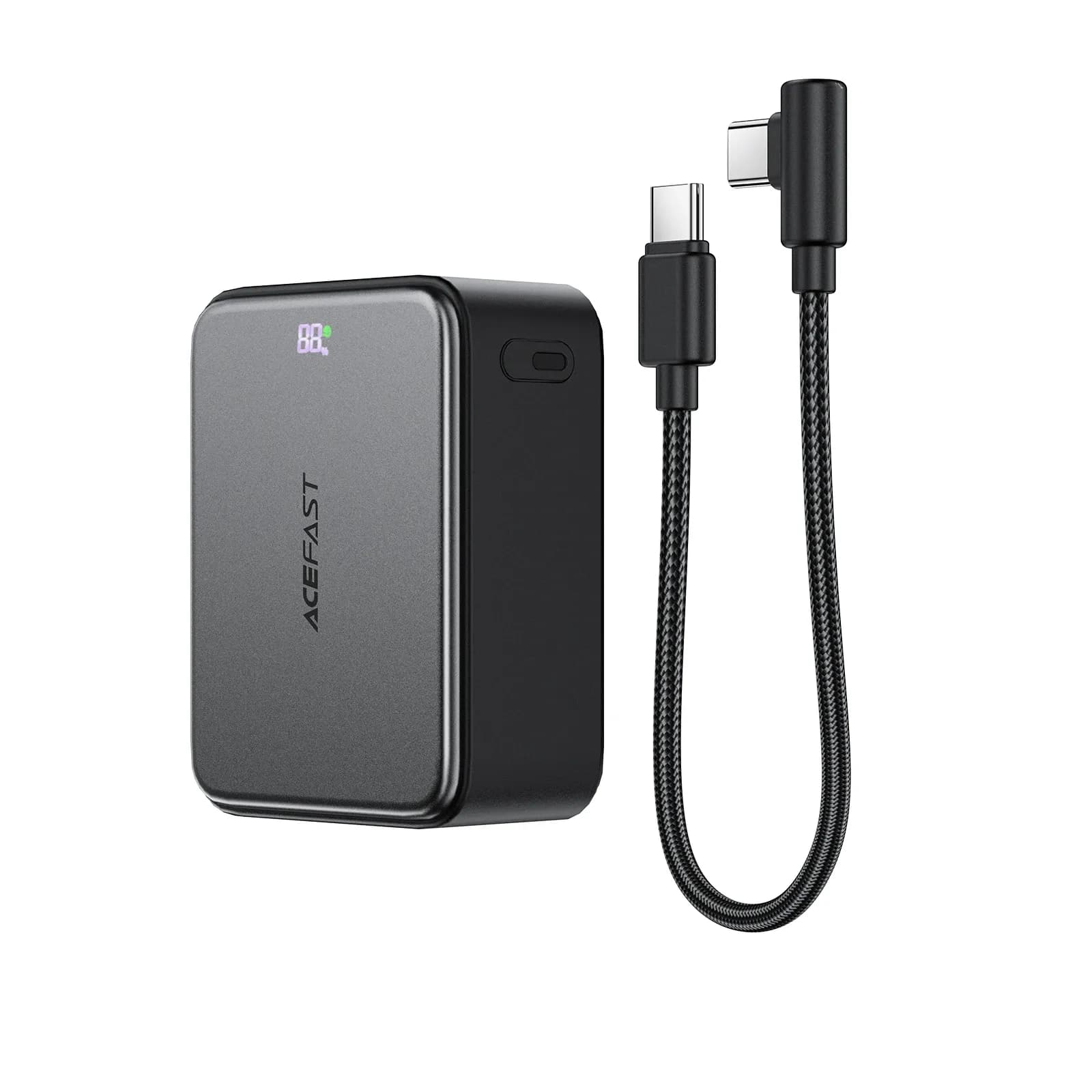

Fast charging you can actually see
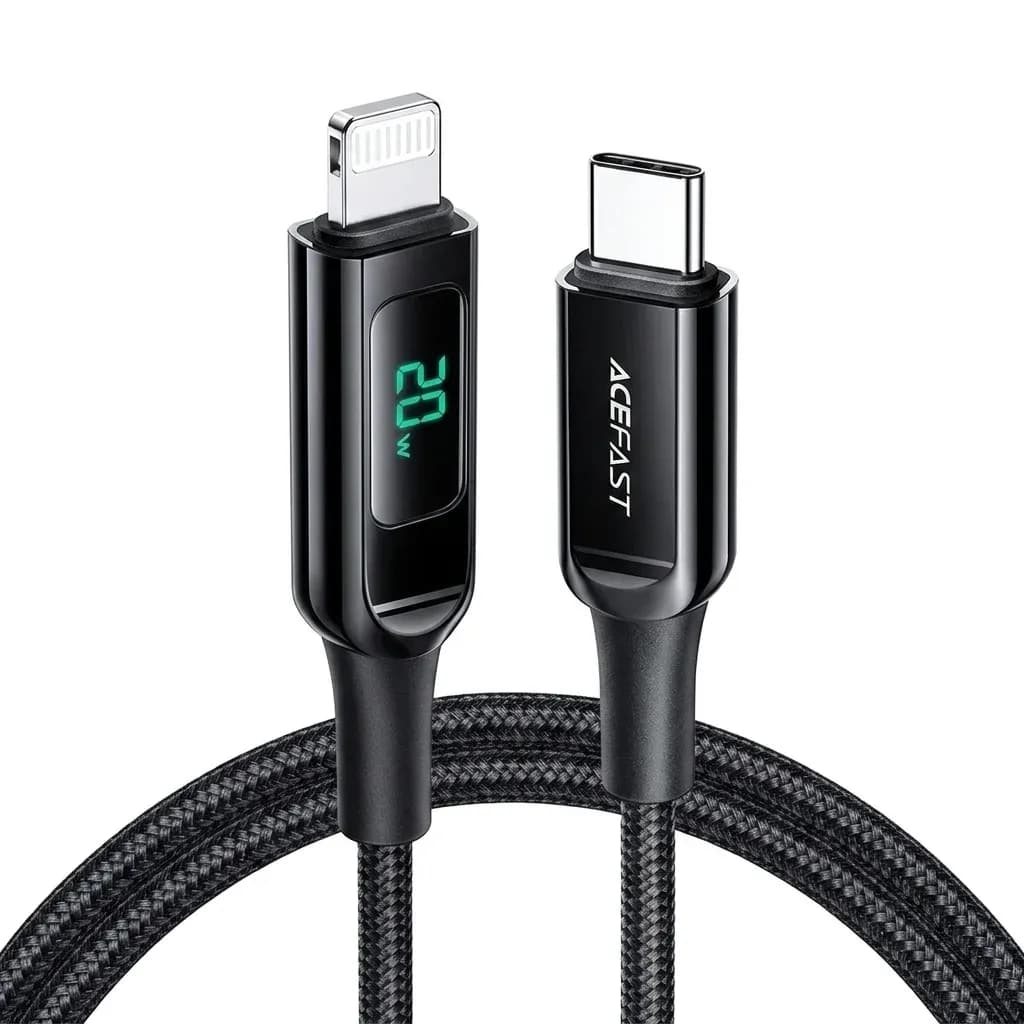
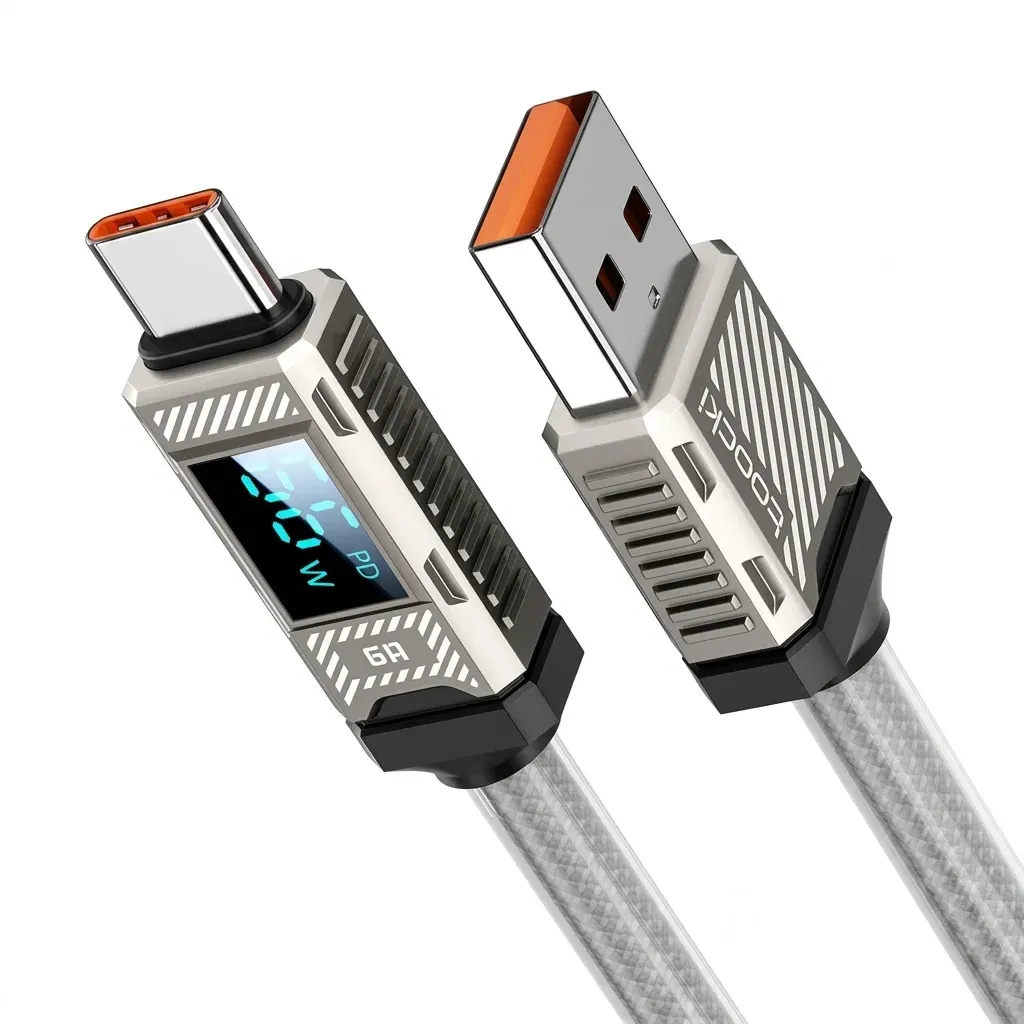
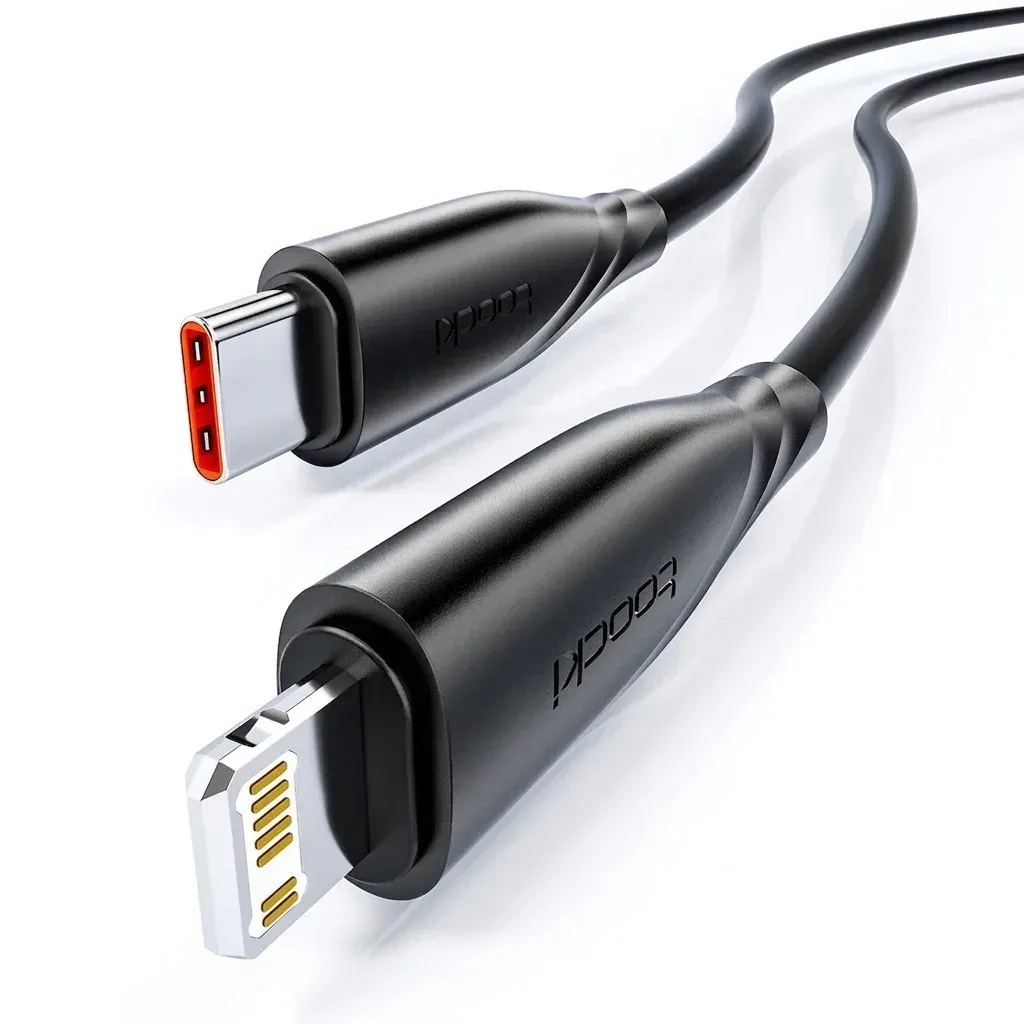
This cable solves a common iPhone frustration: you plug in a charger, but you cannot tell if the phone is really drawing fast power. ACEFAST answers that with a digital display that shows charging wattage in real time, turning a routine cable into a more transparent accessory.
For users who care about charging speed and cable integrity, that small screen is more useful than it looks. It gives you a quick read on whether the adapter, phone, and cable are working together as expected, which makes the next detail even more relevant.
20W PD performance for everyday iPhone top-ups
The cable is built for PD 20W charging, which is the practical sweet spot for many recent iPhones. The brand claims an iPhone 13 can reach around 50% in 30 minutes, so this is aimed at fast daily top-ups rather than laptop-level power delivery.
In use, that means less time tethered to a wall adapter and more time with a phone ready for maps, calls, and social apps. If you already use a USB-C charger, this cable helps unlock the speed that older USB-A leads simply cannot reach.
MFi certification matters more than marketing
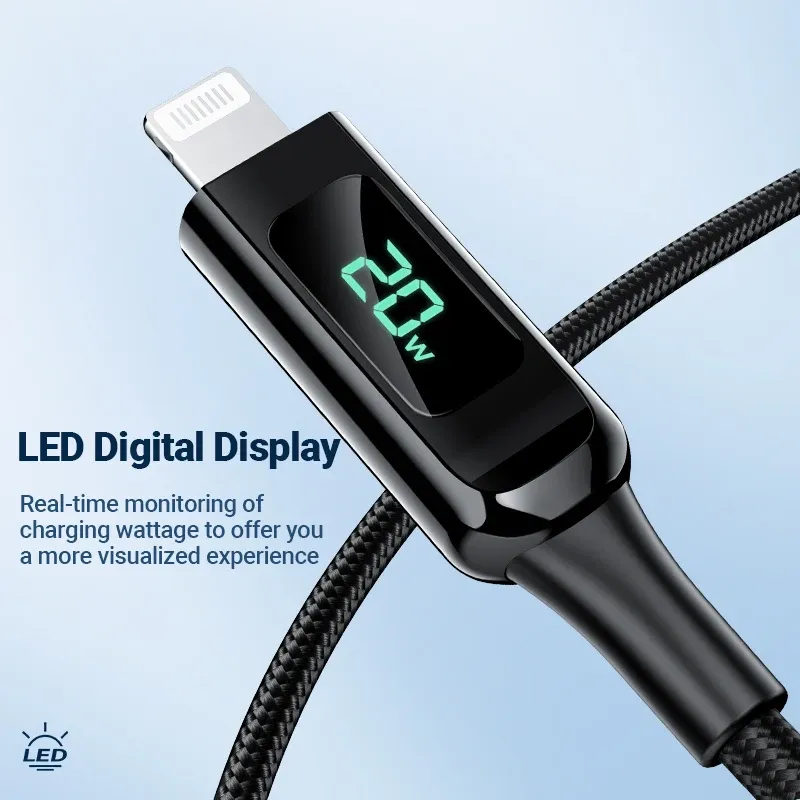
MFi certification is the part that separates this cable from the flood of generic Lightning options on AliExpress. It signals compatibility with Apple devices and reduces the risk of unstable charging or warning messages, which is especially important for iPhone 11 through iPhone 13 series users.
According to users, certified cables tend to feel less temperamental over time, especially when used daily in a car, office, or bedside setup. That reliability is reinforced here by the built-in E-marker chip, which leads into the cable’s construction.
Braided build with a stable power handshake
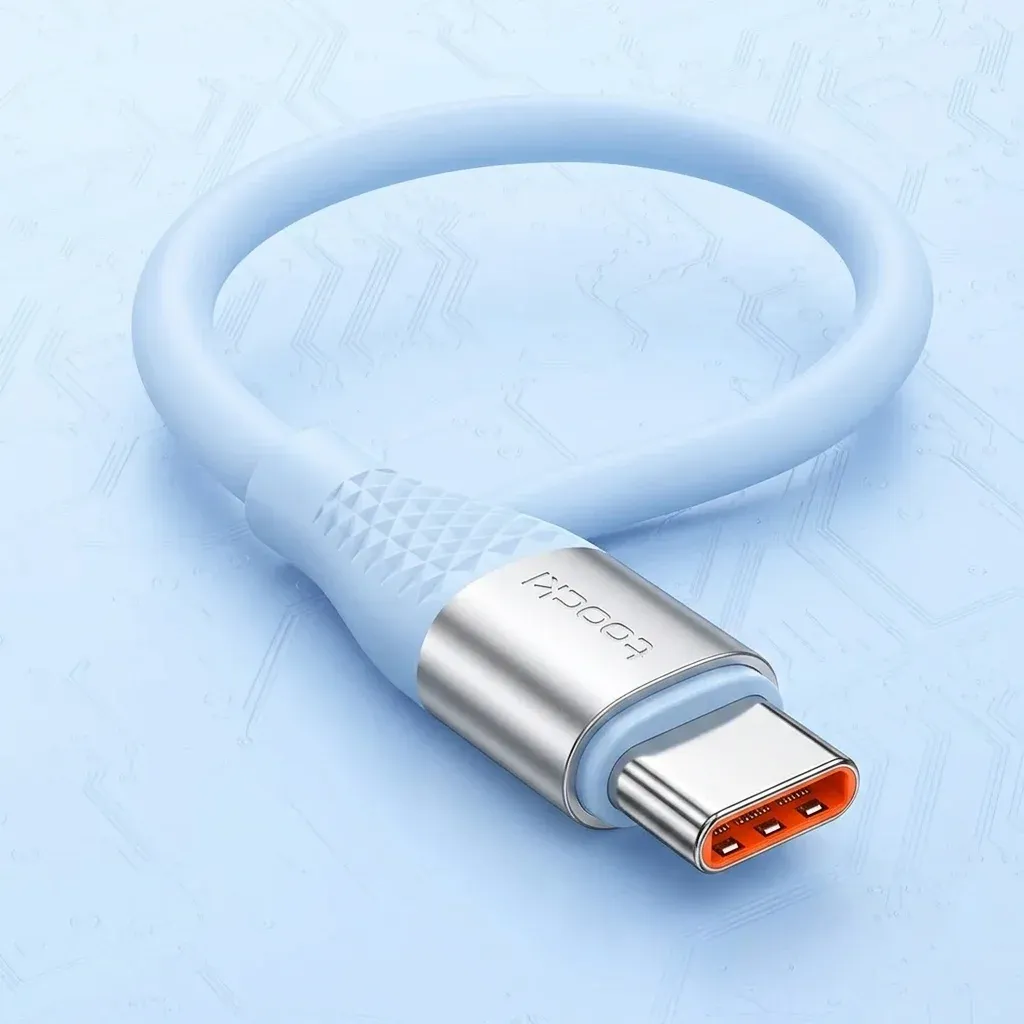
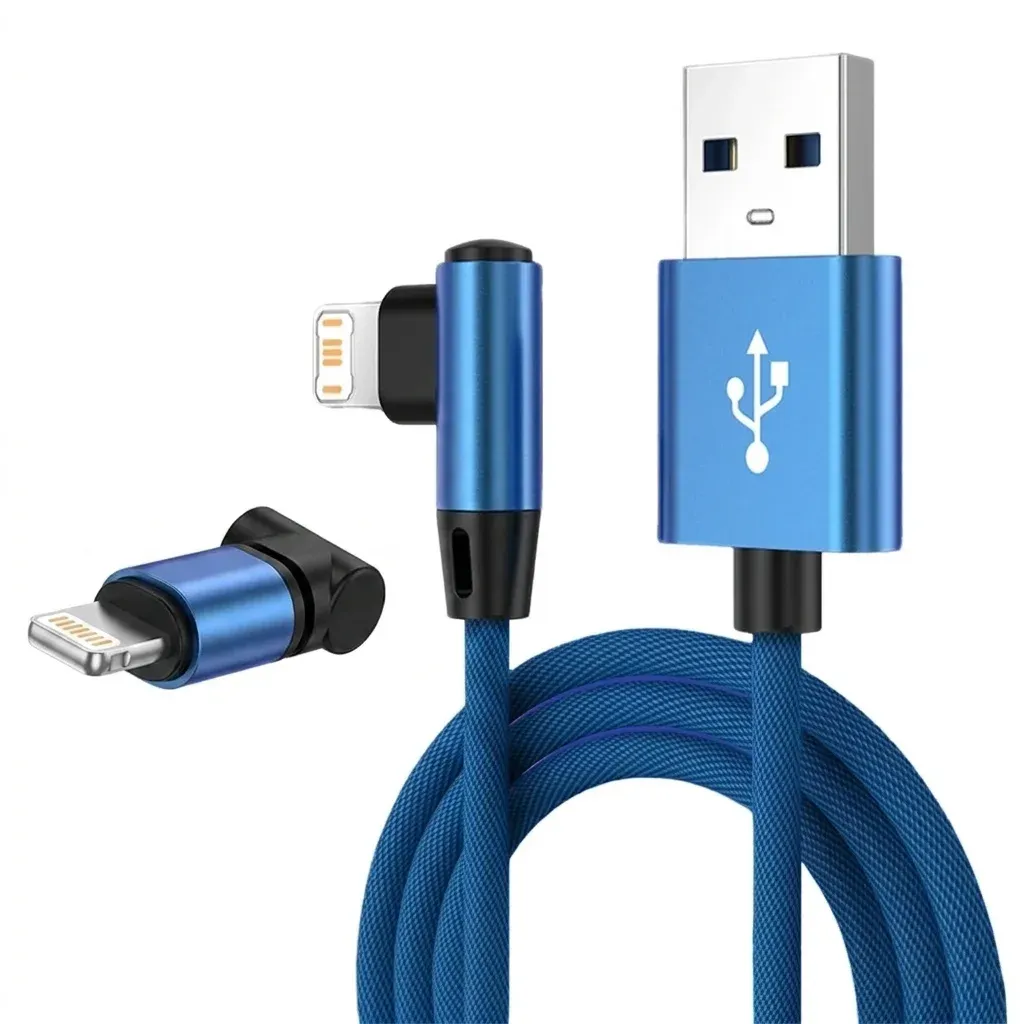
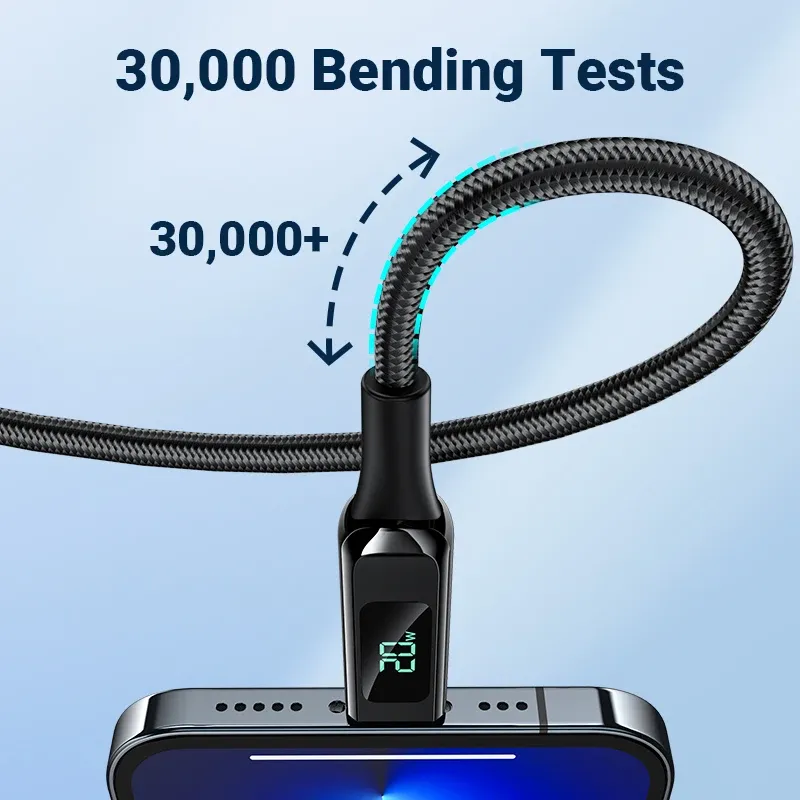
The braided exterior should hold up better than thin PVC cables that fray near the connector after repeated bending. It also gives the cable a firmer, more premium hand feel, with enough grip to avoid the slippery, floppy feel common in cheaper leads.
The E-marker chip is designed to adjust current and voltage intelligently, which helps keep charging stable instead of spiking unpredictably. That matters if you often leave a phone connected while working, because consistency is what protects the charging experience over time.
Who gets the most value from it?
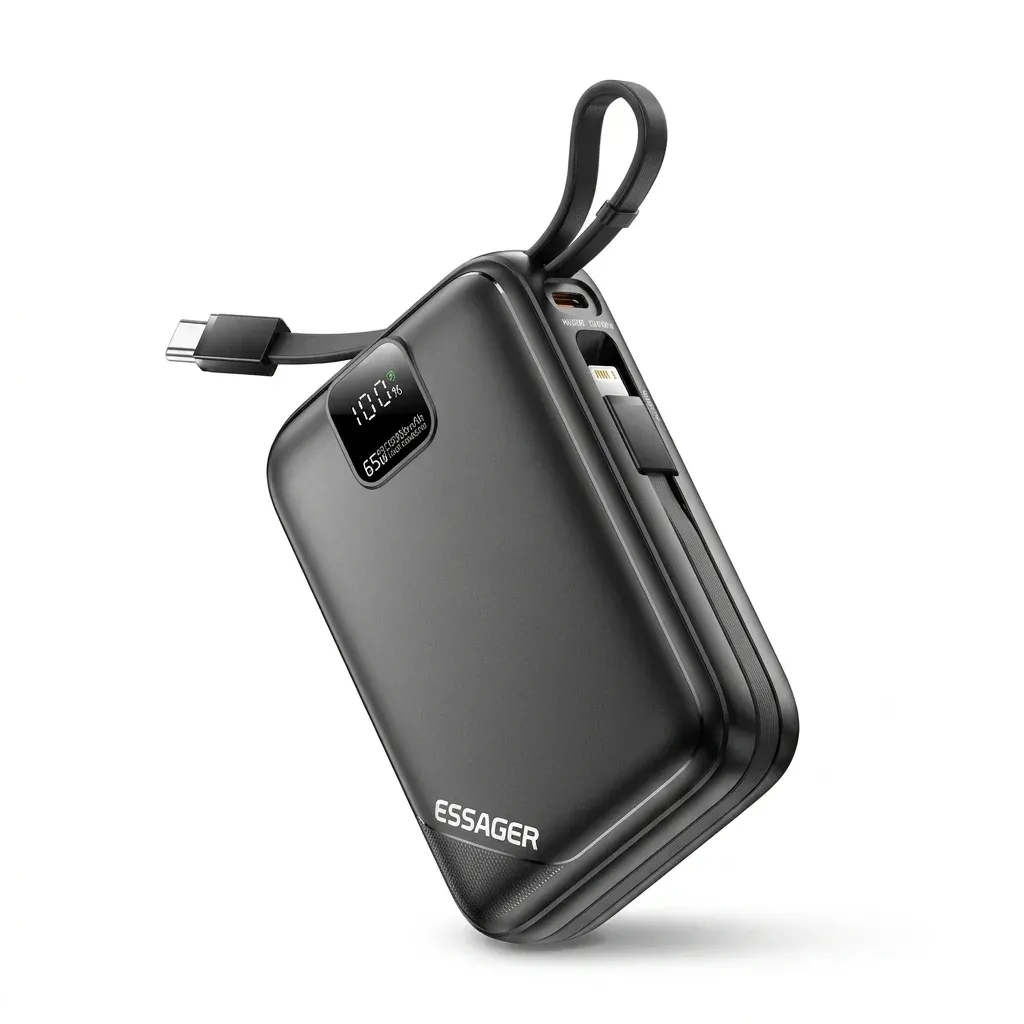
This cable makes the most sense for iPhone owners who already use USB-C wall chargers, power banks, or car chargers and want a single lead that feels more informative than ordinary alternatives. It is also a neat fit for people who like to monitor charging behaviour rather than guess what is happening behind the plug.
For MacBook or iPad users, the listing suggests broader compatibility with PD power setups, but the real strength here is still Lightning-focused. That makes the cable especially relevant if your daily carry is built around Apple devices and you prefer one dependable line over a drawer full of mixed cables.
What the package and certifications add
The retail package makes it easier to keep this cable as a giftable or store-ready accessory, and the CE, FCC, RoHS, and EAC marks add a level of reassurance that many low-cost listings never mention. Those certifications do not guarantee perfection, but they do show the product is positioned above the most basic unbranded options.
For AliExpress Singapore readers, that combination of visible charging feedback, MFi support, and braided construction is what gives the cable its appeal. The final question is whether the price reflects that extra polish compared with a standard certified lead.