





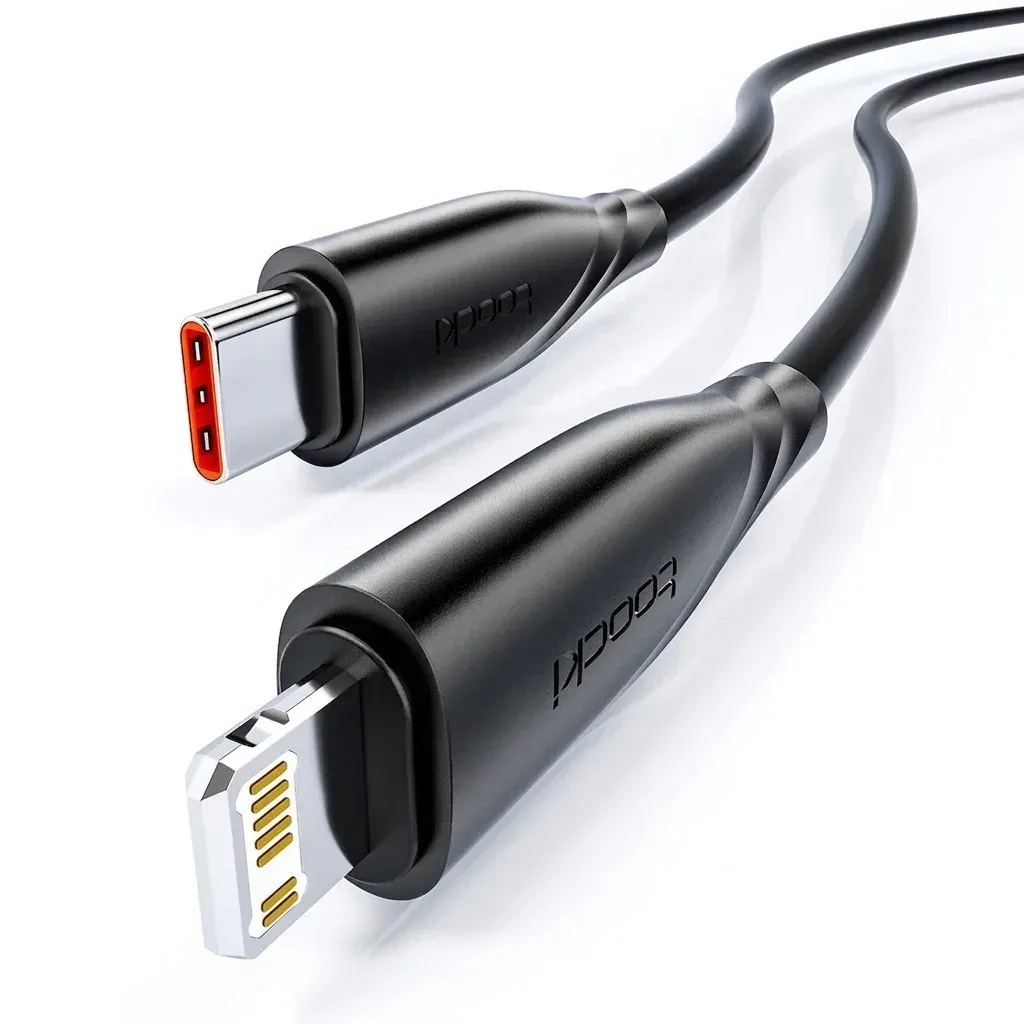
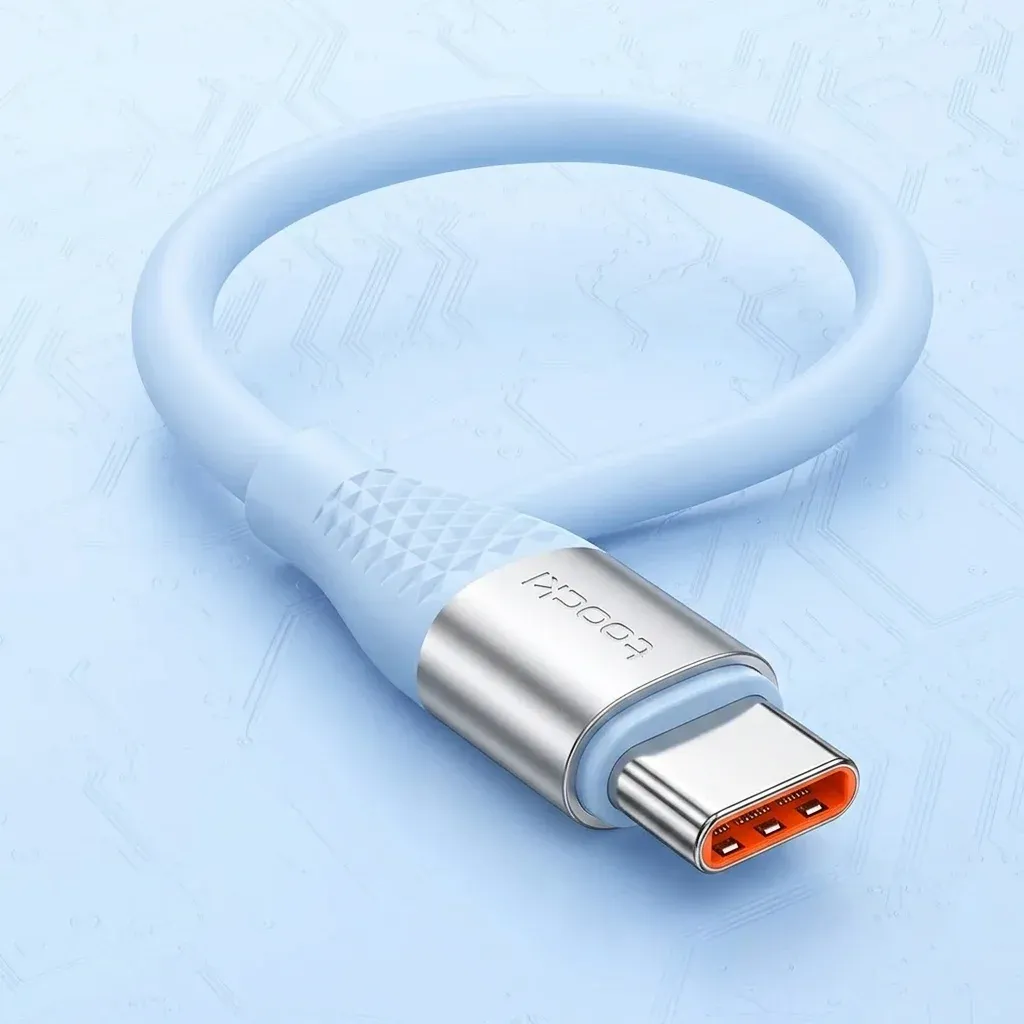
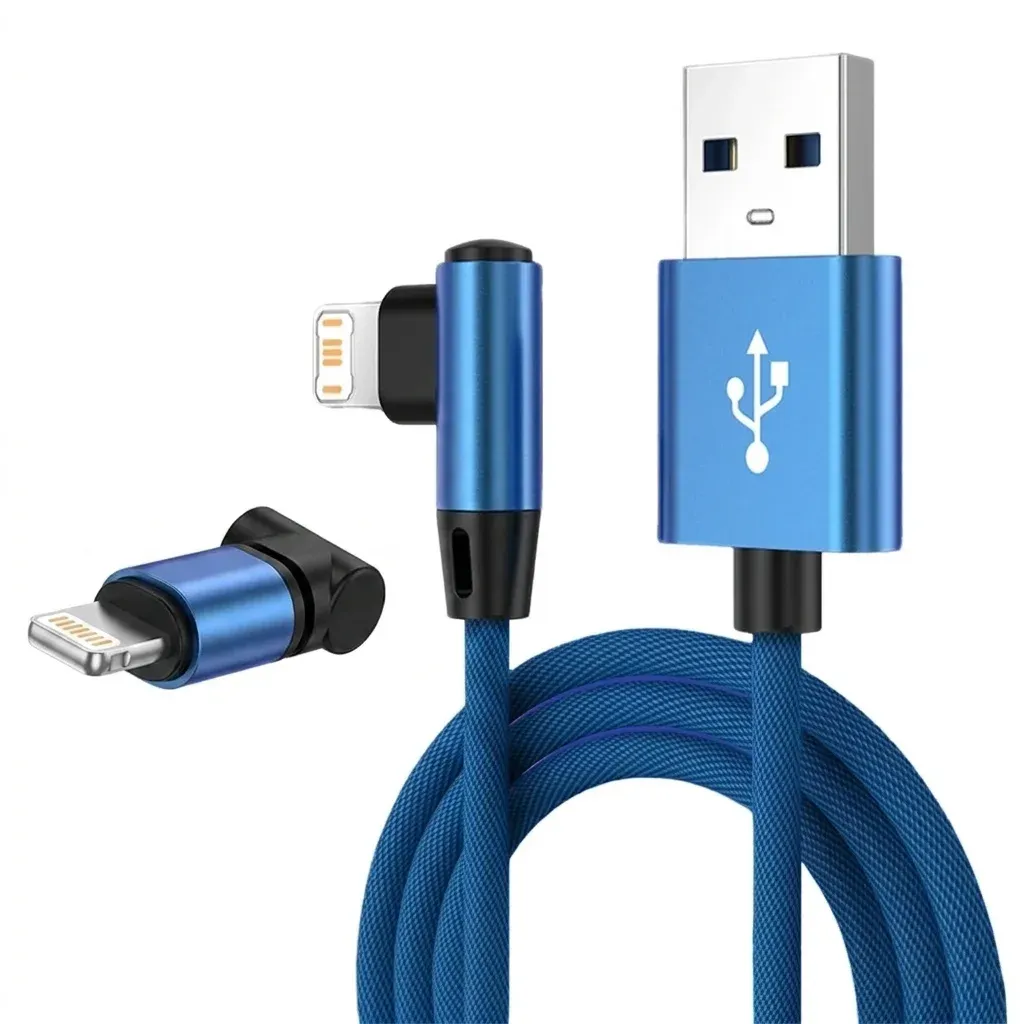
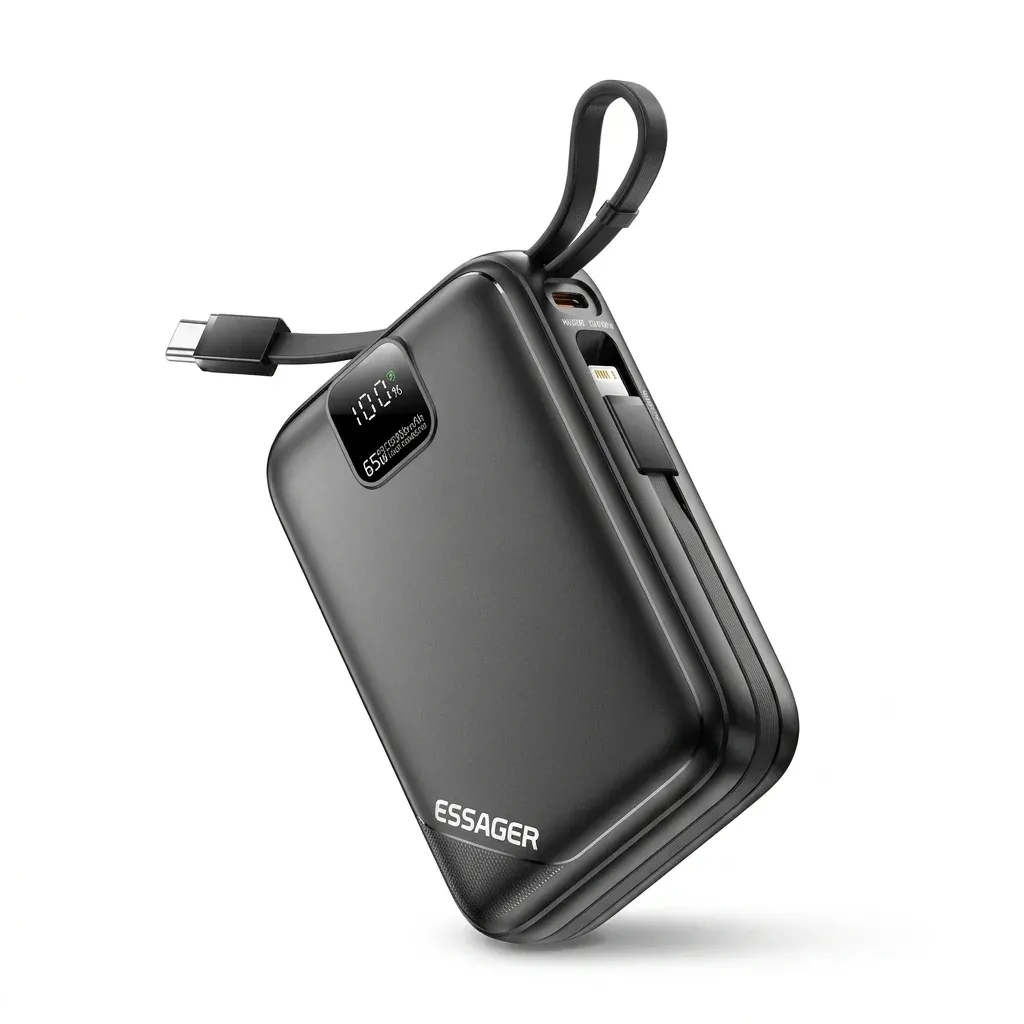

One cable for charging and serious data transfer
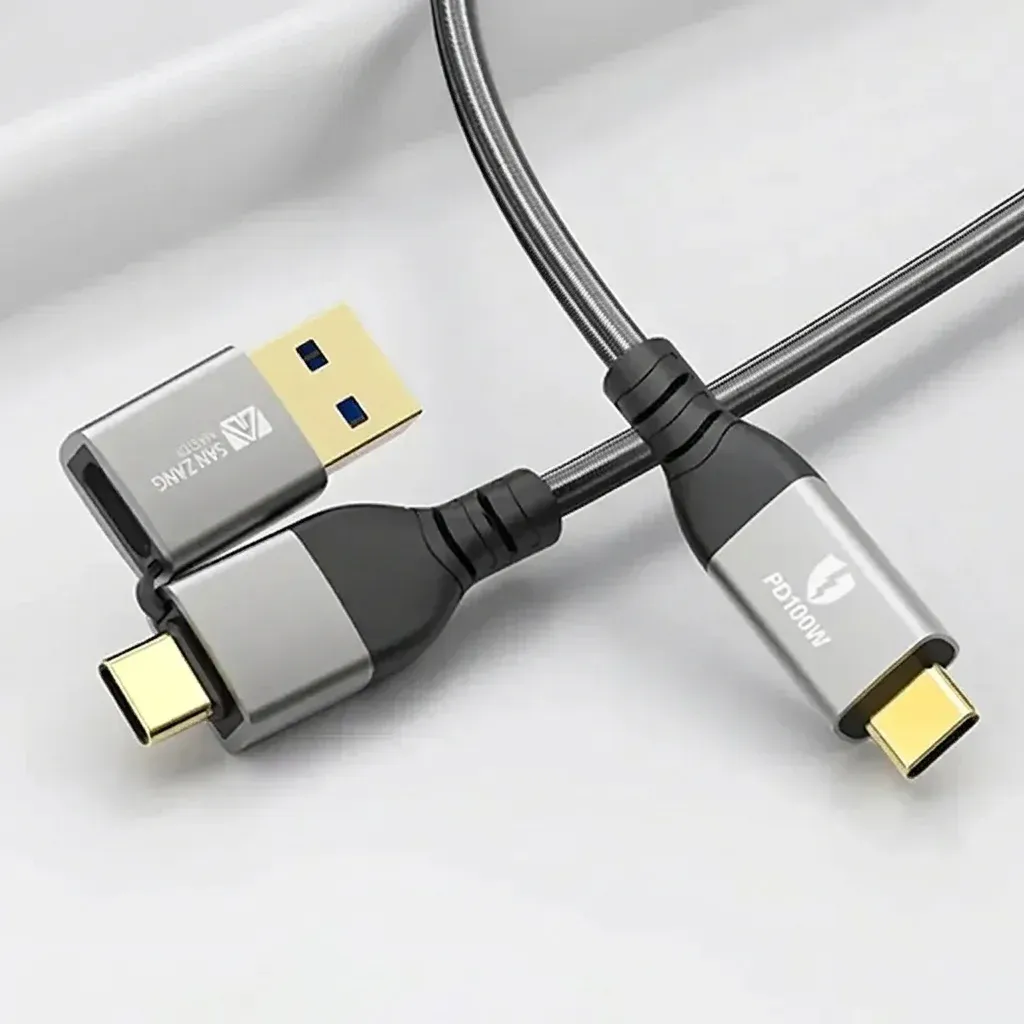
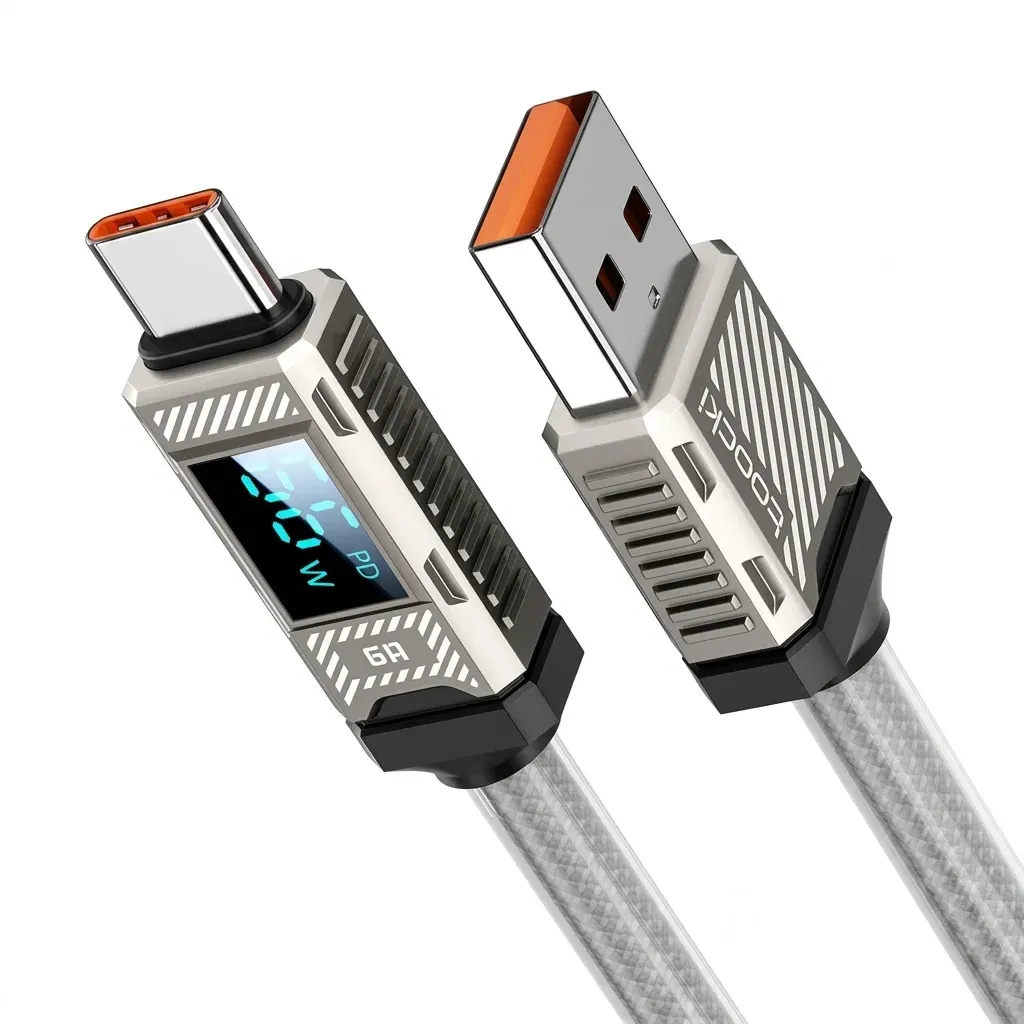
This cable solves a common desk problem: too many leads, not enough performance. SANZANG positions it as a 2-in-1 solution for fast charging and high-speed data, so it can handle a laptop, phone, or storage device without feeling like a basic spare cable.
The appeal is not only the power rating but the way it tries to cover two jobs with one accessory. For AliExpress Singapore readers who move between a MacBook, a phone, and a USB-A port on a hub or PC, that flexibility is the real draw.
40Gbps claims: useful, but only in the right setup
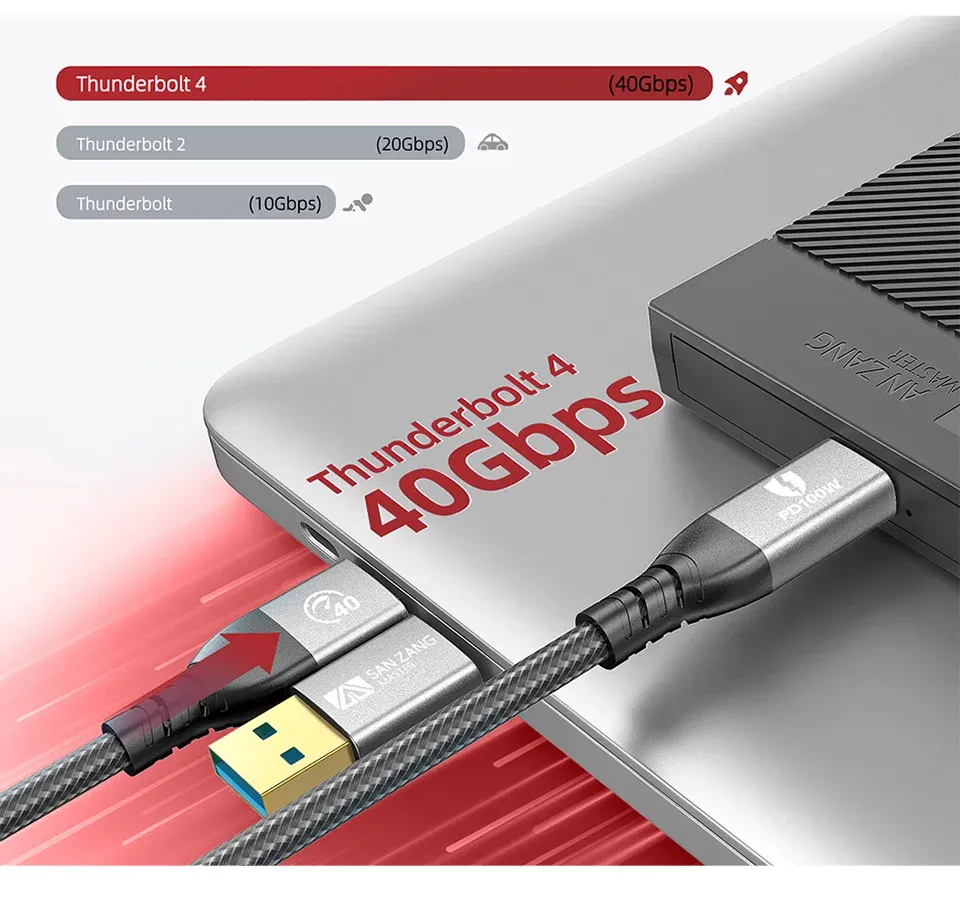
The headline figure is 40Gbps, which suggests transfer speeds suited to demanding peripherals rather than simple charging use. In practice, that kind of bandwidth only matters if your source device, port, and connected hardware all support the same standard.
That makes this cable more interesting for users with modern docks, external drives, or camera workflows than for someone just topping up a handset. If your laptop or storage gear is limited to older USB standards, the cable will still work, but you will not see the full speed promise.
PD100W charging for larger devices
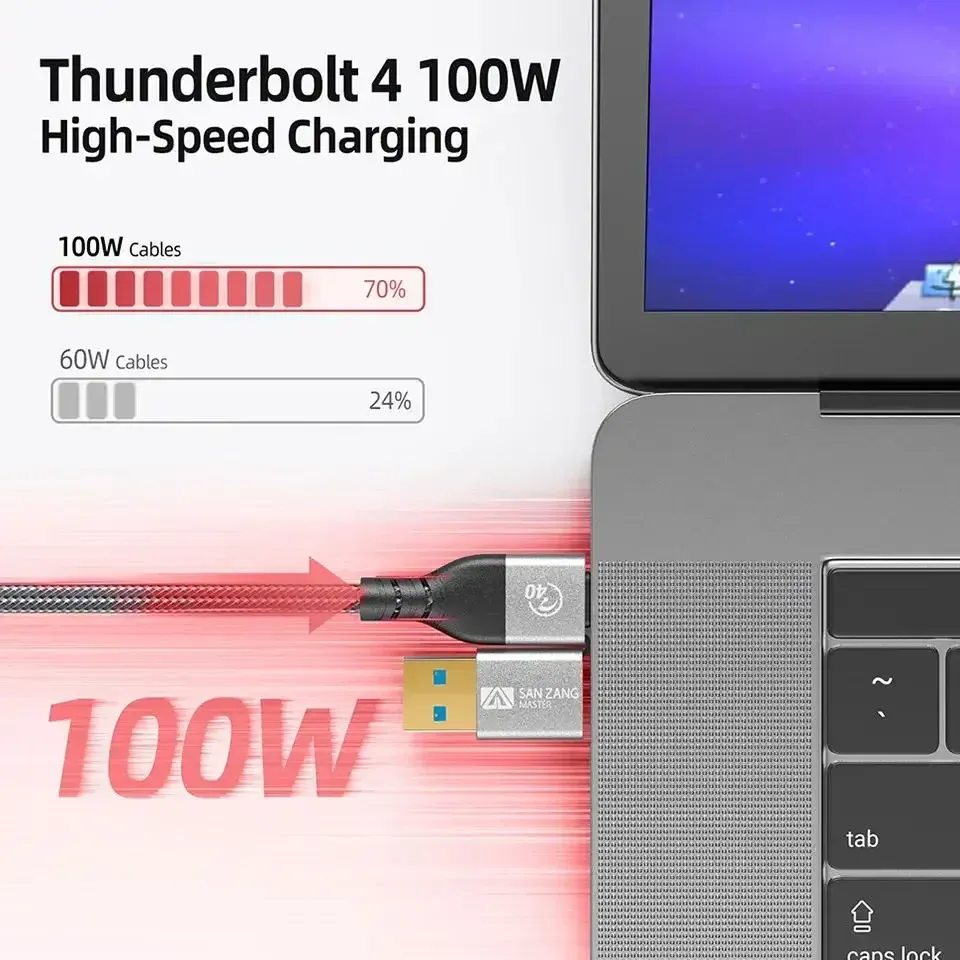
The PD100W rating is the more immediately useful spec for most buyers, because it points to enough headroom for many laptops and power-hungry tablets. A cable with this ceiling is better suited to a work bag than a basic 60W lead, especially if you want fewer cable swaps.
According to the product details, it supports 20V/5A output, which is the kind of spec that helps reduce charging bottlenecks on compatible chargers. The benefit is simple: less waiting around at the wall, and fewer compromises when you plug in a bigger device.
Braided build and metal housing for daily handling
The cable uses a braided exterior with copper core construction and an aluminum alloy case, which should help it feel more substantial than thin PVC alternatives. Braiding usually improves resistance to fraying, while the metal ends tend to hold up better when the cable is pulled from a bag or desk drawer.
That kind of build matters on a cable meant to live near a laptop setup, where it may be bent, coiled, and unplugged many times a day. It should also feel more stable in the hand, which is a small but noticeable upgrade when you use cables constantly.
Where it fits best in a real setup
The listed compatibility covers phones, computers, smart devices, cameras, VR/AR glasses, and IP cameras, which makes this a broad-use accessory rather than a niche lead. It is especially relevant if you keep USB-A ports in your workflow and want a cable that can do more than basic charging.
There is one practical caveat: the product title mixes USB A, USB-C, and extension-line wording in a way that can be confusing, so buyers should verify the exact connector layout before getting it. Real customer feedback is limited but positive, with a small set of users giving it a perfect average rating, which is encouraging without proving long-term durability.
What to check before you add it to your cart
This is most useful if you already know your device supports the speed and power levels advertised. If you only need a short phone cable, the feature set may be more than you need, but for mixed-device charging and data work, it has a stronger case than a standard no-name lead.
The one-year warranty is a useful signal in this category, where cable wear is often the first failure point. For buyers comparing it with cheaper charging cords, the value comes from its spec ceiling, braided finish, and broader device role rather than from a single standout feature.