





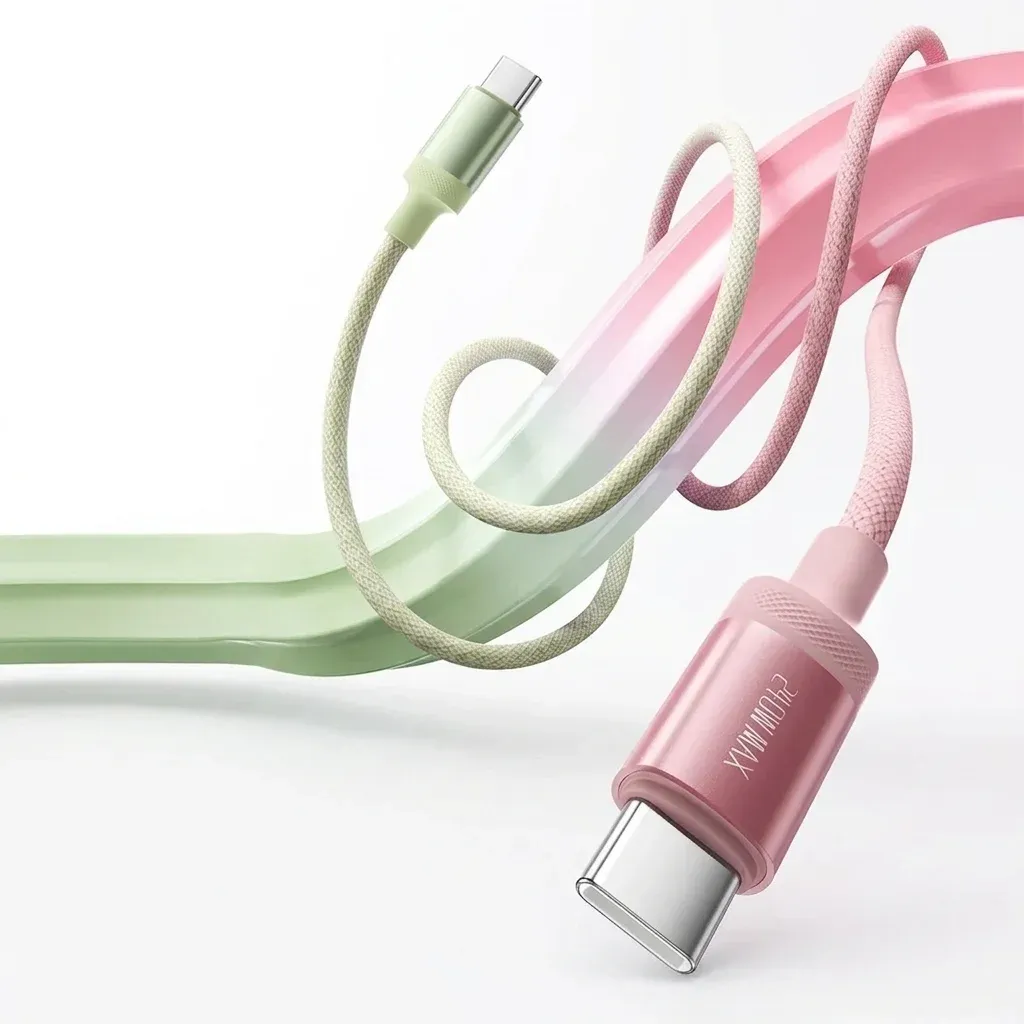

Fast charging with a visible status readout
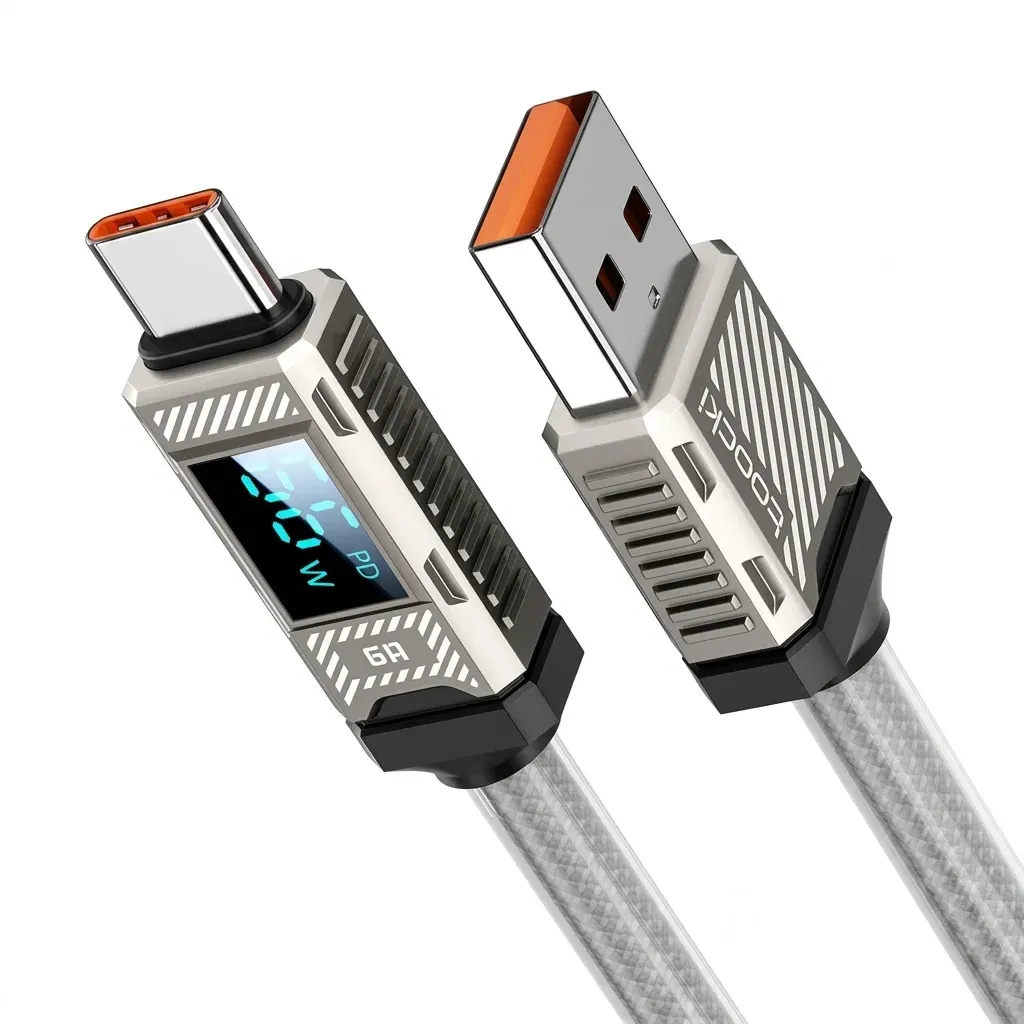
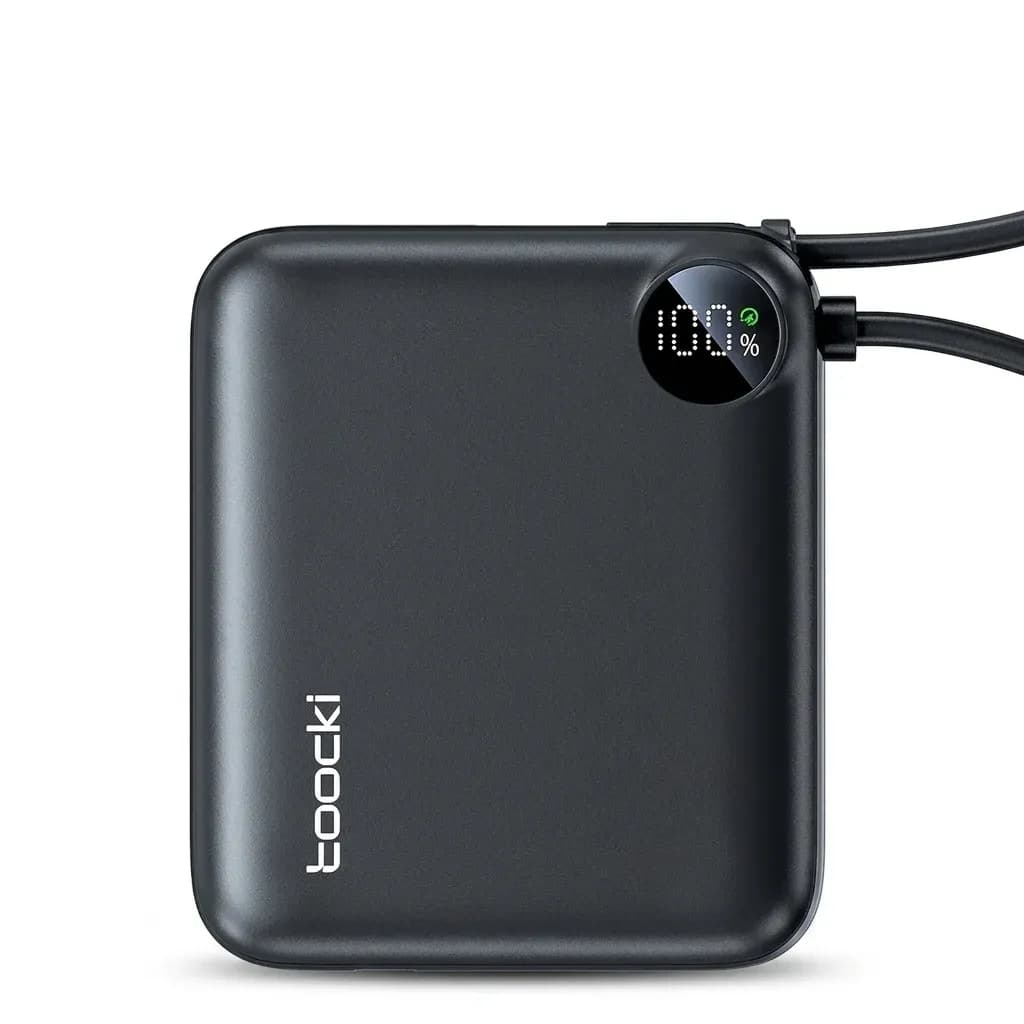
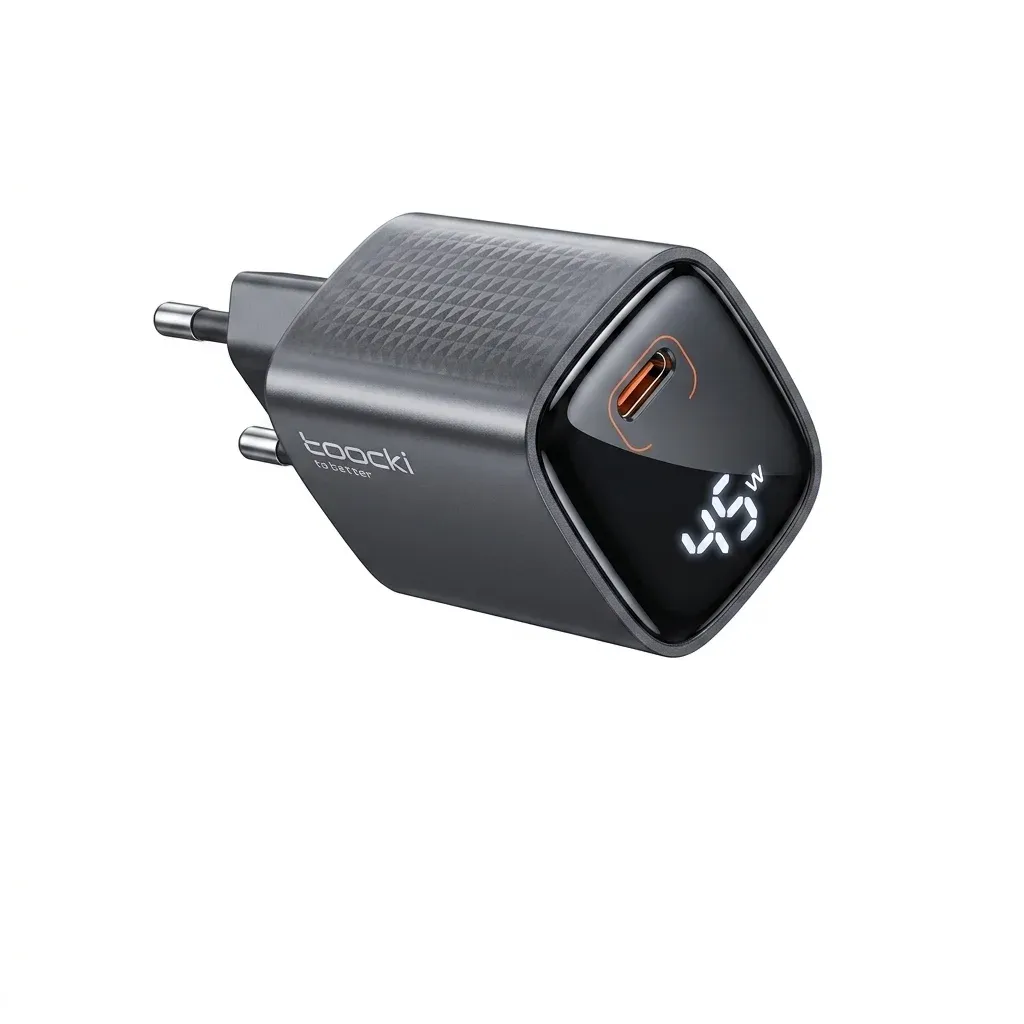
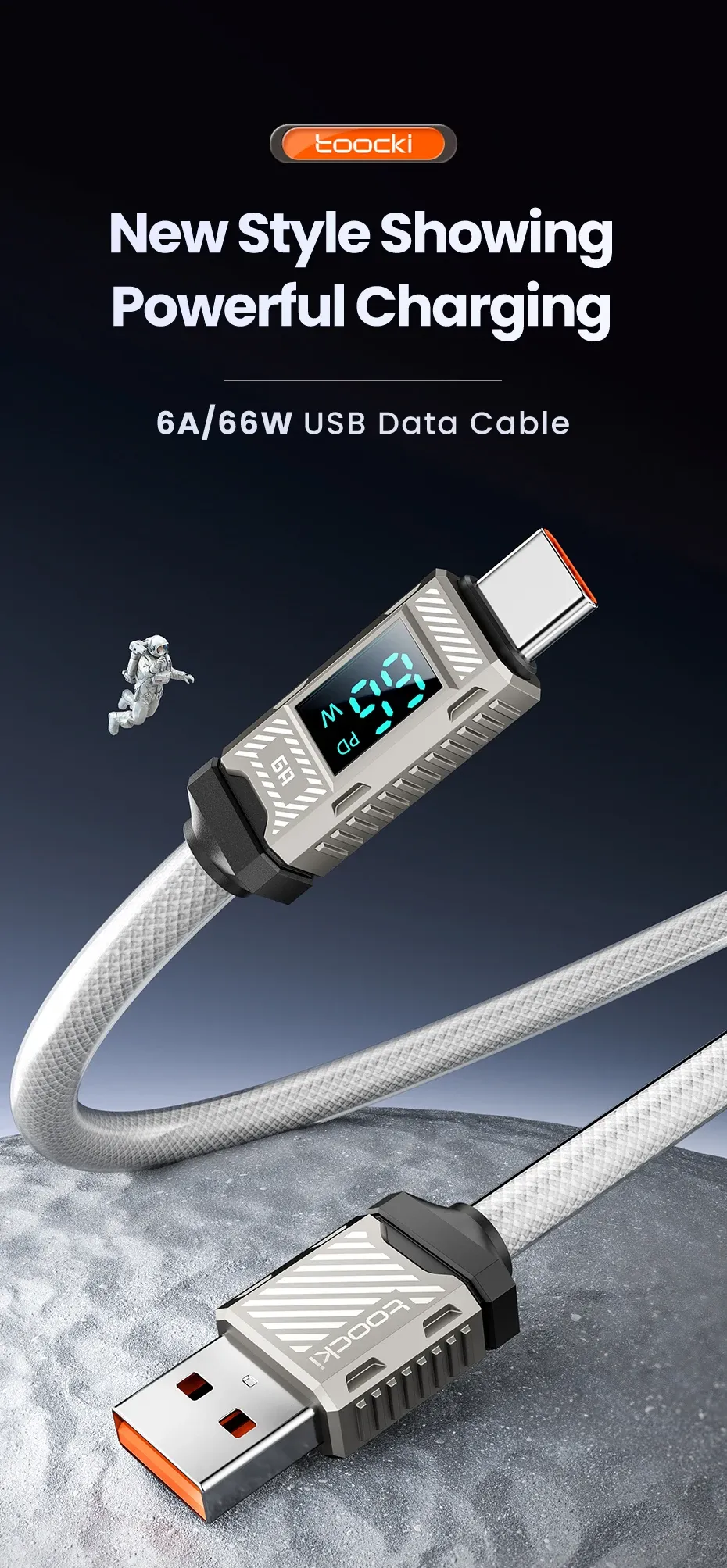
This cable solves a simple problem: you want fast USB-C charging, but you also want to know whether the device is actually pulling power. The built-in LED display gives that feedback at a glance, which is useful when you are comparing chargers, cables, or ports on the desk.
In AliExpress Singapore, that kind of live power display is one of the clearest ways to separate a basic cable from a more thoughtful charging accessory. It is especially handy for users who move between a phone, tablet, and laptop charger during the day, so what does the 66W rating mean in real use?
66W output: where it fits in daily charging
The advertised 66W and 6A support place this cable in the fast-charging class for many USB-C devices, including recent Huawei phones and several Android models that accept higher-wattage charging. That does not mean every device will hit 66W, but it does mean the cable is designed not to be the bottleneck when paired with a compatible adapter.
For lighter devices such as earphones or power banks, the same cable is still useful because it keeps charging tidy and consistent. If you are deciding between a generic cable and a branded one, the benefit here is less about raw speed alone and more about predictable performance across different devices.
Metal connectors and a thicker body for everyday handling
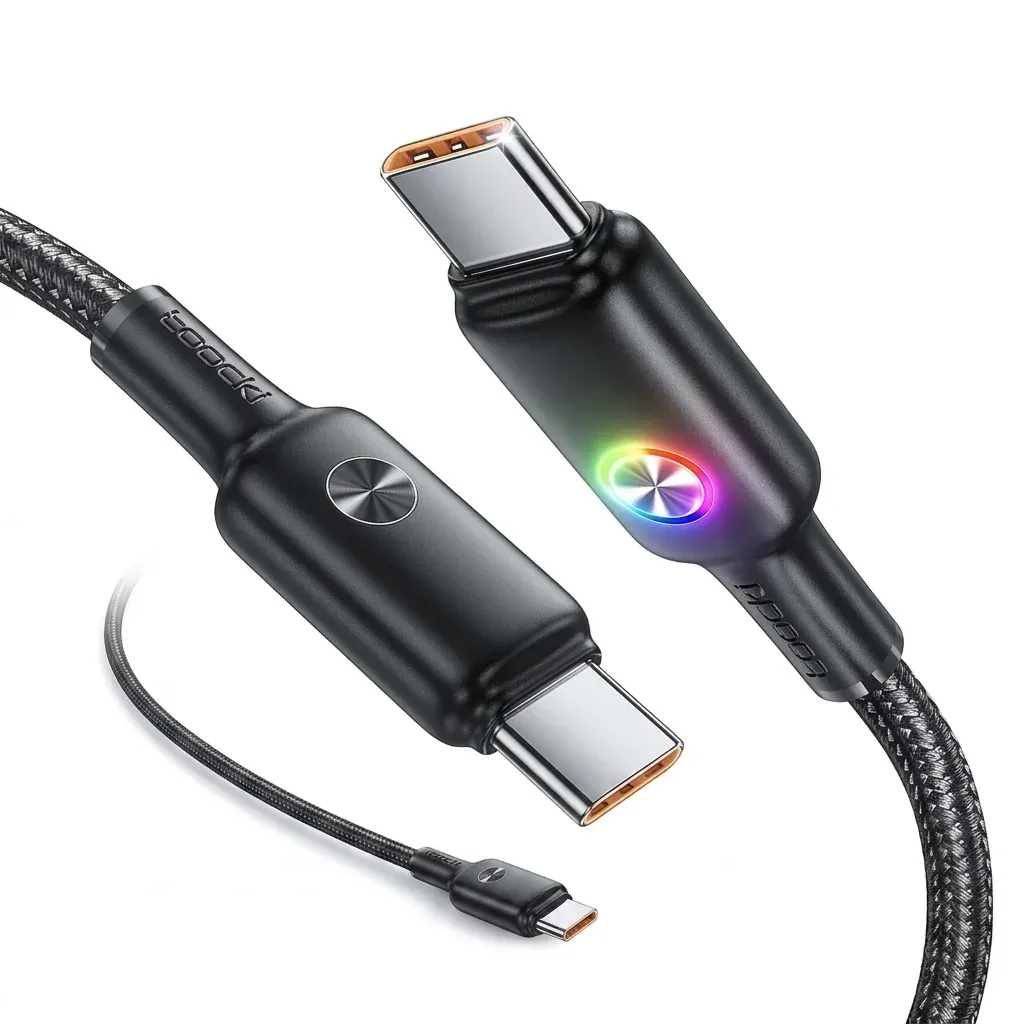
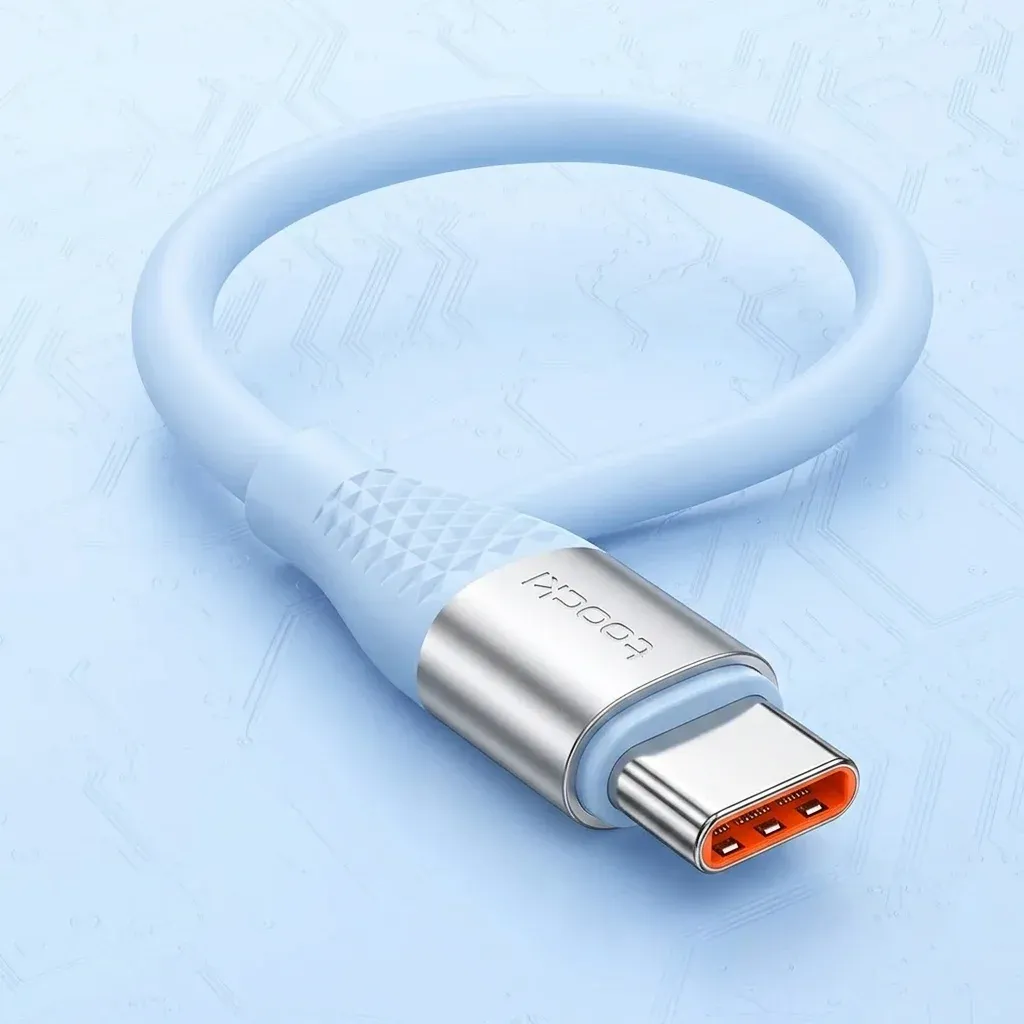
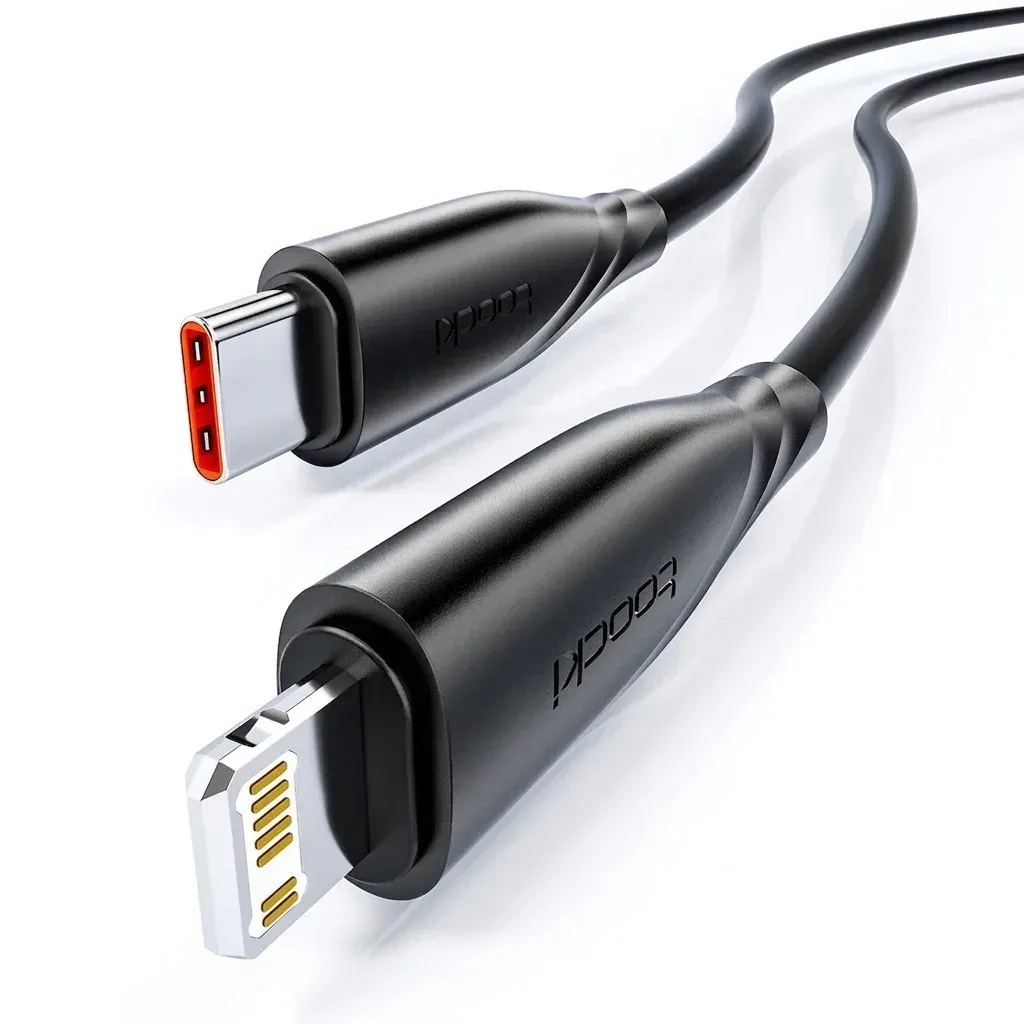
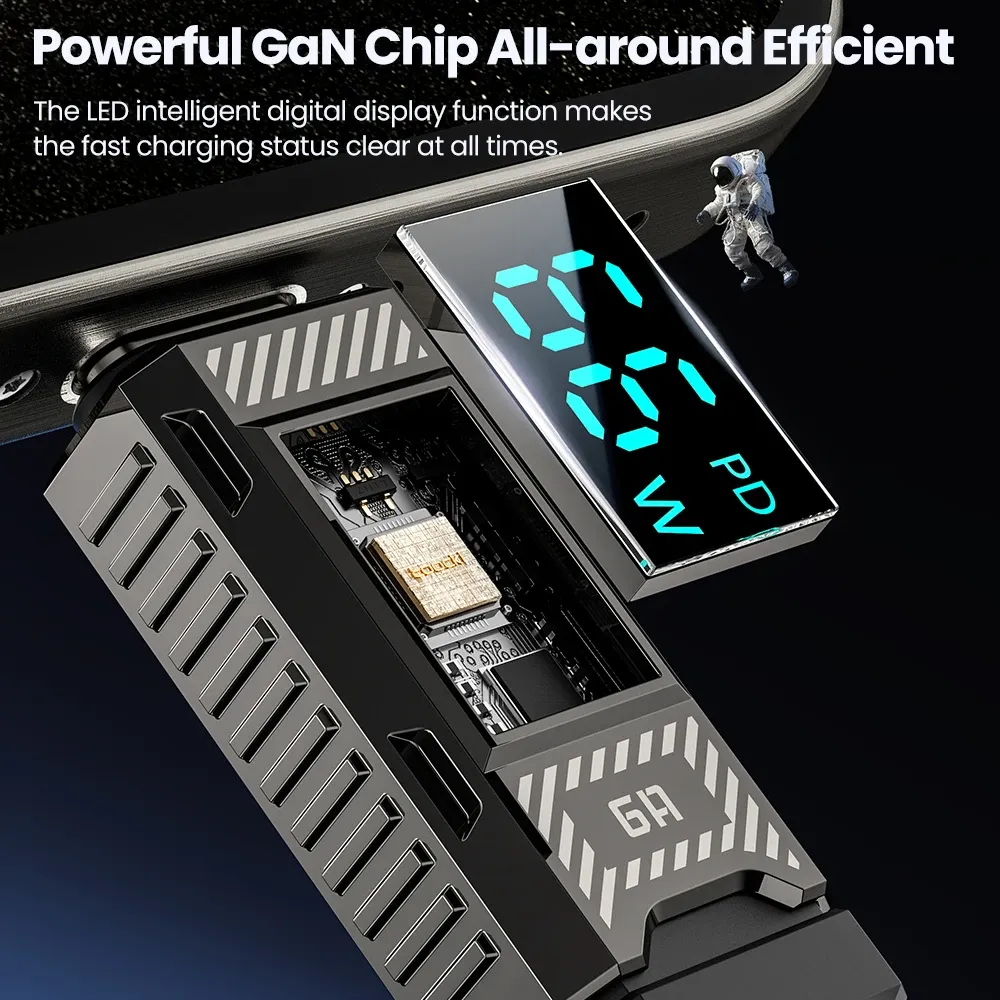
Toocki uses metal in the connector area, which gives the cable a firmer feel than the soft, budget-only alternatives that can flex too easily at the ends. The thicker outer body also suggests better resistance to daily bending, especially if the cable lives in a bag, on a bedside table, or beside a laptop dock.
That matters because charging cables often fail at the strain point near the plug, not in the middle of the cord. A sturdier shell can help the cable keep its shape longer, and the heavier, more textured feel is noticeable the moment you pick it up.
Who will get the most from it
This is a strong fit for users who want one cable for multiple USB-C devices without carrying a separate accessory for each wattage tier. It is also a sensible desk cable for people who like checking charging activity without opening a device menu or guessing from a battery icon.
Customer feedback is limited but positive, with a 4.8/5 average from 10 reviews, and the comments point to the cable matching its description. That does not replace long-term testing, yet it does support the impression that Toocki has kept the product aligned with its stated specs, so where are the trade-offs?
What to watch before choosing it
The biggest limitation is that charging speed still depends on the charger and the device, not the cable alone. If your phone or laptop caps out below 66W, the display will simply confirm the lower draw rather than unlock extra speed.
The cable is also most compelling for users who value function plus feedback; if you only need a spare lead for occasional syncing, the display feature may be more than you need. For everyone else, the combination of visible power data, metal detailing, and a reinforced build makes this a practical upgrade over a plain USB-C cable.