





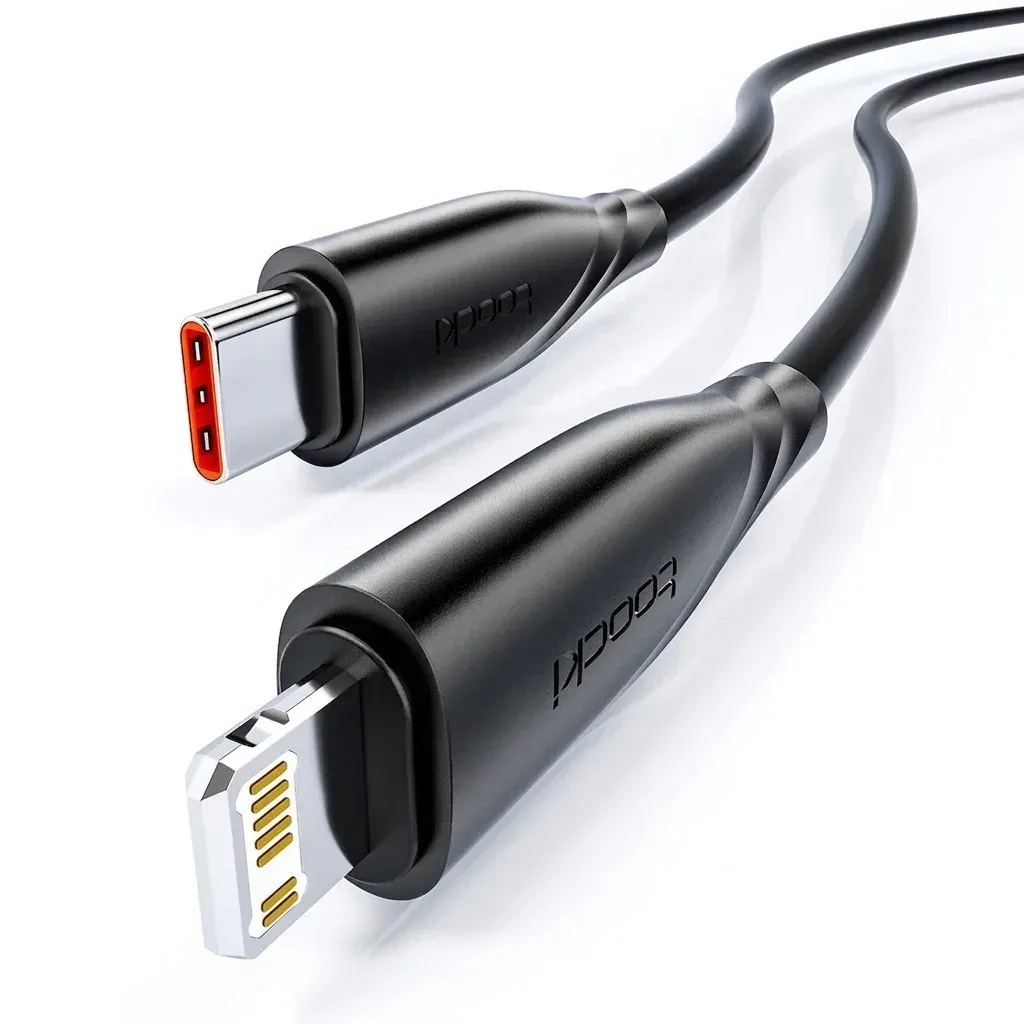
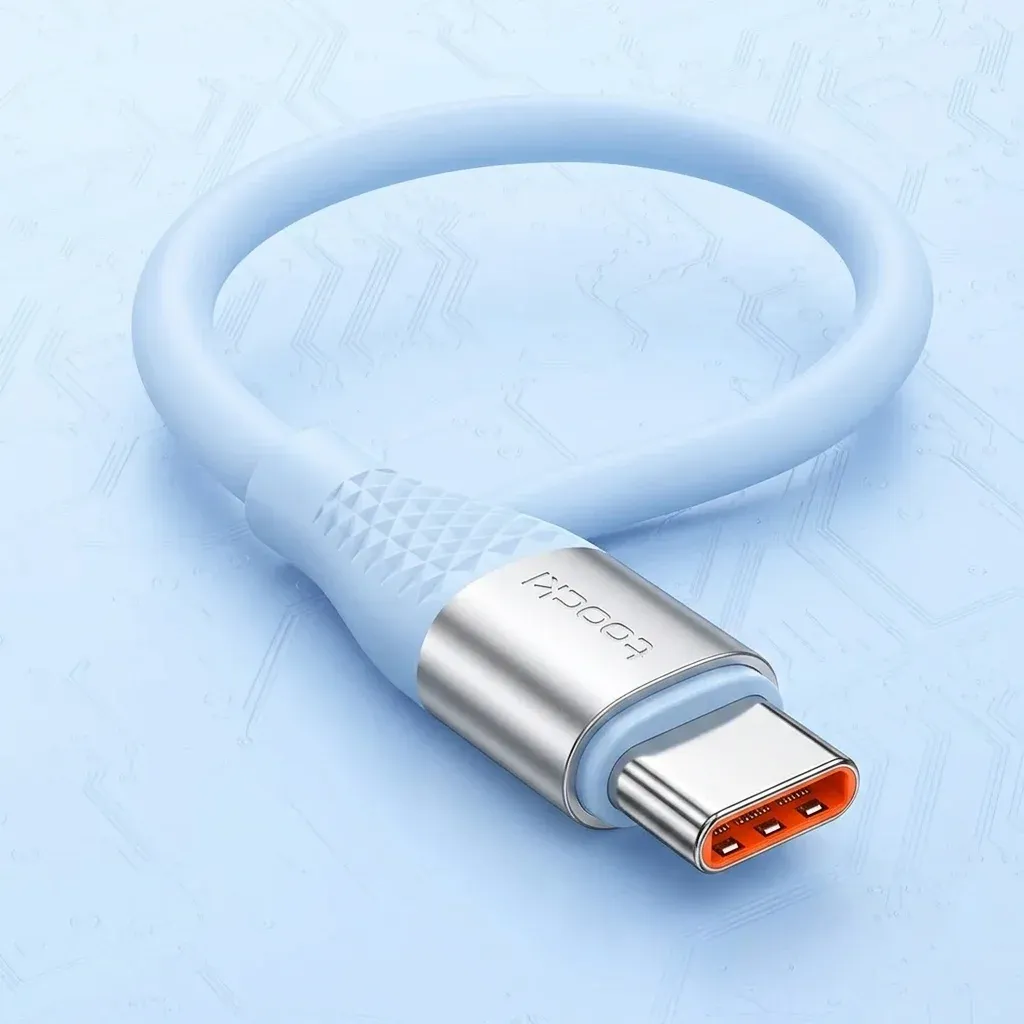

Built for the phones that still rely on USB-A
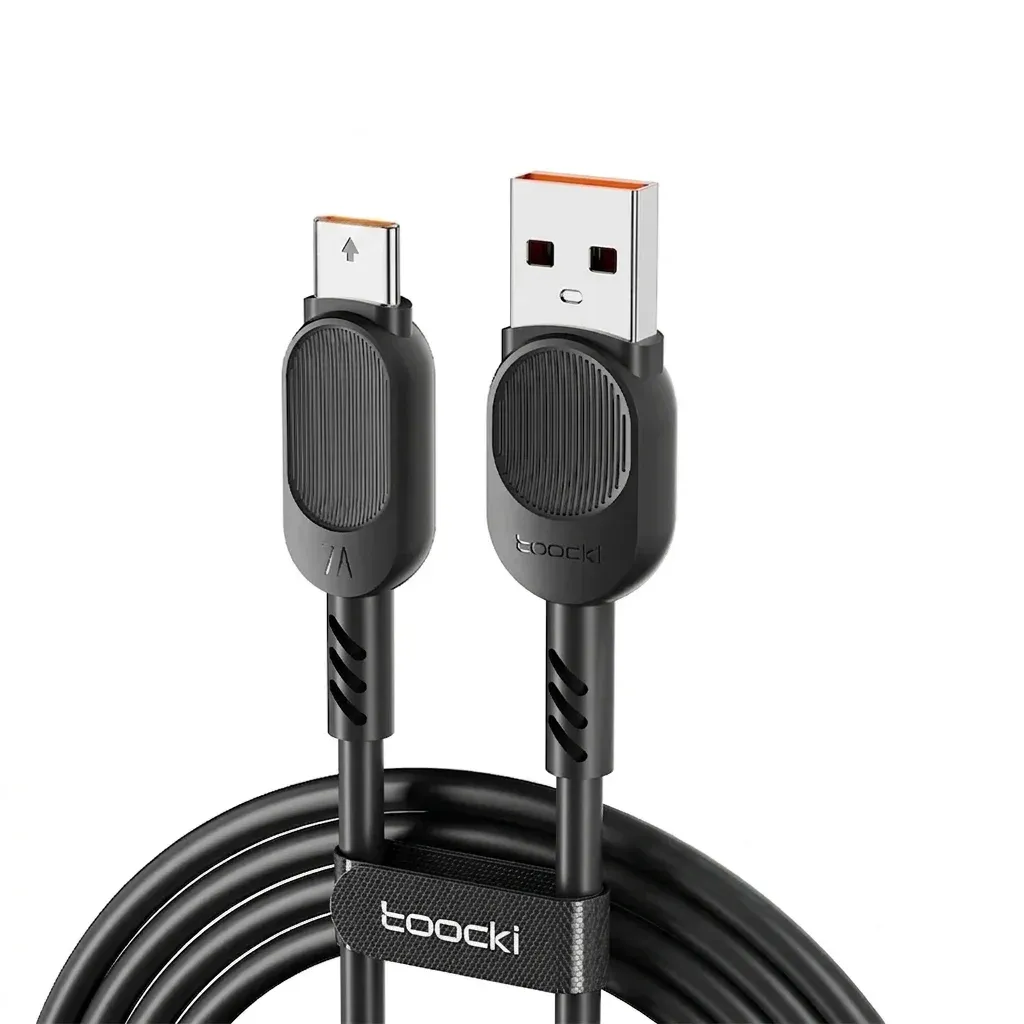
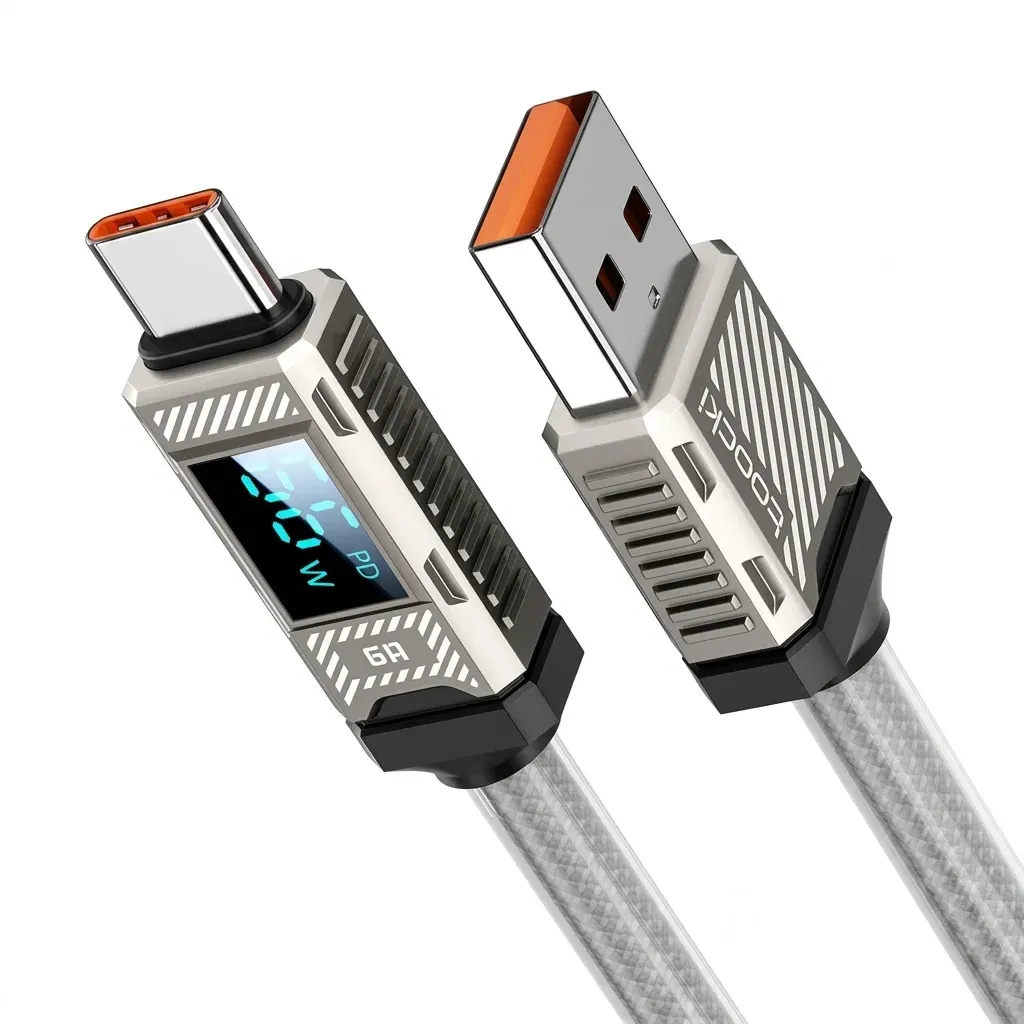
Toocki has earned a solid place in the AliExpress niche by focusing on practical charging accessories with sensible materials, clear compatibility, and consistent value. This cable follows that formula closely: it is a USB-A to USB-C lead aimed at users who want straightforward charging without paying for features they will never use.
In daily use, that matters because many homes, cars, and power strips still have USB-A ports. A cable like this lets you keep older chargers in service while still connecting modern Type-C phones, tablets, and small devices, so the upgrade feels useful rather than cosmetic.
7A claims meet real-world charging habits
The headline 7A rating sounds ambitious, but the more useful takeaway is that the cable is designed to support fast charging on compatible devices and chargers. Real customer feedback points to strong results on phones such as Samsung Galaxy and Xiaomi models, though one user noted that actual wattage still depends on the charger and the device’s own charging protocol.
That is the key point with any fast-charge cable: the cable can support the flow, but it cannot force a phone to draw more power than its hardware allows. If you use an original or protocol-matched charger, this cable is more likely to deliver the speed you expect; if not, it behaves like a standard USB 2.0 lead, which is still perfectly fine for everyday use.
USB 2.0 data transfer for backups and syncing
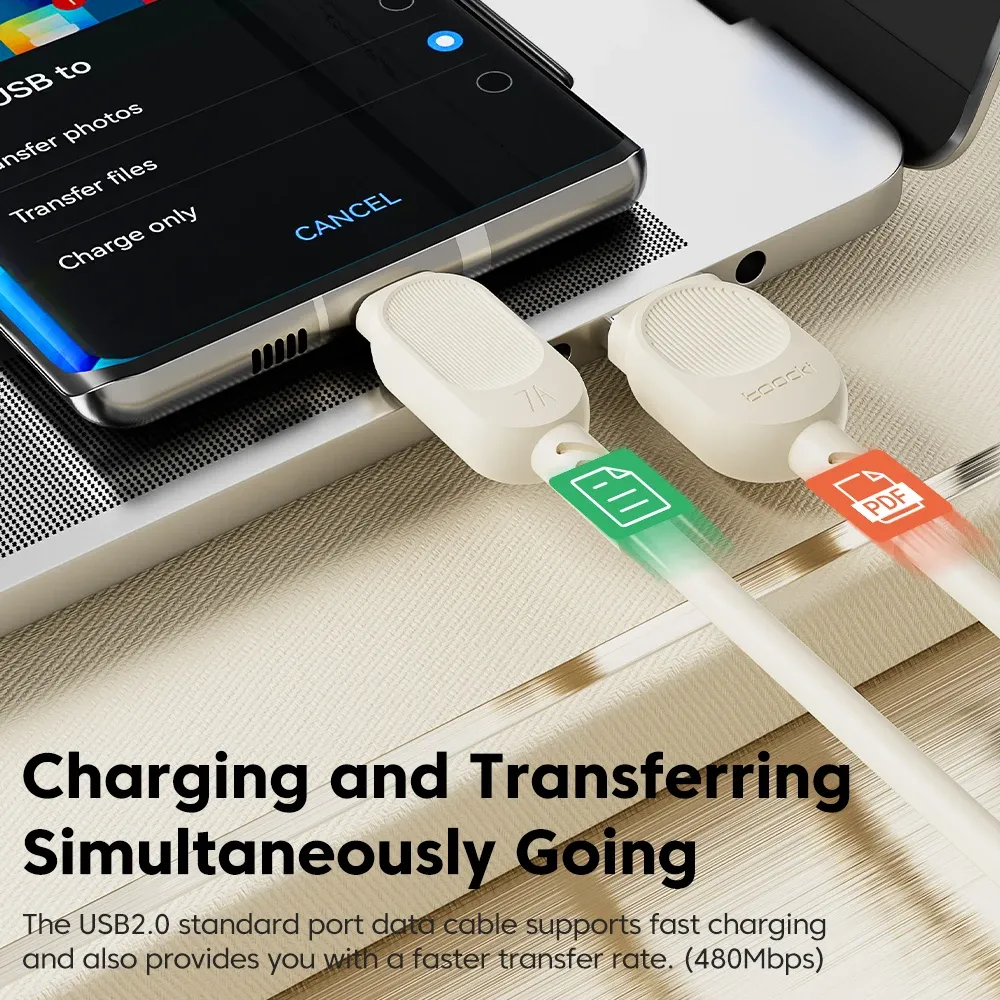
With 480 Mbps USB 2.0 transmission, this cable is better suited to syncing photos, transferring documents, and updating device content than moving huge video libraries. That speed is not flashy, yet it is enough for routine smartphone backup jobs and file transfers to a laptop or desktop.
For users who mostly charge at a desk and only transfer files occasionally, this is a sensible trade-off. If you regularly move large 4K footage or want USB 3.x speeds, you should look higher up the range, but for standard mobile use the balance here is practical and uncomplicated.
TPE construction that feels everyday-ready
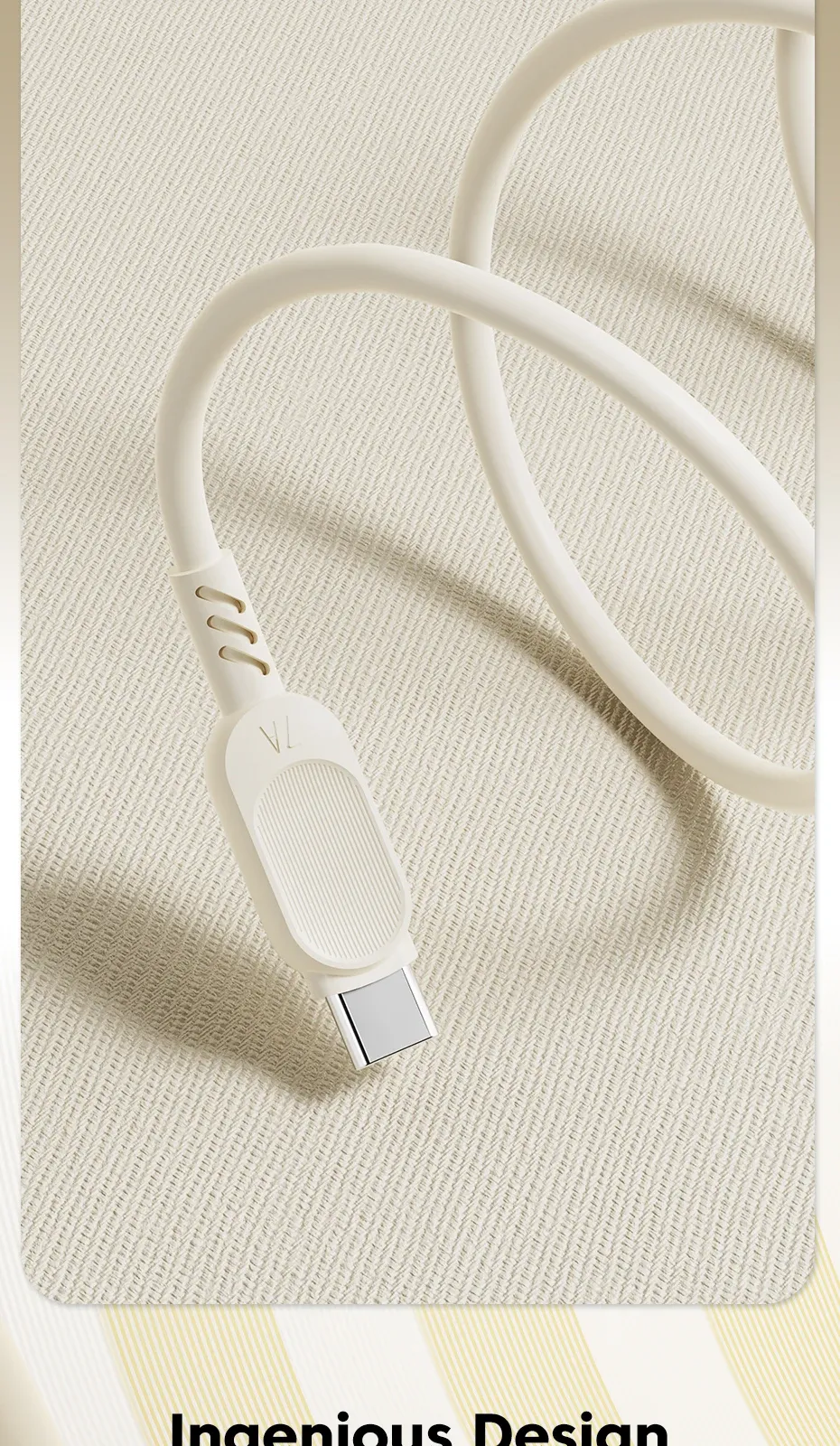
The TPE jacket is one of the cable’s more important strengths because it usually gives a softer, less slippery feel than very stiff budget cables. It also tends to handle repeated bending near the connector better than brittle low-cost PVC leads, which helps in bags, bedside setups, and car charging.
The build is not trying to feel premium in a luxury sense; it is trying to feel dependable. Users mention good material and length, which suggests the cable lands in that useful middle ground where it is flexible enough to route neatly but still sturdy enough for regular plug-in, unplug cycles.
Compatibility that covers the mainstream Android stack
This cable is clearly aimed at popular USB-C phones from Samsung, Huawei, Xiaomi, OPPO, OnePlus, POCO, and Honor. That broad support makes it a strong spare cable for mixed-device households, especially when one charger needs to serve several phones across a desk, sofa, or travel kit.
The package options also make sense for AliExpress shoppers who like to keep backups in different places. A single cable works for minimalist setups, while 3-pack and 5-pack choices are useful if you want one in the car, one at home, and one in a work bag without hunting for the same lead every day.
Who gets the most value from it?
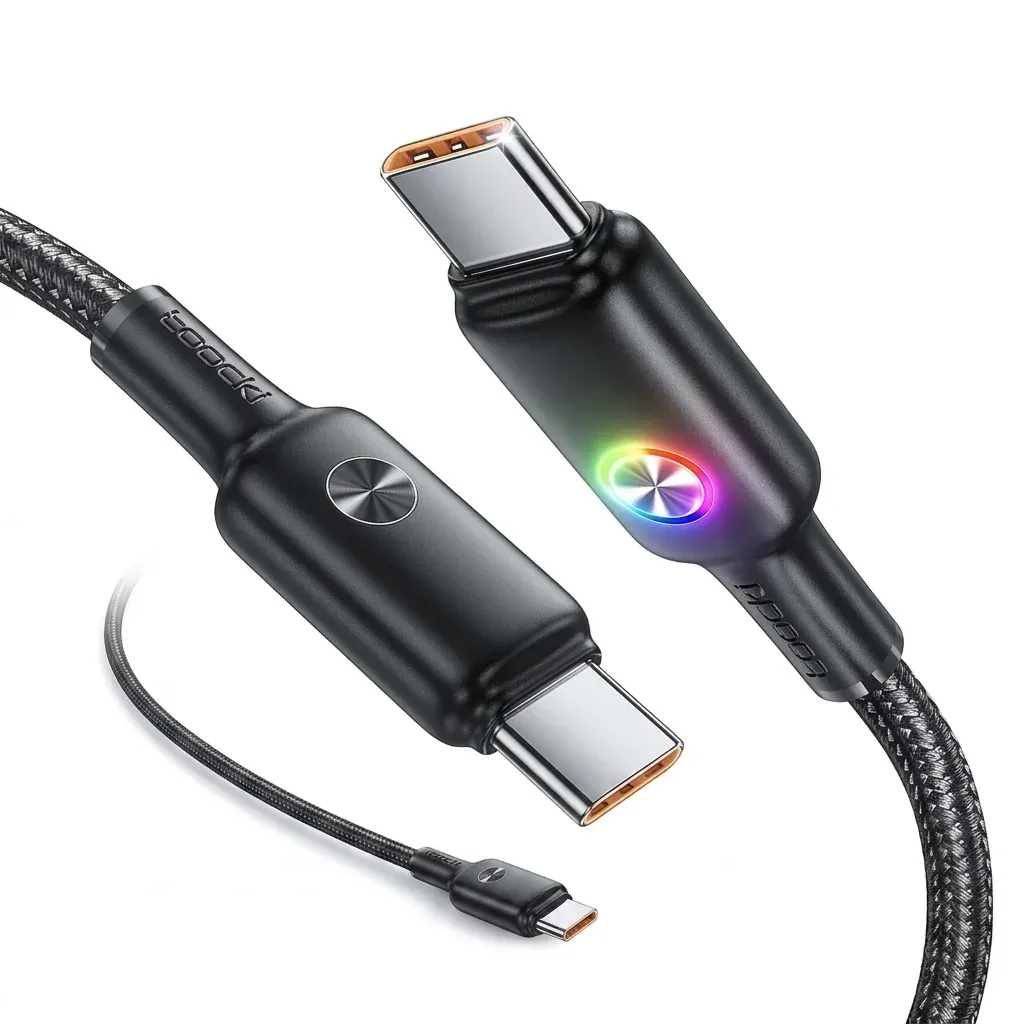
This is the kind of cable that makes sense when you want a dependable Type-C spare rather than a specialist accessory. It is most convincing for everyday charging, secondary device use, and file syncing, where consistency matters more than premium extras like braided armor or display readouts.
For AliExpress Singapore readers, the appeal is simple: a low-cost, brand-backed cable with certifications, broad compatibility, and enough real-world feedback to suggest it does the basics well. The only question is whether your charger and phone are ready to make full use of it.