







Why Awei feels like a safer choice in the budget audio niche
Awei has earned a solid reputation in the AliExpress electronics space by focusing on practical accessories that solve one clear problem without overcomplicating the design. That usually means sensible materials, simple compatibility, and pricing that stays close to the entry point, which is exactly what this adapter aims to deliver.
For a tiny accessory, brand consistency matters because the weak point is often not the cable itself but the connector fit, shielding, or strain relief. This model looks built for everyday use rather than desk decoration, so the real question is how well it handles sound transfer in daily carry.
USB-C to 3.5mm: the value is in simple compatibility
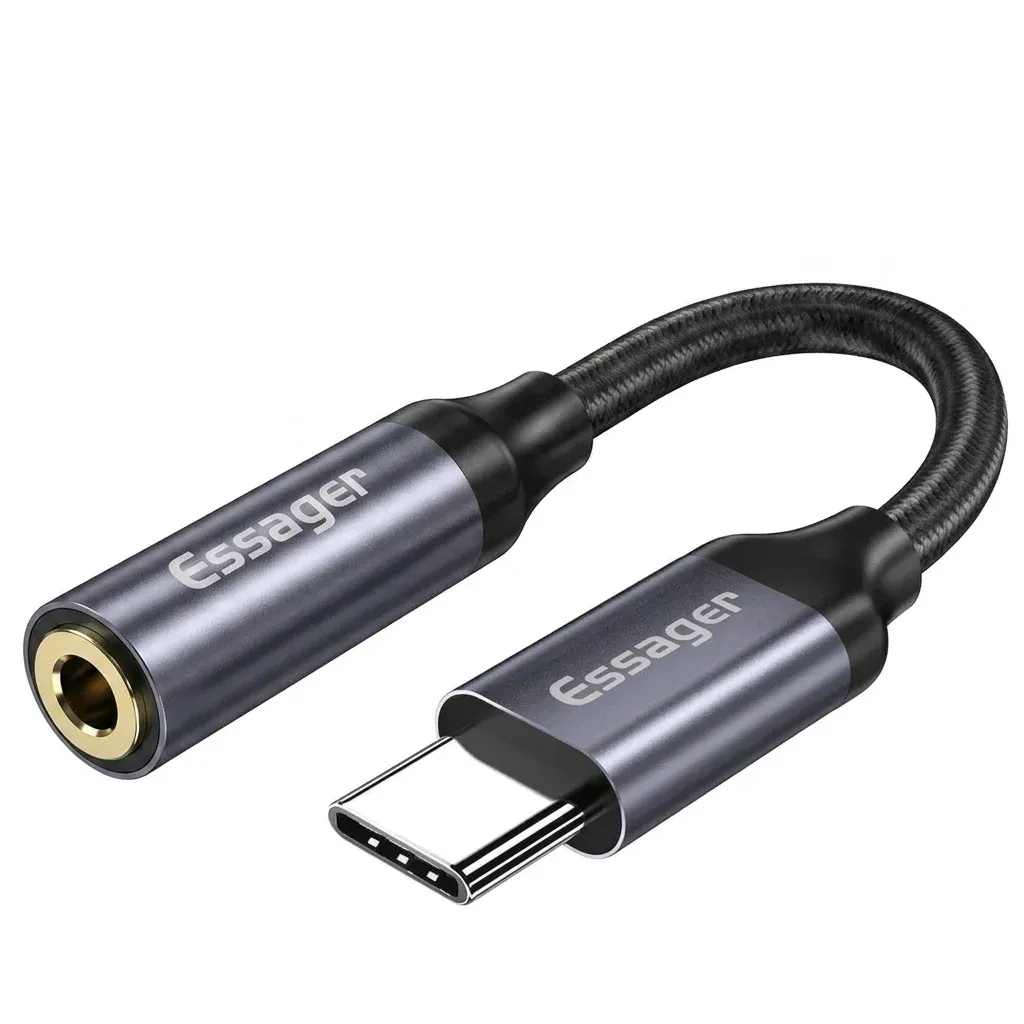
The core job here is straightforward: it lets a USB-C device feed audio into a 3.5mm headset, AUX input, or compact speaker system. That makes it useful for phones that dropped the headphone jack, especially if you still enjoy wired earbuds for lower latency and no charging hassle.
Users who leave a car with an AUX port, a small desktop speaker, or a favorite pair of wired headphones will get the most from it. According to customers, it works as described and the sound transmission is generally clean, which is the main thing this category must get right.
What the aluminum alloy and TPE build changes in hand
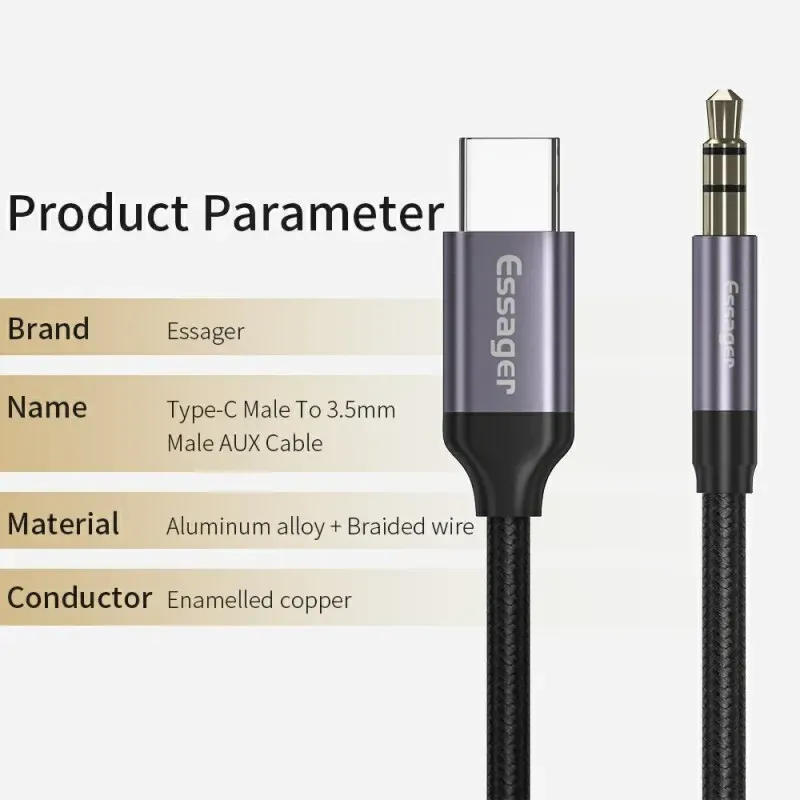
The listed aluminum alloy and TPE construction suggests a cable that should resist the floppy, brittle feel common in ultra-cheap adapters. In practice, that usually means a firmer plug housing and a more flexible lead, so it is easier to route from a phone in a pocket to a speaker on a table.
The product description also mentions a rope-like cable finish, and that detail matters because braided or textile-style jackets tend to handle bends better than plain glossy plastic. If you want a compact adapter that feels less disposable, this is one of the more convincing signs, but the durability still depends on how gently the plugs are handled.
Sound transfer for headphones and speakers, not a feature-heavy dongle
This is a transfer-sound accessory, not a digital audio hub, so expectations should stay focused on clean analog output rather than advanced controls. That makes it a better fit for listening than for remote-heavy headset use, especially since the notice says some headphones may not support remote functions.
That limitation is normal in this segment because button wiring and microphone support can vary by headset and phone model. If you mainly want music, podcasts, navigation prompts, or simple speaker playback, the adapter’s job is much clearer than on multi-function audio dongles, and that simplicity is part of the appeal.
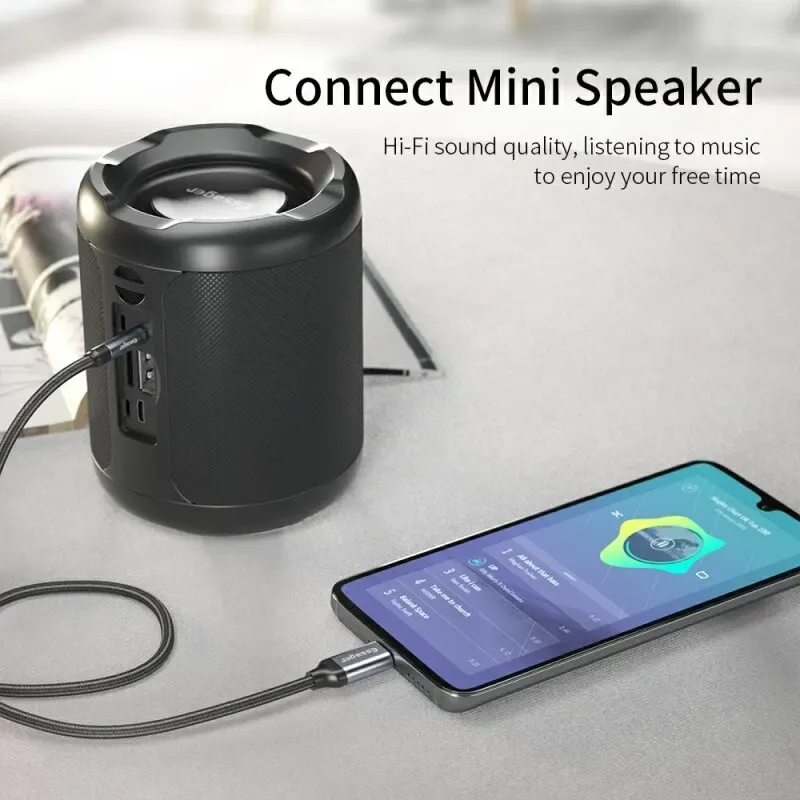
Where this adapter makes the most sense
The best use case is a daily carry setup: USB-C phone in one pocket, wired earbuds or AUX cable in the other. It also works well for travel bags, office desks, and older car stereos where a direct 3.5mm input still sounds better than a noisy wireless workaround.
At S$1.3, the value case is strong because the cost is close to negligible for something that can restore compatibility instantly. Real-world reviews are mostly positive, with customers describing it as working well and matching the listing, though a few wanted a sturdier feel, which is worth keeping in mind if your cable gets heavy use.
What stands out before you choose it
- USB-C input keeps it relevant for newer phones and tablets.
- 3.5mm output supports headphones, AUX ports, and small speakers.
- Flexible cable design is easier to pack than rigid adapters.
- Low-profile format suits travel, desk use, and car audio.
- Best for straightforward listening rather than remote-control-heavy headsets.