

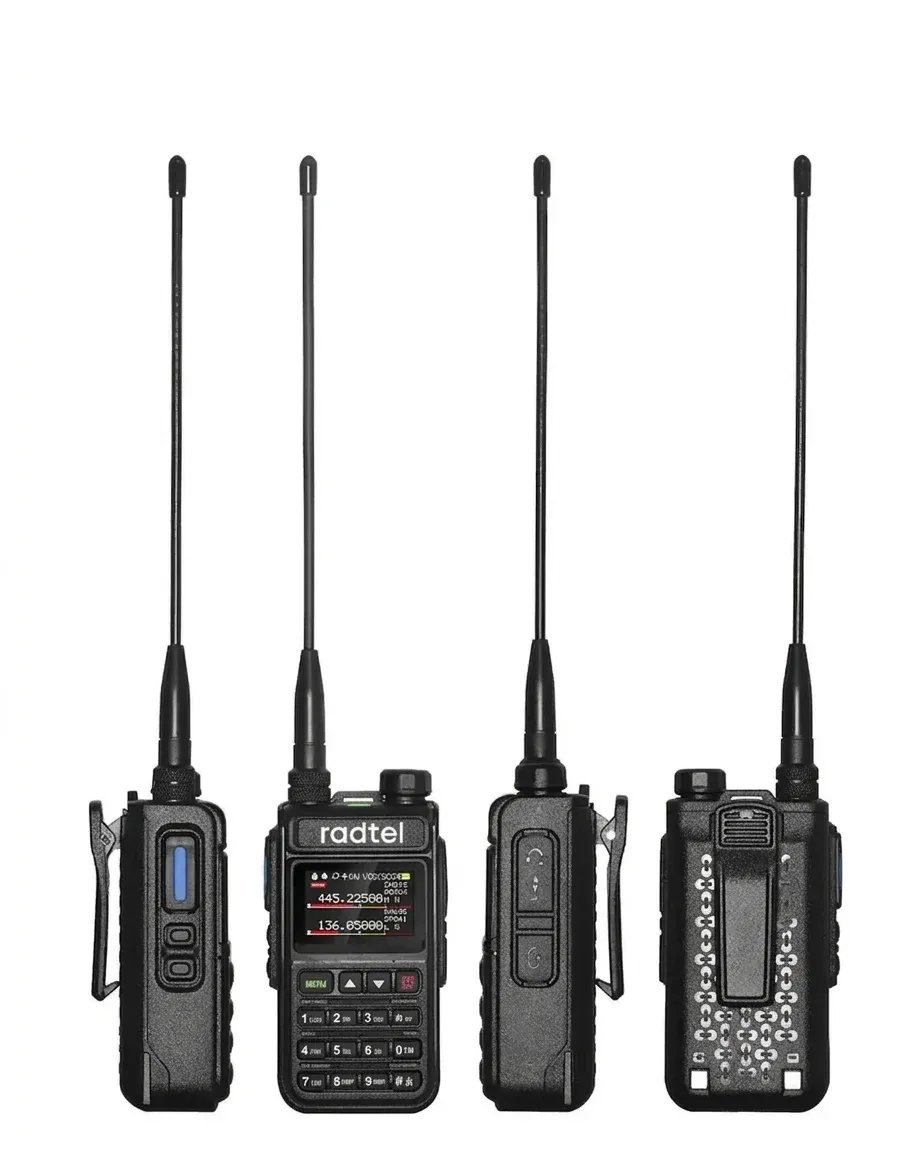






Wideband listening in a pocket-sized body
The RT-890 solves a familiar problem for radio hobbyists: getting one handheld that can cover more than a single band without carrying a larger base unit. With 108-520MHz coverage, it reaches into airband, marine, NOAA, and common amateur listening ranges, which makes it far more versatile than a basic walkie-talkie.
Its 999-channel memory is the real practical advantage here, since it lets users store a broad scanning list instead of constantly retuning by hand. That matters when you want quick access to local repeaters, aviation channels, or weather alerts, so what does the radio actually feel like in daily use?
How the 3W-5W output changes field use
The rated 3W-5W output is enough for short-range handheld communication and local monitoring, but the advertised 3km-5km range should be read as an ideal-condition figure rather than a promise. In open terrain the radio can be useful for campsite coordination or worksite contact, while buildings, hills, and dense urban clutter will reduce that distance quickly.
For Singapore-style urban use, the stronger value is not raw range but the ability to stay responsive and scan efficiently. Users who want a simple, portable receive-and-monitor tool will care more about clarity and channel access than long-distance claims, and that is where the RT-890 makes more sense.
Display and channel handling for fast scanning
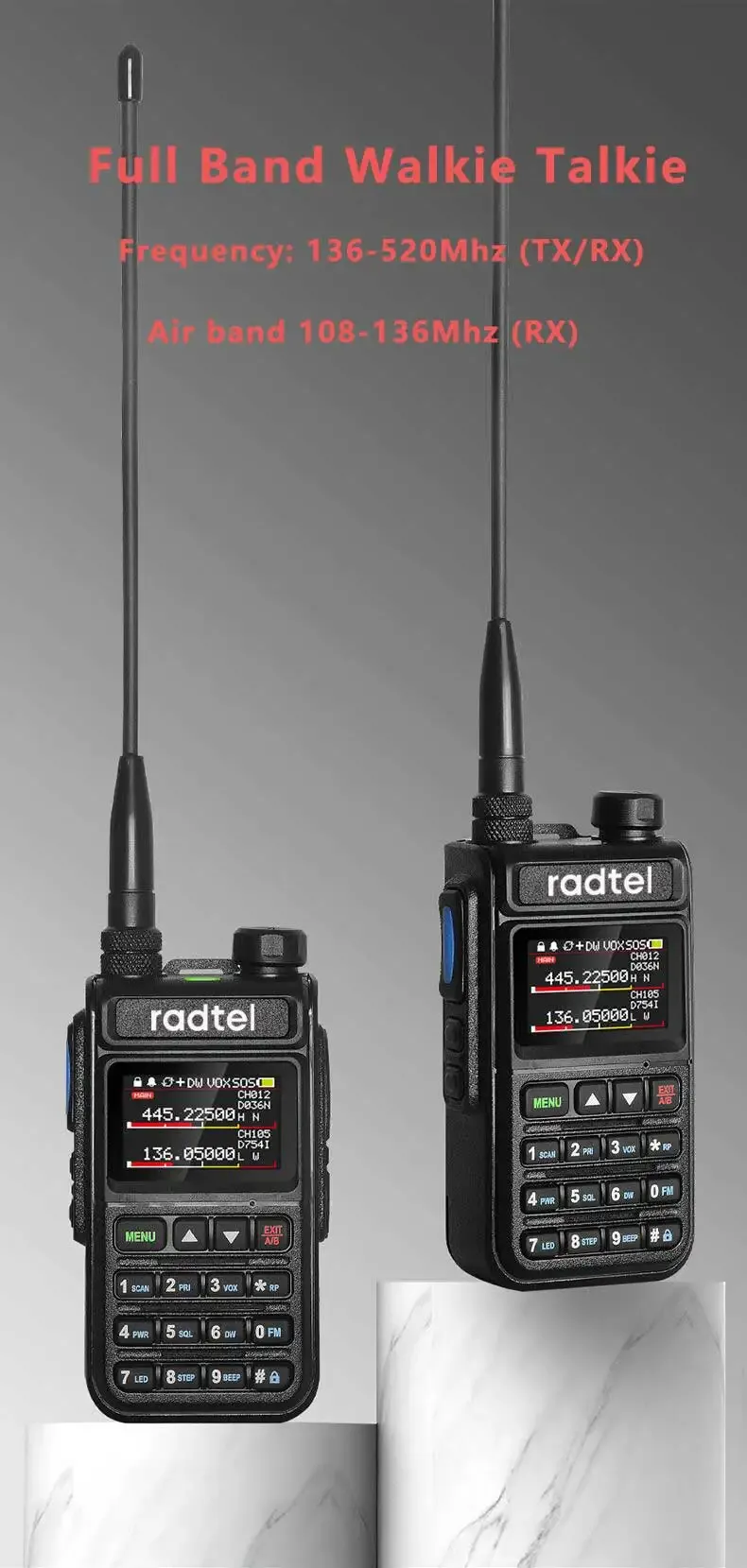
The built-in display gives the RT-890 a clearer workflow than minimalist analog handhelds, because you can see channel and mode information without guessing. That makes it easier to move between stored channels and spot active traffic during scanning sessions, especially when you are comparing airband chatter with weather or marine channels.
According to users, the radio is easy to set up and the menu is clear, which is important on a device with this much band coverage. A scanner only feels useful when it can be navigated quickly, and the RT-890 appears to focus on that practical side rather than on flashy extras.
Battery size and portability for outdoor monitoring
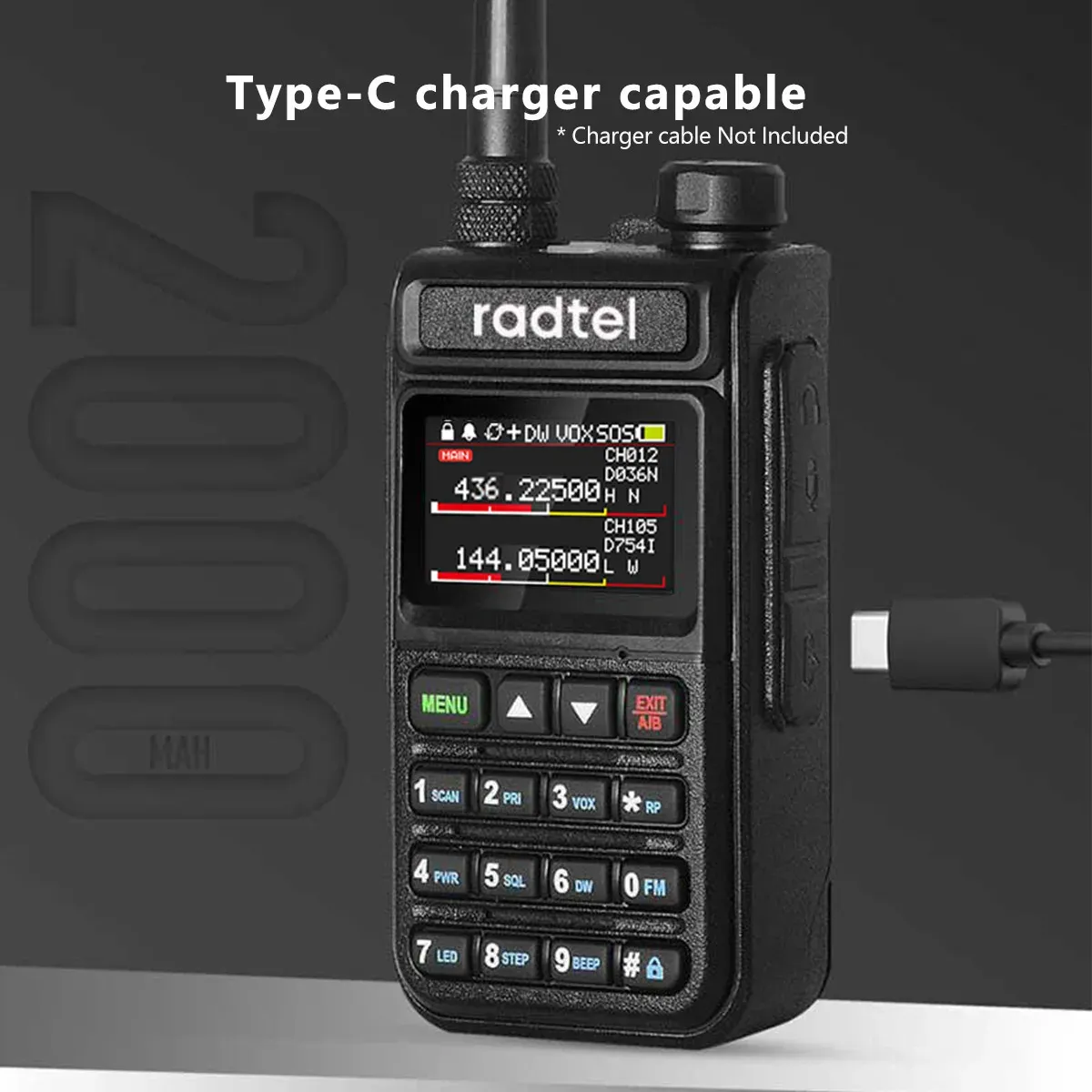
The 1100mAh battery is modest, but it fits the radio’s compact 31 x 6 x 3 cm frame and keeps the unit light enough for belt carry or bag storage. That combination suits day trips, event monitoring, and casual scanning better than heavy-duty expedition use, where a larger battery would be welcome.
The plastic shell keeps weight down and the included battery means it is ready to use out of the box. Because it is not water-resistant, this is a fair-weather field radio rather than a rainproof tool, so the next question is whether the feature set justifies the asking level.
What the review data suggests
Real feedback is broadly favorable, with an average rating of 4.5 from 93 reviews and a strong positive rate. Customers most often describe it as a good little radio, easy to set up, and pleasant to listen to, which lines up with its role as an accessible wideband handheld rather than a specialist professional transceiver.
The most convincing part of the feedback is consistency: users keep returning to the same themes of usable audio, straightforward operation, and good value for the feature set. That pattern matters more than isolated praise, because it suggests the RT-890 delivers on its core scanning job without asking for a steep learning curve.
Best fit for this model
- Entry-level scanner users who want broad band coverage in one unit
- Outdoor hobbyists who monitor airband, NOAA, or local channels
- Collectors who want a compact receive-focused handheld for everyday carry