






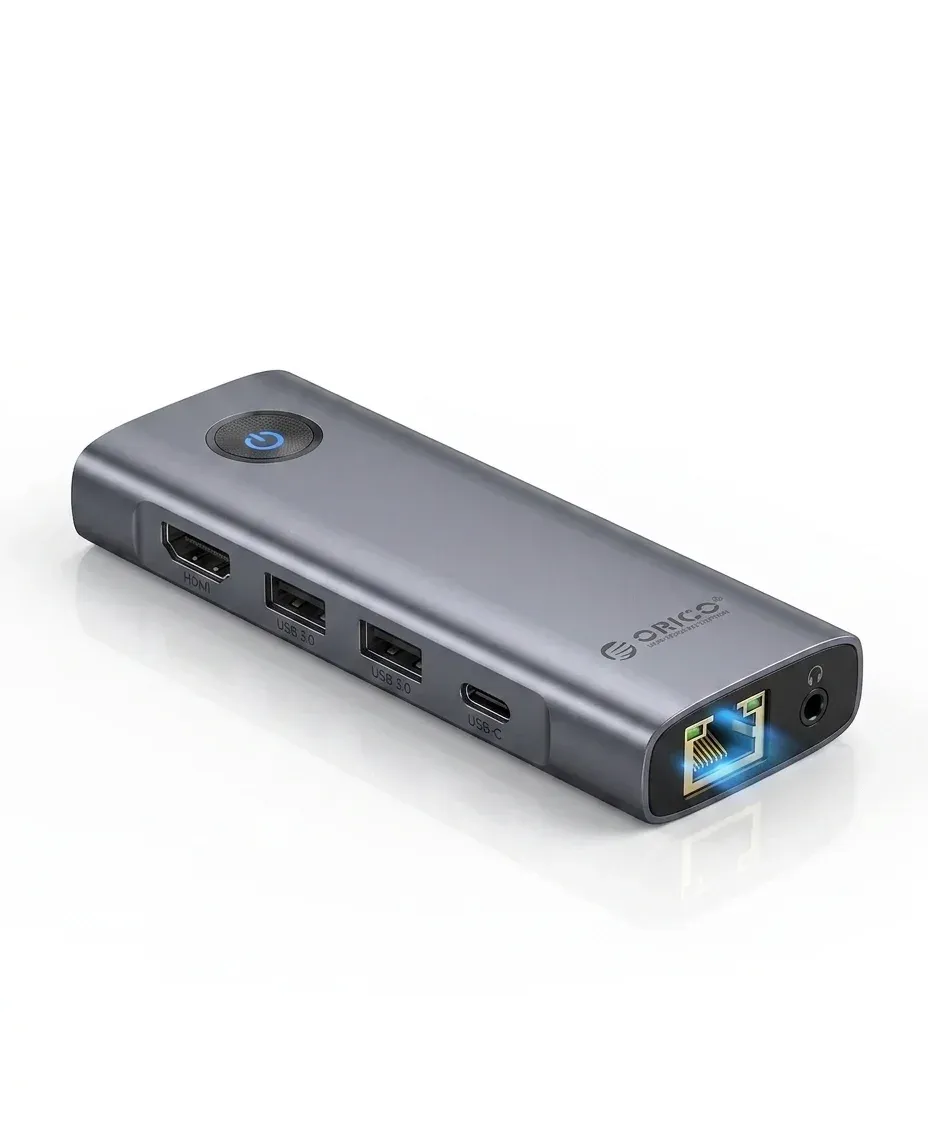
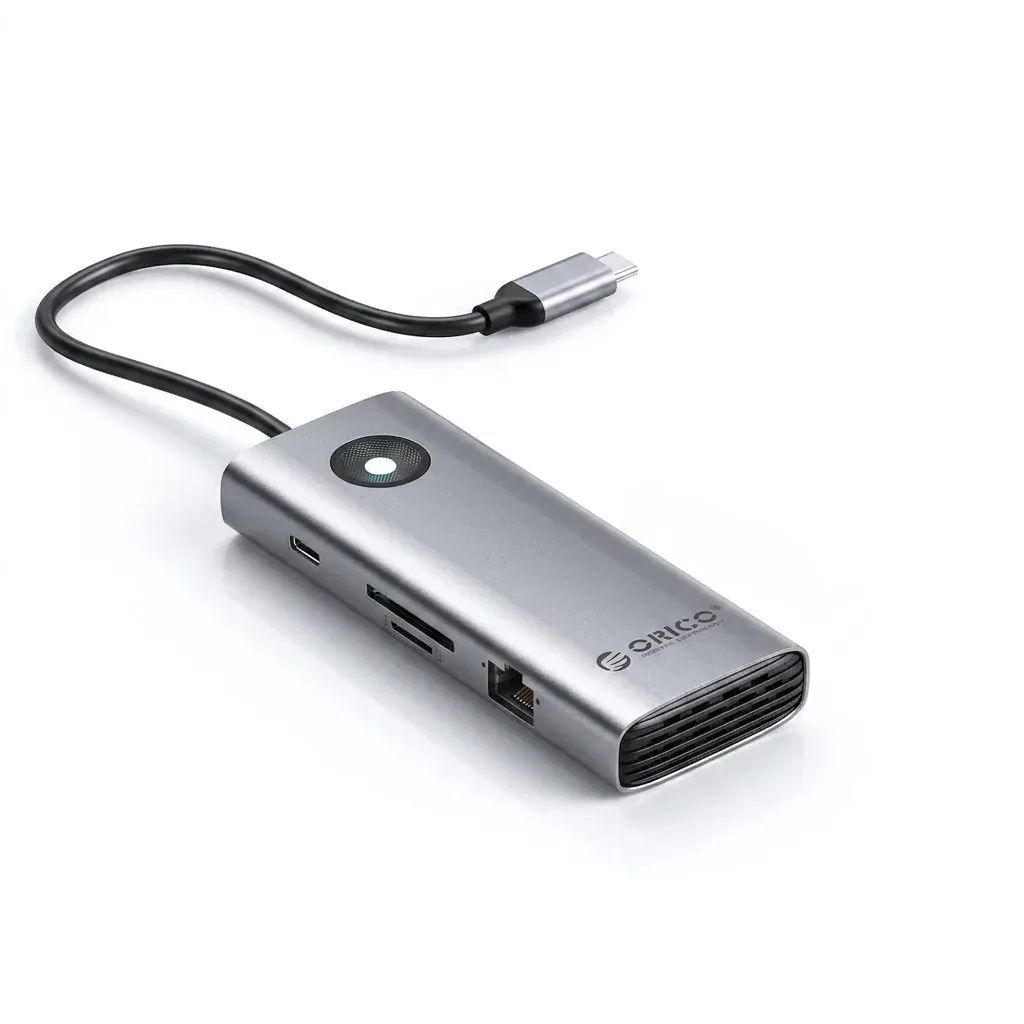
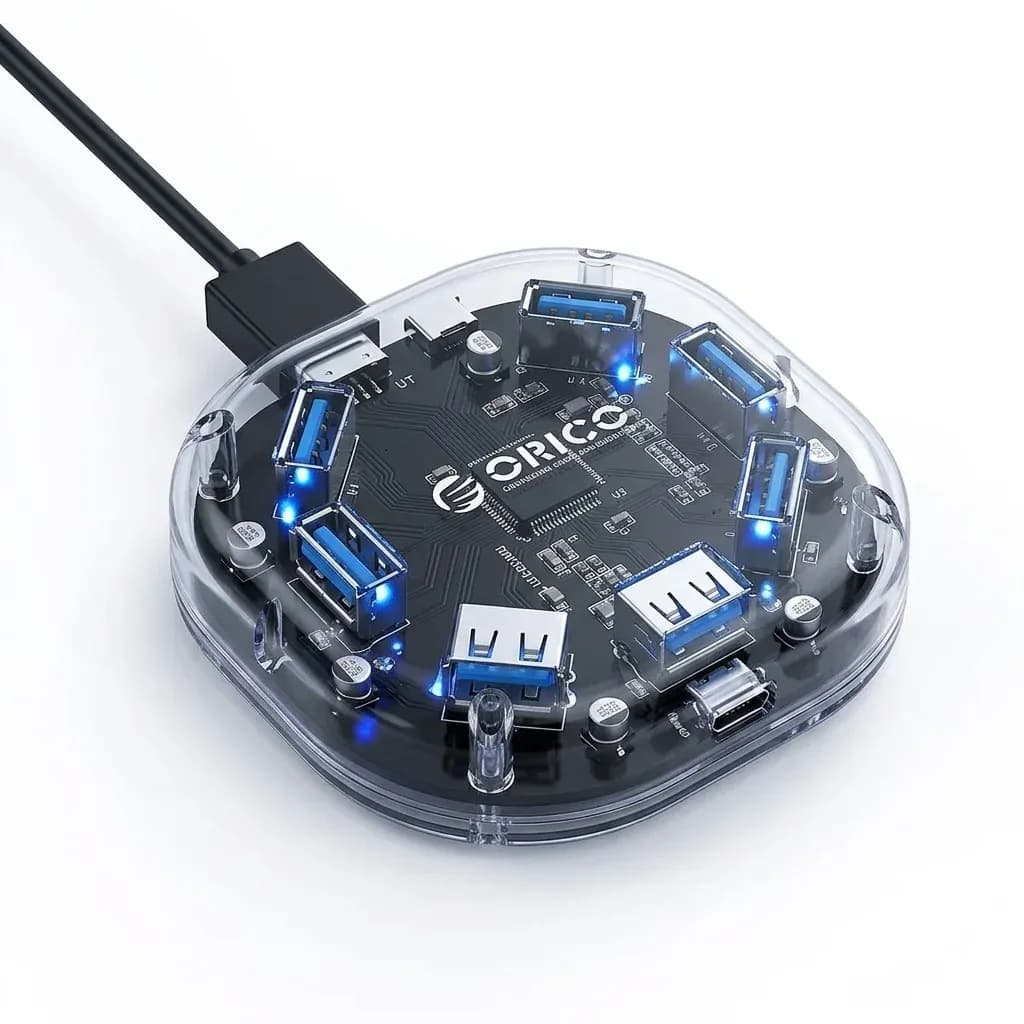
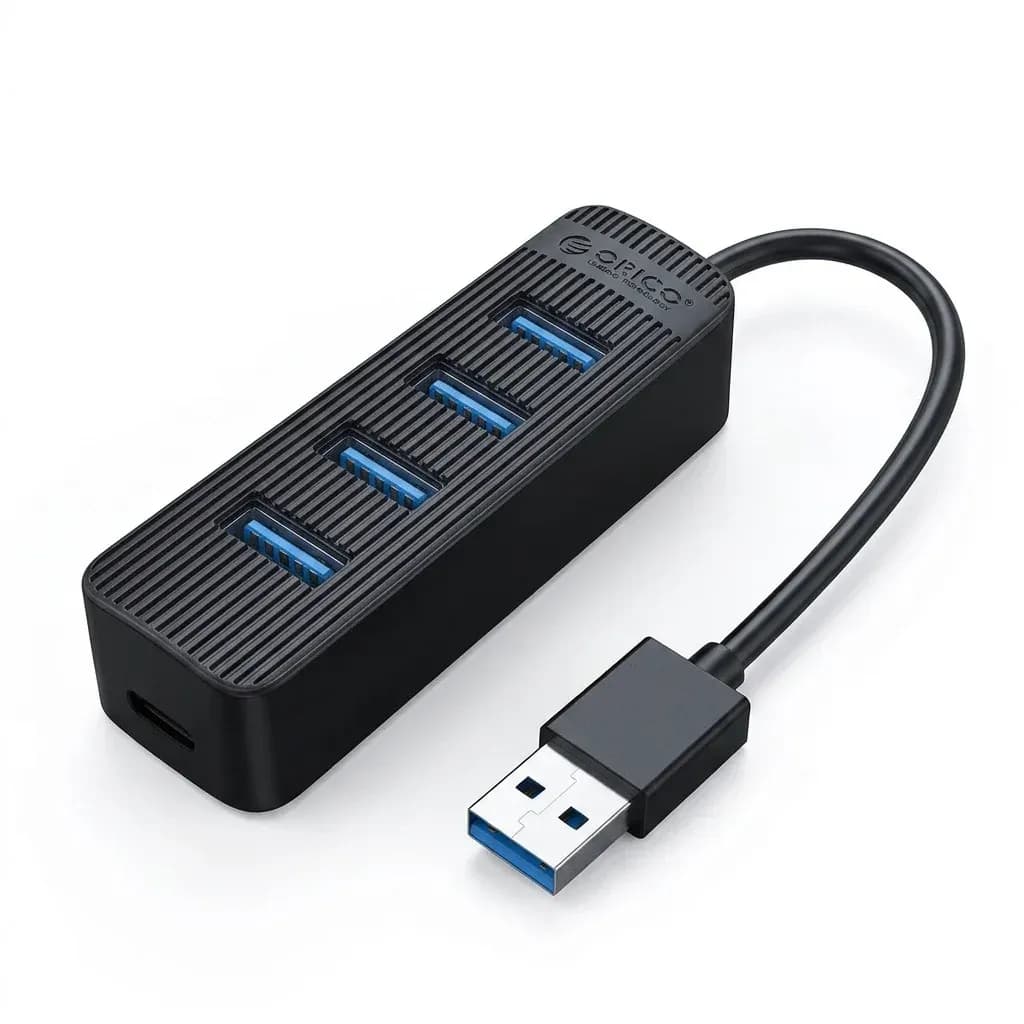

Why Orico’s powered hub stands out on a crowded desk
Orico has built a solid reputation in the AliExpress USB hub segment by focusing on practical hardware rather than flashy extras. Its products usually pair clean industrial design with stable power delivery, which is exactly what matters when you are running multiple peripherals from one machine.
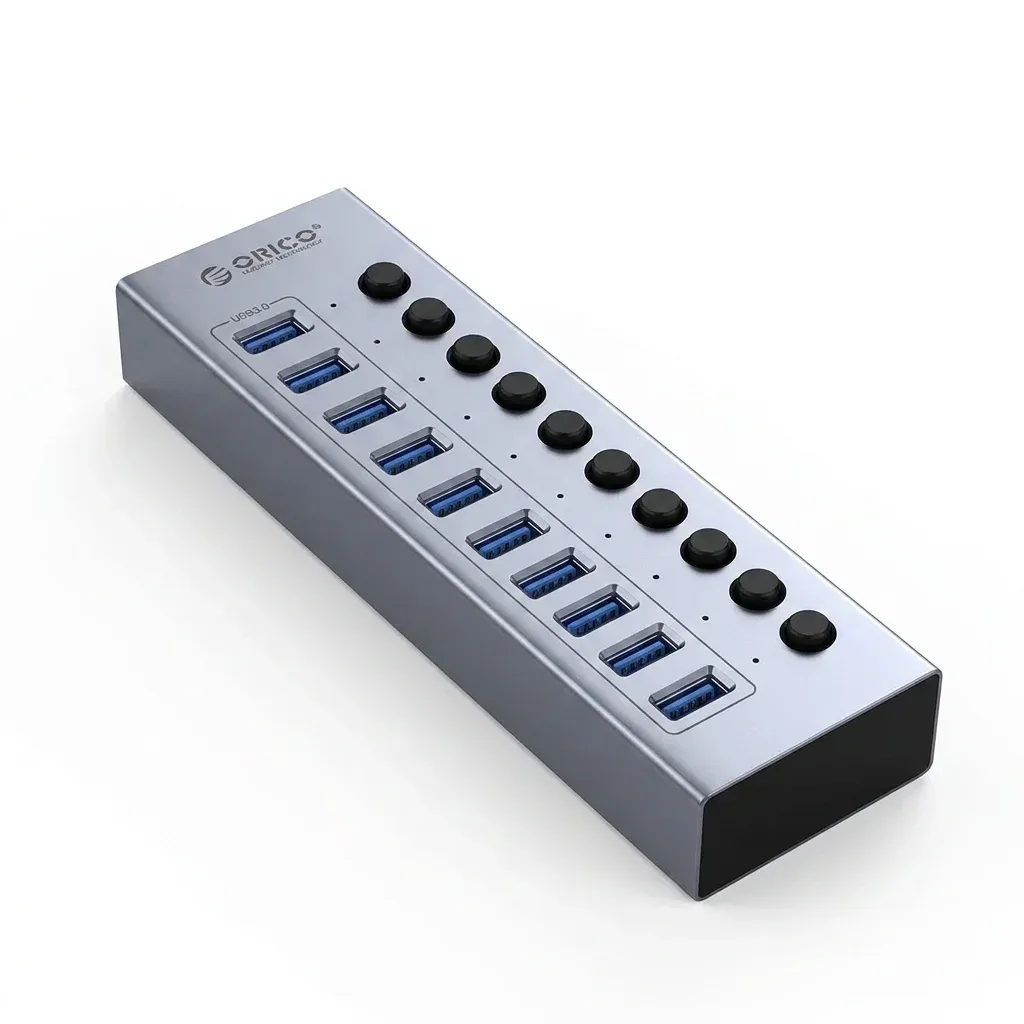
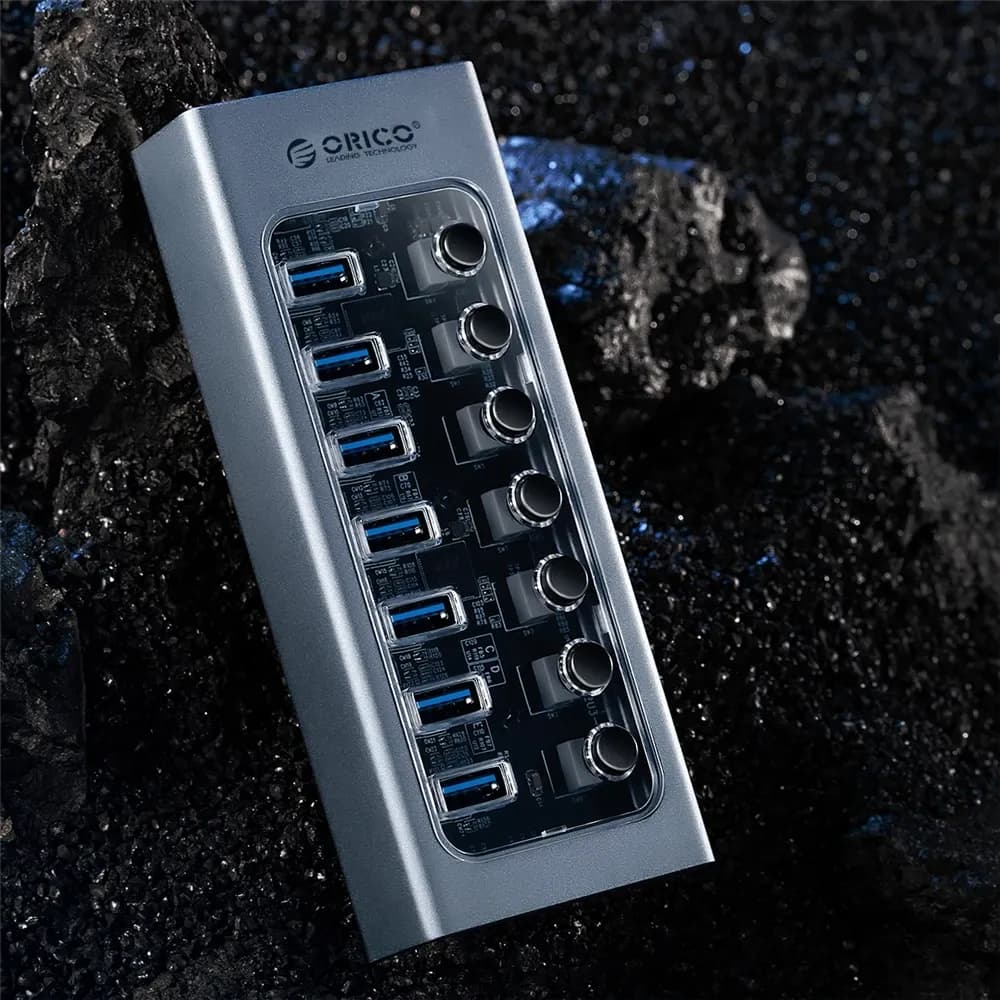
This BT2U3 model follows that formula with a metal-and-PC body, USB 3.0 connectivity, and individual port switches that make desk management easier. If your current setup suffers from dongle clashes, weak bus power, or constant replugging, this is the kind of hub that solves the problem at the source.
Seven ports without the usual cable chaos
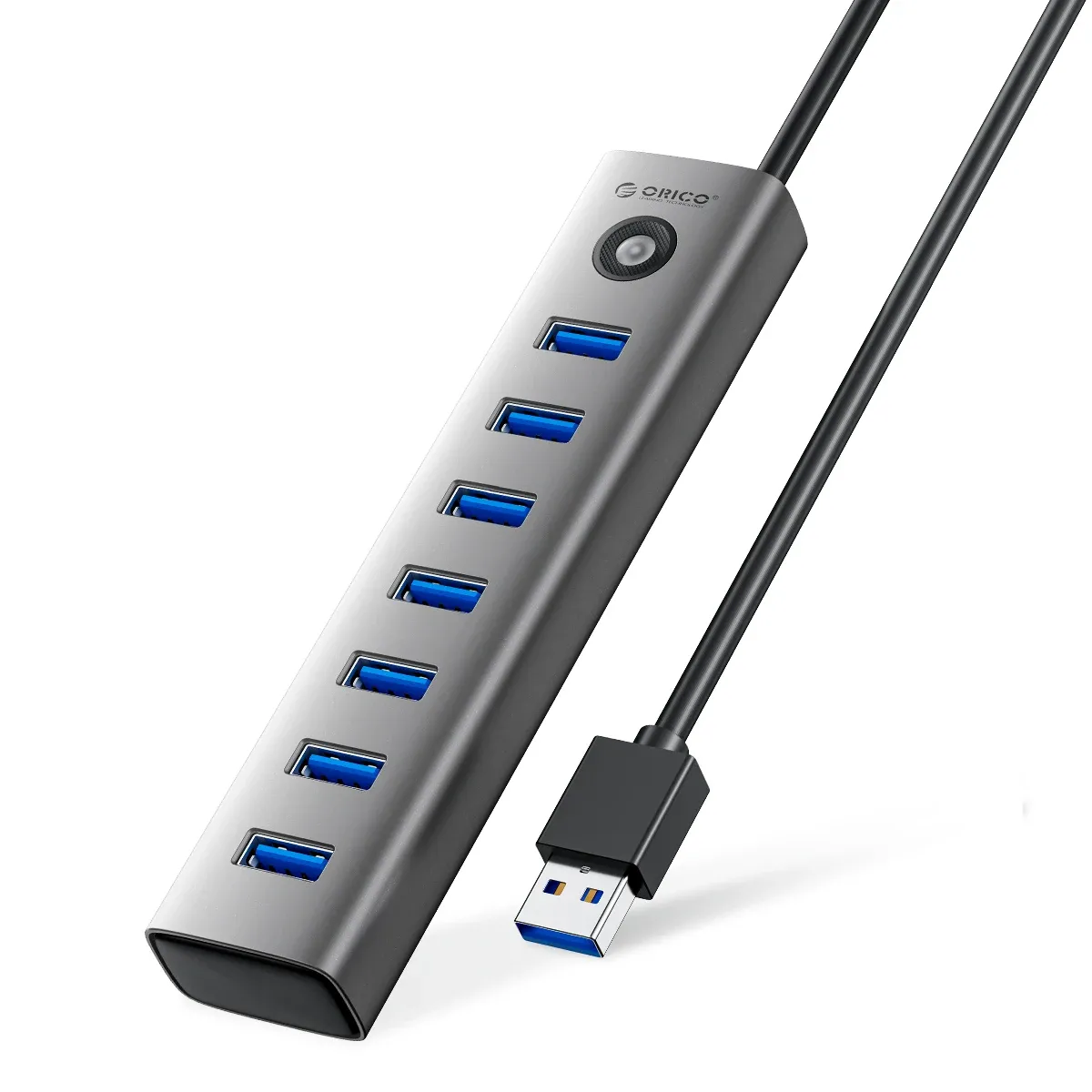
The main benefit here is simple: one upstream USB 3.0 connection turns into seven usable ports, so a keyboard, mouse receiver, external drive, webcam, and card reader can live on the same hub. That reduces the constant swapping that slows down workstations and home offices, especially on slim laptops with too few native ports.
Users also report that all ports are recognized normally and that the hub behaves reliably under everyday use. In practice, that means fewer interruptions when a wireless dongle drops out or when you need a storage device to stay connected during a transfer.
Individual switches are more useful than they look
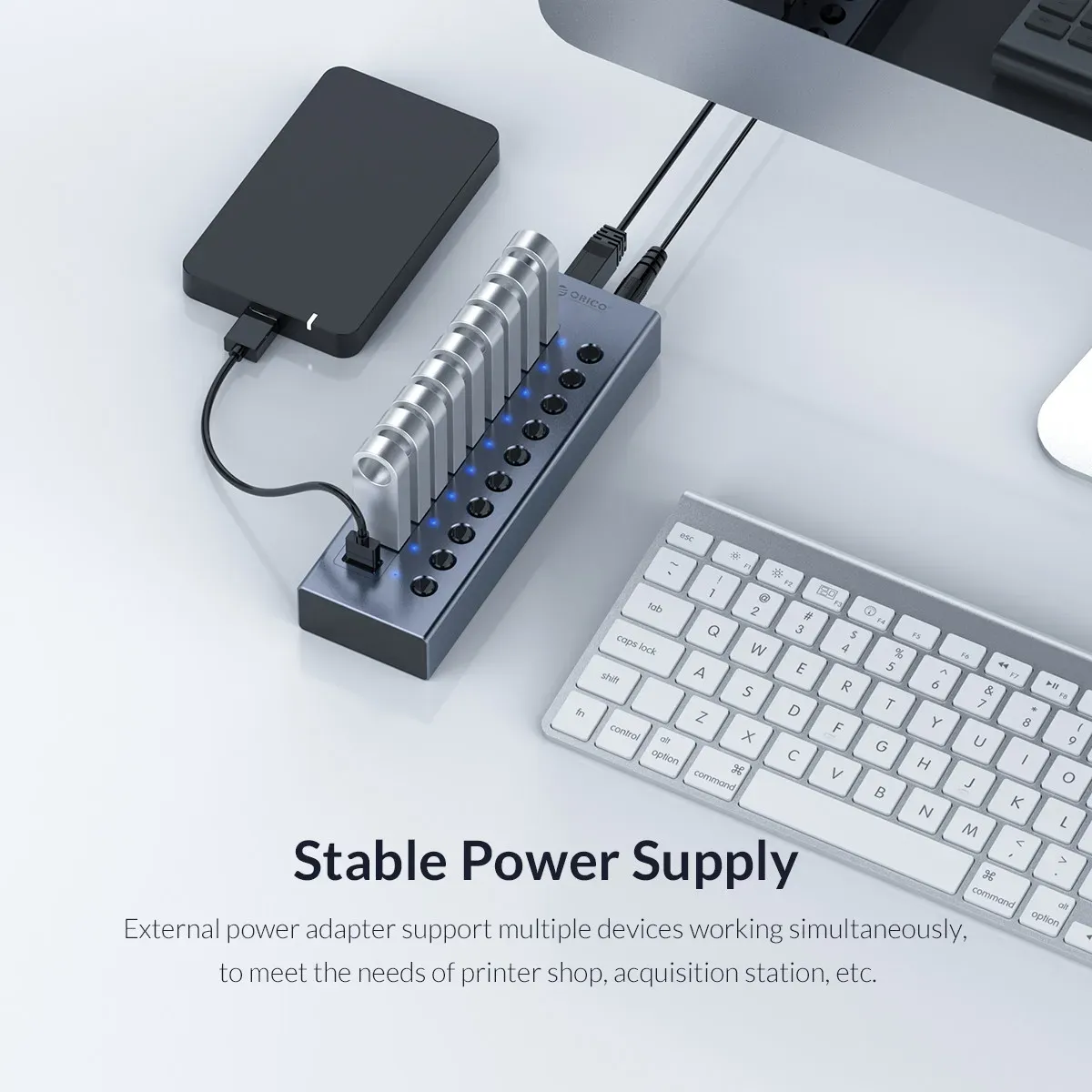
Each port has its own on-off key switch, which is a small detail that changes how you use the hub day to day. Instead of unplugging devices one by one, you can cut power to a single accessory, keep the others active, and reduce wear on the connectors.
This is especially useful for devices that do not need to stay awake all the time, such as printers, backup drives, or spare receivers. It also helps on cluttered desks where reaching behind the PC case is awkward, so what else does the power design bring to the table?
USB 3.0 speed and powered stability in real use
The hub uses USB 3.0 with a claimed 5Gbps ceiling, which is enough for fast flash drives, external SSDs, and general accessory traffic. That speed is not meant to replace a direct motherboard port for heavy workflows, but it is strong enough for most office and creative peripherals.
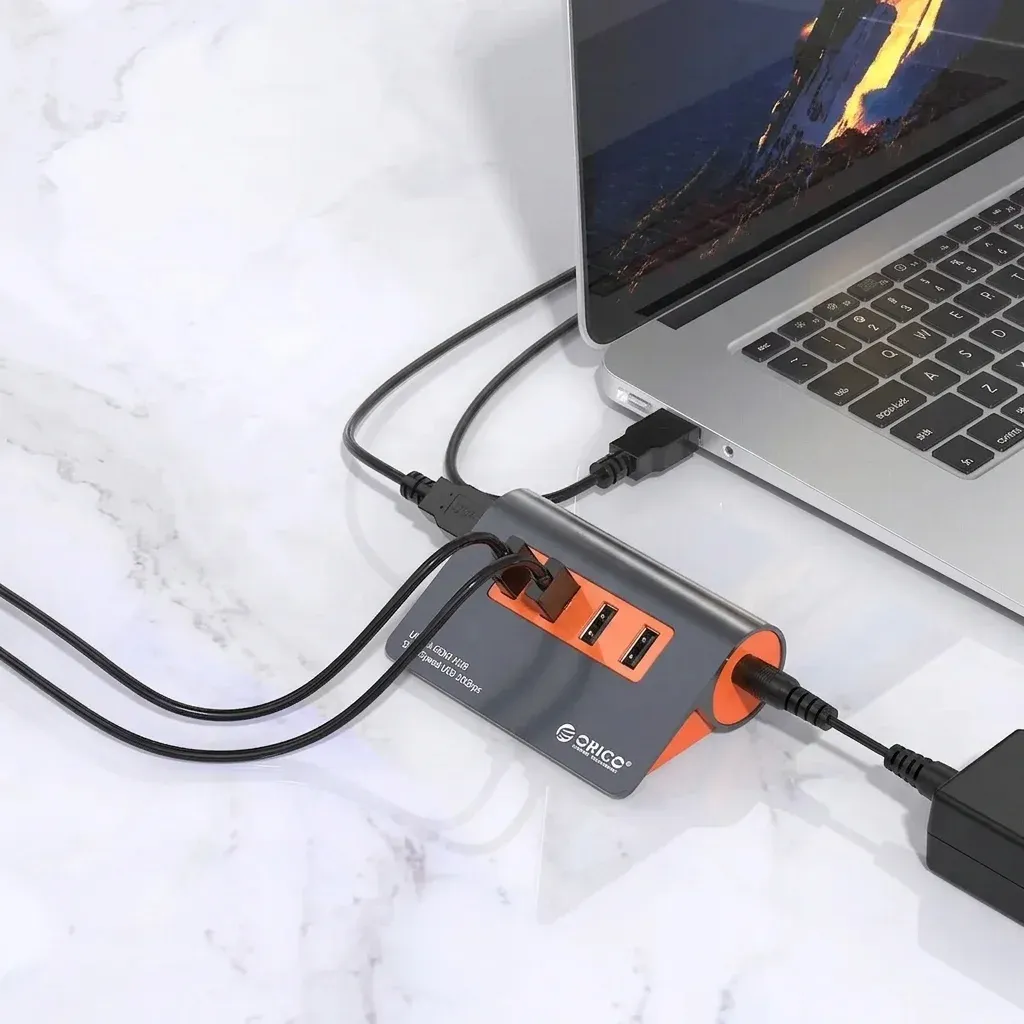
The included 12V power supply is the real advantage, because powered hubs tend to handle multiple devices more confidently than bus-powered models. Real customer feedback points to stable operation, good recognition speed, and fewer reverse-current headaches than some 5V alternatives, which is a meaningful detail for sensitive setups.
Aluminum housing and desktop-friendly build
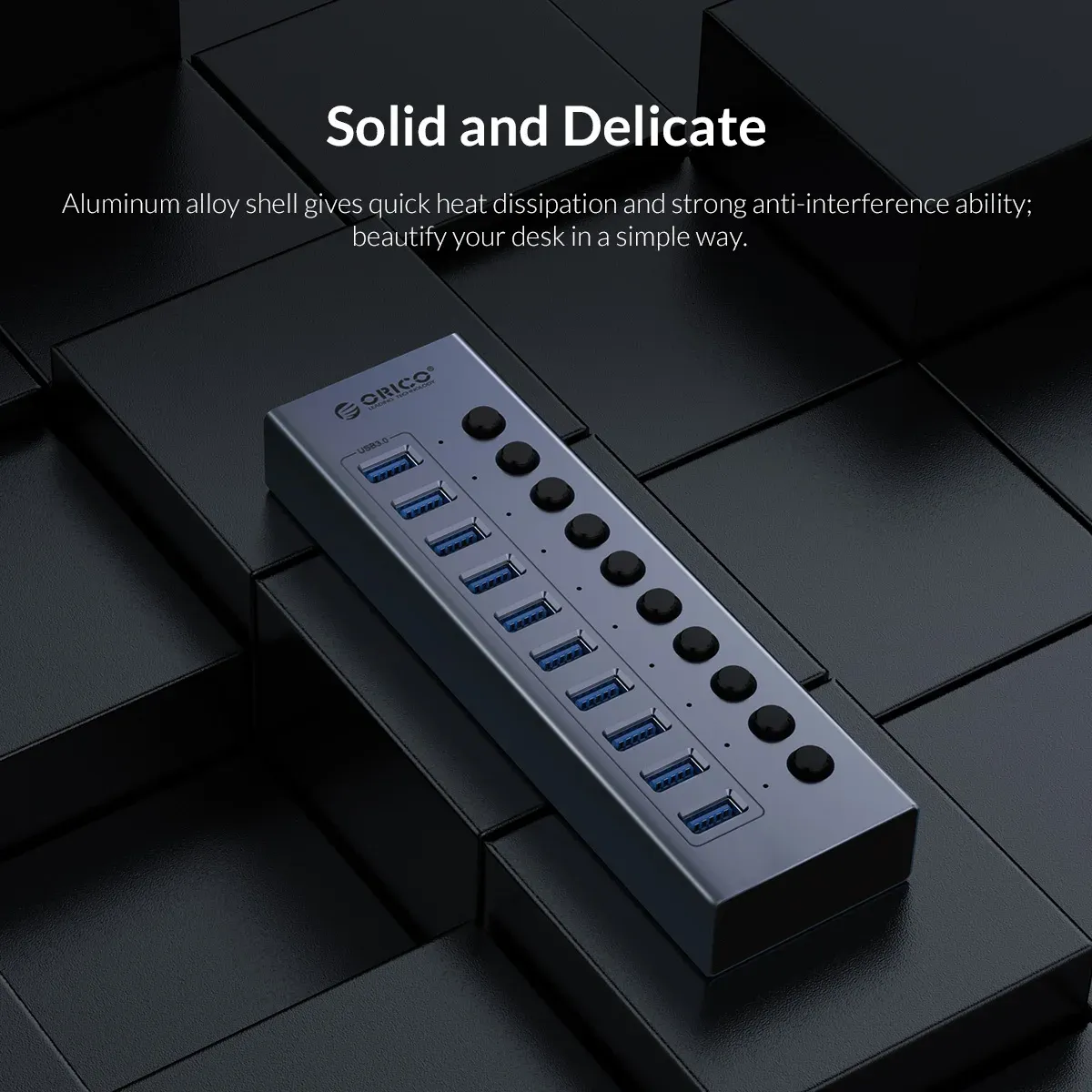
The aluminum alloy and PC construction gives the hub a more substantial feel than the usual all-plastic alternatives. It looks tidy on a desk and feels closer to a small workstation accessory than a disposable add-on, which suits users who want their setup to look organized as well as function well.
The 100cm cable also gives you enough reach to place the hub where it is convenient, not where the PC happens to sit. That makes a difference if your tower is under the desk or if you want the hub within easy hand range next to a laptop stand.
Who should get the BT2U3 instead of a basic splitter?
This model makes the most sense for people using multiple low- to medium-demand USB devices at the same time, especially on laptops, mini PCs, and desktop towers with limited front-panel access. It is also a better fit than a passive splitter when you care about keeping connections stable during longer sessions.
If you only need one extra port for occasional use, a simpler hub may be enough. If you want controlled, powered expansion with a cleaner desk layout, this Orico unit is the more serious option, and the customer ratings suggest that users notice the difference.