







Orico’s practical edge in desktop charging
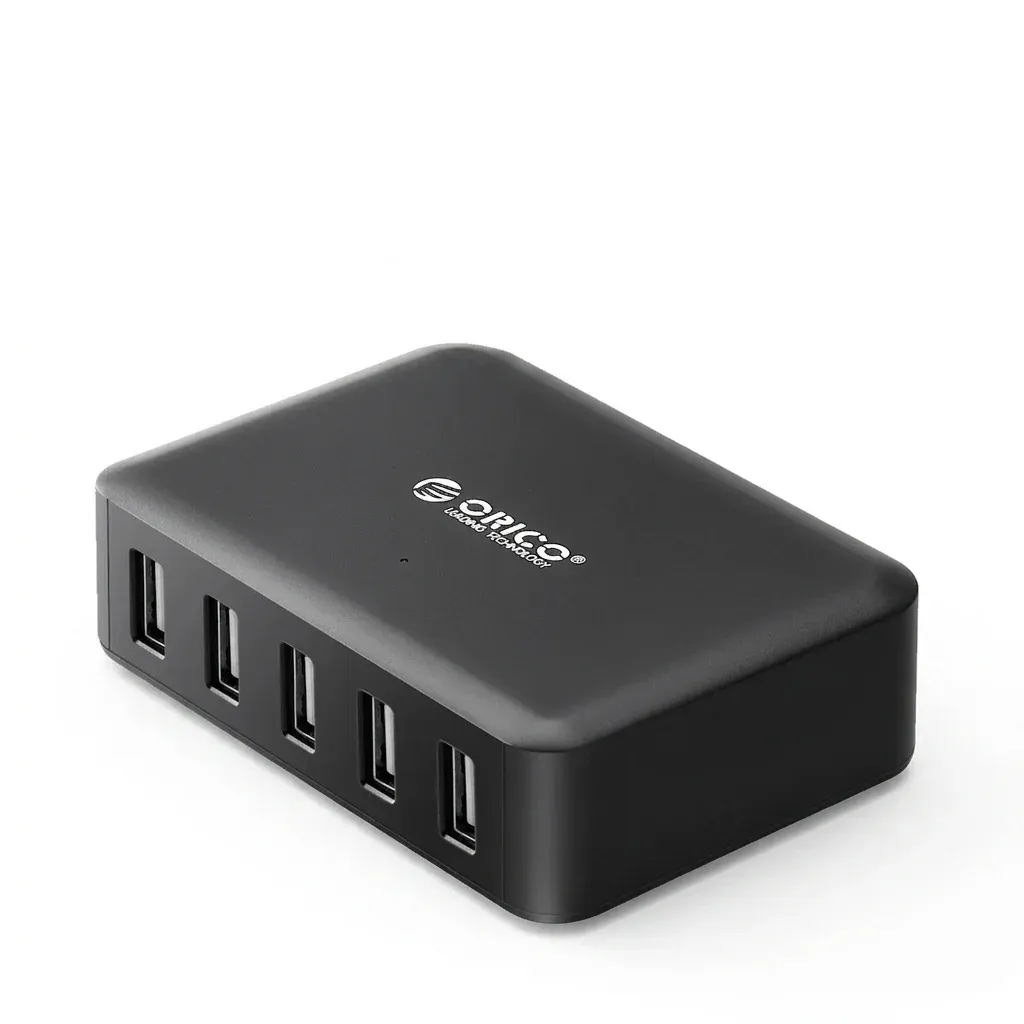
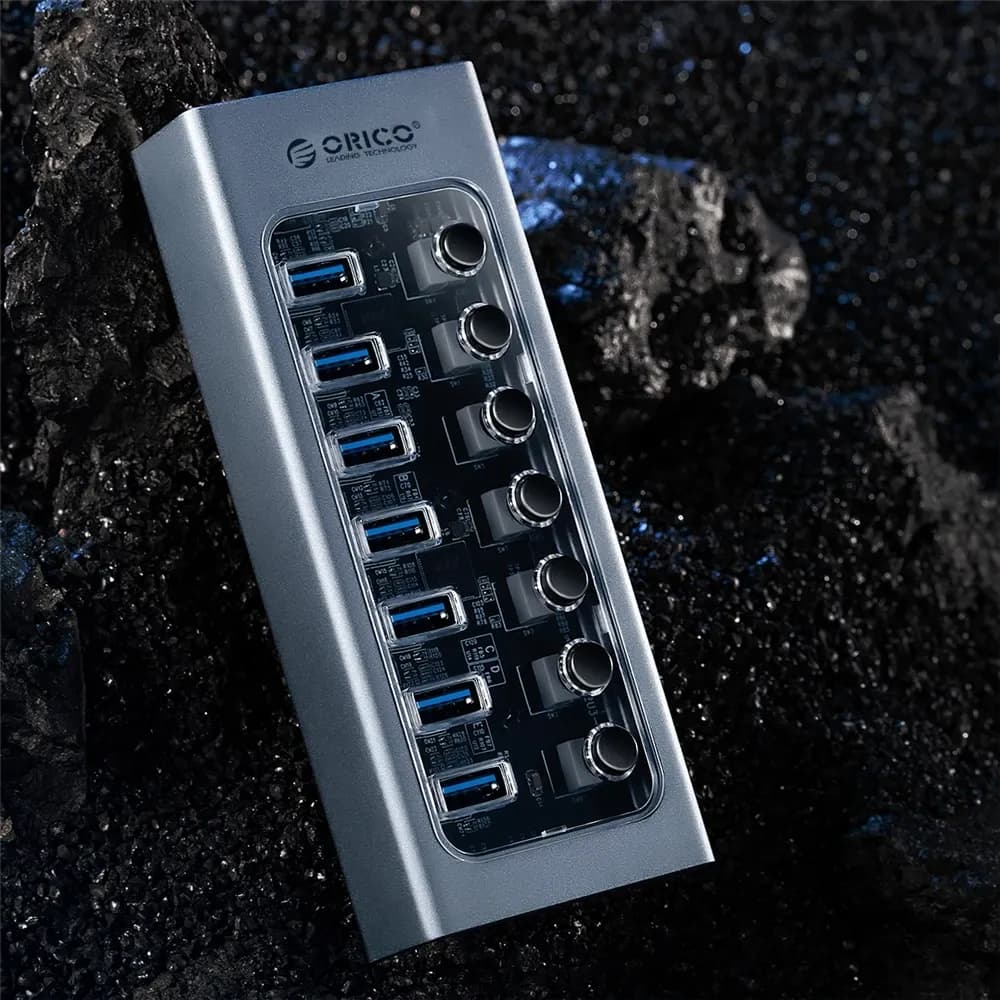
Orico has built a solid reputation in the AliExpress niche by focusing on utility-first accessories that solve everyday desk clutter without unnecessary extras. This charger follows that formula closely, with a straightforward multi-port layout and a design that feels aimed at reliable 5V charging rather than flashy features.
That positioning matters because many users do not need fast-charge protocols for every device on the desk. They need a stable hub that can keep several phones, earbuds, lamps, or small accessories powered at once, so what does this dock actually deliver in daily use?
40W shared output: what it means on a crowded desk
The strongest version in the range reaches 40W total output, which is enough for multiple low-to-medium draw devices, but not a replacement for a modern USB-C fast charger. According to user feedback, the unit stays usable under load and can run several ports together without obvious heat or noise, which is the real test for this kind of dock.
The trade-off is clear: each port is built around standard 5V charging, so phones will charge at a steady pace rather than sprinting to full. If you already use PD or QC chargers for your main handset, this dock makes more sense as a secondary station for accessories and backup devices, and that changes how you should place it on the desk.
Port layouts that fit different charging habits
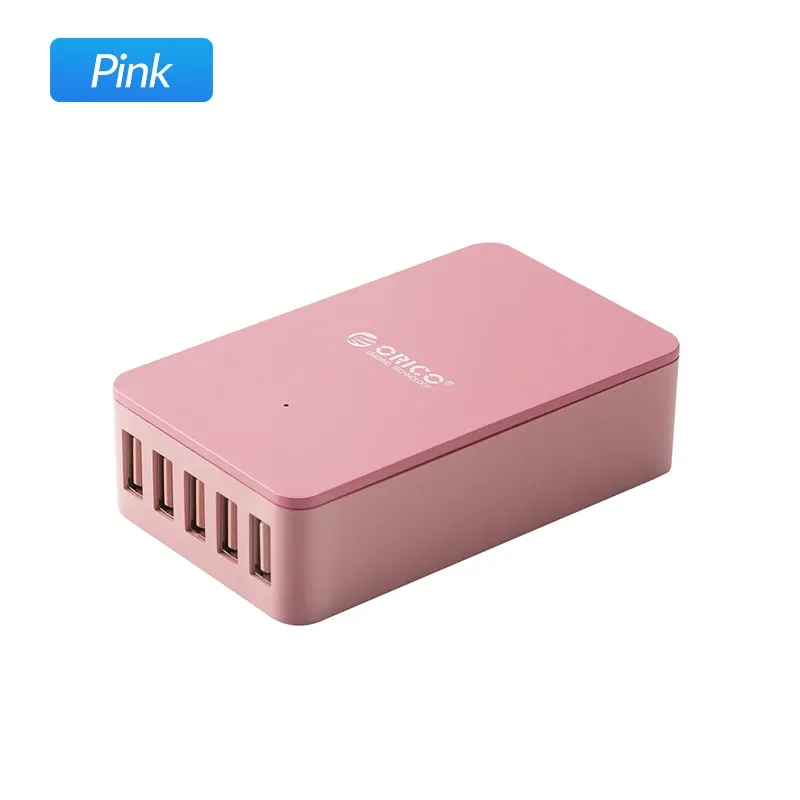
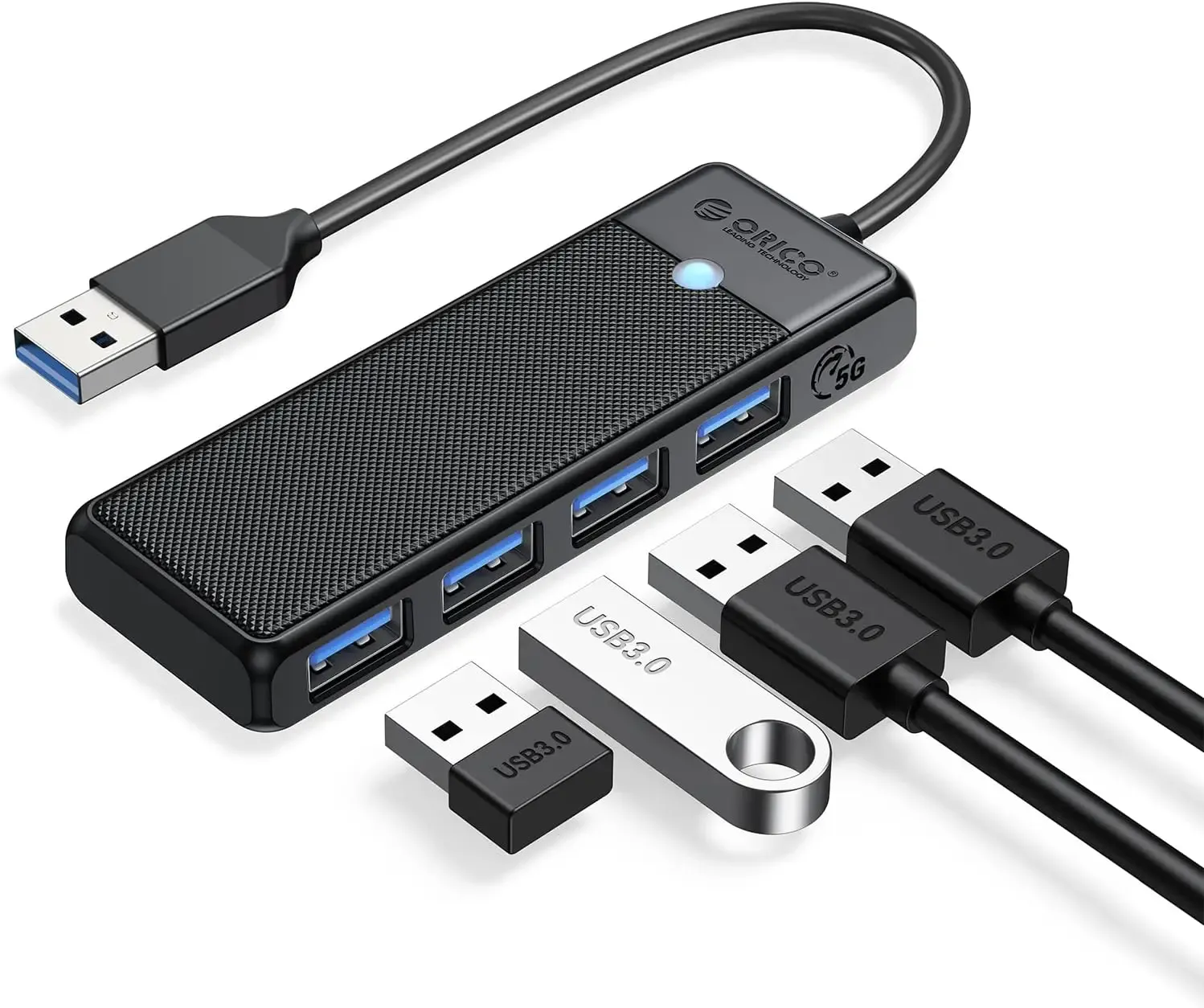
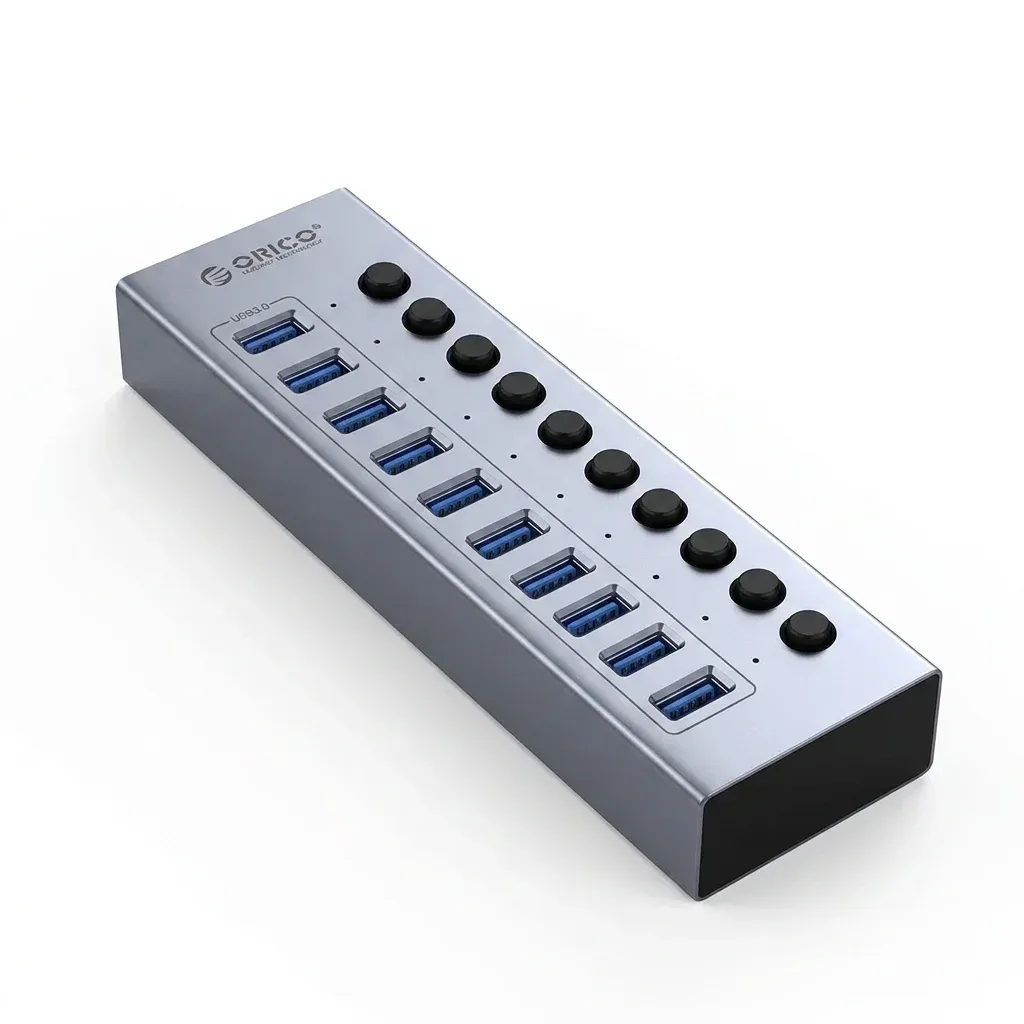
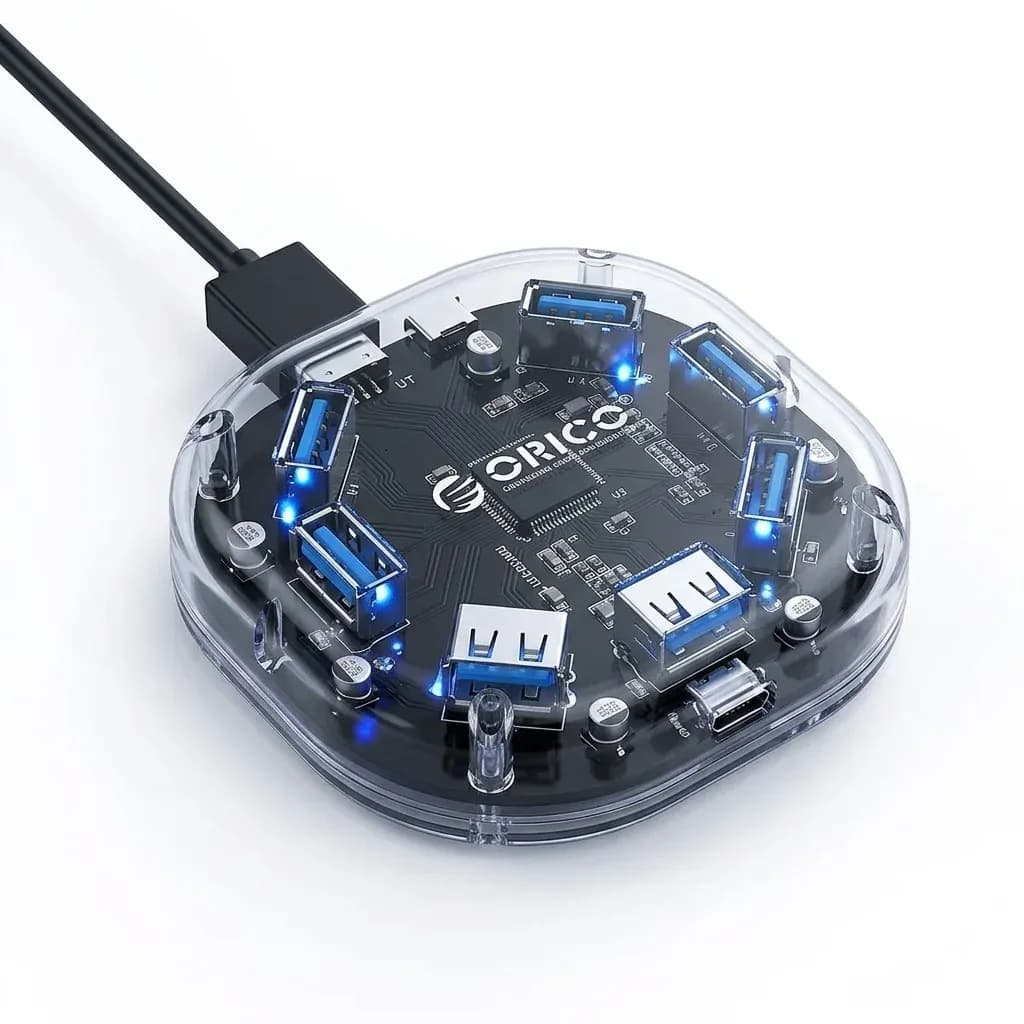
The DHA version offers 4 or 5 USB-A ports depending on configuration, the DHE version provides 5 ports, and the CSA version is the lighter option with 2 x 2.4A plus 3 x 1A outputs. That spread is useful if you want one model for mixed gear, since battery lamps, Bluetooth accessories, and older phones do not all need the same current.
One customer noted that the ports are effectively paralleled, which explains why the charger behaves like a shared power pool rather than a smart allocator. That is useful if you know your load profile, but it also means the best results come from spreading devices sensibly instead of pushing a single port too hard, so how should you think about placement and cable length?
Desk-friendly, but not wall-wart compact
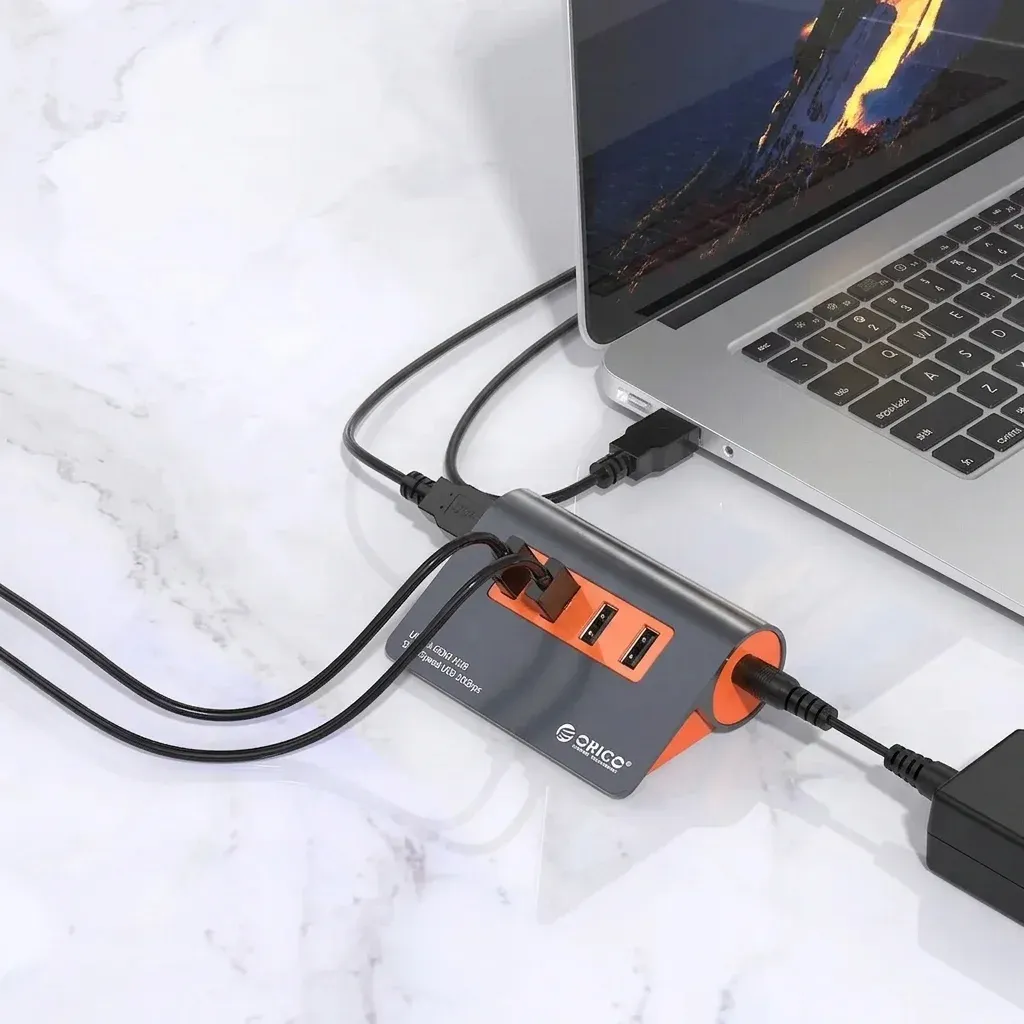
This is a desktop charger with a 90 cm cable, so it is meant to sit on a table, shelf, or bedside station instead of hanging from a wall socket. The form factor is practical for office use because the ports stay visible and accessible, and users do not need to bend behind furniture every time they plug in a cable.
One review mentioned the body feeling heavier than expected, which is not necessarily a flaw in this category. A bit of weight can help the unit stay planted when multiple cables are connected, and for a desk accessory that is often better than a lightweight shell that slides around, but there is one limitation worth keeping in mind.
What this charger does not try to do
There is no GaN design, no screen, and no support for fast-charge protocols such as PD or QC, so this is not the right pick for users chasing the fastest possible phone top-up. It is also not an intelligent charger, which means the appeal is simplicity and predictable 5V output rather than adaptive charging logic.
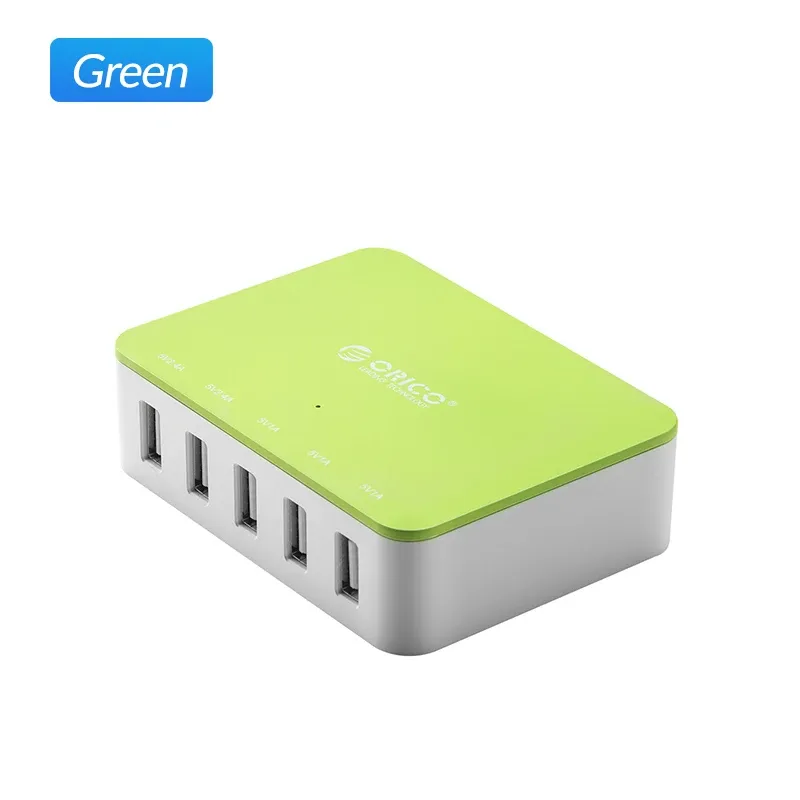
That simplicity is why the charger fits travel, home, and office setups where several low-demand devices need a single power source. If your desk is already crowded with cables and small gadgets, the question becomes less about raw speed and more about whether one tidy hub can replace three separate adapters.
Who gets the most value from it
This model makes the most sense for people charging battery-powered lamps, earbuds, older smartphones, smartwatches, or other USB-A accessories that do not benefit from fast-charge standards. Real customer feedback also points to stable everyday use, with buyers praising the ability to charge multiple devices at once and noting that the unit works quietly.
- Best for shared charging stations on a desk or bedside table
- Useful for USB-A accessories that only need standard 5V power
- Better as a secondary charger than a main fast-charging unit
- Most efficient when devices are spread across ports instead of concentrated on one
For shoppers comparing it with a single-port wall adapter, the advantage is organisation rather than speed, and that is often the more useful upgrade for a home office.