






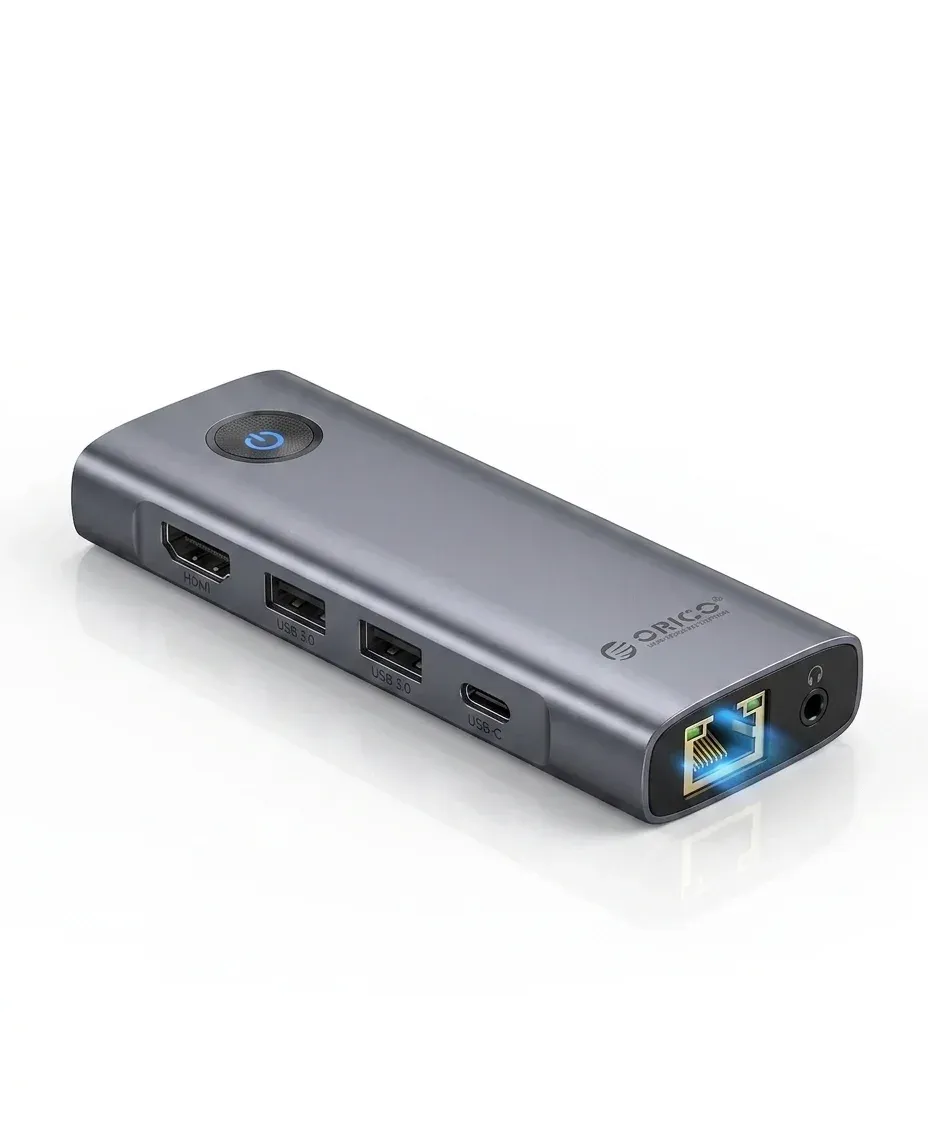
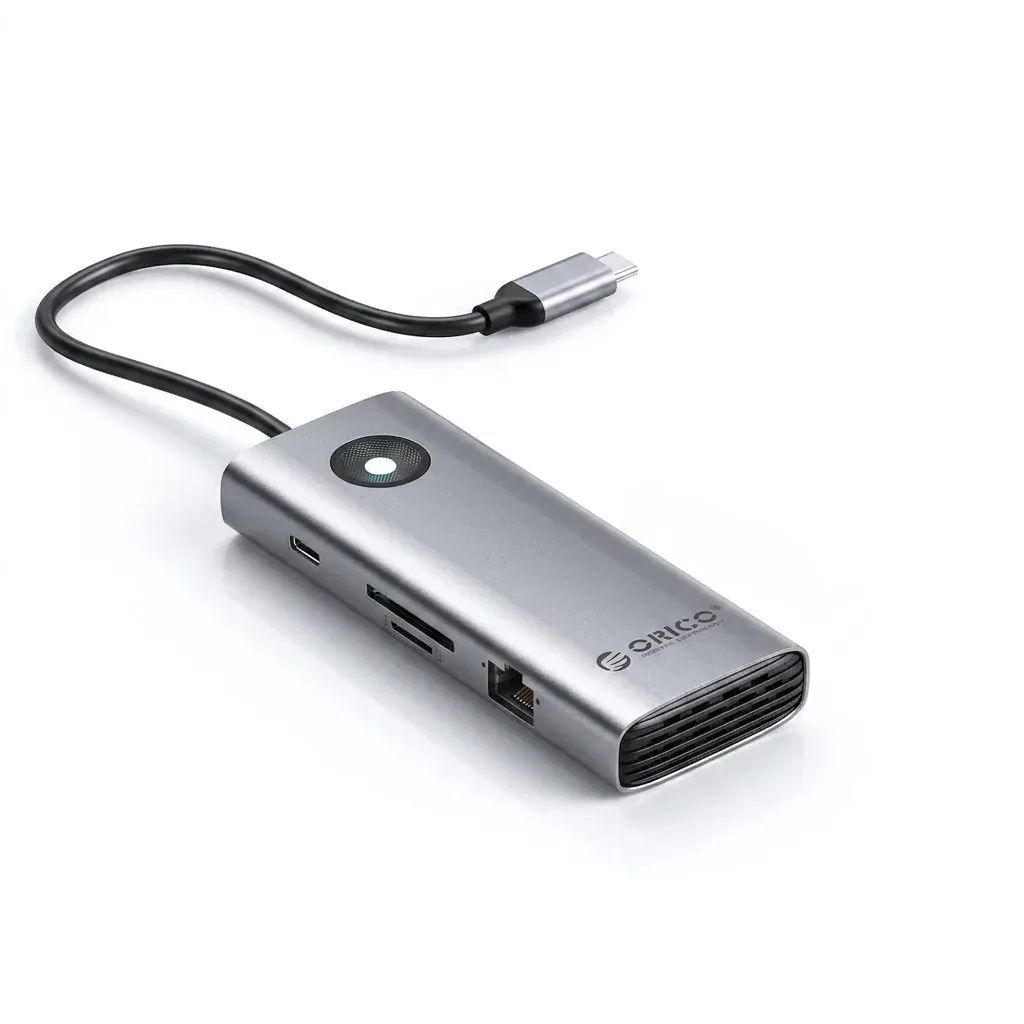
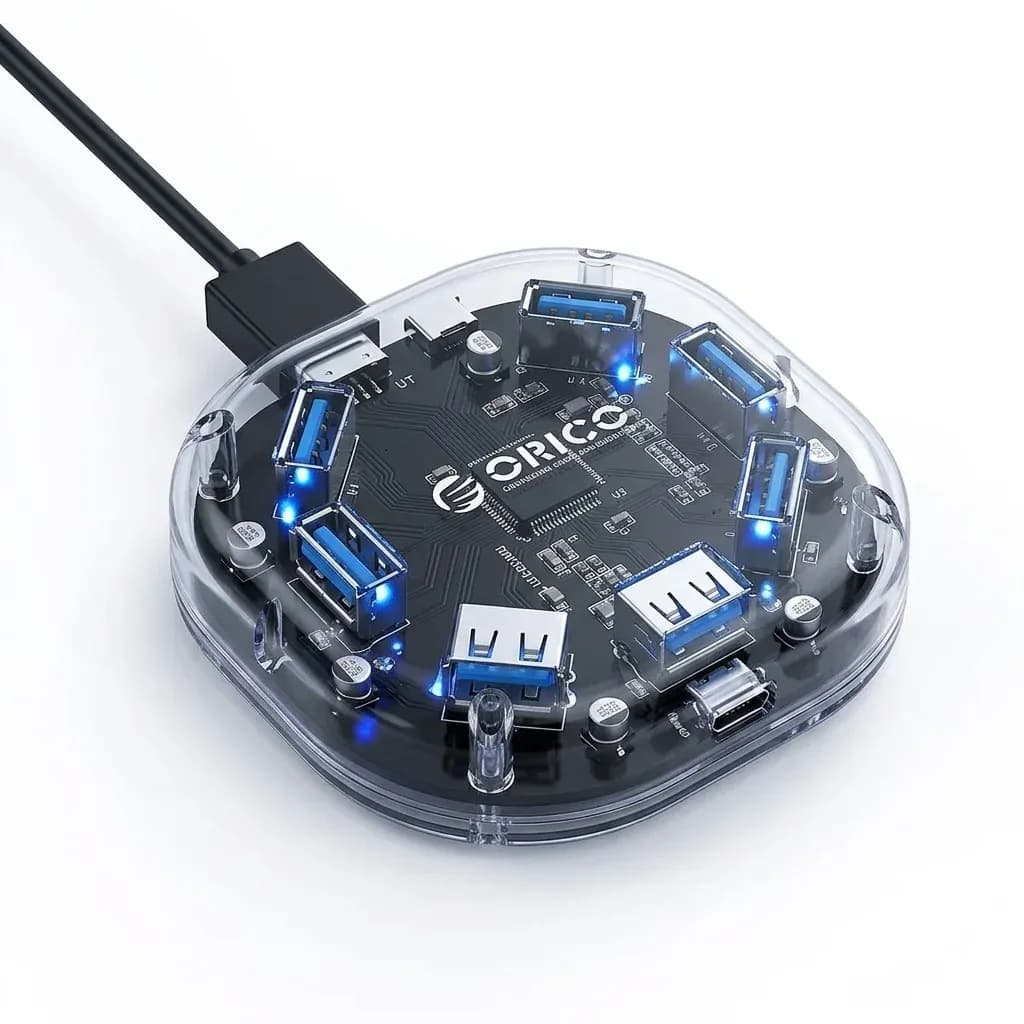
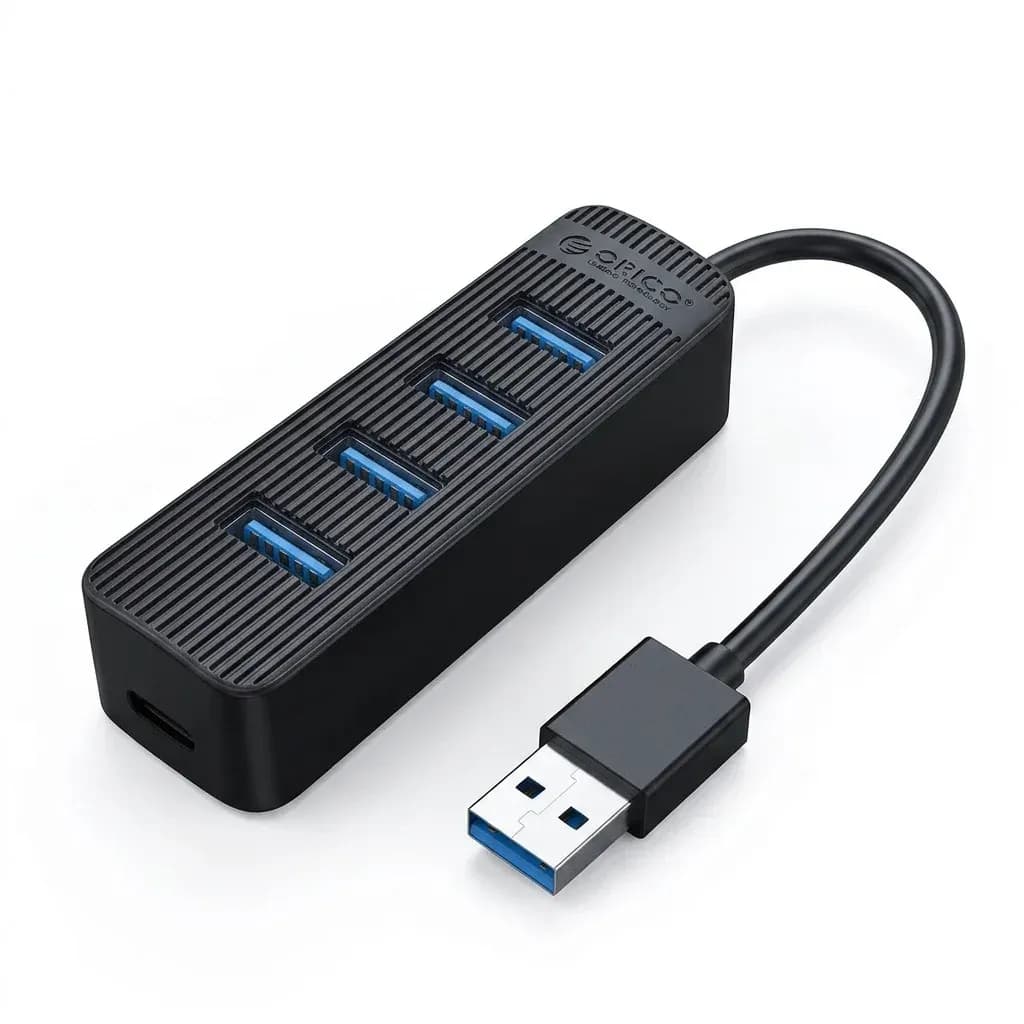

When one USB port is never enough
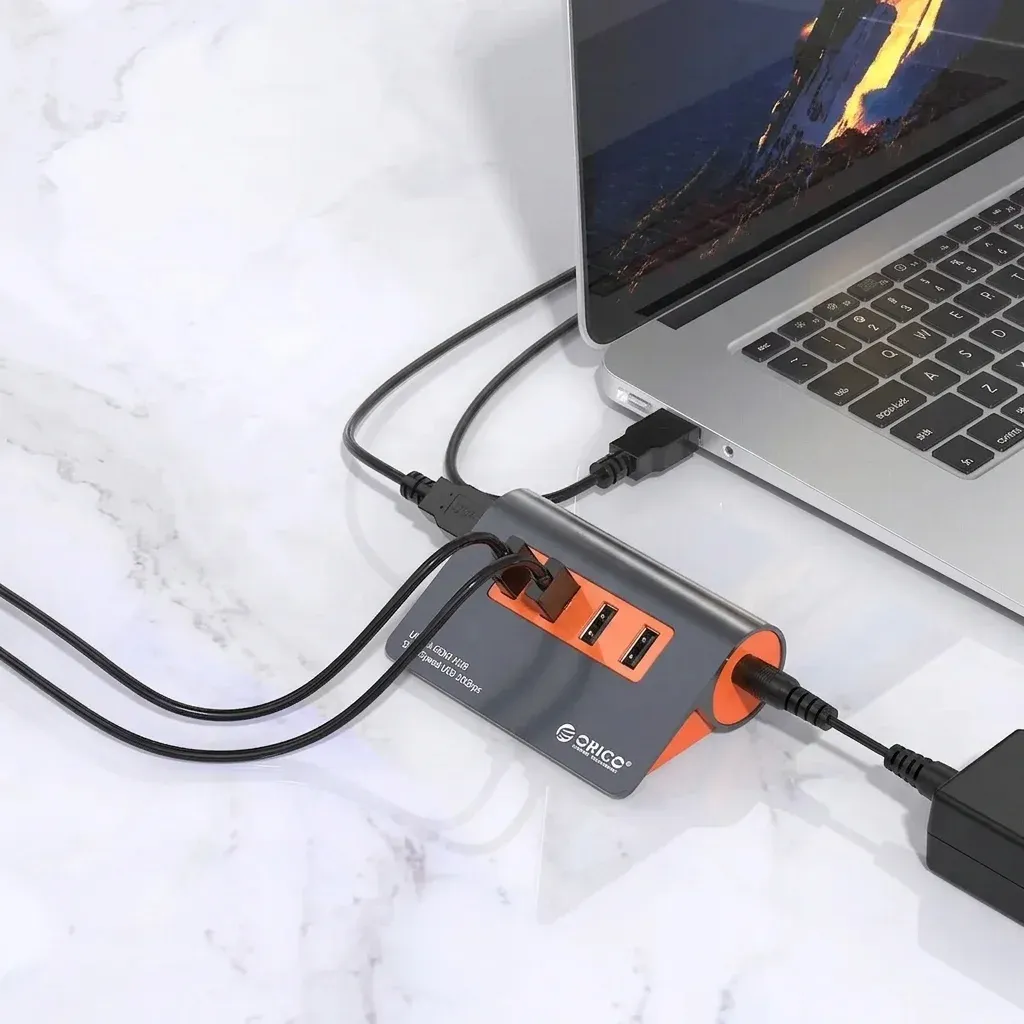
This hub solves the common desktop problem of running out of ports the moment you add a keyboard, mouse, drive, printer, and camera. Orico approaches that issue with an industrial-style USB 3.0 splitter that expands a single upstream connection into a large, organised hub.
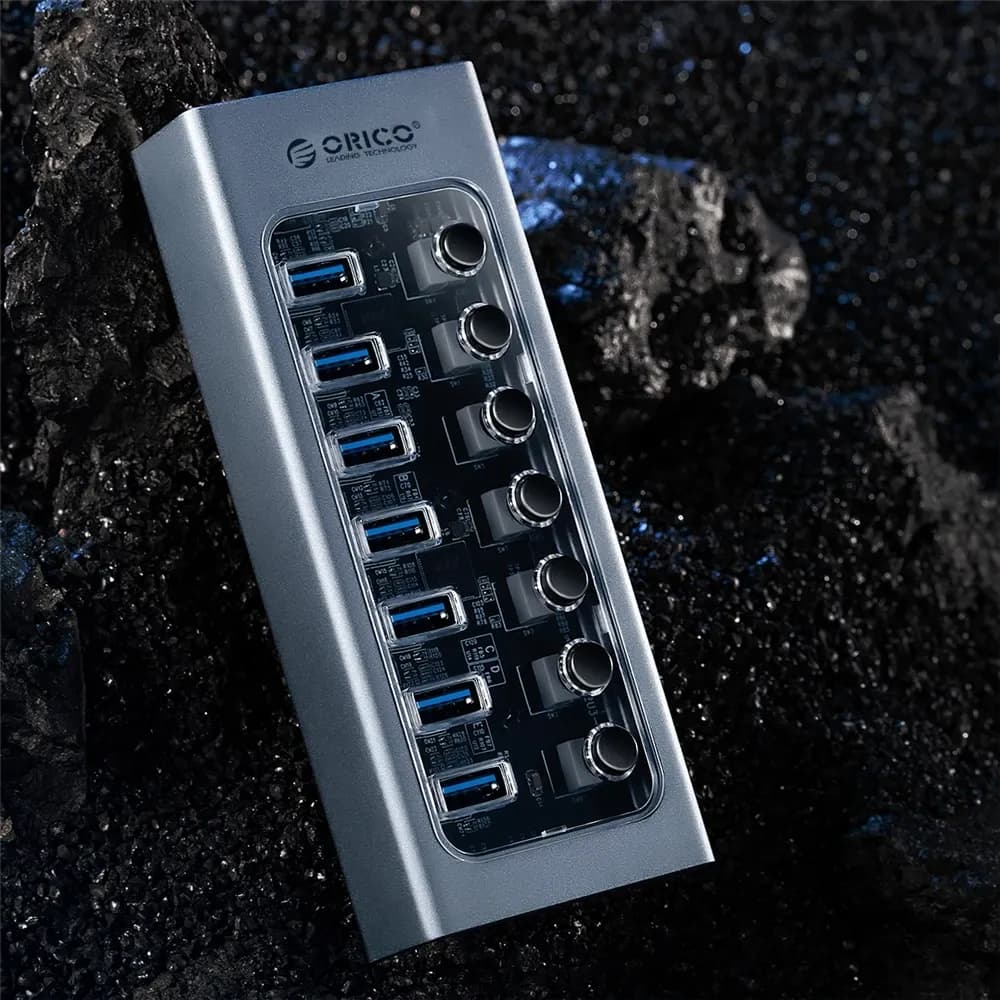
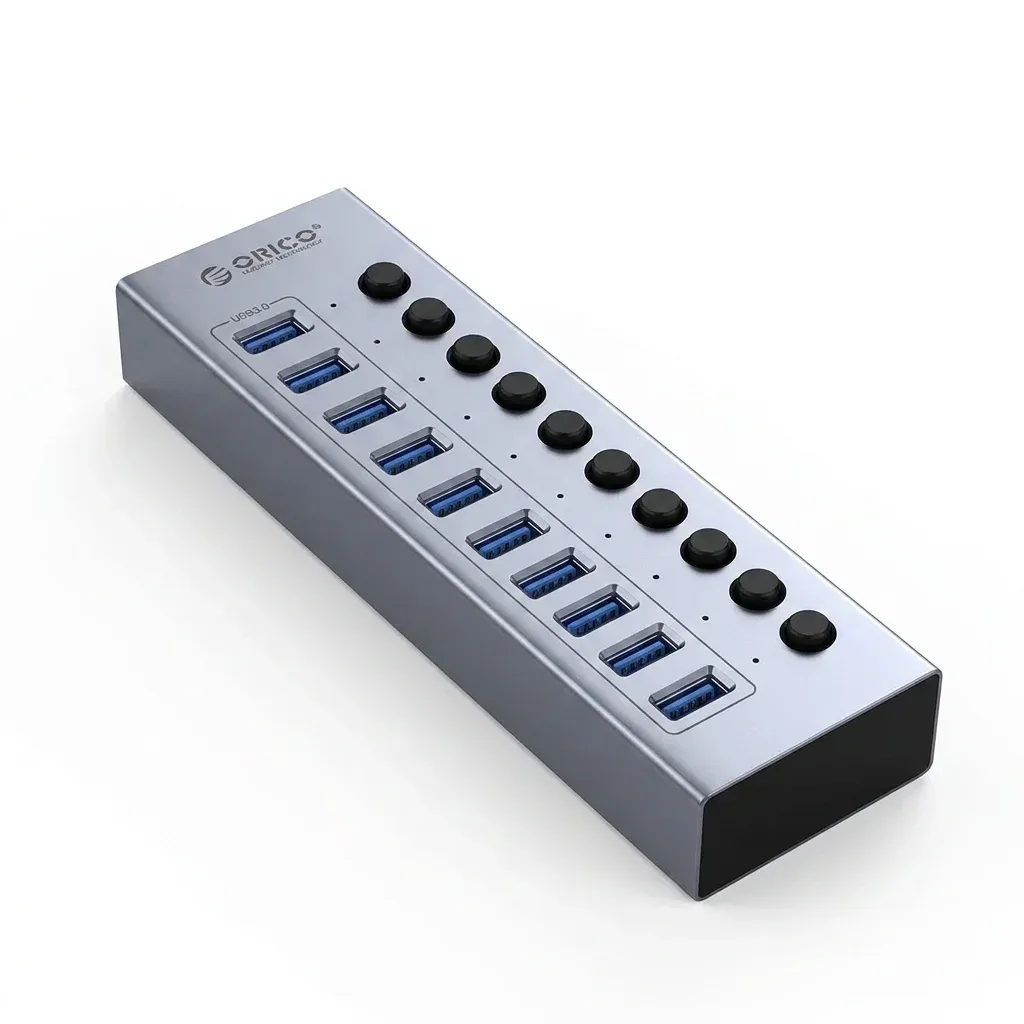
For users who keep multiple peripherals plugged in all day, the individual switches matter as much as the port count because they let you cut power to one device without unplugging anything. That makes the setup feel more controlled and less cluttered, but how well does that translate in daily use?
16 ports and 5Gbps bandwidth: what that means at the desk
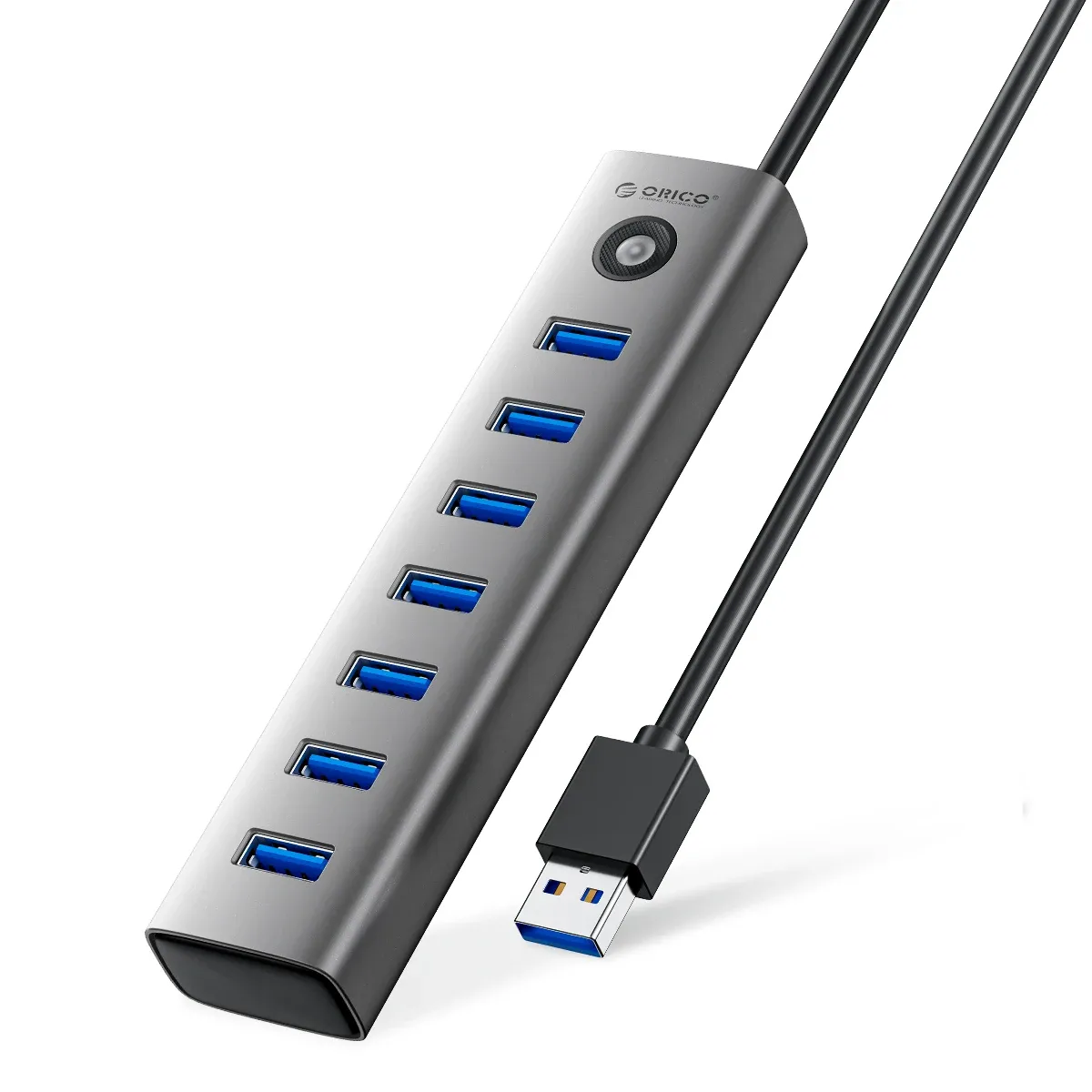
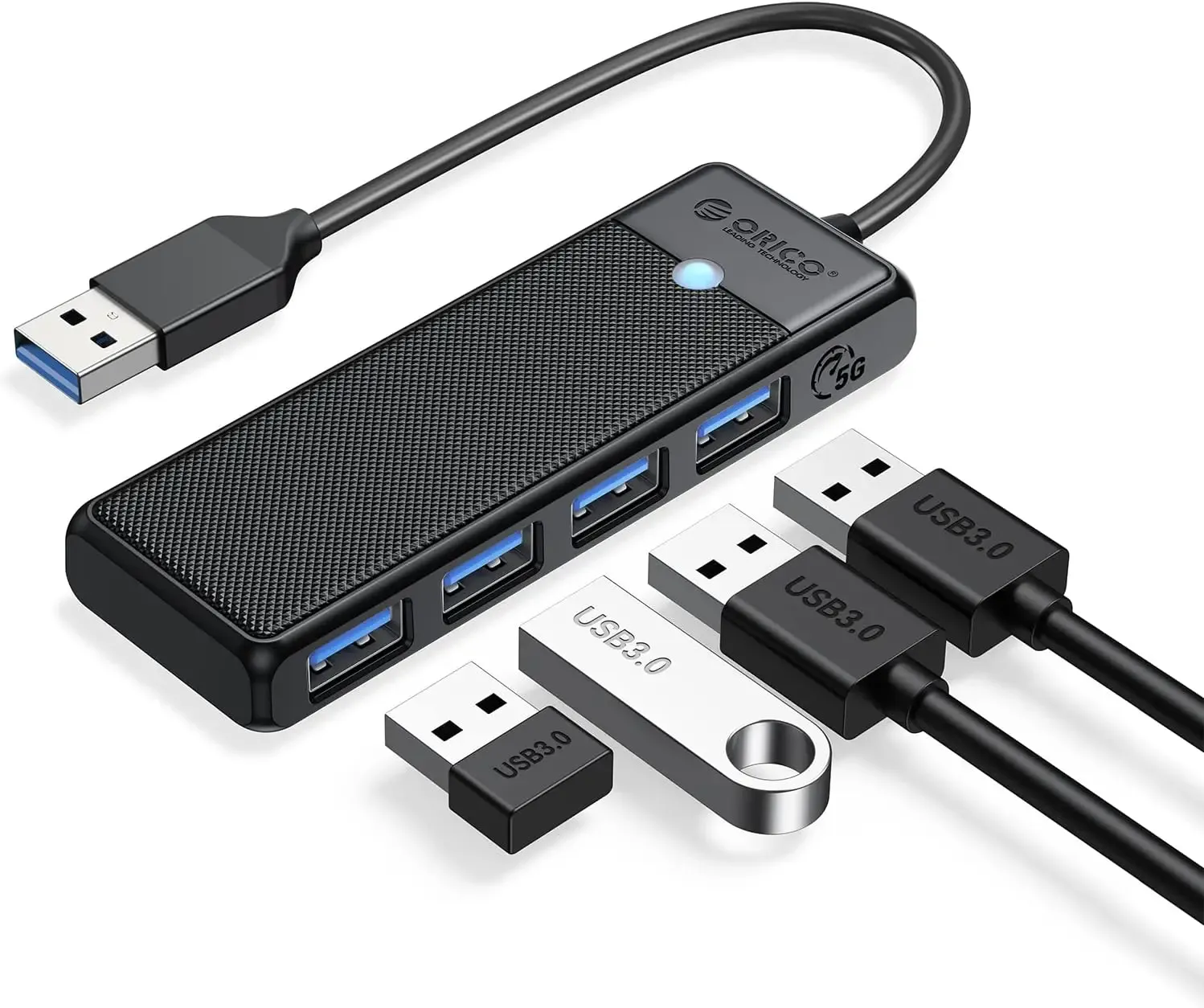
The headline spec is 16 USB 3.0 ports, which is far beyond the usual 4- or 7-port AliExpress USB hubs. In practice, that makes this model better suited to workstation expansion, lab benches, point-of-sale setups, or a home office with several always-on accessories.
USB 3.0 brings a theoretical 5Gbps ceiling, so the hub is comfortable for flash drives, card readers, printers, and basic external storage tasks. It is not the right choice if you expect every connected device to pull full-speed bandwidth at the same time, which is the trade-off behind any high-port-count hub.
Individual switches improve control, not just convenience
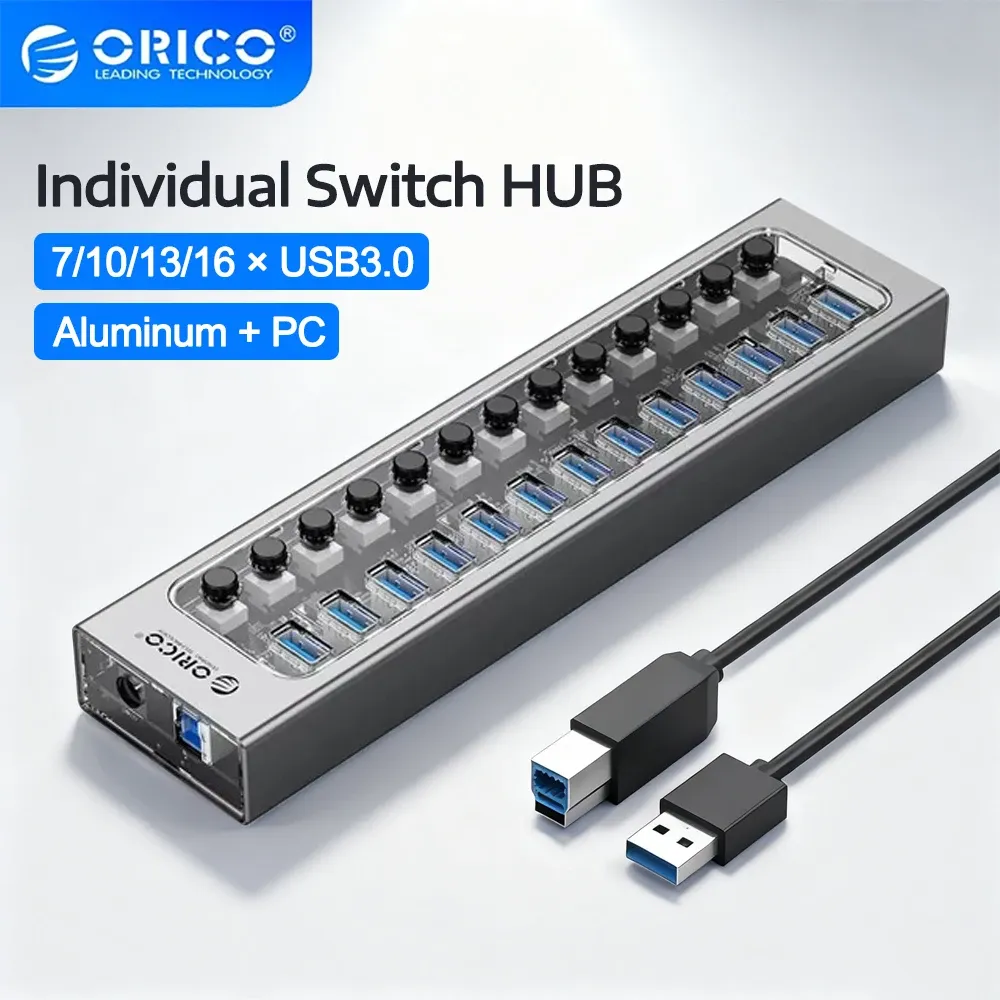
Each port has its own switch, and that is the feature that separates this unit from simpler splitters. Users can leave a webcam or USB fan connected while switching off a drive bay or backup disk, which helps reduce wear and keeps the desk quieter when certain accessories are not needed.
The switches also make troubleshooting easier because a flaky device can be isolated instantly instead of forcing a full disconnect. If you manage multiple peripherals, that small detail saves time, and the next question is whether the power system is strong enough to support them?
12V external power for stable multi-device operation
The included 12V power adapter is essential here, because a 16-port hub without external power would be far less useful. This setup is designed to keep voltage delivery steadier when several devices are active, which is especially important for bus-powered accessories and charging-oriented use.
Compared with passive hubs, the powered design is more credible for heavy desk use, although it still should not be treated like a dedicated charging station for power-hungry tablets or laptops. The benefit is stability and organisation first, charging second, which is a useful distinction for buyers comparing AliExpress listings.
Aluminium alloy body with a practical industrial finish
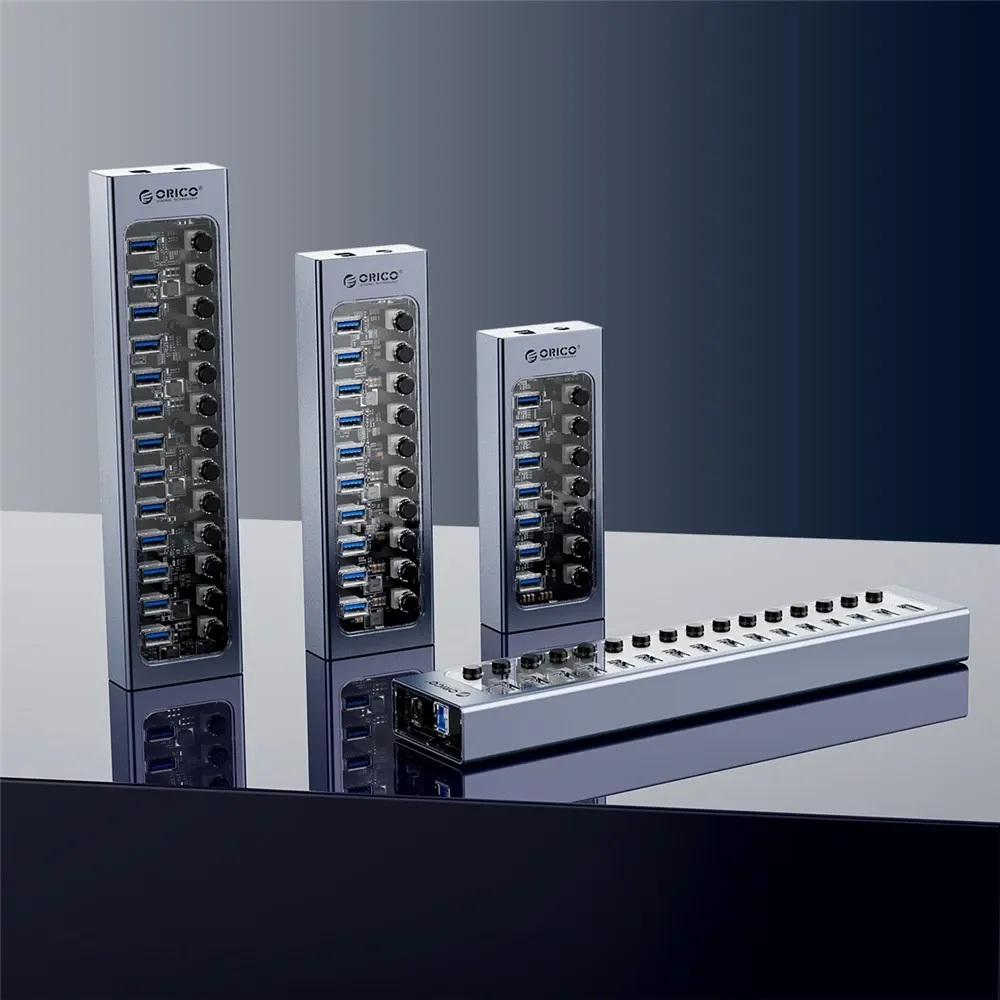
The aluminum alloy and ABS construction gives the hub a sturdier feel than the thin plastic shells common in budget expansion docks. The gray finish looks restrained rather than flashy, and the metal body should help the unit sit neatly beside a monitor stand or under a workstation shelf.
At 100cm, the cable length gives enough reach for most desktop layouts without making the setup feel messy. Wall-mountable support is a smart touch for shops, studios, and fixed installations, so the hub can disappear from the desk and still stay accessible.
Who should consider this Orico hub
This model makes the most sense for users who need many USB connections in one place and value control over each port. According to users of similar Orico hubs, the biggest appeal is predictable day-to-day handling rather than flashy extras, which fits the brand’s practical reputation.
If you only need a few ports for a laptop bag, this is more hub than you need. If your setup includes multiple peripherals, storage devices, and a desktop that stays wired all week, the extra capacity becomes the point, and that is where the product earns attention.