






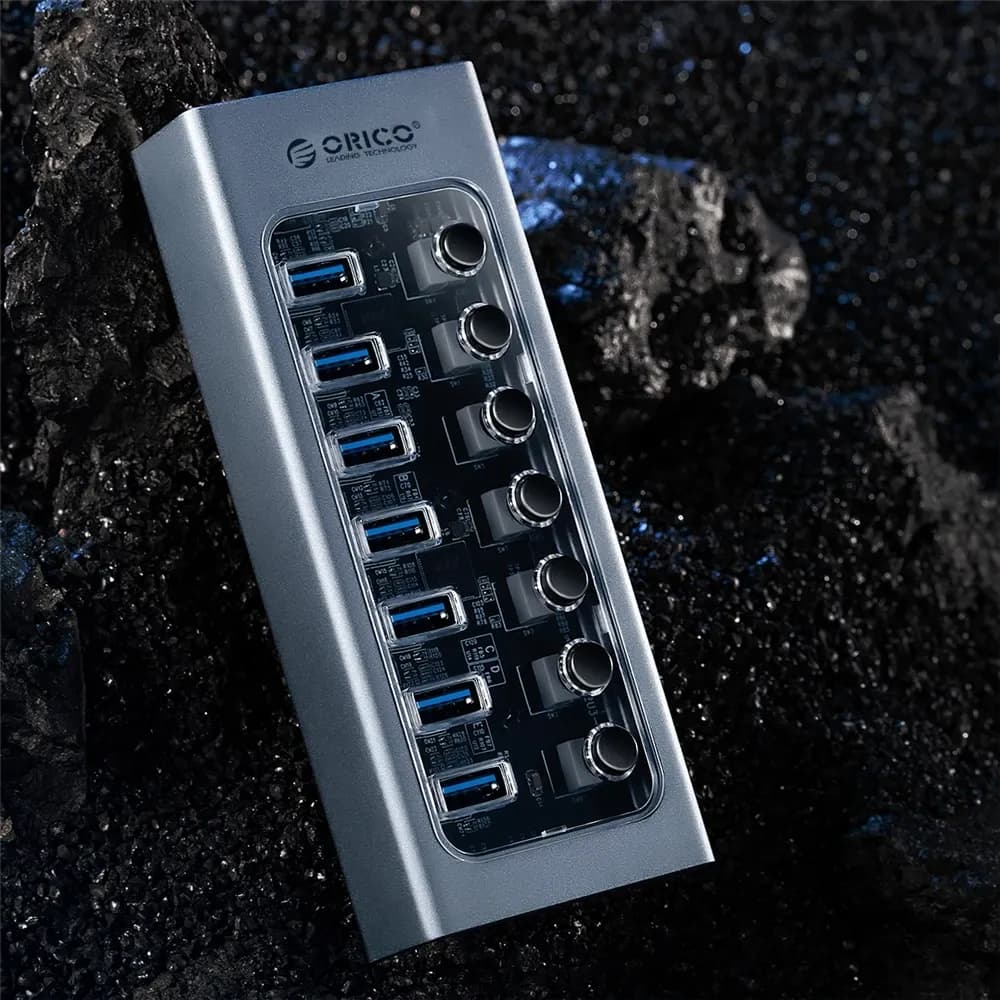
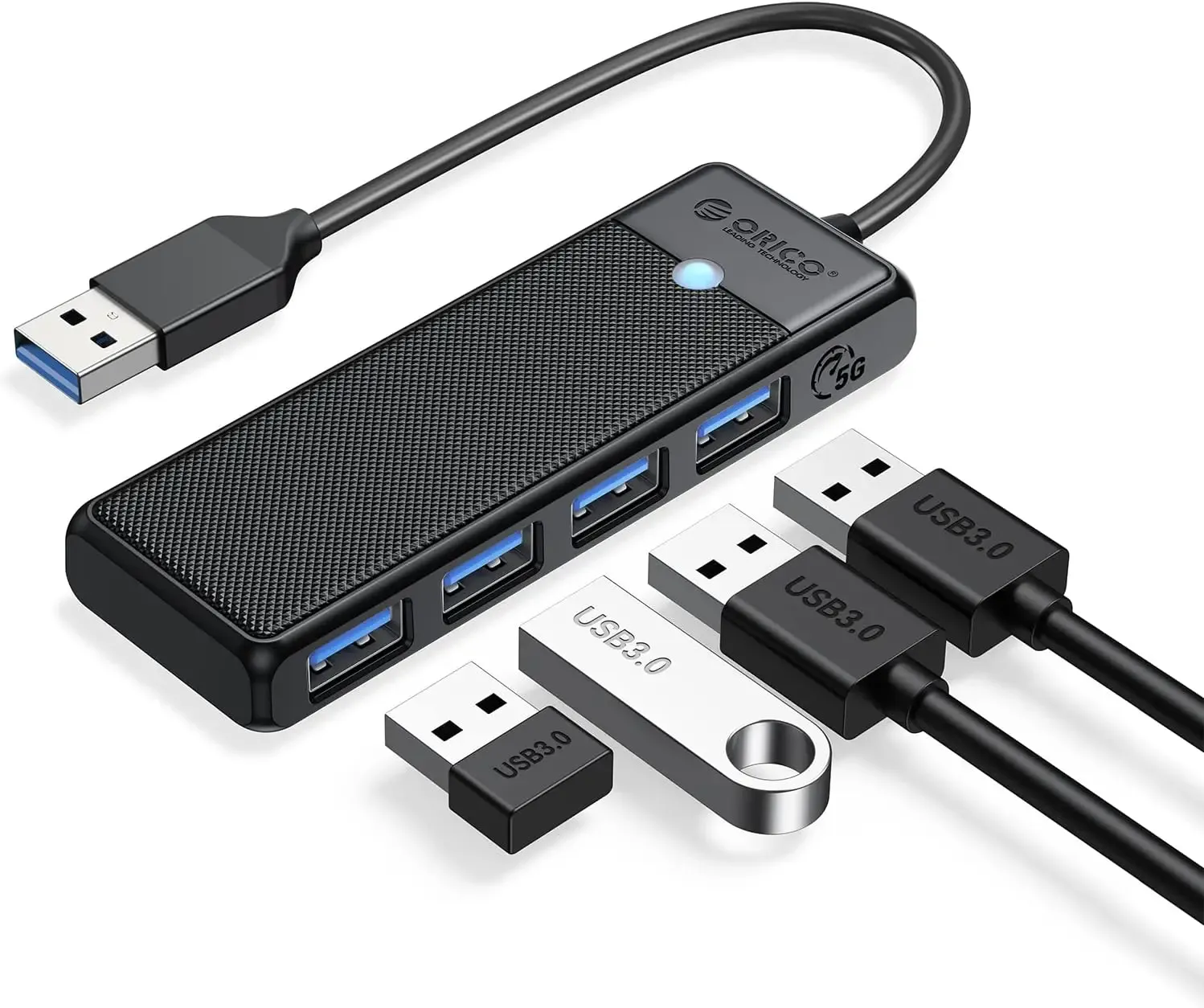
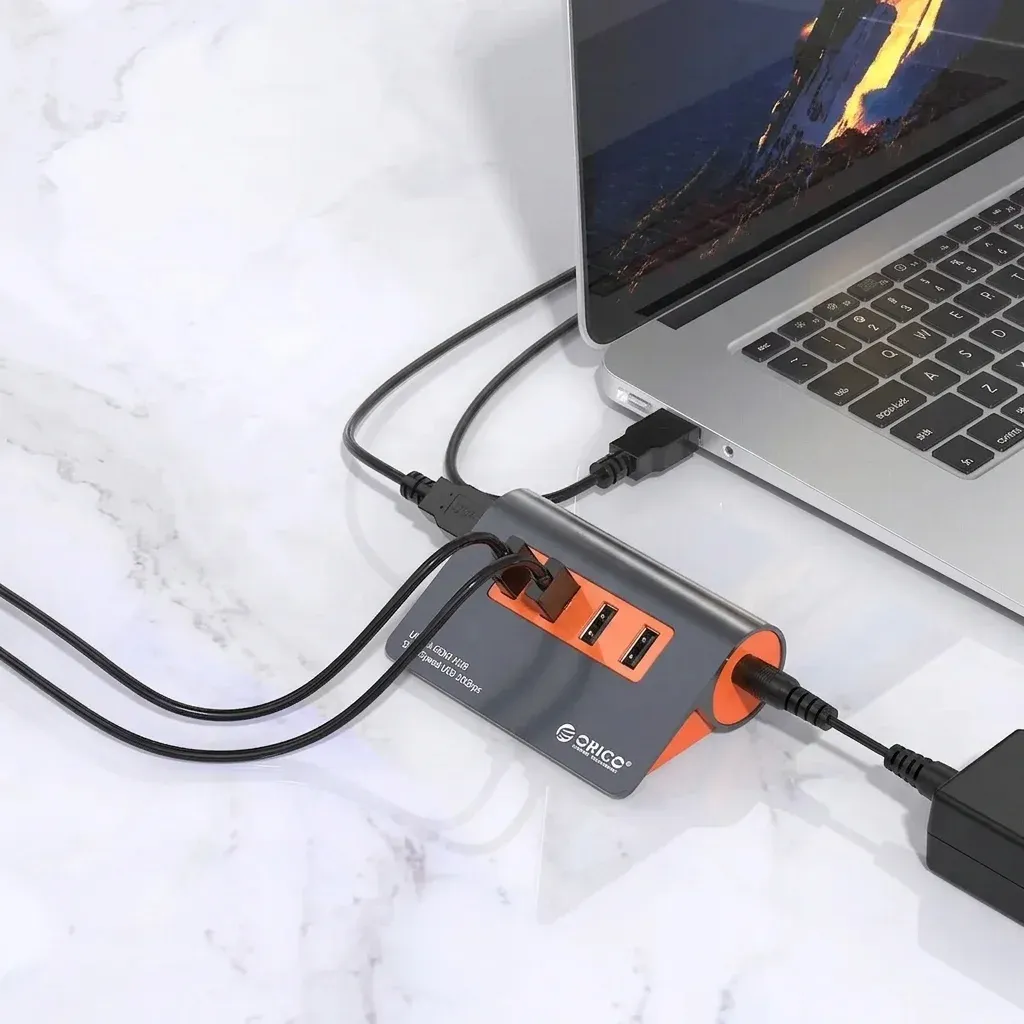
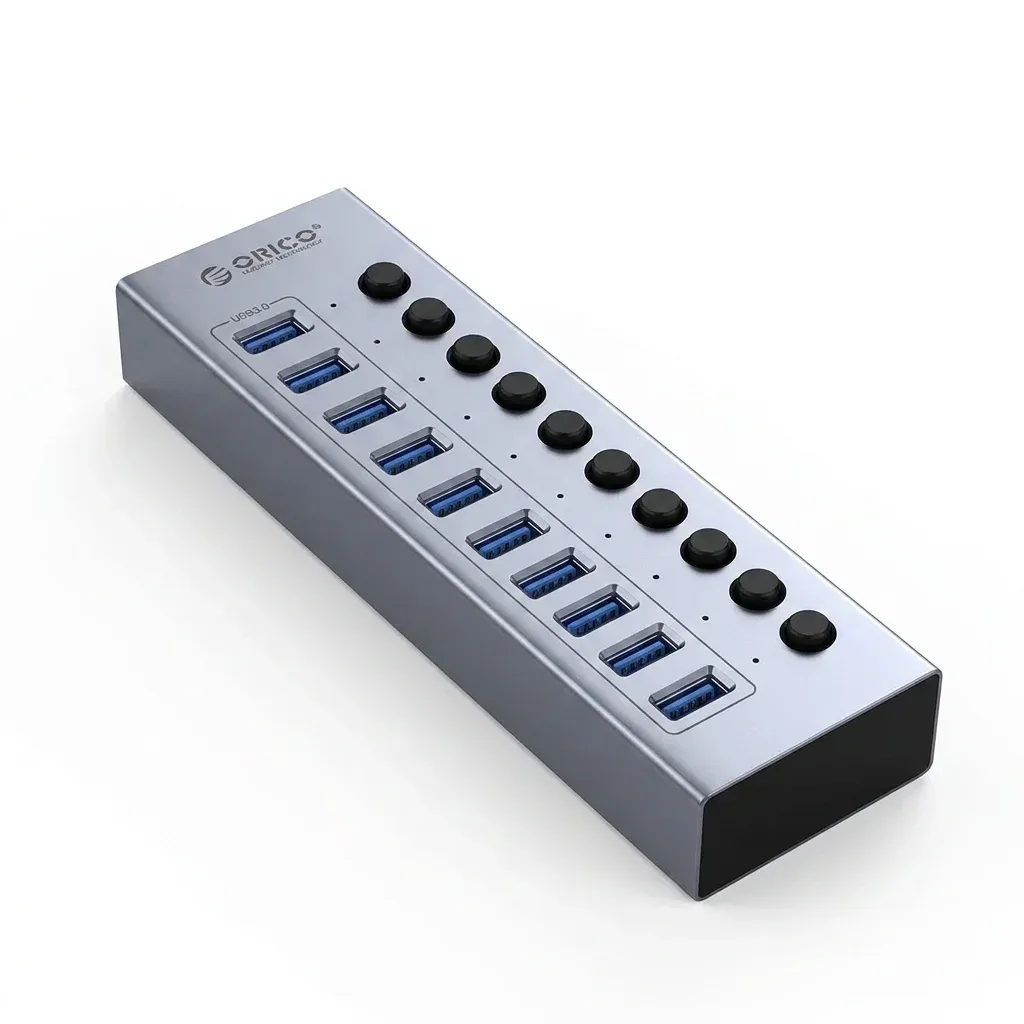

Built for the bottleneck between laptop and workspace
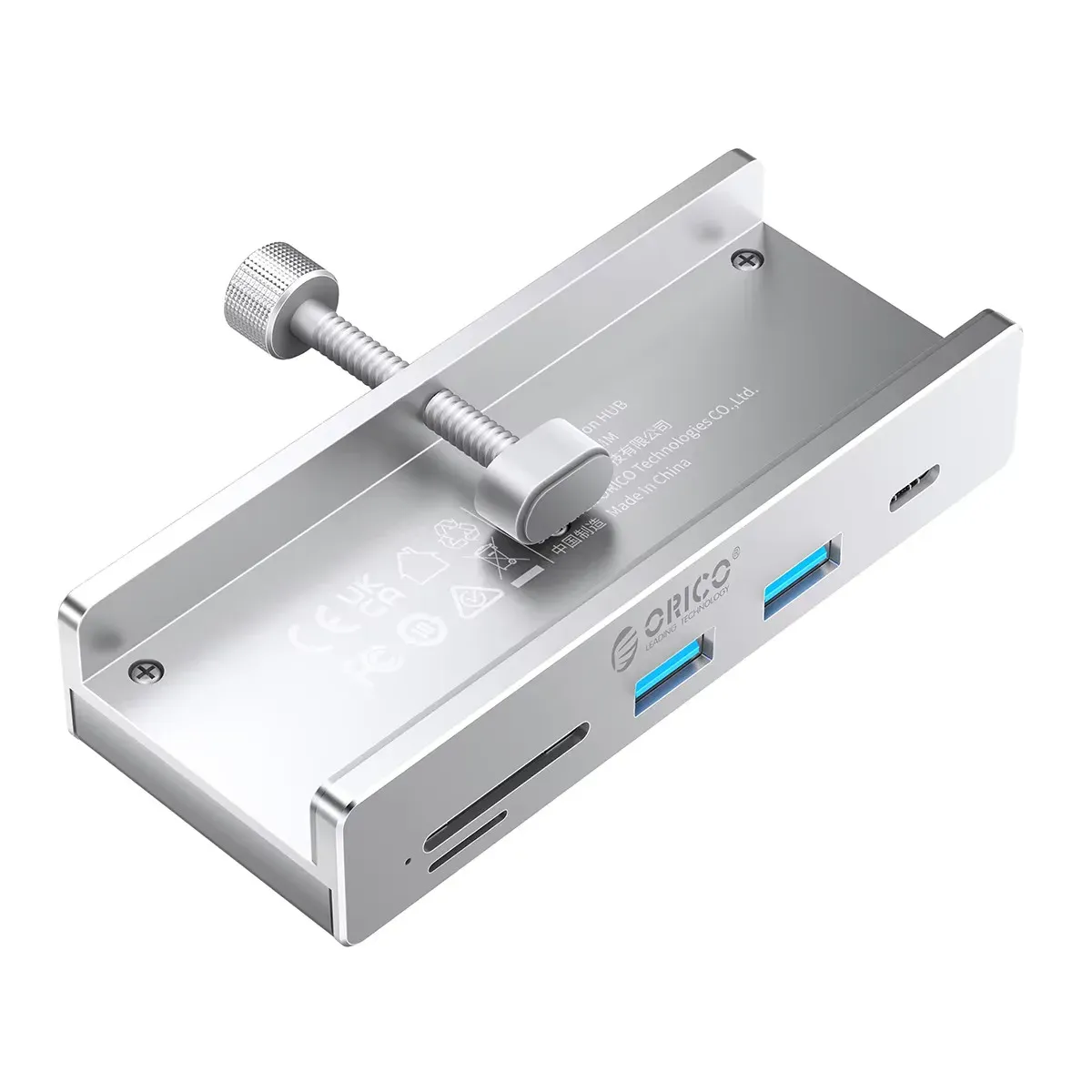
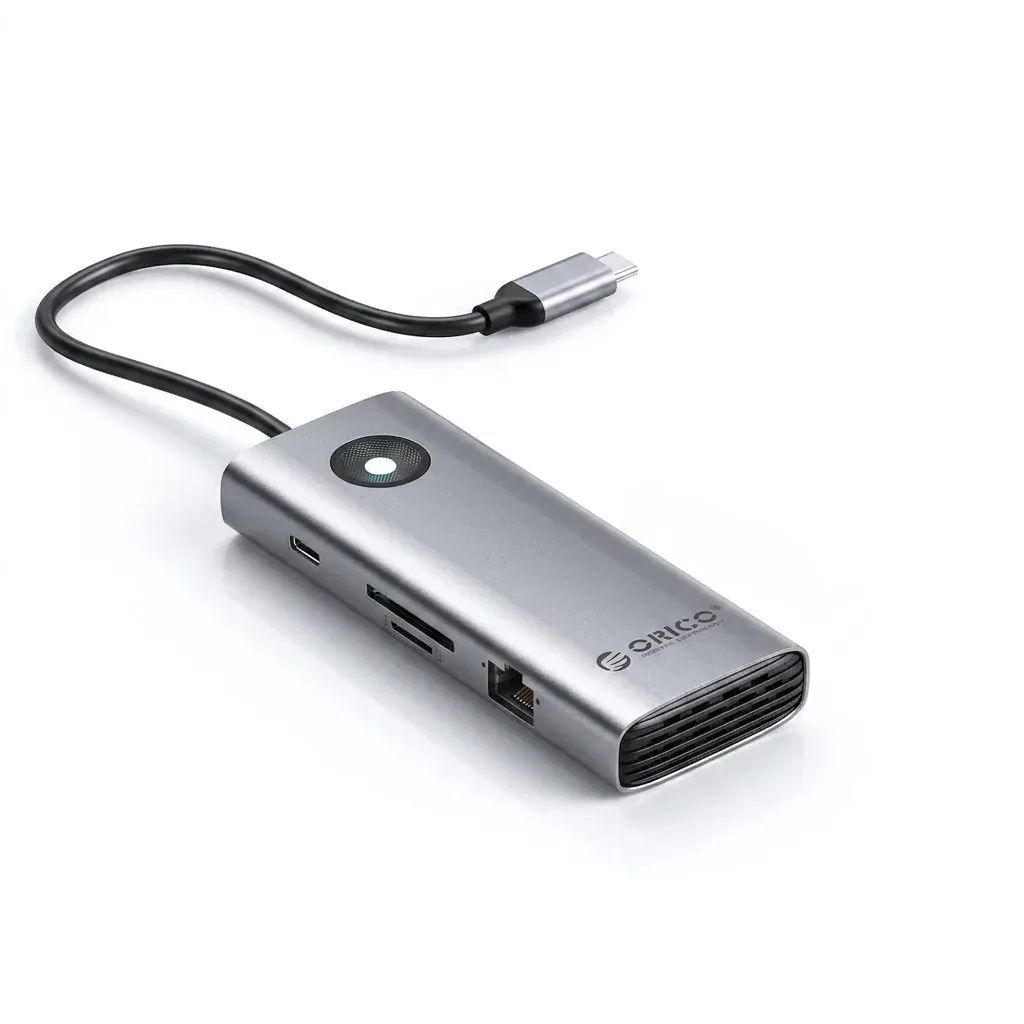
This hub solves a familiar problem: too few ports on a modern laptop and too many devices waiting to connect. Orico approaches that with a six-port USB-C expansion that keeps a desk cleaner while still handling storage cards and high-speed peripherals.
In the AliExpress Singapore ecosystem, Orico has earned a reputation for making accessories that feel more engineered than generic, with a focus on stable layouts and practical port mixes. That matters here because this model is not just a splitter; it is meant to sit between a laptop, memory cards, and everyday accessories without turning the desk into cable clutter.
10Gbps transfer speeds: when the spec starts to matter
The headline 10Gbps figure is the main reason to consider this hub, because it can cut down waiting time when moving large folders, project archives, or camera footage. Orico even frames it as 1GB in about a second, which is the kind of throughput that makes sense for users who regularly move heavier files rather than just a mouse and keyboard.
That speed is most useful when the connected device also supports fast USB 3.2 performance, so the hub is best seen as a chain that preserves speed instead of creating it. If your workflow includes external SSDs, card readers, or frequent file shuttling, the difference is easy to feel in daily use, so how does it handle the rest of the setup?
Six ports in a layout that favours real desk use
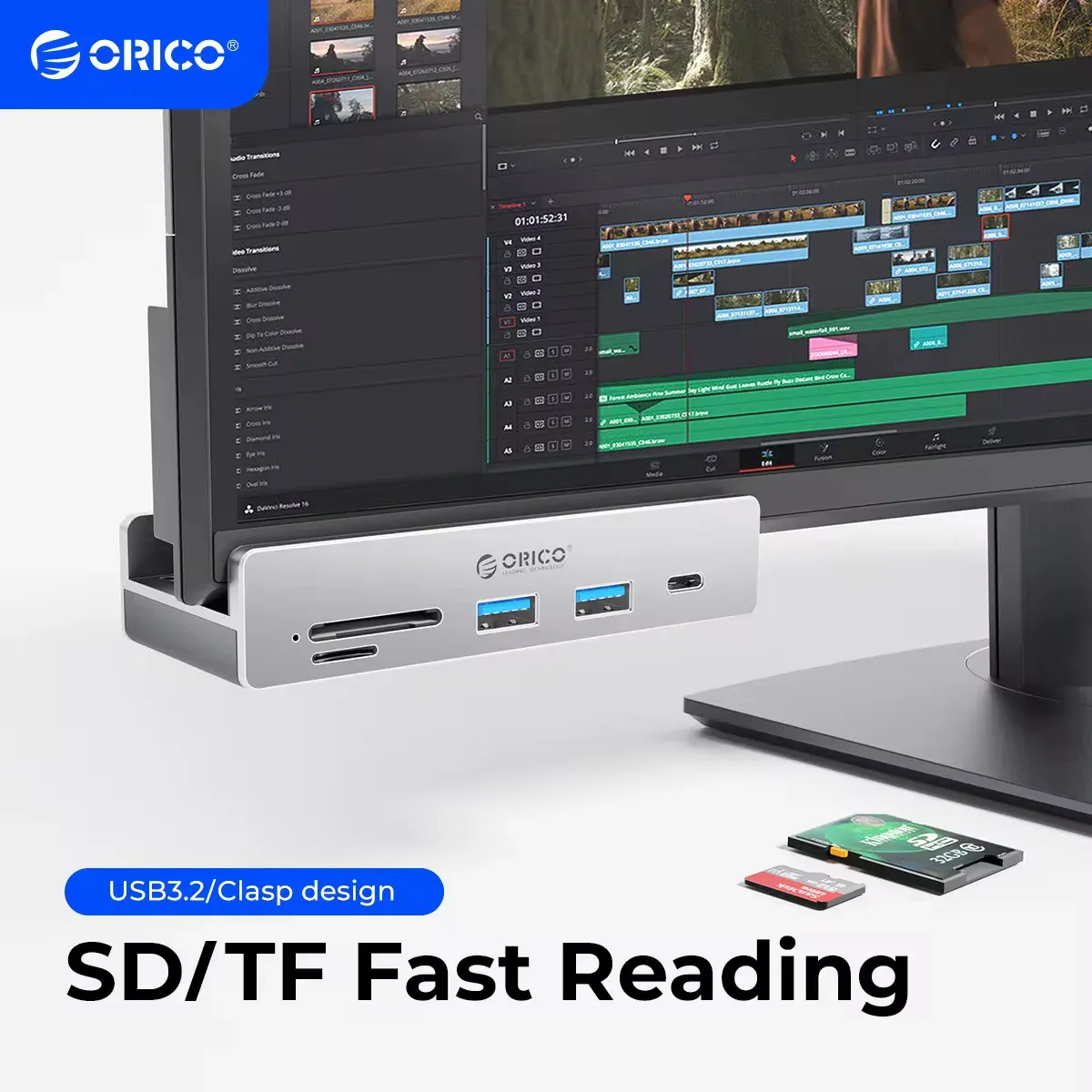
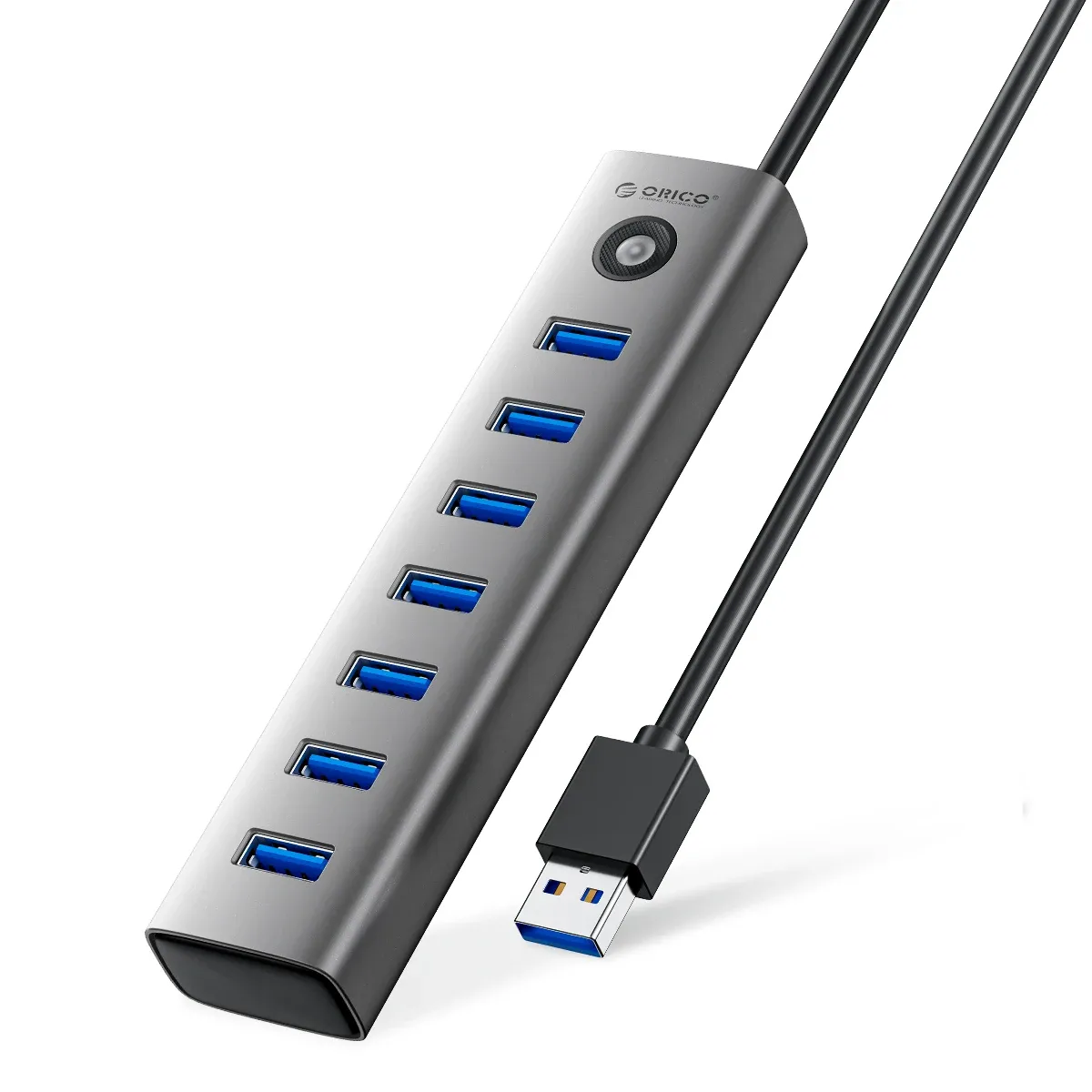
With six ports, this model is aimed at users who want a single connection point for several accessories at once. The benefit is not just quantity; it is the ability to keep a mouse, keyboard, card reader, and storage device connected without constantly swapping plugs.
The 100cm cable gives the hub enough reach to sit where it is convenient rather than where the laptop forces it to be, which helps when the Type-C port is awkwardly placed. That extra flexibility makes it more useful on compact desks, but the SD and TF reading function may be the part that saves the most time for creators.
SD and TF reading without an extra dongle
The built-in reader function is a strong practical advantage for photographers, content editors, and anyone who still moves files from memory cards. Instead of carrying a separate card reader, users get a cleaner one-device setup that can handle both expansion and card access in the same body.
This is especially handy for laptop users who only have one or two USB-C ports and do not want to sacrifice one just to read a card. According to the single customer review available, the product was well received, which is encouraging, though the sample size is too small to treat as a broad market signal.
What the compatibility list says about its limits
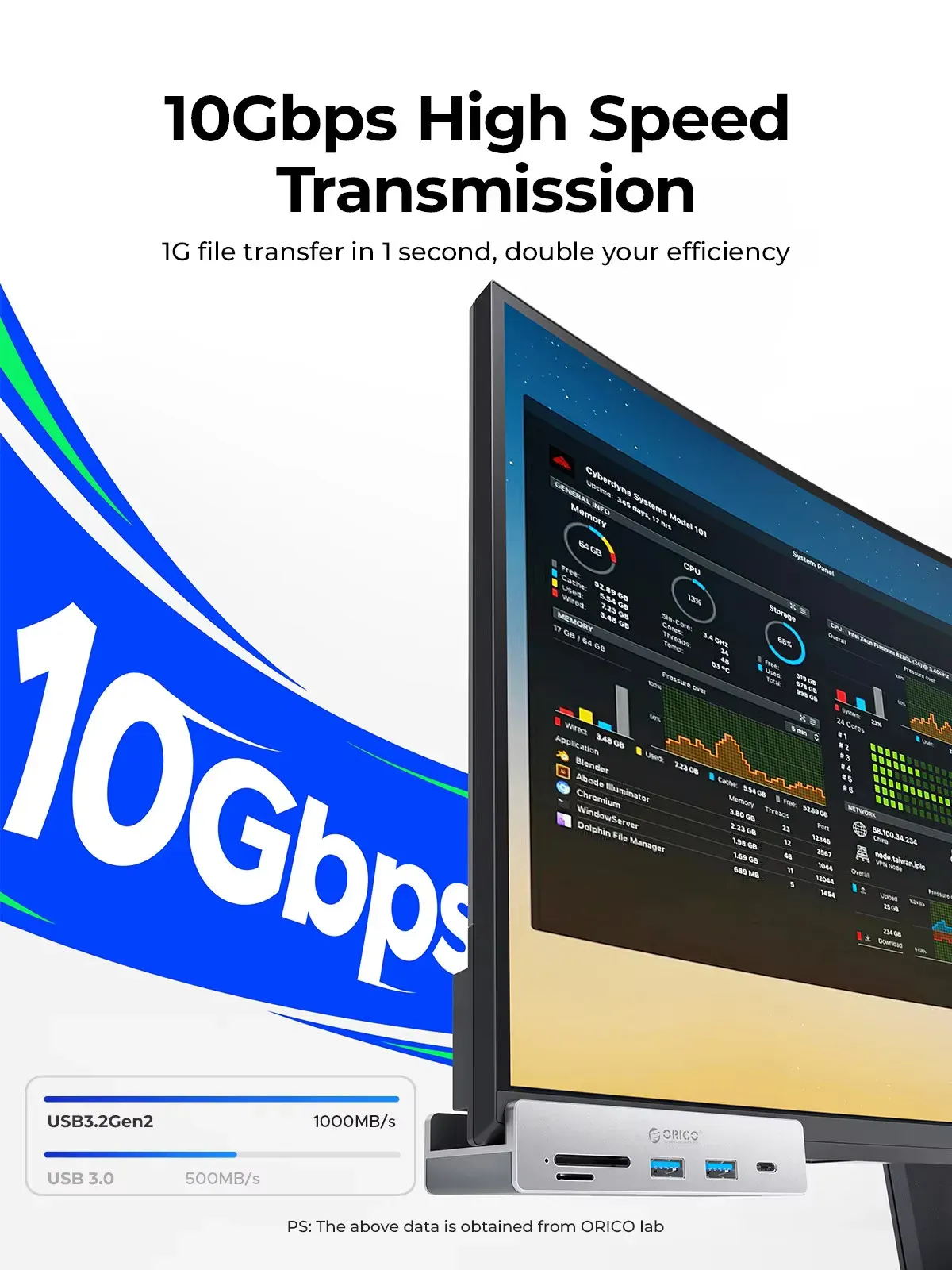
The hub is listed for Windows 8 and Mac OS, which suggests it is aimed at mainstream desktop and laptop environments rather than niche systems. That keeps expectations clear, and it is the kind of accessory that should fit naturally into office work, study setups, and light creator workflows.
Its USB Type-C interface makes it a better match for modern laptops than older USB-A-only hubs, and the CE, FCC, and UL certifications add confidence around compliance. If your priority is a tidy, fast, and card-friendly expansion point, the remaining question is whether the build and value line up with the asking figure.
Where this Orico hub makes the most sense
At S$29.1, the value case depends on whether you will actually use the speed and card-reader functions, because cheaper hubs often cut corners on one of those two areas. This model looks strongest for users who want a balanced desktop accessory rather than a bare-minimum port extender.
It is less compelling if you only need a simple mouse-and-keyboard hub, since the 10Gbps capability and card reader would be underused. For anyone moving files often, the combination of speed, reach, and six-port flexibility is where the product starts to justify itself, and the details below break that down further.