





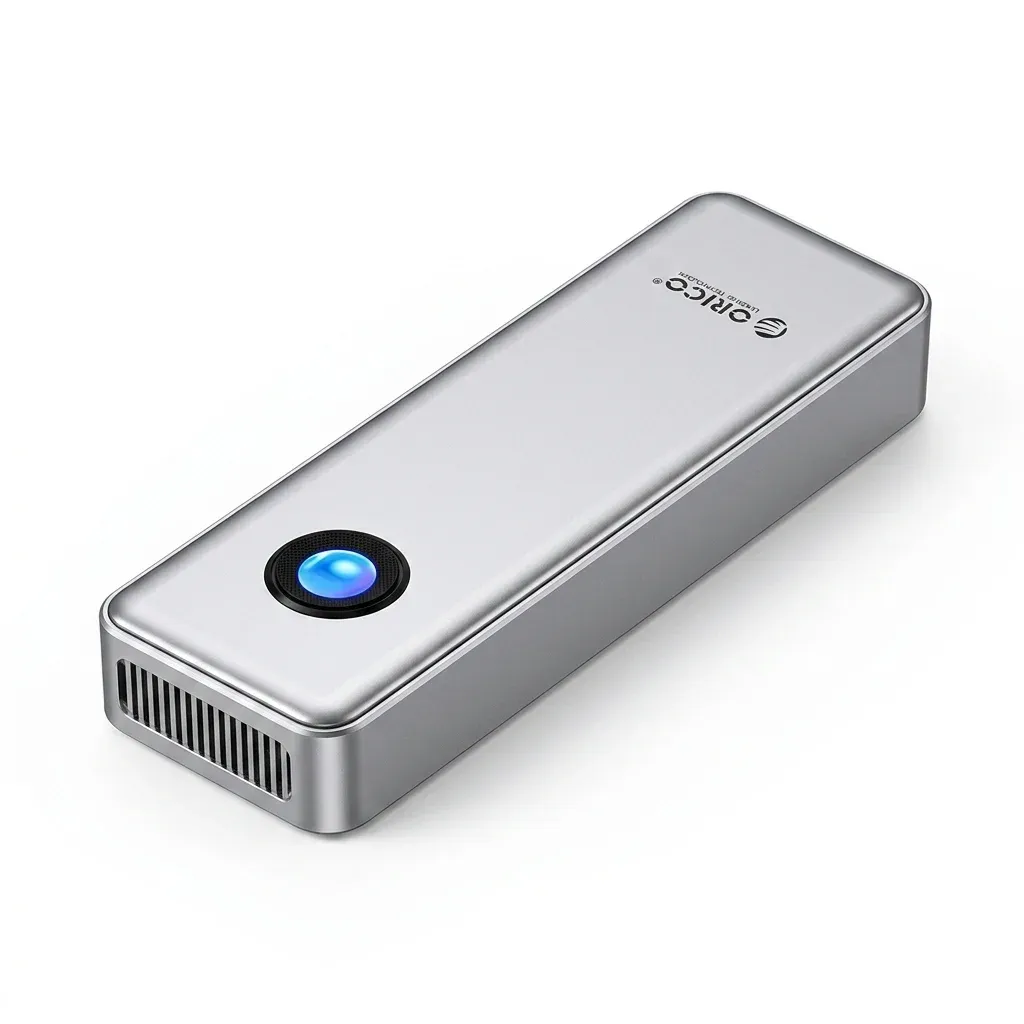
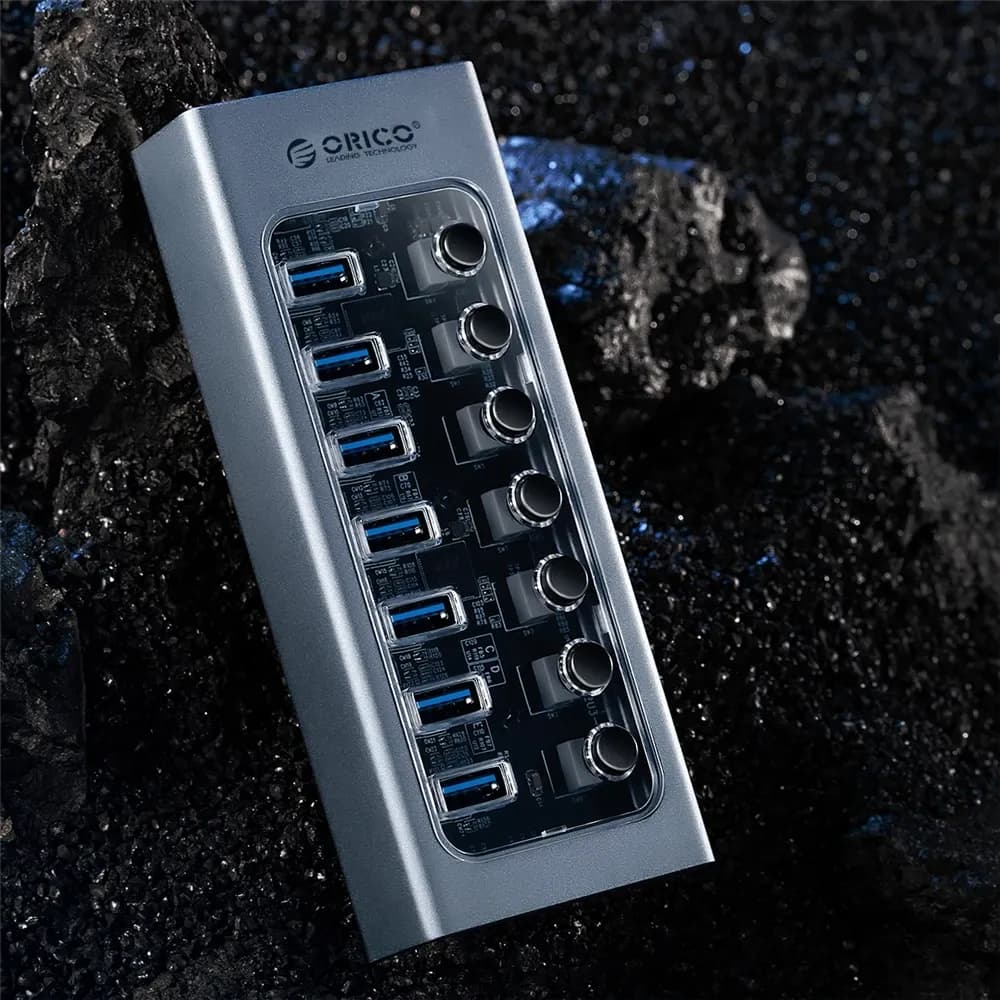
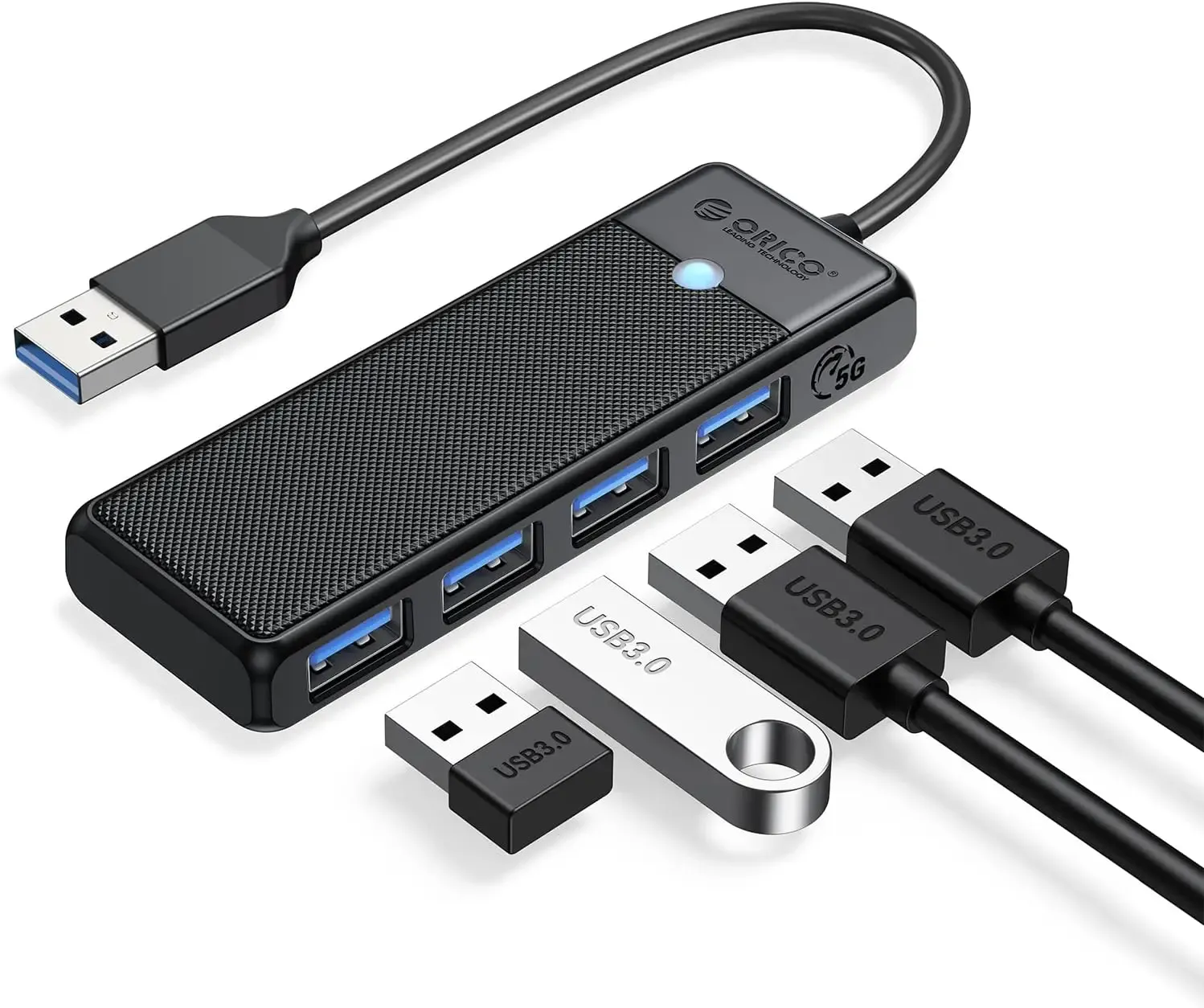
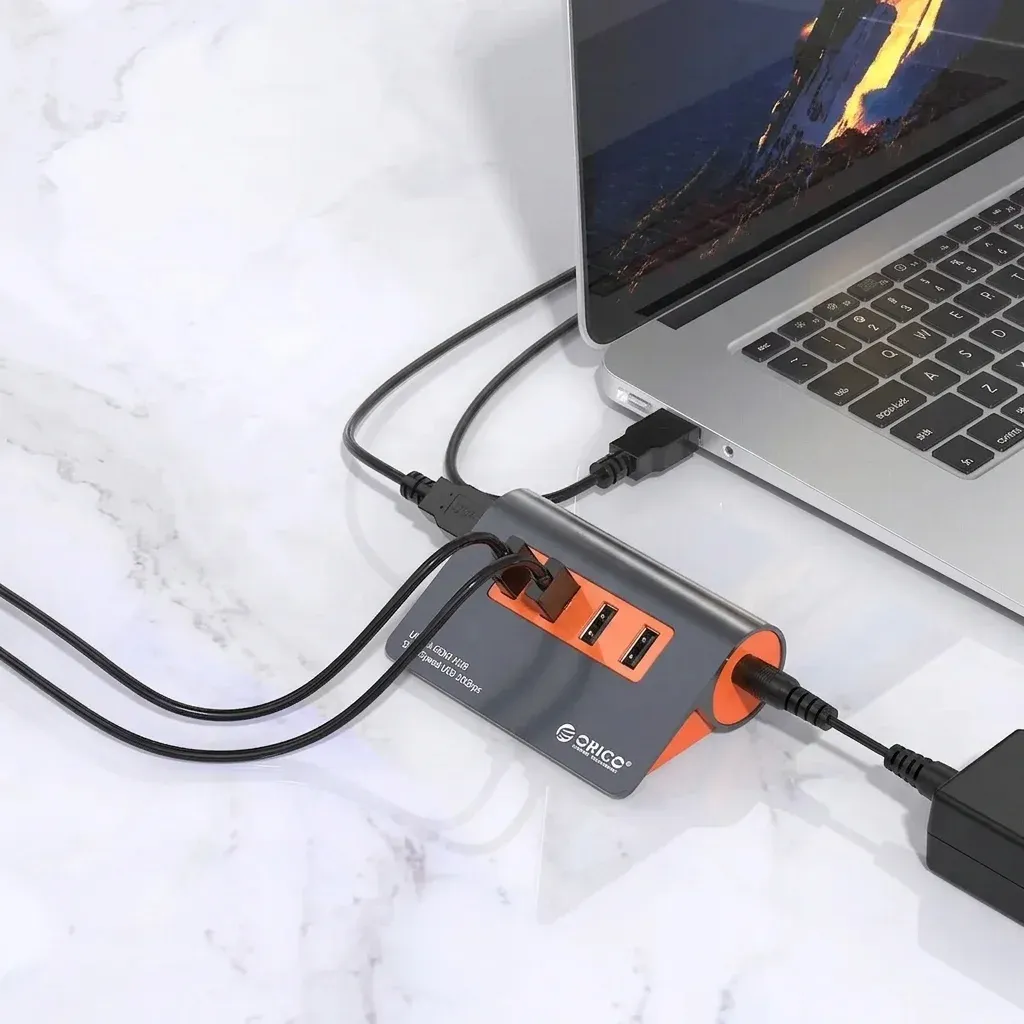
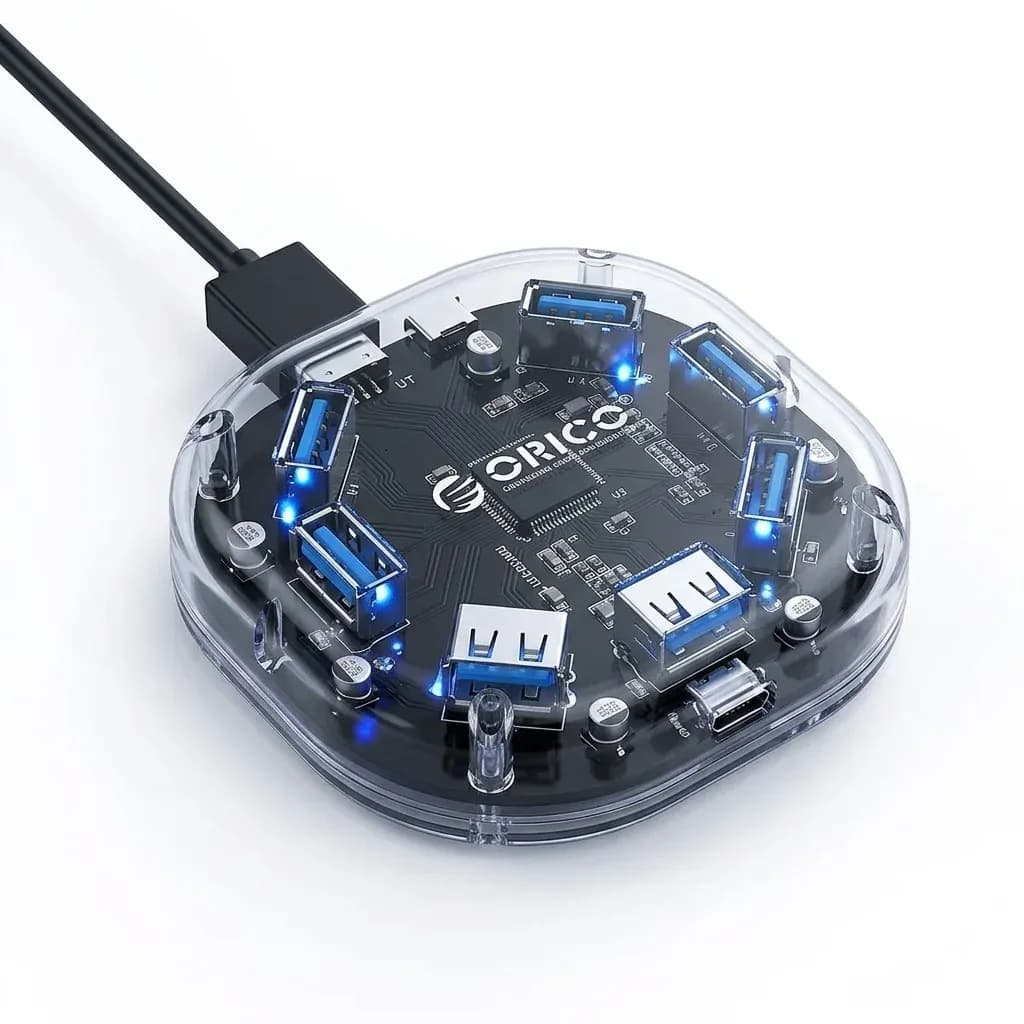

Built for laptops that run out of ports too quickly
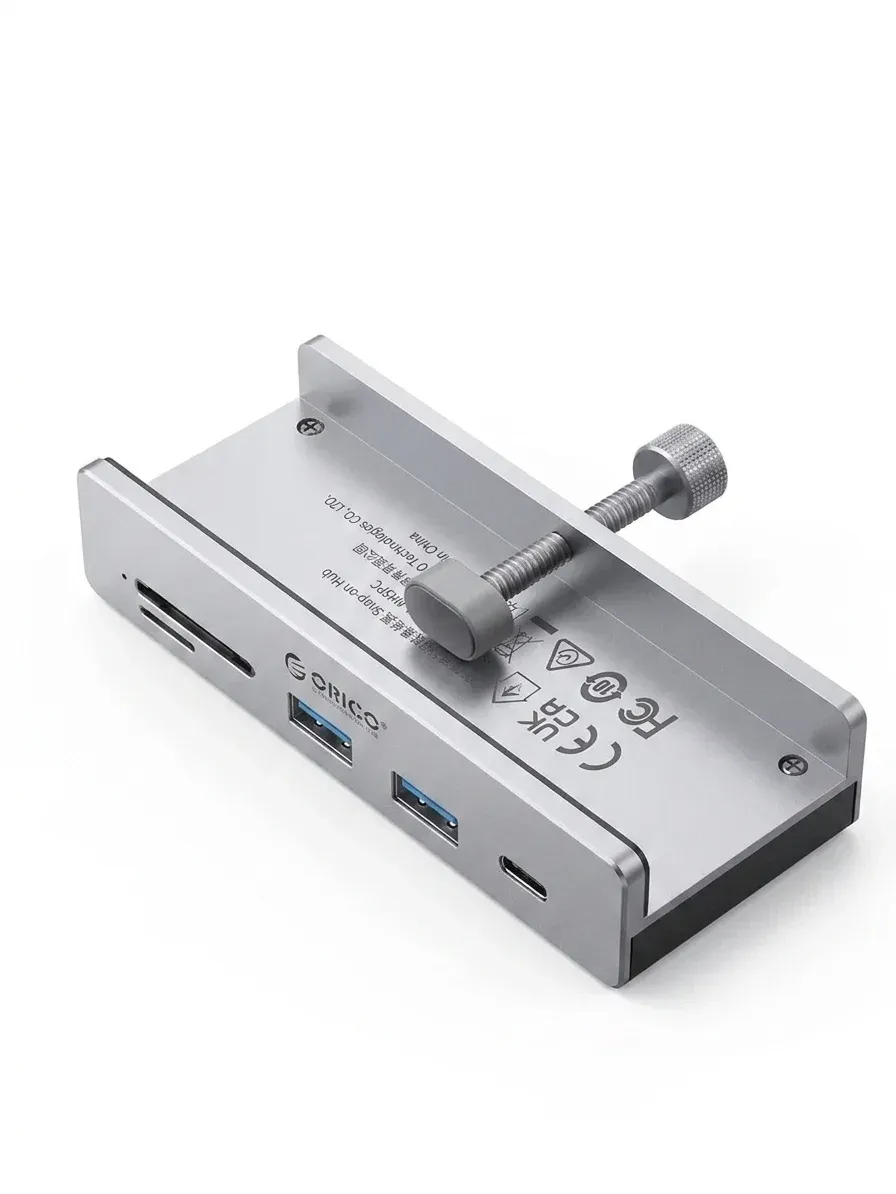
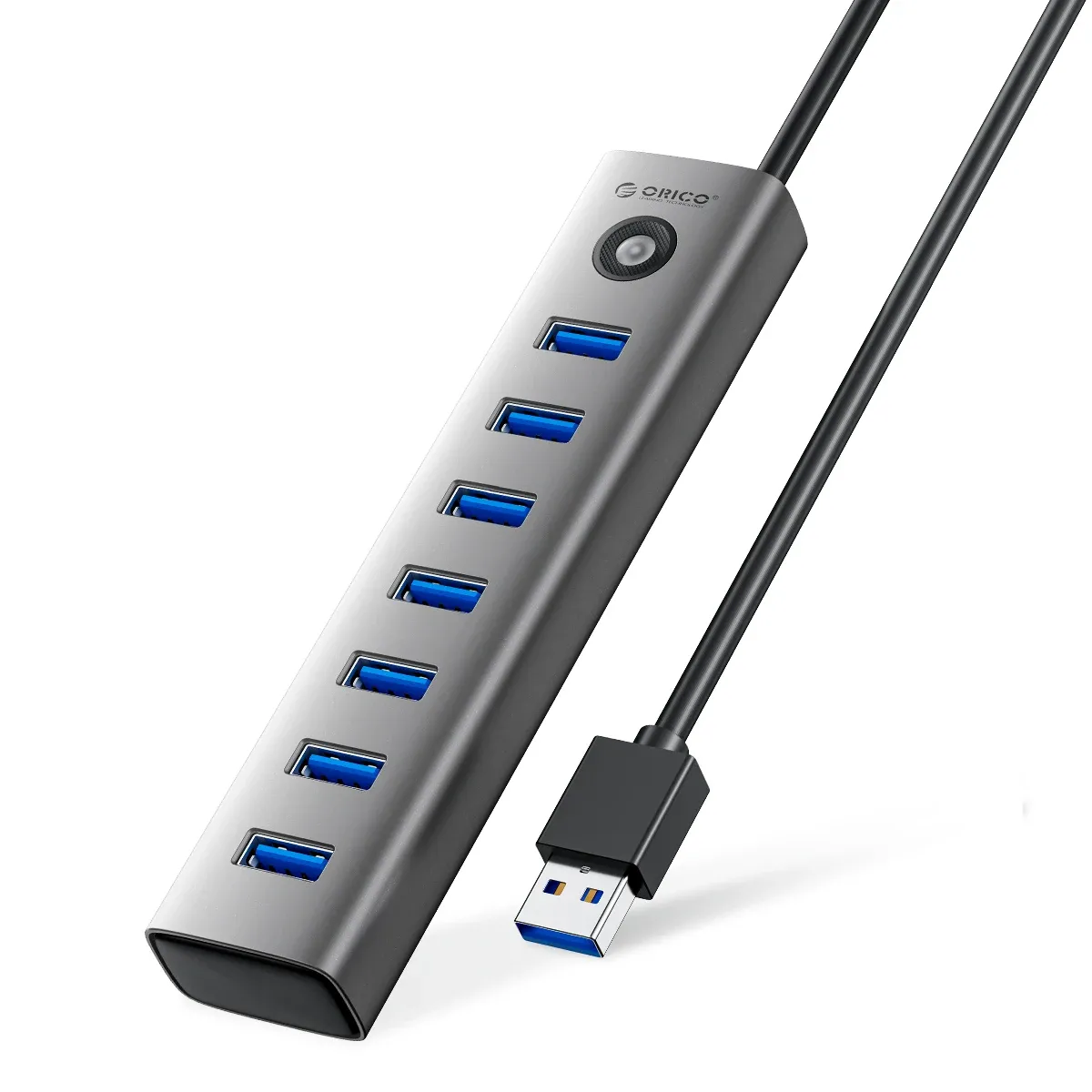
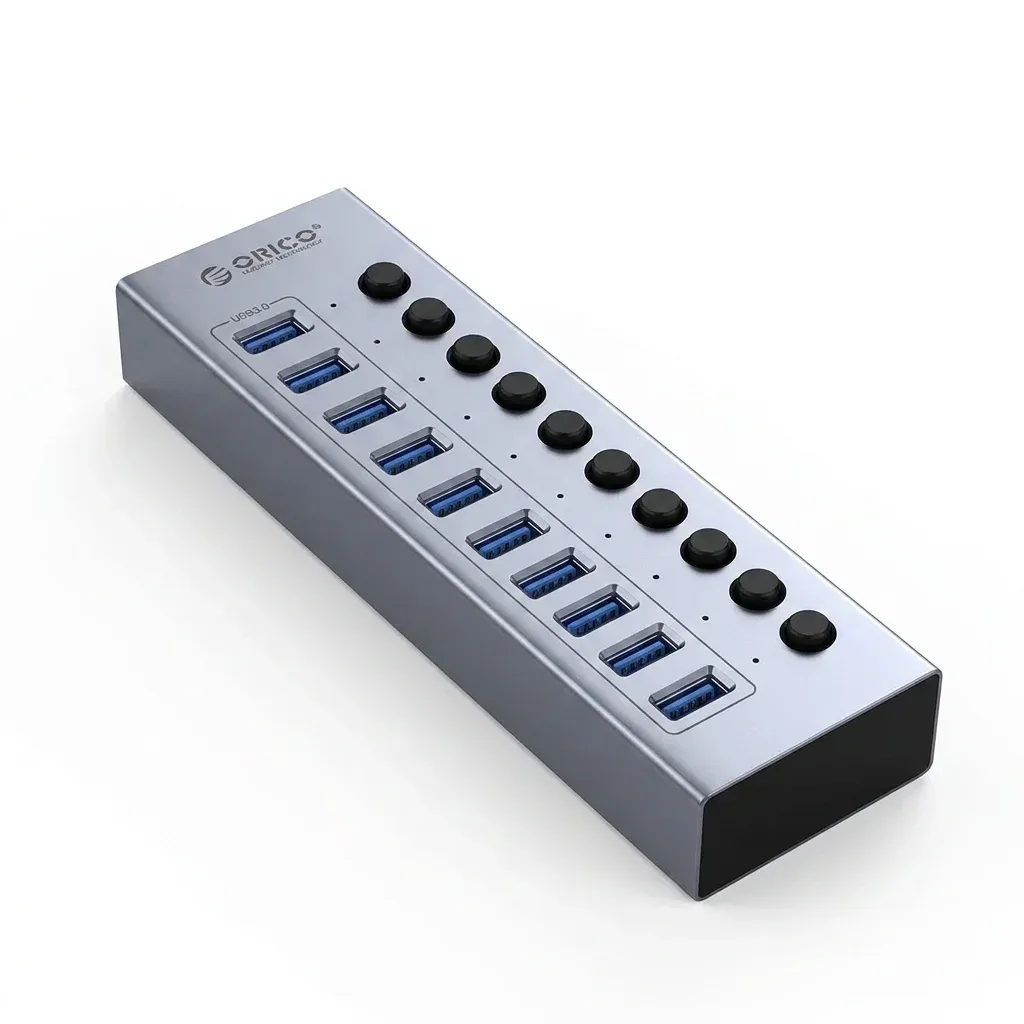
This Orico hub solves a familiar problem: modern laptops often give you one or two USB-C ports, then leave you juggling card readers, drives, and charging accessories. Here, the answer is a 6-port expansion block that keeps your desk tidy while restoring the connections you actually use.
Orico has earned a solid reputation in the AliExpress Singapore niche by focusing on functional accessories that feel engineered rather than improvised. The brand usually gets the basics right, and this hub follows that pattern with a metal-and-ABS body, a powered USB-C input, and a layout that looks made for real desk use.
10Gbps transfer claims: where the speed matters most
The headline figure is USB 3.2 Gen2-class 10Gbps transmission, which matters most when copying large video folders, RAW photo libraries, or project backups. In practice, that can turn a long wait into a short pause, especially if your drive and laptop both support the faster standard.
Users should still note that real-world speed depends on the connected device, cable quality, and whether the attached drive supports 10Gbps. One customer review also suggested that some units may behave closer to lower USB 3 speeds in certain setups, so this hub is best treated as a strong expansion tool rather than a guaranteed benchmark champion.
SD and TF access without a separate reader
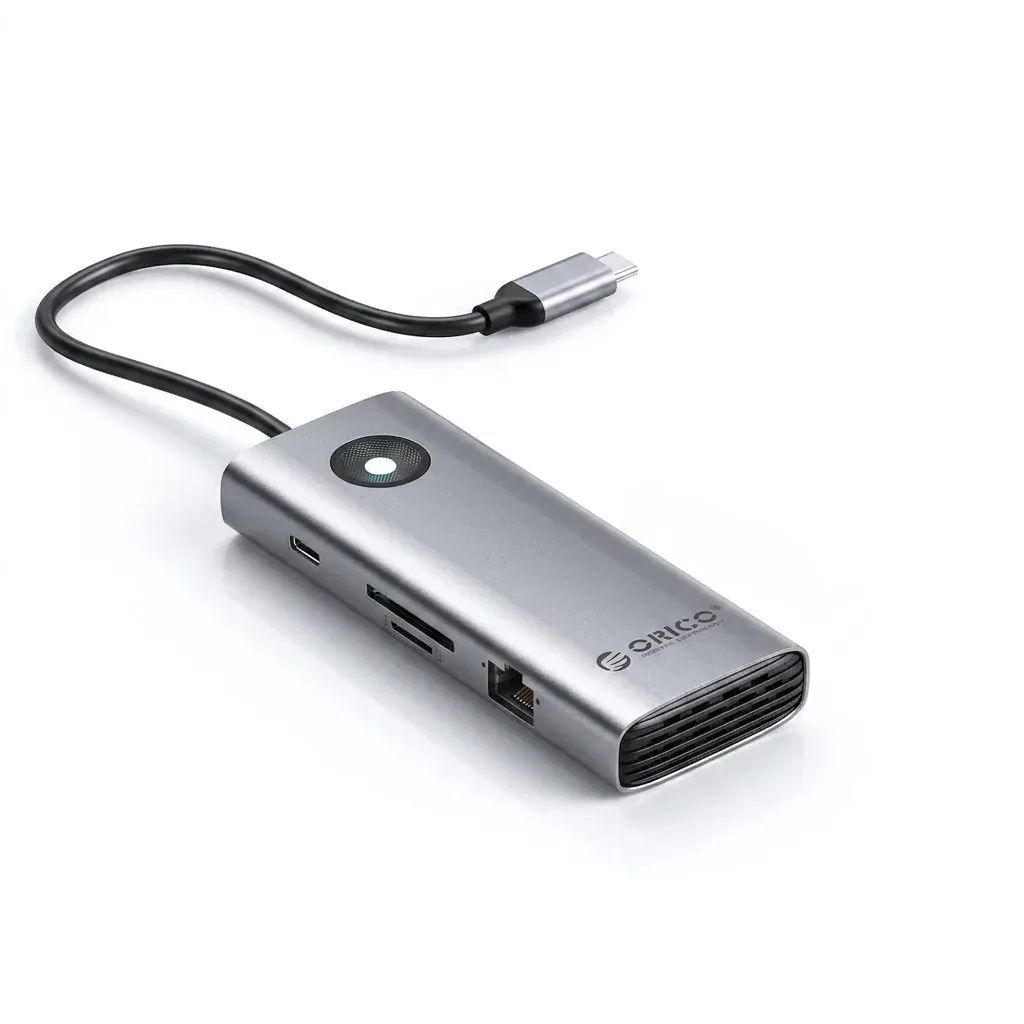
The built-in SD and TF card reading function is the feature that makes this hub feel especially practical for creators and mobile workers. If you move files from a camera, drone, or action cam, having the card slots integrated into the hub reduces desk clutter and saves you from carrying another accessory.
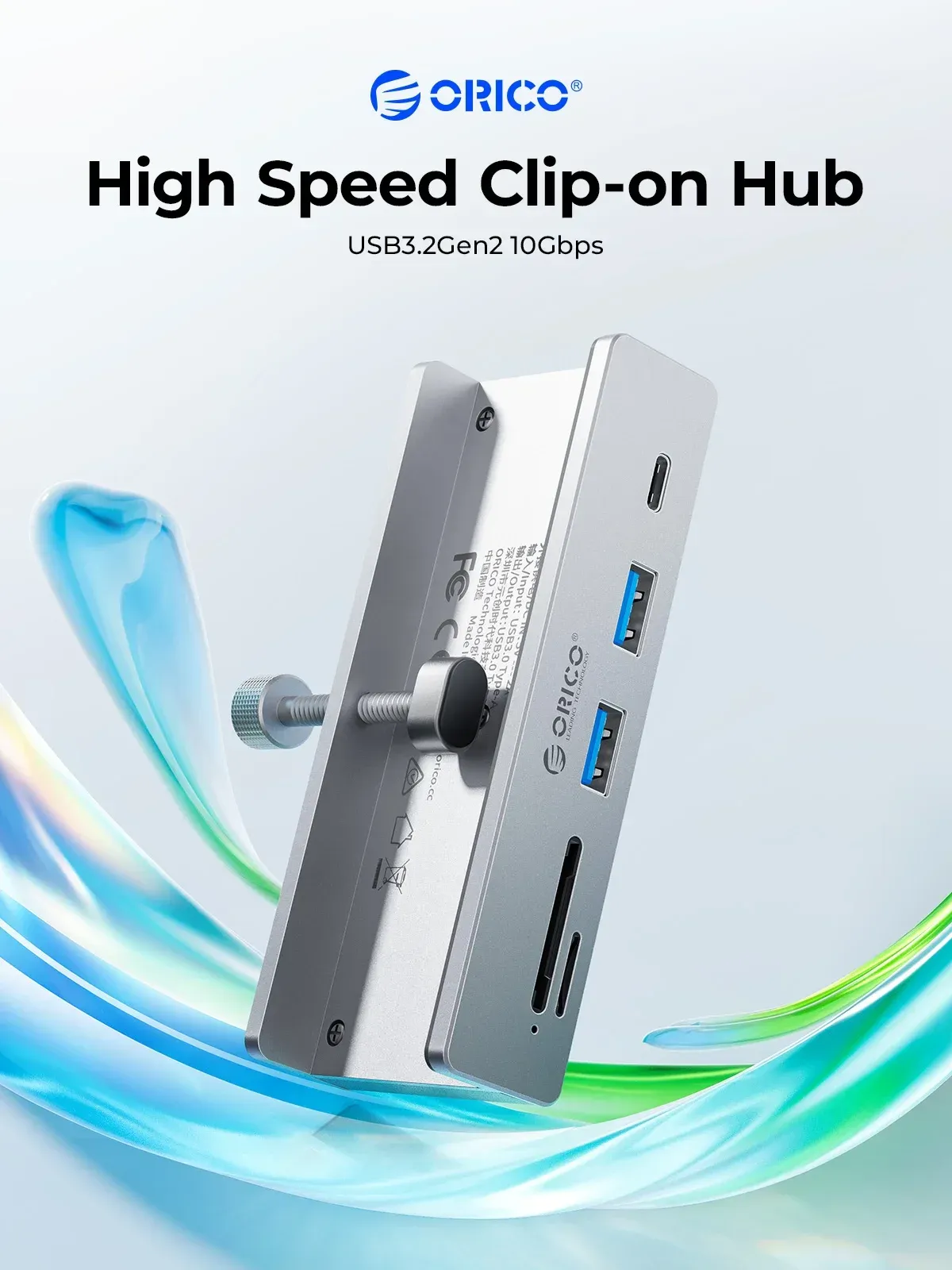
That matters because separate readers often get lost, occupy another port, or feel unstable when hanging from a laptop. With this design, the card workflow stays in one place, which is easier on the hands and faster on the eyes when you are moving between shoots, edits, and transfers.
Powered USB-C input for heavier accessories
The USB-C 5V power input is a useful detail for users who connect multiple devices at once or want steadier operation with busier setups. It is not a replacement for laptop charging, but it helps the hub handle power-hungry accessories more comfortably than a basic passive splitter.
That makes it more versatile than ultra-cheap hubs that work only with lightweight peripherals. If you plan to run card transfers while keeping a mouse, flash drive, or other accessories attached, the powered design gives the hub more breathing room, and that can be the difference between smooth use and random disconnects.
Aluminum body and 100cm cable: desk use feels more deliberate
The aluminum alloy and ABS construction gives the unit a firmer, cooler feel than all-plastic hubs, and the finish should hold up better on a crowded workstation. The 100cm cable is long enough to place the hub where it is convenient, not where the laptop port happens to be.
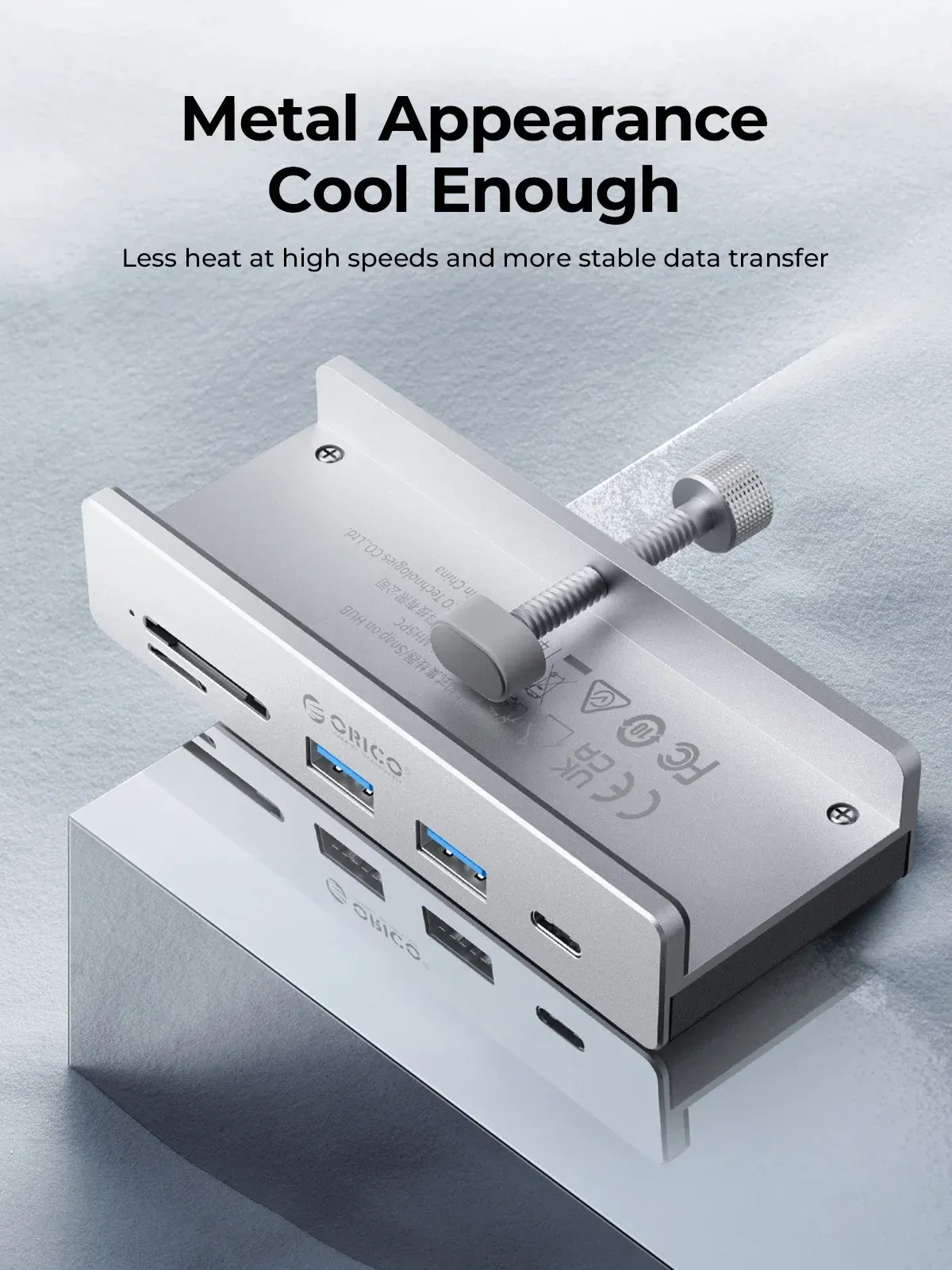
That extra reach is useful when you want the hub on the edge of a desk for quick card swaps or easier drive access. It also reduces strain on the laptop port, which is a small but important benefit if you connect and disconnect accessories often.
Who will get the most from it
This hub makes the most sense for laptop users who need a compact desktop expansion point rather than a full docking station. It suits students, office users, and content creators who want card reading, USB expansion, and a powered input in one small accessory.
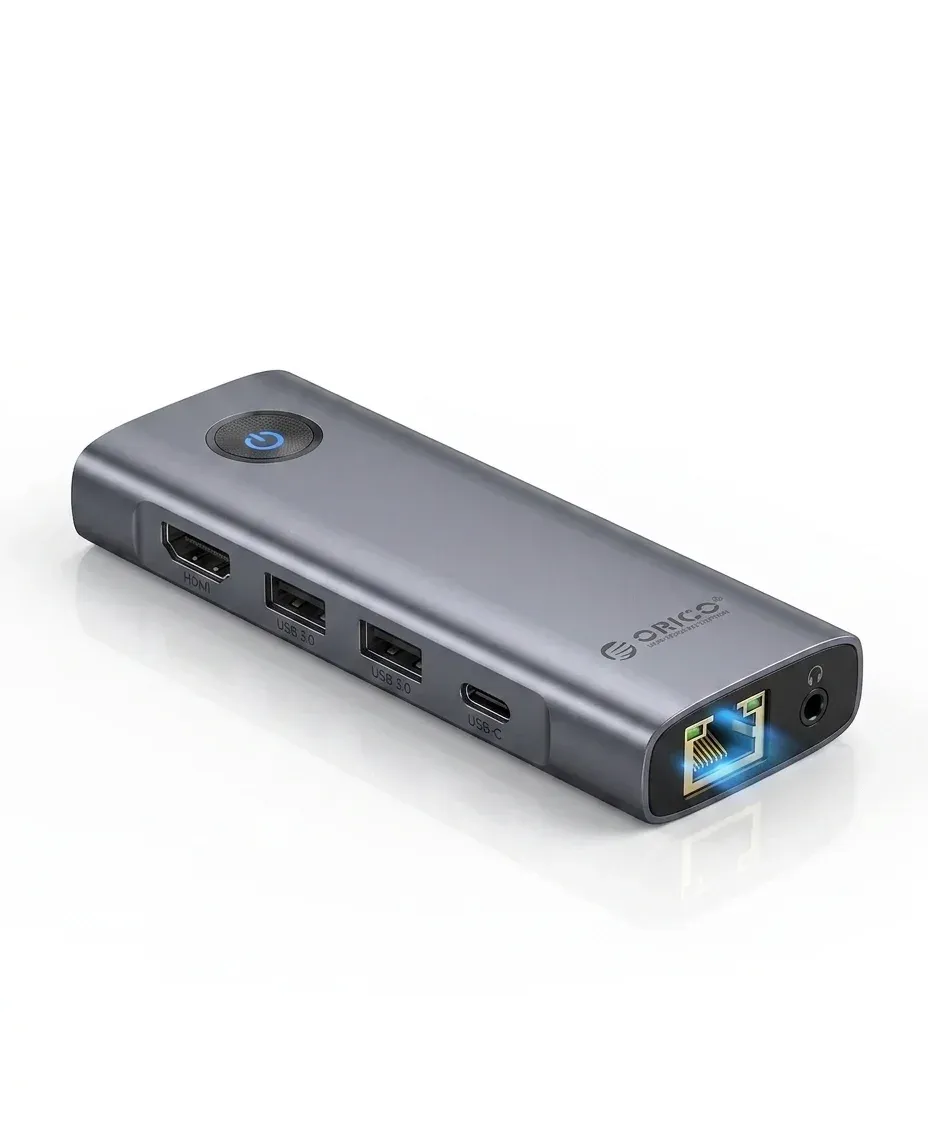
It is less compelling if you need HDMI, Ethernet, or USB-C display output, because this model is focused on storage and peripheral expansion instead of a full workstation dock. If that narrower job matches your setup, the feature set is easy to appreciate, and the real question becomes whether the speed profile fits your workflow.
What customer feedback suggests
Real customer feedback is small but mostly positive, with an average rating of 4.7 from 10 reviews and a strong approval rate. The main caution comes from one user noting weaker USB-A durability and another reporting speed that did not always match expectations, so the hub looks strongest when used for practical expansion rather than stress-tested as a premium transfer hub.